Steve Eisman warns that the US economy's apparent growth is largely driven by AI investments, with real economic activity stagnating without them, and highlights signs of consumer and auto sector distress indicating underlying weaknesses.
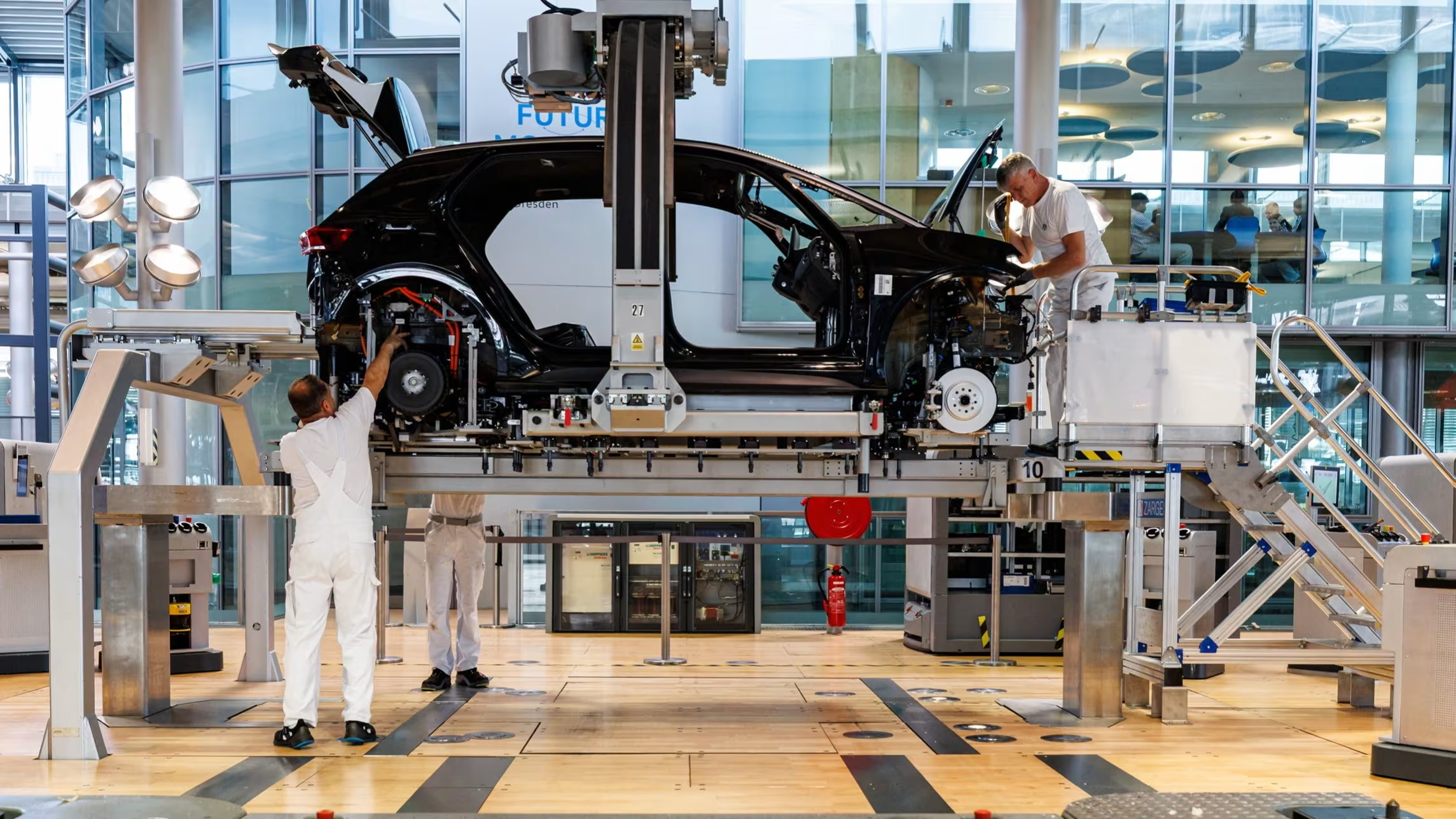
German industrial output has declined to levels not seen since 2005, primarily due to a significant downturn in the auto sector, indicating a substantial economic slowdown.
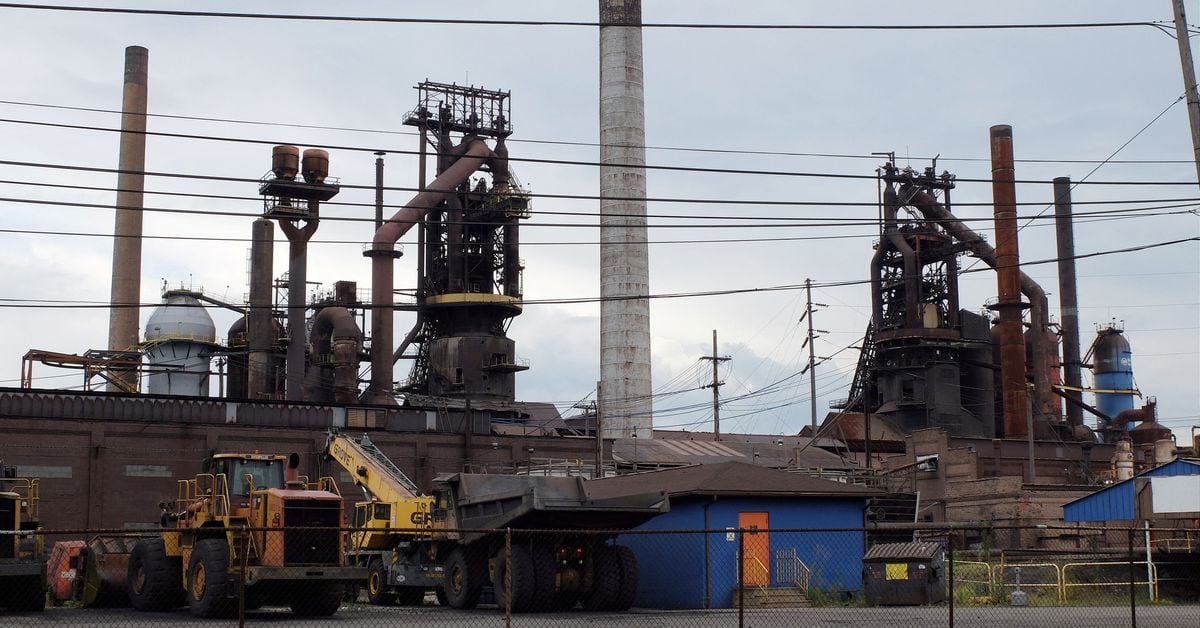
U.S. Steel Corp has attracted acquisition interest from industry players, including Cleveland-Cliffs Inc and Esmark Inc, after short-term challenges and undervaluation compared to its peers. The company's valuation has been impacted by furnace upgrades and the threat of potential car production shutdowns. However, suitors see potential in U.S. Steel's involvement in the green energy sector, supplying steel for renewable energy infrastructure and benefiting from tax credits and incentives. The company's investment in electrical steel production for electric vehicles is also expected to pay off. Concerns about potential strikes in the auto sector and limited capital due to equipment spending have weighed on U.S. Steel.
Wholesale used vehicle prices dropped by a record 4.2% in June, marking the third consecutive month of decline. This decrease eases concerns of sticky inflation and is expected to contribute to a further easing in June's Consumer Price Index. Used vehicle prices have been soaring due to inflation and supply chain challenges, but analysts had anticipated a slowdown. The average price of a used auto has increased by 35% since before the pandemic.
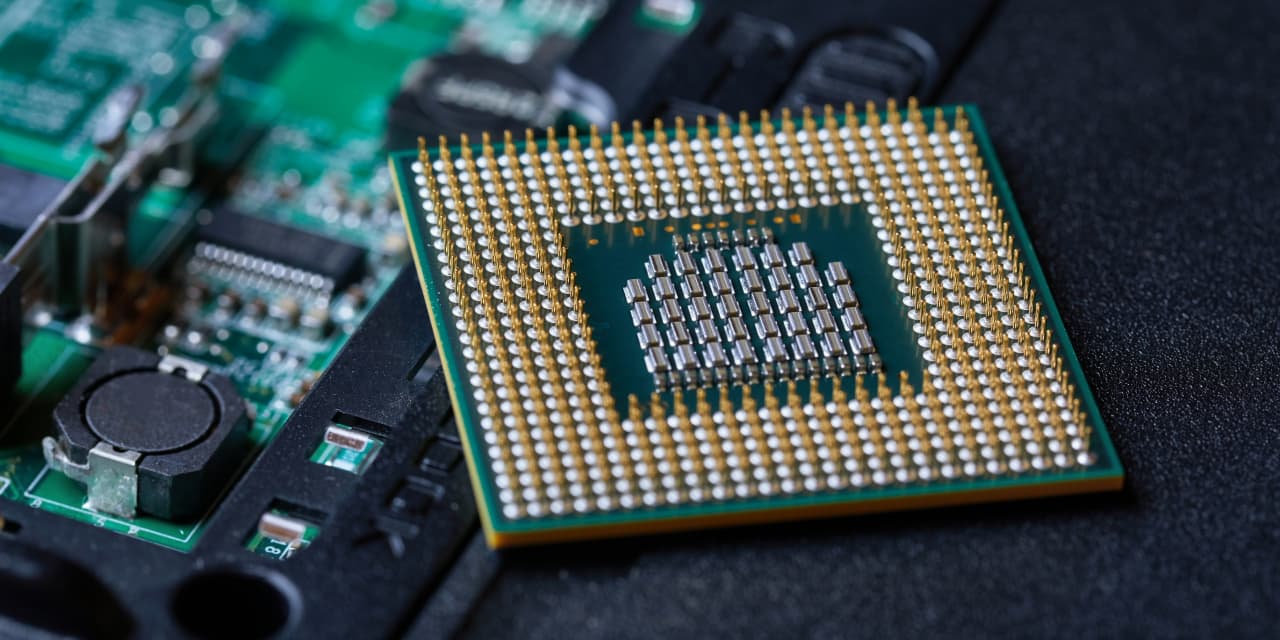
Analog Devices, a semiconductor maker, reported a quarterly sales record but its stock still fell due to management comments about a dip in sales in the car business for the current quarter. However, Nvidia, another semiconductor company, escaped the stock decline.