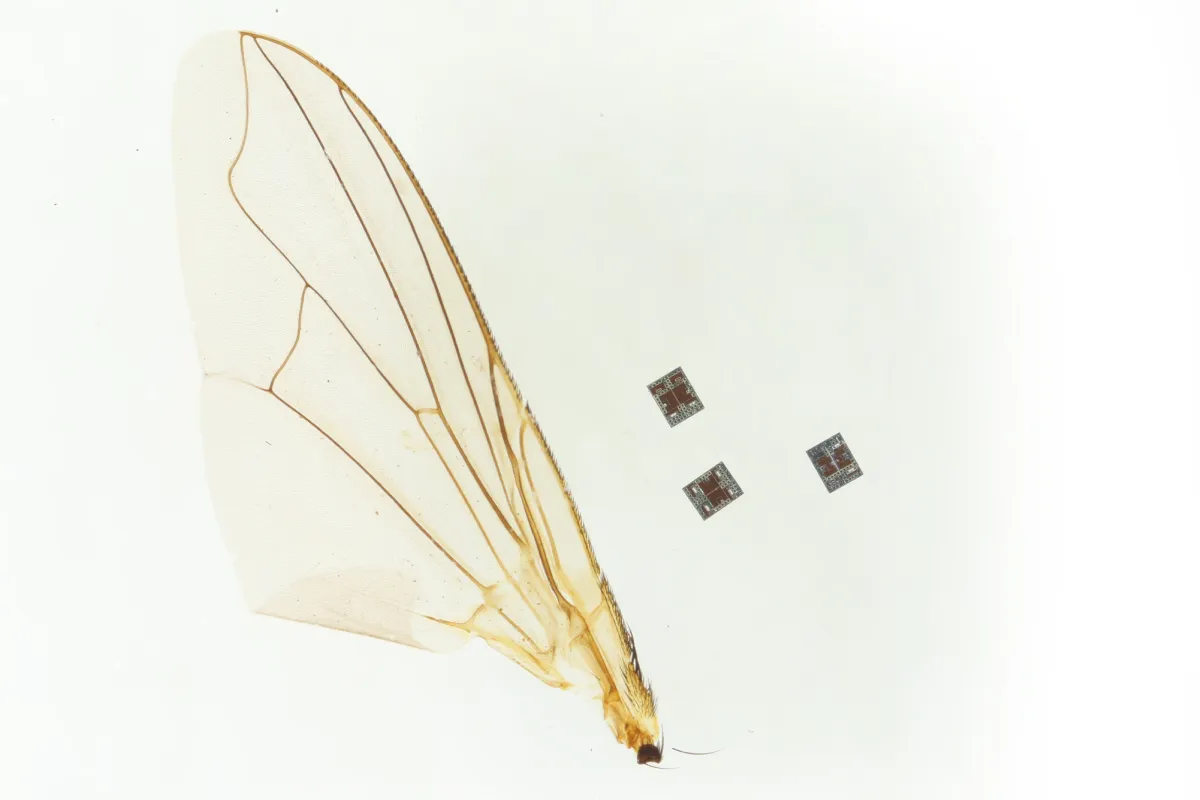
Scientists from the University of Pennsylvania and Michigan have developed a sub-millimeter robot capable of sensing, thinking, and acting, which could eventually be used inside the human body for medical purposes, although it is still in the experimental stage.
The U.S. Department of Education announced that the University of Pennsylvania has entered into a resolution agreement to address violations of Title IX, specifically related to allowing a male athlete to compete in female sports and access female-only facilities, with commitments to restore records, issue public statements, and uphold sex-based definitions in line with federal guidance.
The University of Pennsylvania condemned comments made by Professor Julia Alekseyeva, who appeared to support alumnus Luigi Mangione, charged with the murder of UnitedHealthcare CEO Brian Thompson. Deputy Dean Jeffrey Kallberg stated that Alekseyeva's posts were against the university's values, leading to her retraction and apology. Faculty Senate Chair Eric Feldman emphasized the tragedy's focus on societal failures in mental health care rather than Mangione's educational background. Mangione faces multiple charges, including second-degree murder.
The University of Pennsylvania has issued new rules banning protest encampments and significantly restricting demonstrations on campus, following a wave of student activism against Israel's actions in Gaza. The new regulations, which aim to ensure safety and protect property, come after police cleared a pro-Palestinian encampment and arrested 33 people. The rules will be reviewed by a faculty-led task force in the next academic year.
Samuel Woodward, a 26-year-old from Newport Beach, California, is set to stand trial for the murder of University of Pennsylvania student Blaze Bernstein, who was stabbed to death in an act of hate more than six years ago. Woodward, who has pleaded not guilty, is accused of stabbing Bernstein, a 19-year-old gay, Jewish college sophomore, nearly 20 times in the face and neck after picking him up from his parents' home. DNA evidence and Woodward's cellphone contents, including anti-gay, antisemitic, and hate group materials, are linked to the killing. The case, which faced delays due to questions about Woodward's mental state, is finally going to trial, with the defense urging the public to reserve judgment until all evidence is presented.
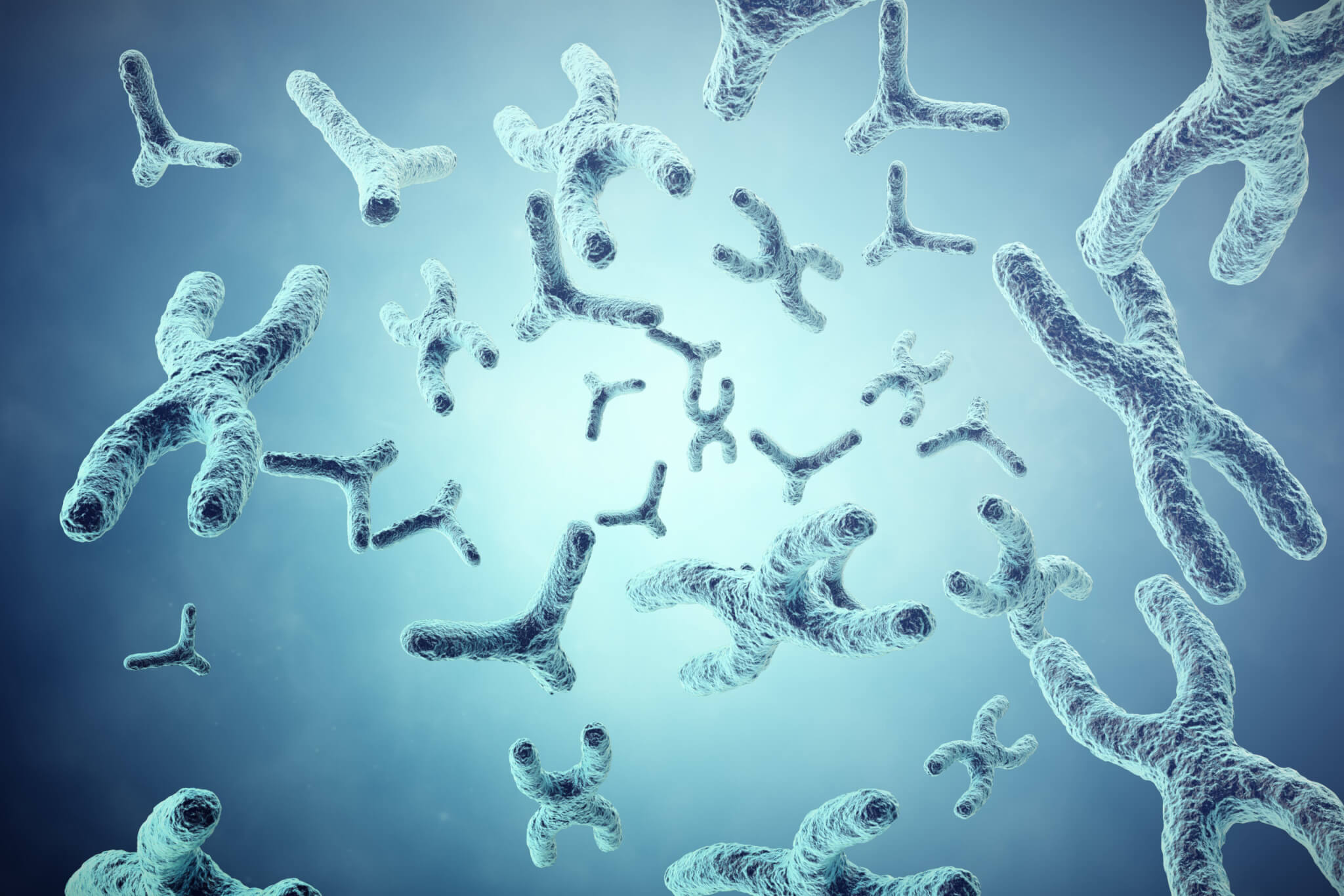
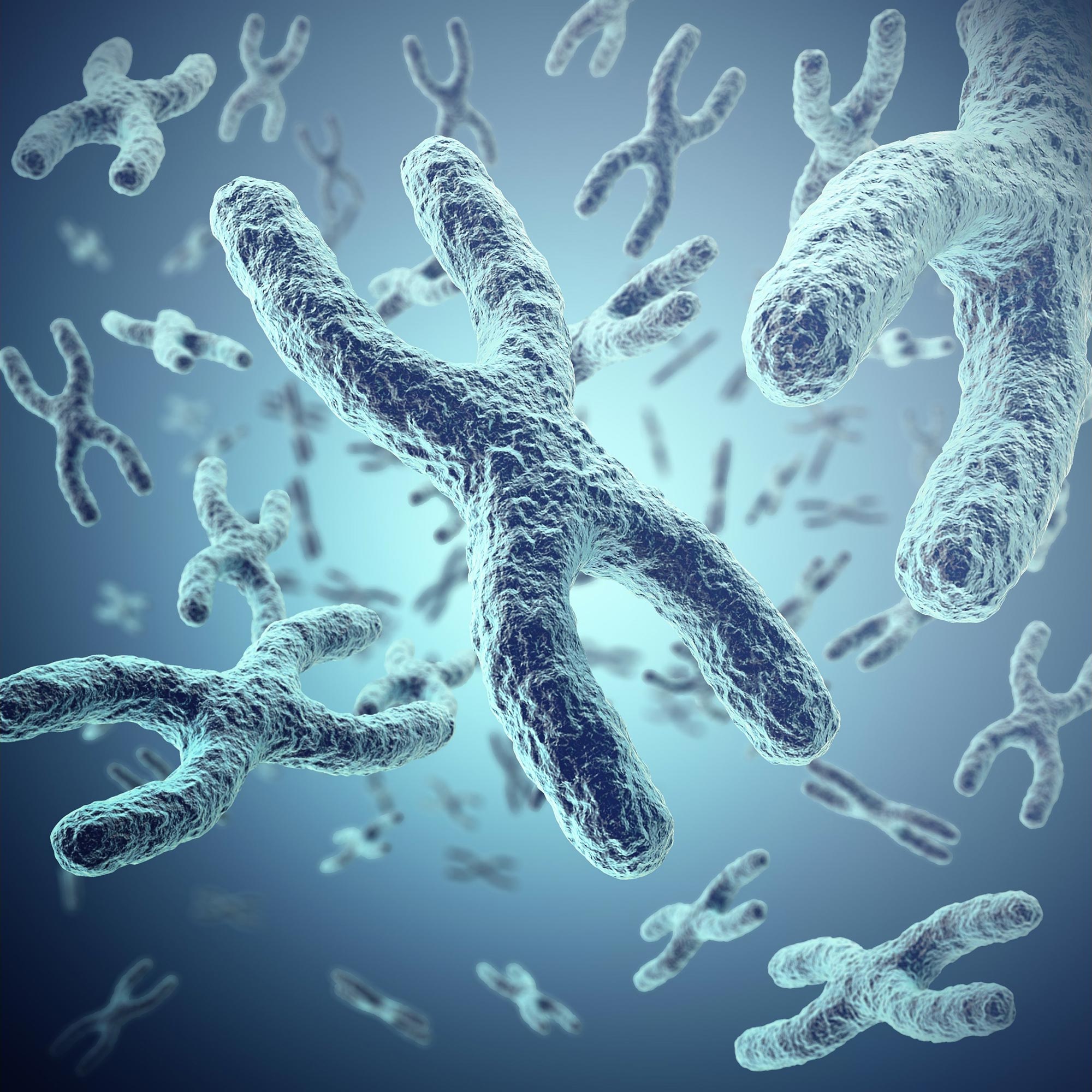
Scientists at the University of Pennsylvania have developed a groundbreaking method to create human artificial chromosomes (HACs) that could revolutionize gene therapy and biotechnology applications. Their approach efficiently forms single-copy HACs, overcoming a common hurdle that has hindered progress in this field for decades. These designer chromosomes have the potential to serve as safer and more effective platforms for gene therapy, carry larger genetic payloads, and be valuable for agricultural biotechnology. This breakthrough represents a significant leap forward in our ability to engineer designer genomes, opening up exciting new avenues for advancing synthetic biology and expanding the toolkit for genetic manipulation.
Researchers at the University of Pennsylvania have developed a new method for constructing human artificial chromosomes (HACs) that promises to revolutionize gene therapy and biotechnology. This breakthrough technique bypasses common technical challenges, allowing for the efficient creation of HACs from single, long constructs of designer DNA. The innovation could significantly impact gene therapy, DNA research, and biotechnology, offering a reliable alternative to current gene delivery systems and broadening the potential for genetic engineering across various fields.
A new study from the University of Pennsylvania suggests that ADHD may have developed as an adaptive survival strategy for our ancestors. Researchers found that individuals with ADHD traits tend to switch tasks more quickly, leading to better performance in foraging tasks such as collecting berries. This behavior may have been vital for the survival of hunter-gatherers in the past. While these traits were advantageous in a nomadic lifestyle, they may not be as beneficial in contemporary society. The study highlights the need for further research to better understand the evolutionary significance of ADHD.
A study from the University of Pennsylvania suggests that ADHD may have evolved over 12,000 years ago as an advantage for foragers, allowing those with the disorder to quickly move to new areas when food sources became scarce. Researchers found that individuals with ADHD were more likely to cut their losses and move on to another foraging patch quicker than non-ADHD participants. This behavior may have provided a survival advantage for ancient hunter-gatherers. While the root cause of ADHD remains unknown, the disorder tends to be passed down genetically, and the study's findings shed light on how behaviors associated with ADHD may have been adaptive in past environments.
University of Pennsylvania engineers have developed a new silicon-photonic chip that uses light waves instead of electricity to perform complex mathematical computations essential for training AI, potentially revolutionizing computer processing speed and energy consumption. The chip's design combines nanoscale manipulation of materials with silicon, enabling it to perform vector-matrix multiplication at the speed of light. This breakthrough could lead to faster AI training and classification, reduced energy consumption, and enhanced privacy due to the elimination of the need for storing sensitive information in a computer's working memory.
Researchers at the University of Pennsylvania have created a new computer chip that operates on light instead of electricity, potentially revolutionizing AI model training by enhancing data transfer speed and reducing energy consumption. This innovation addresses the growing demand for efficient computing systems to handle the increasing volume of data processed by AI models, offering a promising solution to the energy inefficiency of current computing technology.
Researchers at the University of Pennsylvania have introduced a groundbreaking method, cryo-electron tomography, to study the microscopic structures of the human brain, offering clearer images in a more native state without the use of chemicals or physical tissue cutting. This method promises to enhance our understanding of various brain diseases, including Alzheimer's and multiple sclerosis.
The University of Pennsylvania and Inovio Pharmaceuticals are conducting a clinical trial for a vaccine aimed at preventing cancer in individuals with the BRCA gene mutation, which significantly increases the risk of breast, ovarian, prostate, and pancreatic cancer. The vaccine uses DNA and electric shocks to train the immune system to recognize and attack abnormal cells before they develop into tumors. The trial has drawn significant interest and could potentially offer a less invasive and more effective alternative to preventive surgeries and ongoing screening for those at high risk of hereditary cancer.
The University of Pennsylvania recently buried the remains of 19 Black Philadelphians, part of the Morton Cranial Collection, in a local historic Black cemetery, sparking a dispute with community members who felt excluded from the decision-making process. The university's efforts to rectify past wrongs have been met with criticism, as some argue that the decision to reinter the remains was made without their input. The collection, once used to promote white supremacy through racist scientific research, has been the subject of ongoing debate, with calls for greater community involvement in the repatriation process.
The University of Pennsylvania reburied the remains of 19 Black Philadelphians from its collection of human remains, sparking a dispute with community members who felt excluded from the decision-making process. The university's move to lay the remains to rest in a local historic Black cemetery was part of an effort to rectify past wrongs, but critics argue that the decision was made without their input. The collection, originally part of the Morton Cranial Collection, was used for racist scientific research to promote white supremacy. The university has faced criticism for its handling of the repatriation process and is also tasked with repatriating over 300 Native American remains from the collection.