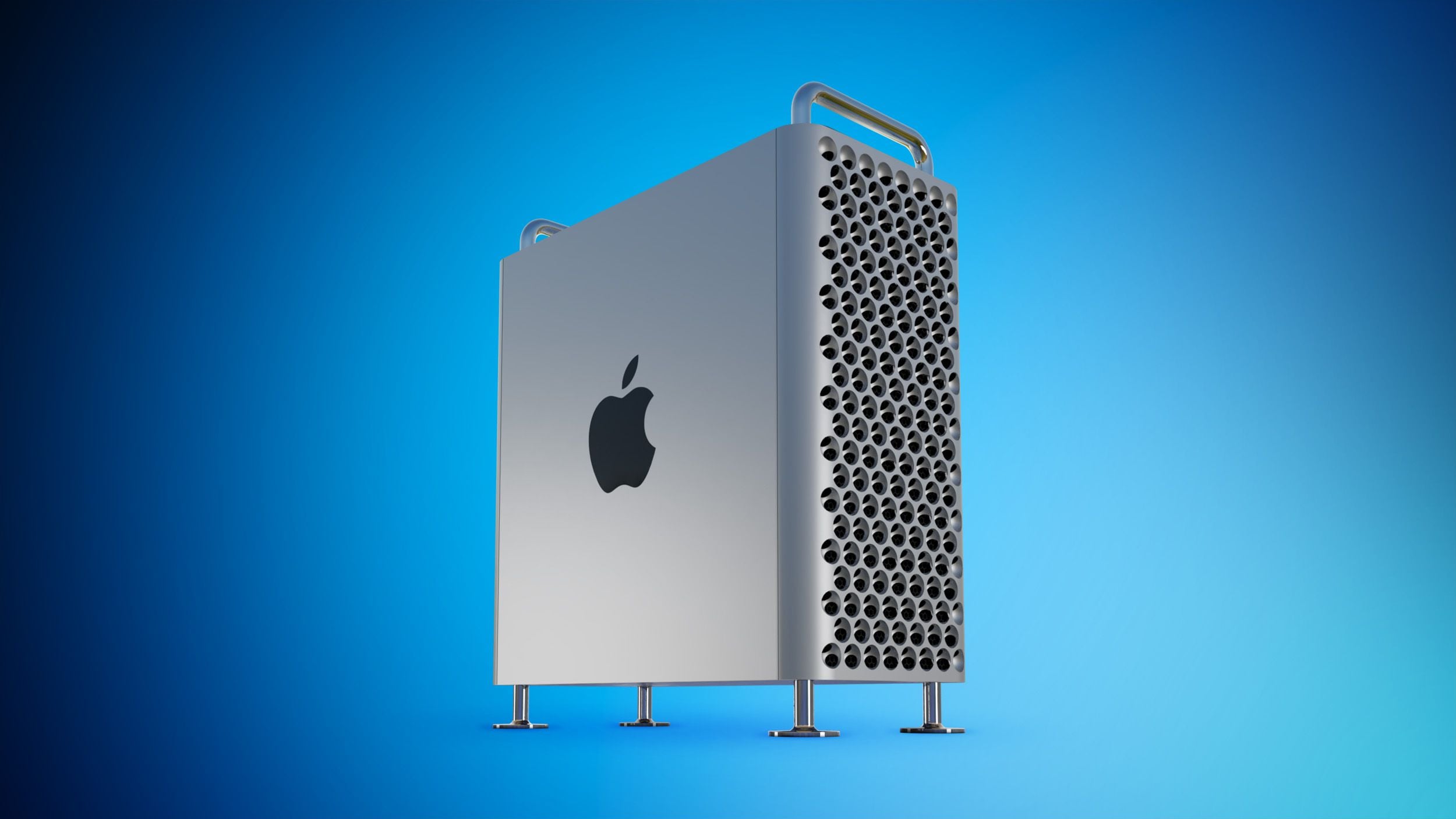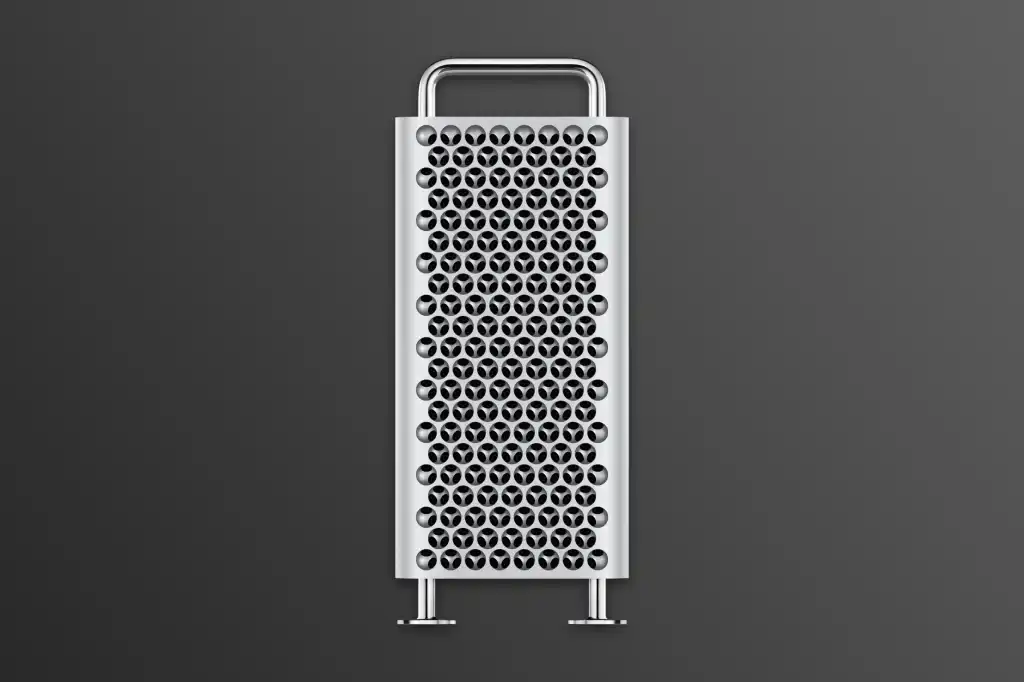
Apple has not updated the Mac Pro since 2023 and is unlikely to do so in 2026, favoring the Mac Studio with its newer M3 Ultra chip and expanded capabilities. The Mac Studio is increasingly replacing the Mac Pro for most users, with only high-end professionals needing the expansion slots offered by the Mac Pro. Apple seems to be shifting focus away from the Mac Pro line, possibly discontinuing it in the future, while continuing to sell the current M2 Ultra version.
A leak at Serpent Lake has revealed details of a new Intel-Nvidia chip resulting from their $5 billion partnership, marking a significant development in the tech industry.
Wolfspeed has successfully exited Chapter 11 bankruptcy after reducing its debt by 70% and lowering interest expenses, with its stock rising 26% following the news. The company maintains strong liquidity and has issued new shares, diluting existing shareholders, as it continues to focus on its silicon carbide chip business and operational stability.
Qualcomm's stock declined despite unveiling a new 'unmatchable' PC chip, indicating market skepticism or other underlying factors affecting investor confidence.
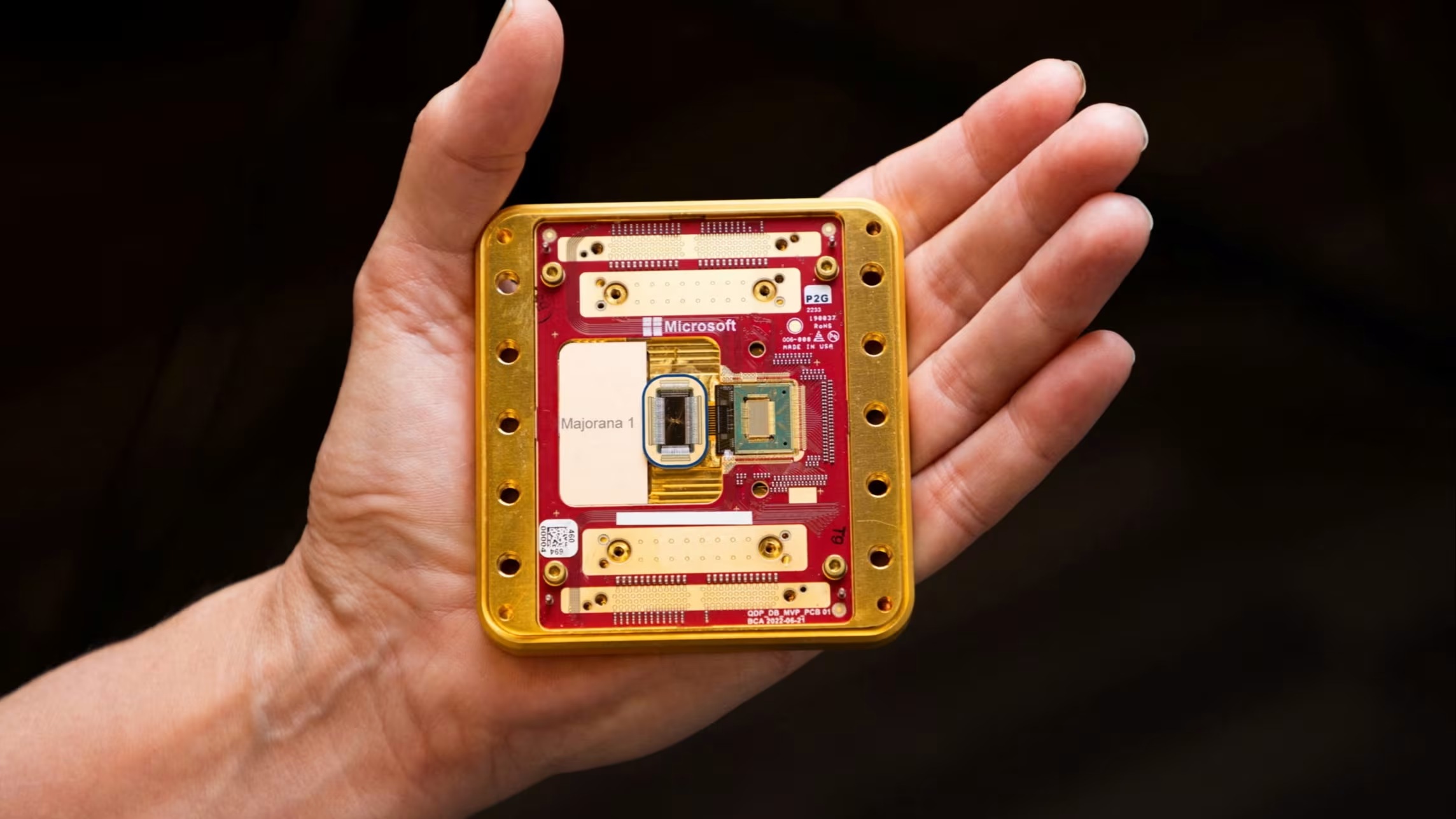
Australia is establishing itself as a significant player in quantum computing, notably contributing to a Microsoft chip project, highlighting its growing role in advanced technology development.
Apple is reportedly developing an M4 Ultra chip for a new high-end Mac Pro, with internal code references confirming its existence, though no official release date has been announced. The chip is expected to be a successor to the M2 Ultra, featuring significant performance improvements, and could be released during the M5 cycle.
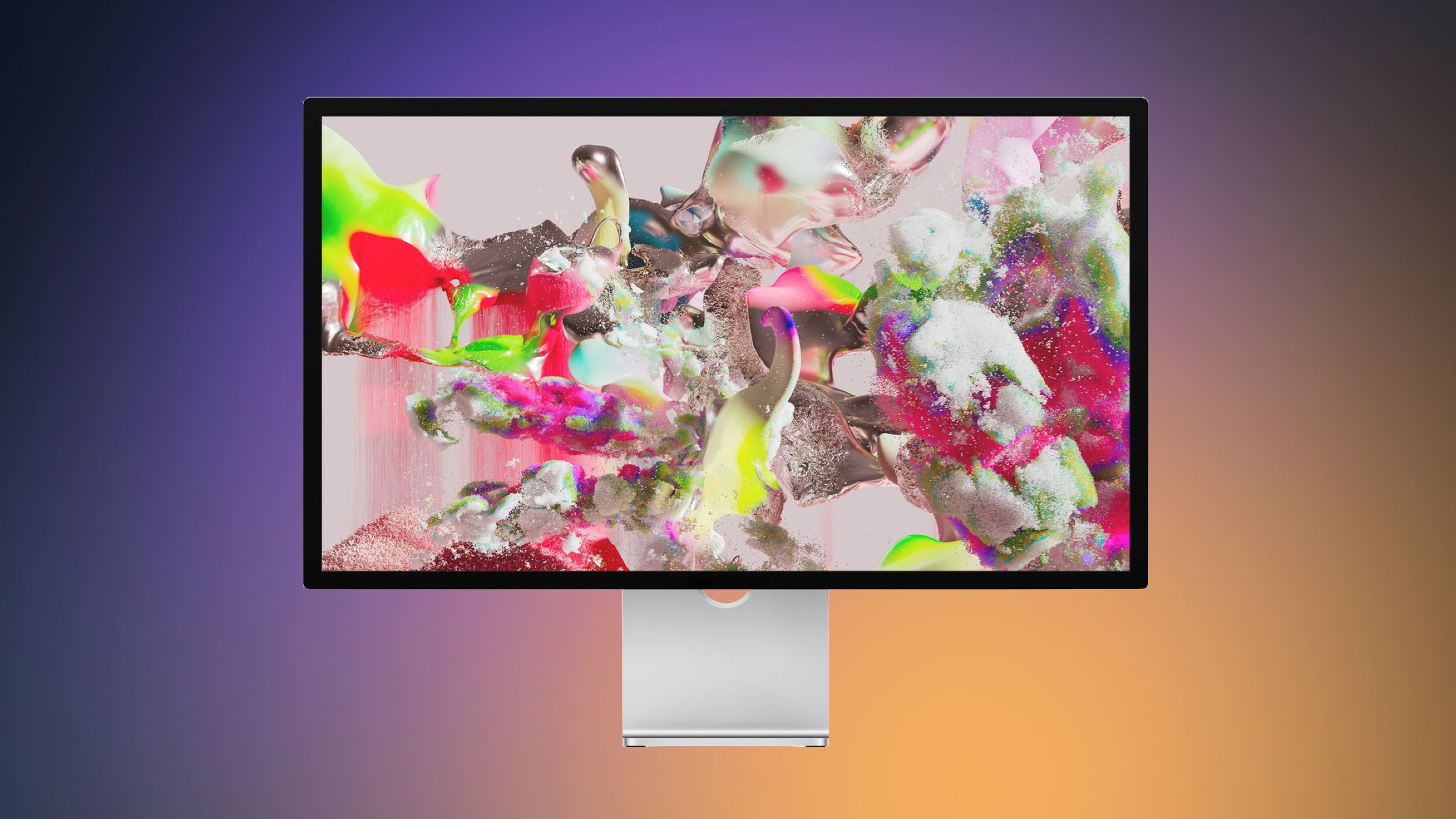
Apple is expected to introduce the 'A19 Pro' chip with the upcoming Studio Display 2, indicating a focus on enhanced performance and features for their display products.
Google has launched its sixth-generation AI chip, Trillium, which significantly boosts AI training performance by four times compared to its predecessor while enhancing energy efficiency. This chip powered the training of Google's Gemini 2.0 AI model and is part of a massive deployment involving over 100,000 chips, forming one of the world's most powerful AI supercomputers. Trillium's cost efficiency and performance improvements could reshape AI development economics, challenging Nvidia's dominance in AI hardware and positioning Google as a key player in the AI infrastructure market.
Researchers at Tsinghua University in China have created a groundbreaking AI chip called "Taichi" that utilizes light instead of electricity for data processing, making it over 1,000 times more energy-efficient than Nvidia's H100 GPU chip and particularly significant in light of export restrictions to China.
Intel's CEO Patrick Gelsinger makes bold claims for the new chip at the Intel Ocotillo Campus in Chandler, Arizona, while CNBC's Investing Club discusses bad calls on Wells Fargo and Freeport-McMoRan in their Homestretch update.
Groq, an AI chip company, is making waves with its lightning-fast Language Processing Units (LPUs) that outperform Nvidia's GPUs in running AI models. The company's demos show significant speed improvements for AI chatbots like ChatGPT and Gemini, potentially enabling real-time, natural conversations. Founded by a former Google AI chip division co-founder, Groq's LPUs address bottlenecks in compute density and memory bandwidth, offering a promising leap forward in AI chip technology. Despite the buzz, questions remain about scalability compared to industry standards, but Groq's advancements could revolutionize real-time communication with AI chatbots.
University of Pennsylvania engineers have developed a new silicon-photonic chip that uses light waves instead of electricity to perform complex mathematical computations essential for training AI, potentially revolutionizing computer processing speed and energy consumption. The chip's design combines nanoscale manipulation of materials with silicon, enabling it to perform vector-matrix multiplication at the speed of light. This breakthrough could lead to faster AI training and classification, reduced energy consumption, and enhanced privacy due to the elimination of the need for storing sensitive information in a computer's working memory.
The Biden-Harris administration has released new data showing the impact of state policy choices on children's enrollment in Medicaid and the Children's Health Insurance Program (CHIP). States that have implemented federal strategies and prioritized auto-renewals have been more successful in renewing eligible children's coverage. The data also highlights that failure to expand Medicaid has led to higher disenrollment rates in certain states. The administration has extended federal flexibilities to states until the end of 2024 and called on nine states with the highest child disenrollment rates to adopt additional strategies to protect children's coverage. Secretary Becerra urged these states to remove barriers, reduce call center wait times, and expand Medicaid programs.