Tag

Dna Research

All articles tagged with #dna research

science1 year ago

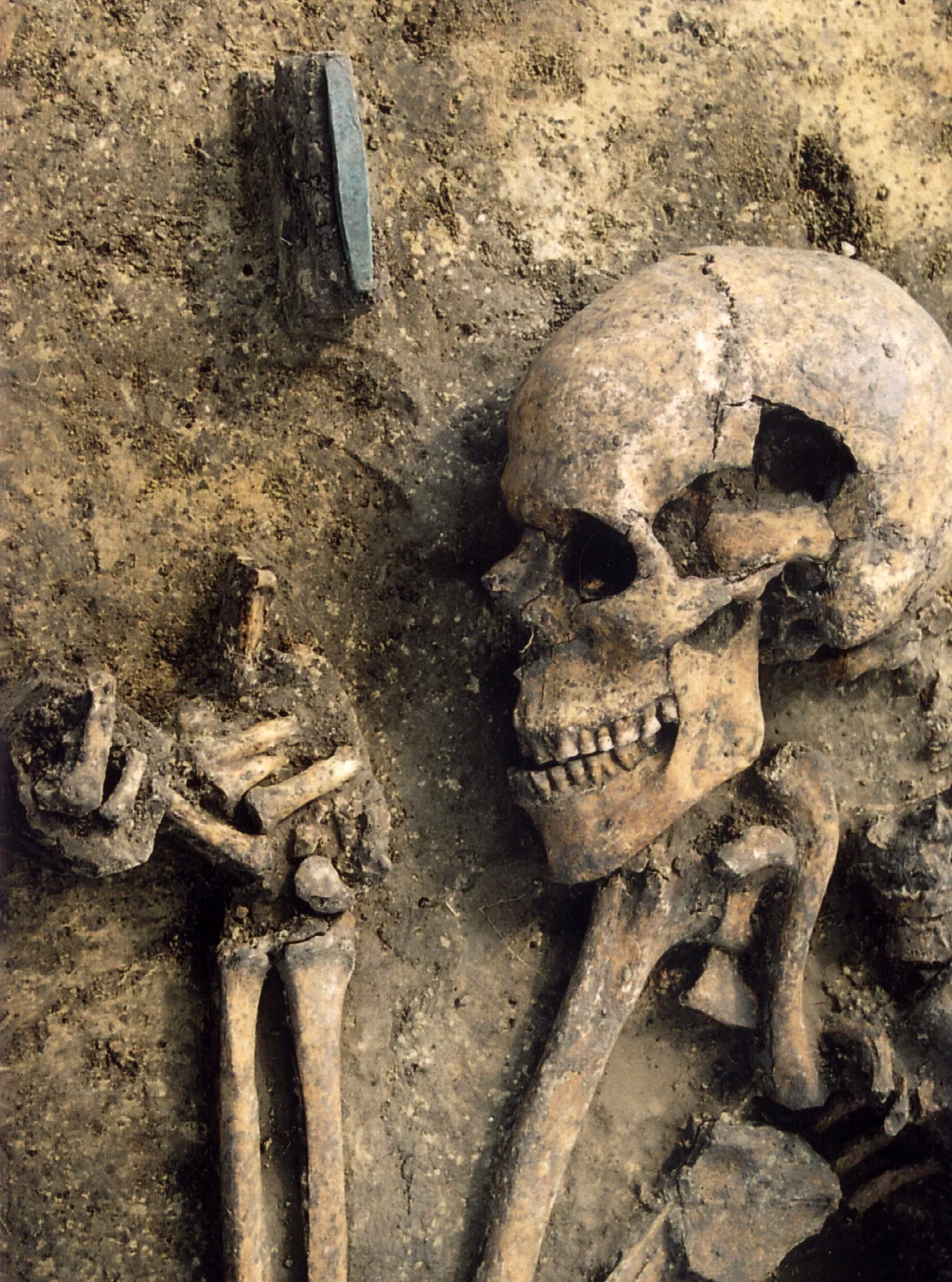
Neanderthal-Human Interbreeding Shaped Early Human Survival and Migration

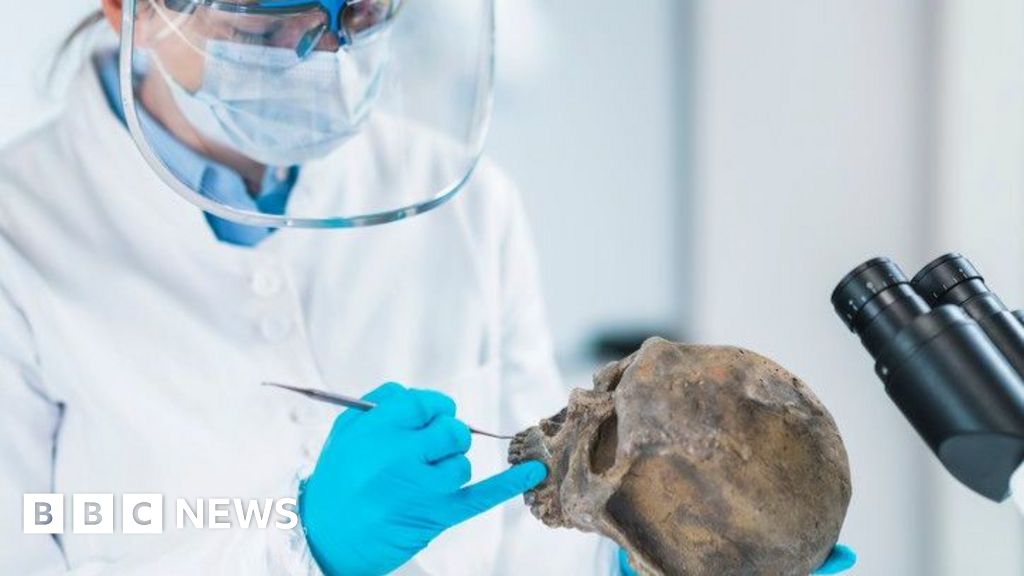
New DNA research reveals that modern humans may owe their survival to interbreeding with Neanderthals, which provided crucial genetic advantages, such as enhanced immune systems, necessary for thriving outside Africa. This challenges the traditional narrative of human evolution as a straightforward success story, showing that early human populations often went extinct before those with Neanderthal genes expanded globally. The findings also suggest that environmental factors, rather than human superiority, contributed to the extinction of Neanderthals.
science-and-technology1 year ago

"Breakthrough: Creating Human Artificial Chromosomes with Reduced Multimerization"

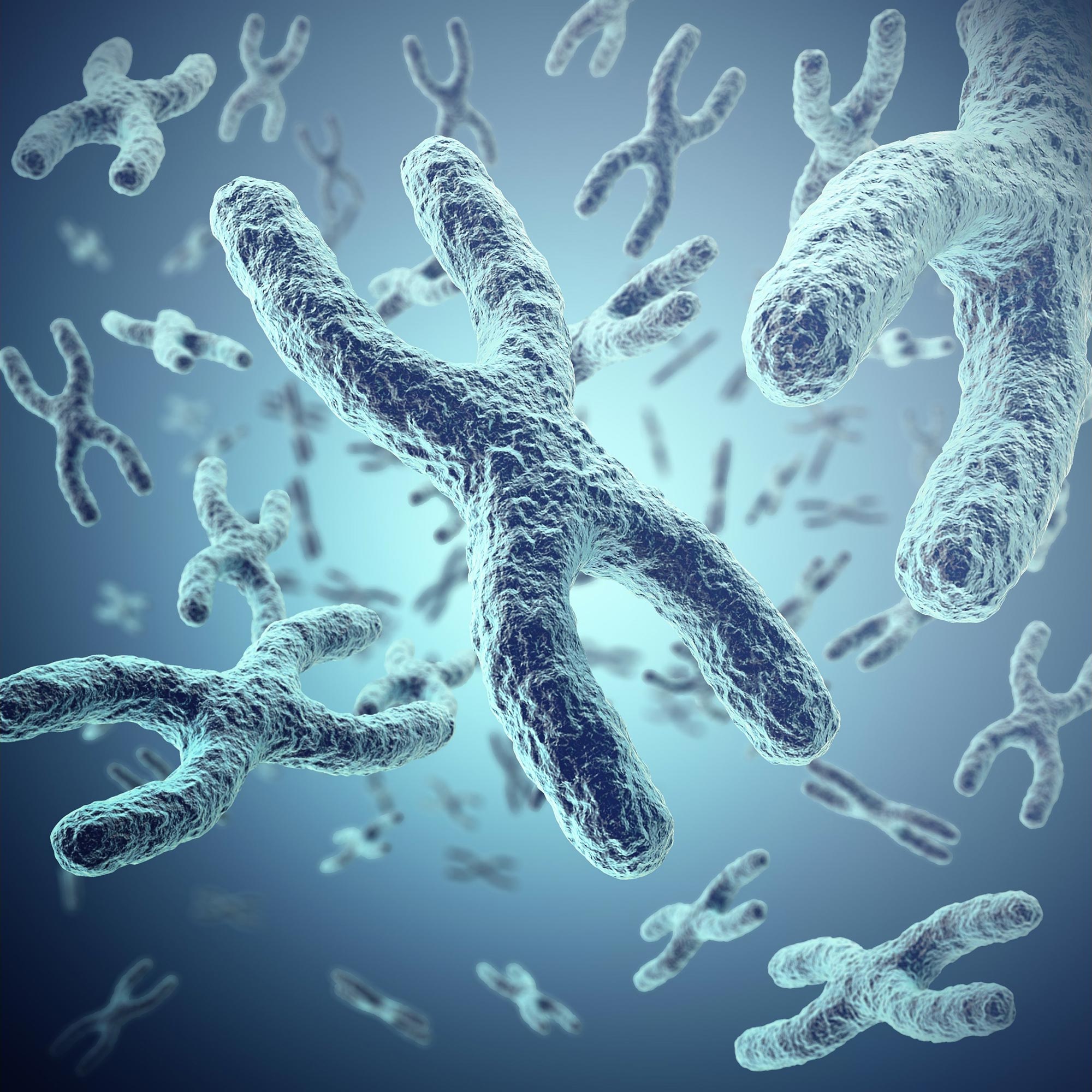
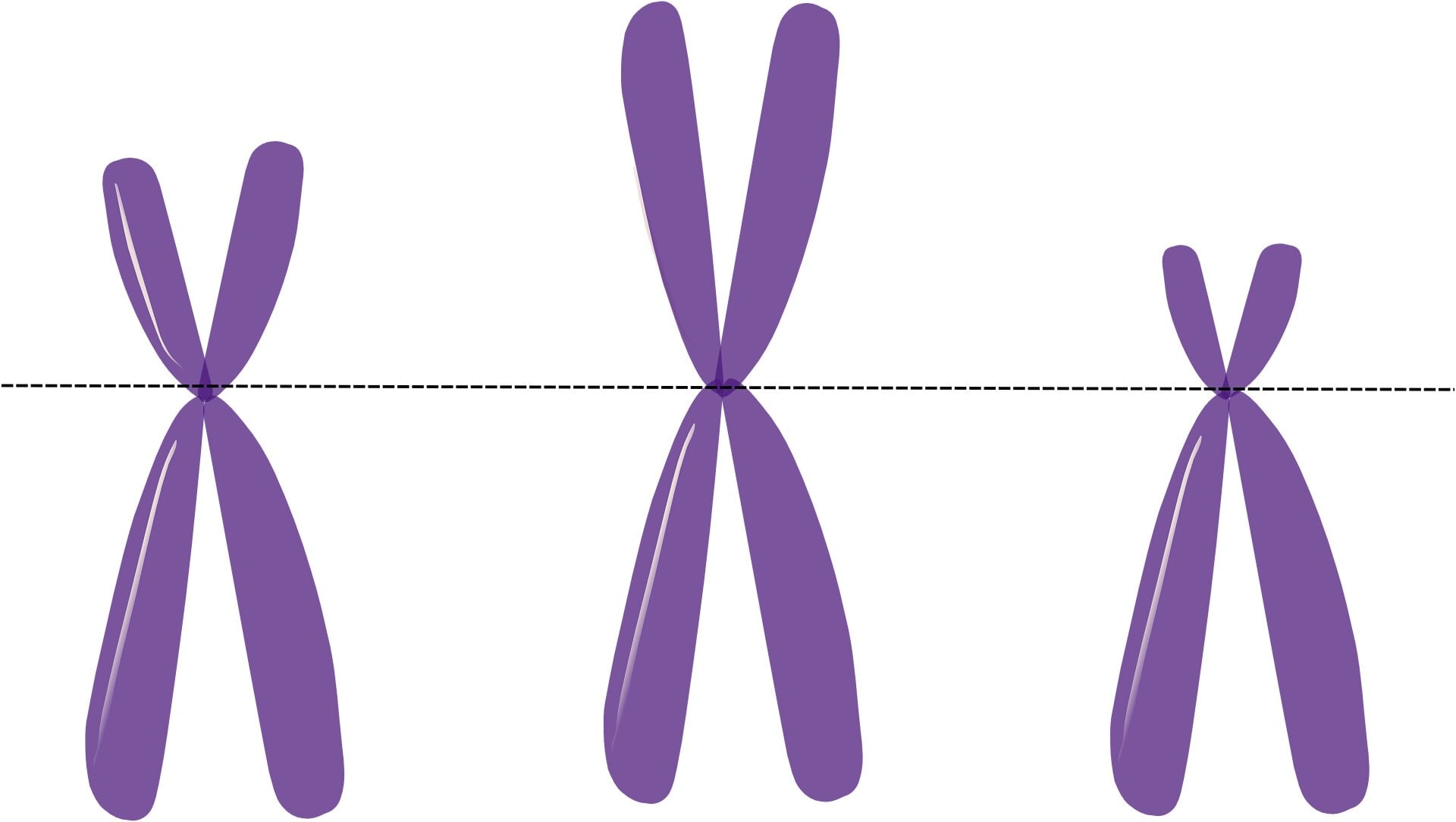
Researchers at the University of Pennsylvania have developed a new method for constructing human artificial chromosomes (HACs) that promises to revolutionize gene therapy and biotechnology. This breakthrough technique bypasses common technical challenges, allowing for the efficient creation of HACs from single, long constructs of designer DNA. The innovation could significantly impact gene therapy, DNA research, and biotechnology, offering a reliable alternative to current gene delivery systems and broadening the potential for genetic engineering across various fields.

science-and-technology1 year ago

"Developing a Groundbreaking Method for Constructing Human Artificial Chromosomes"

Scientists at the Perelman School of Medicine at the University of Pennsylvania have developed an efficient technique for creating human artificial chromosomes (HACs) using single, long constructs of designer DNA, bypassing previous technical obstacles. This breakthrough could accelerate gene therapy advancements, including cancer treatments, and enhance laboratory research. The new method allows for quicker and more precise crafting of HACs, potentially leading to better engineered cell therapies for diseases like cancer without altering natural chromosomes in the cell.

science-and-technology1 year ago

"Developing a Breakthrough Method for Constructing Human Artificial Chromosomes"

Researchers at the Perelman School of Medicine at the University of Pennsylvania have developed a novel technique for creating human artificial chromosomes (HACs) that bypasses previous technical obstacles. This breakthrough method involves crafting HACs from single, long constructs of designer DNA, allowing for quicker and more precise formation of HACs. The potential applications of this technique include advanced gene therapies for diseases like cancer and large-scale genetic engineering of cells for biotechnology. The study, published in Science, demonstrates the efficiency of the new method and its potential for improving engineered cell therapies.

nature2 years ago

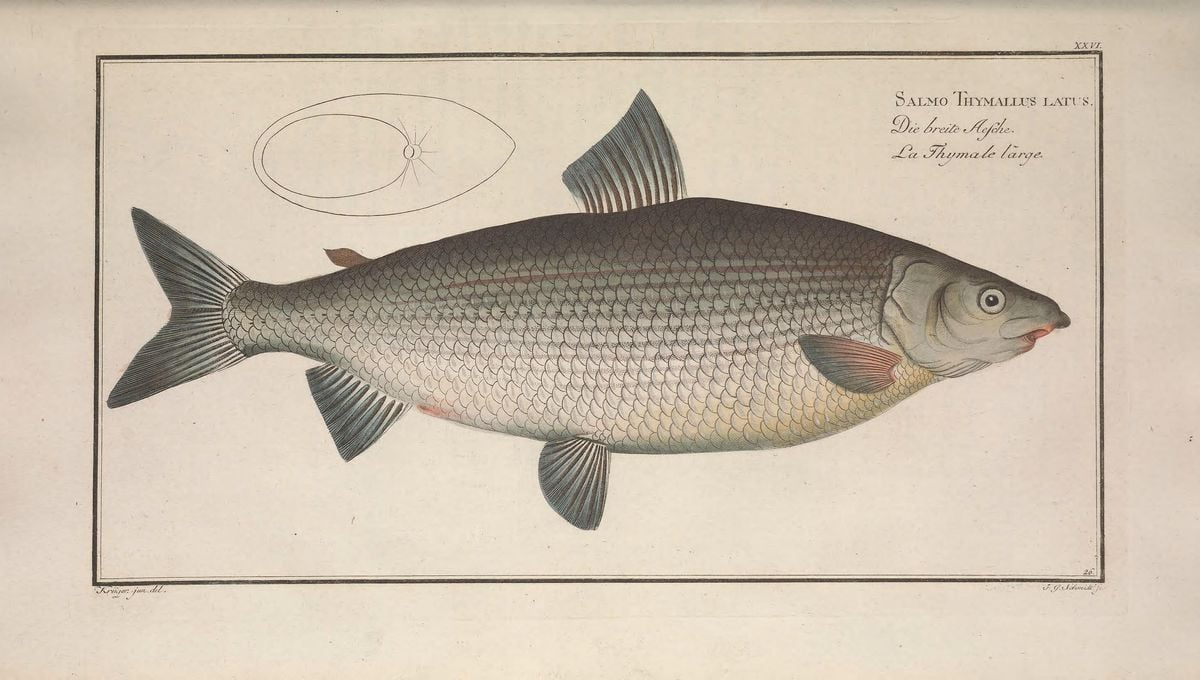
"Rediscovered: Thought-to-be Extinct Fish Species Flourishes in Surprise DNA Find"

The houting, a fish species that was officially declared extinct in 2008, has been found to be alive and thriving. Previous confusion over its classification led to the mistaken belief that it was a separate species of European whitefish. However, DNA research from the University of Amsterdam and the Natural History Museum has shown that houting and European whitefish are actually the same group. The discovery highlights the need to update the official Latin name of the species and resolve the conflicting protected status of houting and European whitefish.

science-and-anthropology2 years ago

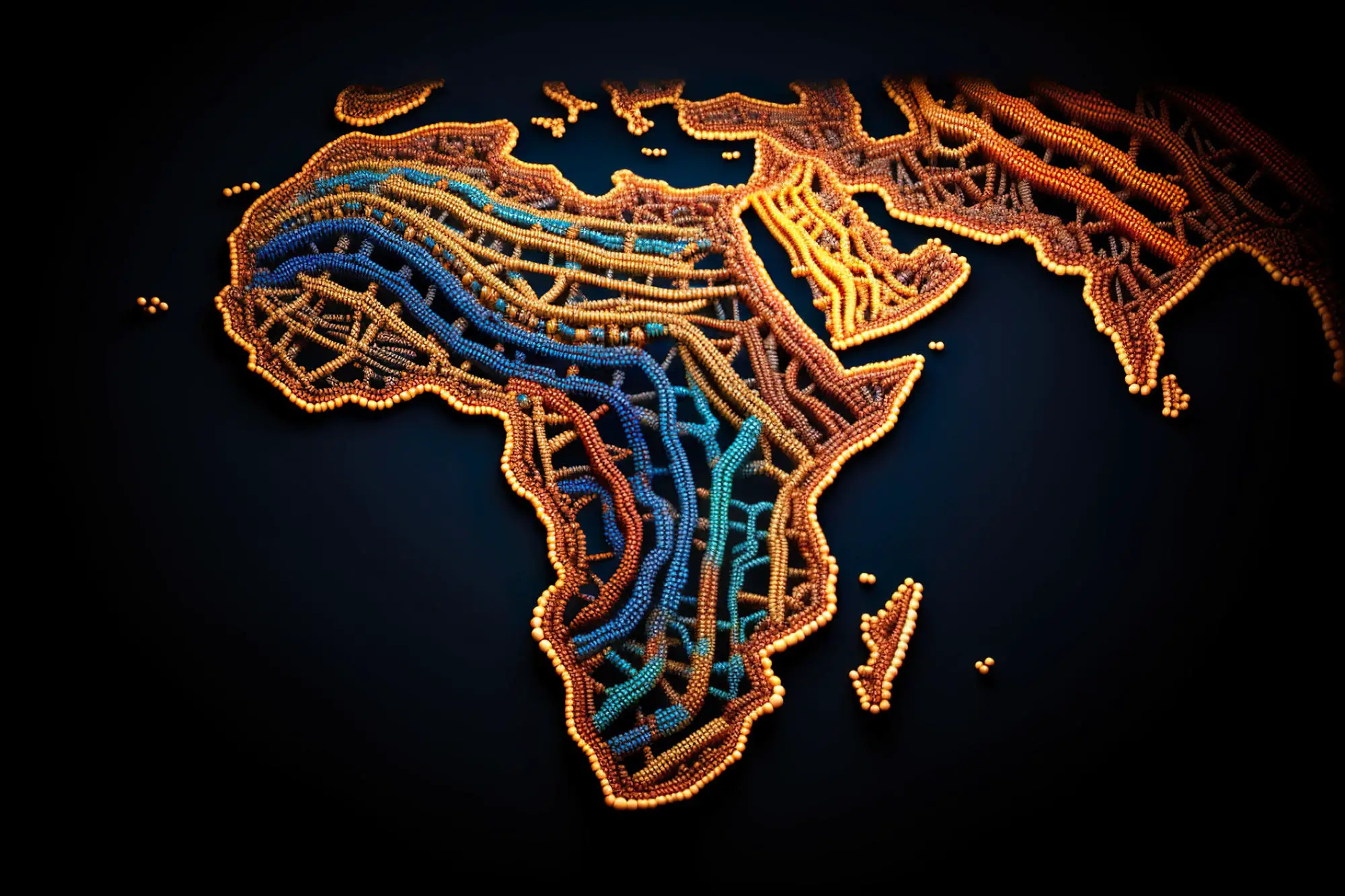
Unearthing Lost Human Lineages in Africa's Namib Desert

Researchers conducting DNA research in the Angolan Namib desert have discovered groups believed to have vanished 50 years ago, including the Kwepe community and the last speakers of the click-language Kwadi. The study reveals unique pre-Bantu ancestry found only in the Namib desert, shedding light on the complex histories of migrations and contacts in southern Africa. The research highlights the importance of modern DNA studies in understanding Africa's genetic framework and complements ancient DNA research in exploring the continent's deep genetic structure.

historycultural-heritage2 years ago

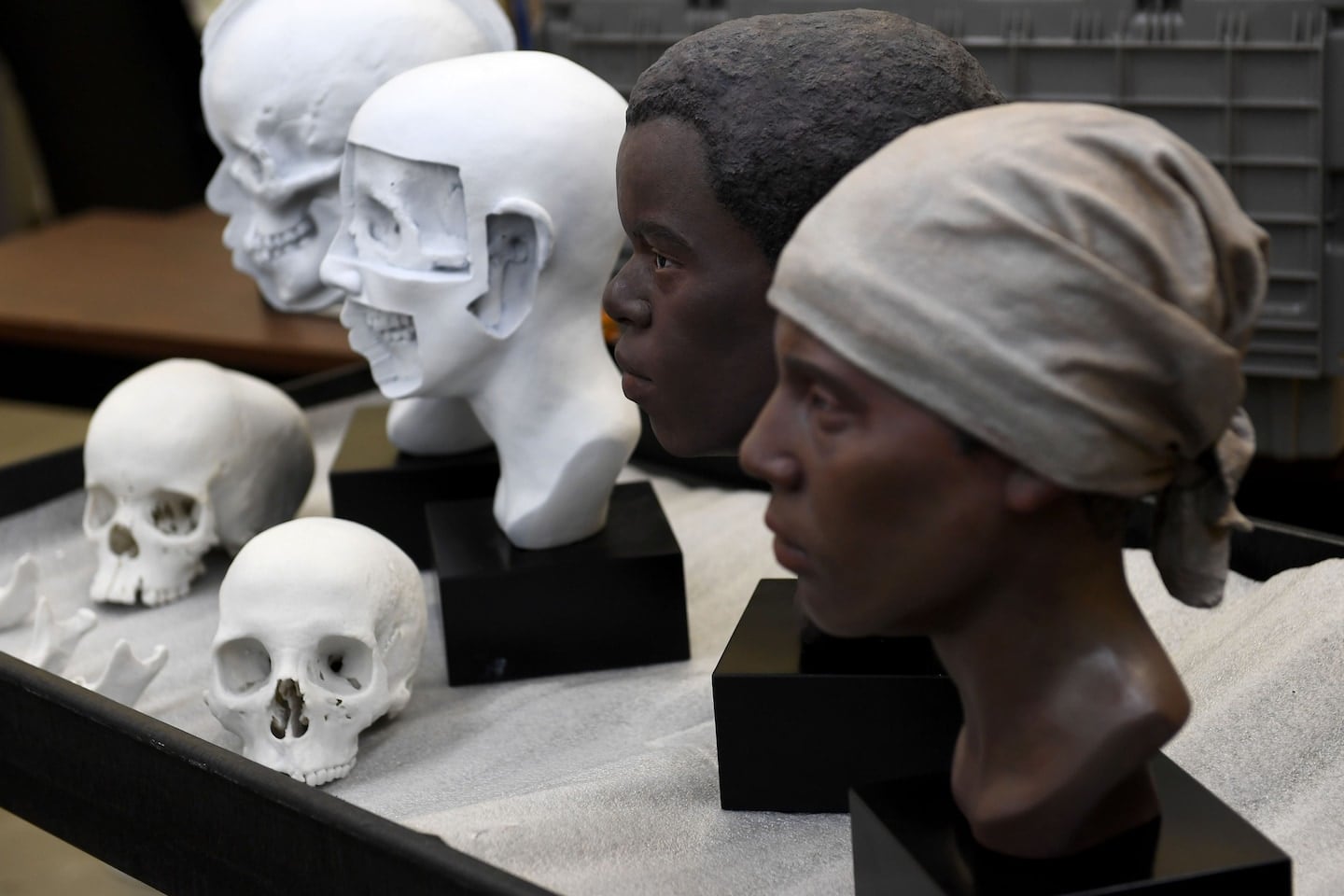
"Unearthing Connections: Ancient African American Cemetery Unveils 41,000 DNA Links to New 'Relatives'"

Scientists have discovered over 41,000 genetic "relatives" of 27 enslaved individuals buried in Maryland's Catoctin Furnace African American Cemetery. Using DNA obtained from the exhumed bones of the deceased, researchers compared it with the genetic database of 23andMe, resulting in the identification of thousands of potential relatives. This breakthrough research approach offers hope for African Americans seeking to uncover their ancestral history, which was often lost due to generations of enslavement. The study also revealed connections to African and European ancestry, shedding light on the complex heritage of the Catoctin individuals.

science2 years ago

"DNA Research Reveals Surprising Origins of Human Species"

New DNA research challenges previous theories of human evolution, suggesting that modern Homo sapiens arose from multiple genetically diverse populations across Africa rather than a single ancestral population. The earliest detectable split in early human populations occurred between 120,000 to 135,000 years ago, after long periods of genetic intermixing, and subsequent migrations created a weakly structured genetic stem. The research implies that contributions from archaic hominins were unlikely to have significantly affected Homo sapiens’ evolution.