A child undergoing experimental gene therapy with a new virus died shortly after the procedure, raising concerns about the safety of viral vectors used in brain gene therapies and potentially hindering progress in the field.
A scientist has discovered a common biochemical 'master switch' involving 4E-BP2 protein deamidation that links and could potentially cure Alzheimer's, Parkinson's, and other neurodegenerative diseases, opening new avenues for unified treatment and sustainable medicine.
Scientists have developed new gene delivery tools that can target and activate specific cell types in the brain and spinal cord, offering promising potential for targeted treatments of neurodegenerative diseases like ALS, Parkinson's, and Alzheimer's, as part of the NIH BRAIN initiative.
A WHO study reveals that 42.5% of the global population, around 3.4 billion people, have neurological disorders, with nervous system conditions being the leading cause of disability. The rise in brain diseases has been linked to an increase in premature deaths, particularly in third world countries with limited neurological healthcare facilities. The study lists the top 10 neurological illnesses, including diabetic neuropathy, which has seen a three-fold increase since 1990. COVID-19 has also been associated with long-term cognitive impairment and Guillain-Barré syndrome. Dr. David Merill emphasizes the importance of lifestyle-related behaviors in lowering the risk of developing chronic neurologic conditions.
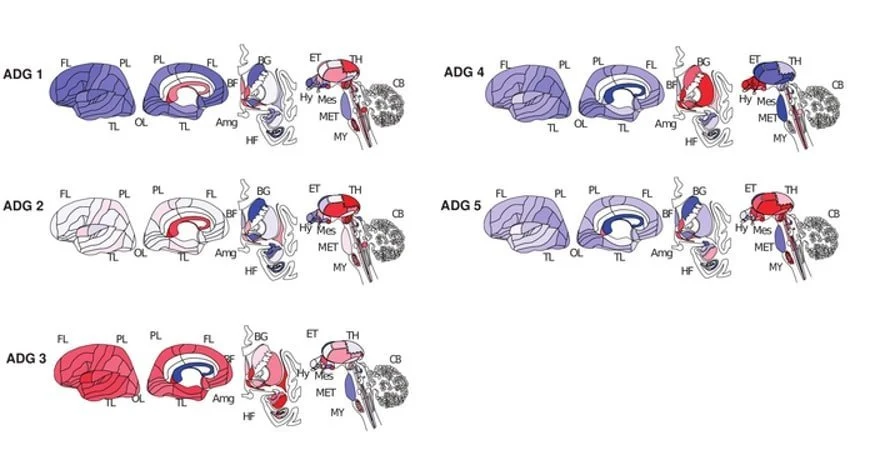
A new AI language model has linked clinical symptoms with brain tissue data from over 3,000 donors, offering a novel approach to understanding brain diseases and reducing misdiagnoses. The model identified 90 different symptoms across five domains and aims to create a molecular atlas of brain diseases, potentially leading to the development of targeted therapies and more accurate diagnoses during a patient’s lifetime. This research could significantly improve the understanding of neurodegenerative disorders and help identify associated molecular and cellular features.
Researchers at the University of Pennsylvania have introduced a groundbreaking method, cryo-electron tomography, to study the microscopic structures of the human brain, offering clearer images in a more native state without the use of chemicals or physical tissue cutting. This method promises to enhance our understanding of various brain diseases, including Alzheimer's and multiple sclerosis.
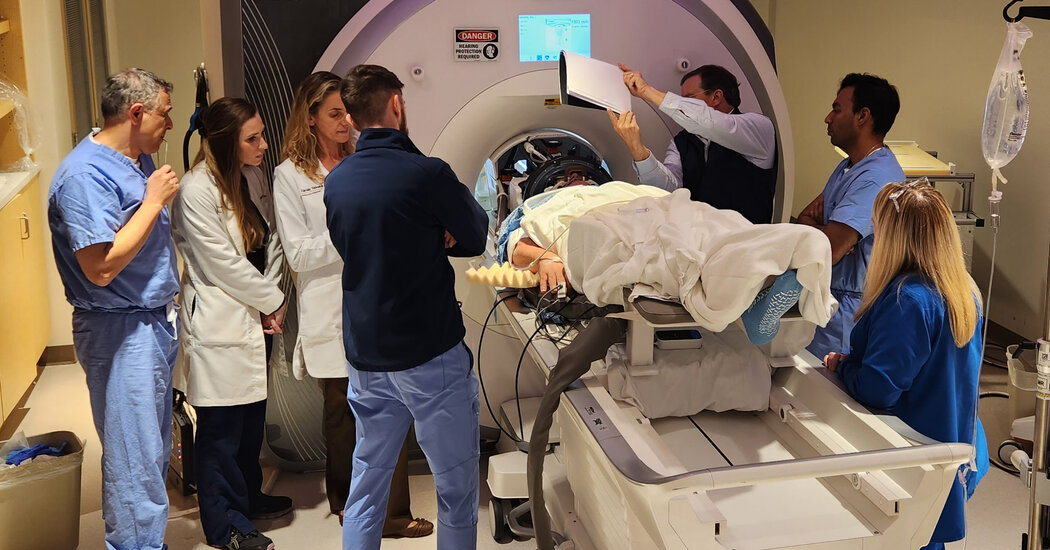
Researchers at the Rockefeller Neuroscience Institute at West Virginia University conducted a small study using focused ultrasound and tiny gas bubbles to temporarily open the blood-brain barrier in three patients with mild Alzheimer's. The study, published in The New England Journal of Medicine, showed a 32% increase in plaque dissolution when the barrier was opened. This innovative approach aims to improve drug delivery to the brain, addressing a major challenge in treating brain diseases such as Alzheimer's, cancer, and Parkinson's. While early results are promising, further research is needed to assess clinical outcomes and ensure safety.
Scientists have unveiled the most detailed and complex portrait of the human brain to date, cataloging over 3,000 types of brain cells that contribute to emotion, thought, memory, and disease. This work is part of the ongoing Brain Research Through Advancing Innovative Neurotechnologies (BRAIN) initiative, which aims to understand and map the human brain. The findings provide insights into the complexity of the brain, its cell types, and how they are combined, shedding light on cognitive abilities and the development of brain disorders. The research is an interim report, with further studies needed to understand brain circuits, changes over time, and neurological diseases.
Scientists from Imperial College London have developed a breakthrough ultrasound technique that could revolutionize the treatment of brain diseases such as Alzheimer's and delay aging. By combining ultrasound and bubbles, the researchers were able to temporarily open the blood-brain barrier (BBB) and deliver a wide range of drugs to the brain. The method has shown promising results in reducing Alzheimer's plaques by 50% in just two months. The technique could make existing medicines more effective, reintroduce failed drugs, and inspire the development of new drugs. Clinical trials are underway, and the method could reach patients within the next five to ten years. In the future, the technique could even be used to delay aging by stimulating the brain's immune cells to prevent the formation of diseases like Alzheimer's and tumors.
Loss of smell, known as hyposmia, has emerged as an early indicator of neurodegenerative disorders such as Parkinson's disease and Alzheimer's disease. Researchers are exploring the use of smell tests as a diagnostic tool for these diseases, as well as Huntington's disease, multiple sclerosis, and mild cognitive impairment. The sense of smell is closely connected to brain health, as the olfactory bulb at the base of the brain is the first sensory structure that comes into contact with sensory stimuli and environmental pathogens. Smell dysfunction is also associated with certain psychiatric diseases. Additionally, smell is a marker of overall health and mortality risk.
Researchers have developed a noninvasive, nonpharmaceutical method to enhance the glymphatic transport in the brain, known as focused ultrasound combined with circulating microbubbles (FUSMB), which amplifies the effects of ultrasound waves on blood vessels, facilitating the removal of metabolic waste and distribution of nutrients. This breakthrough could open new avenues for studying brain diseases and functions. It also holds promise in mitigating neurodegenerative diseases like Alzheimer’s and Parkinson’s by enhancing waste clearance in the brain.
Analyzing the gene activity map or transcriptome of different brain diseases can help identify underlying mechanisms and comorbidity. The method could also uncover new relationships among diseases and improve treatment options. Researchers at McGill University have found that comparing the transcriptomes related to different brain diseases can help understand the mechanisms underlying the diseases and classify them into five primary groups based on where disease-risk genes were active in the brain and in which cell types. This method could be used for more accurate early diagnoses and potentially identify novel disease relationships.