The U.S. Department of Education and Health and Human Services found that Minnesota violated Title IX by allowing males to compete in female sports and access female facilities, leading to a proposed resolution requiring policy changes and apologies to affected female athletes.
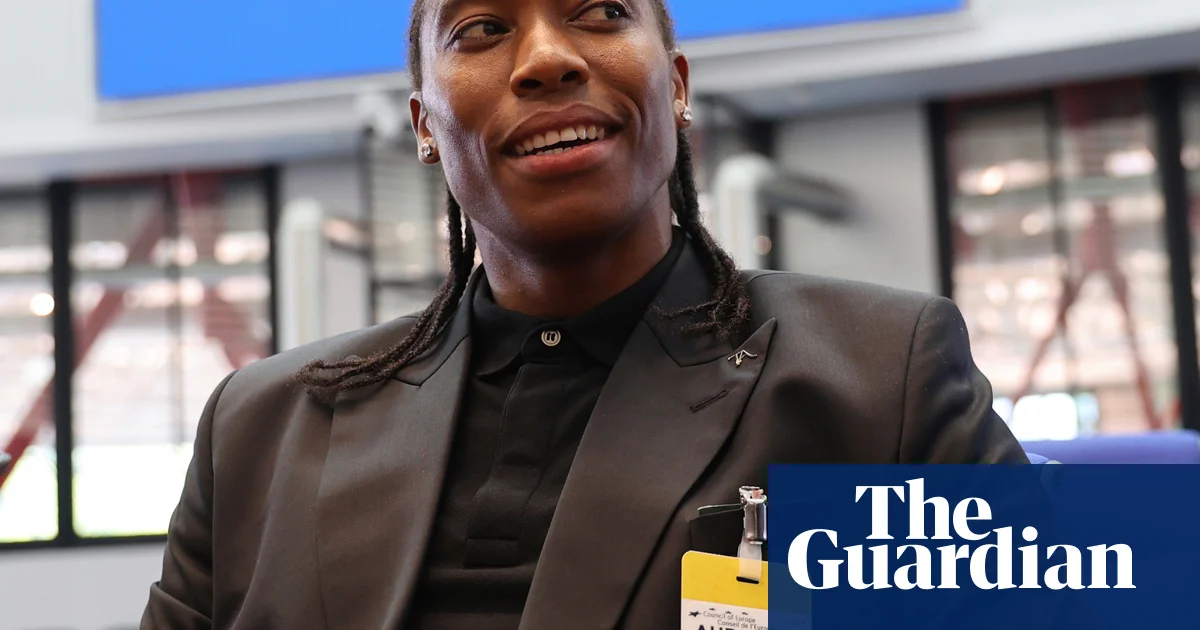
Caster Semenya, a South African runner and Olympic gold medalist, celebrated a European court ruling that recognized her case as requiring rigorous judicial review, highlighting her fight against policies requiring her to lower testosterone levels to compete in women's sports. The court's decision, which does not change current rules but orders a review, marks a partial victory and underscores ongoing debates about gender, fairness, and human rights in athletics.
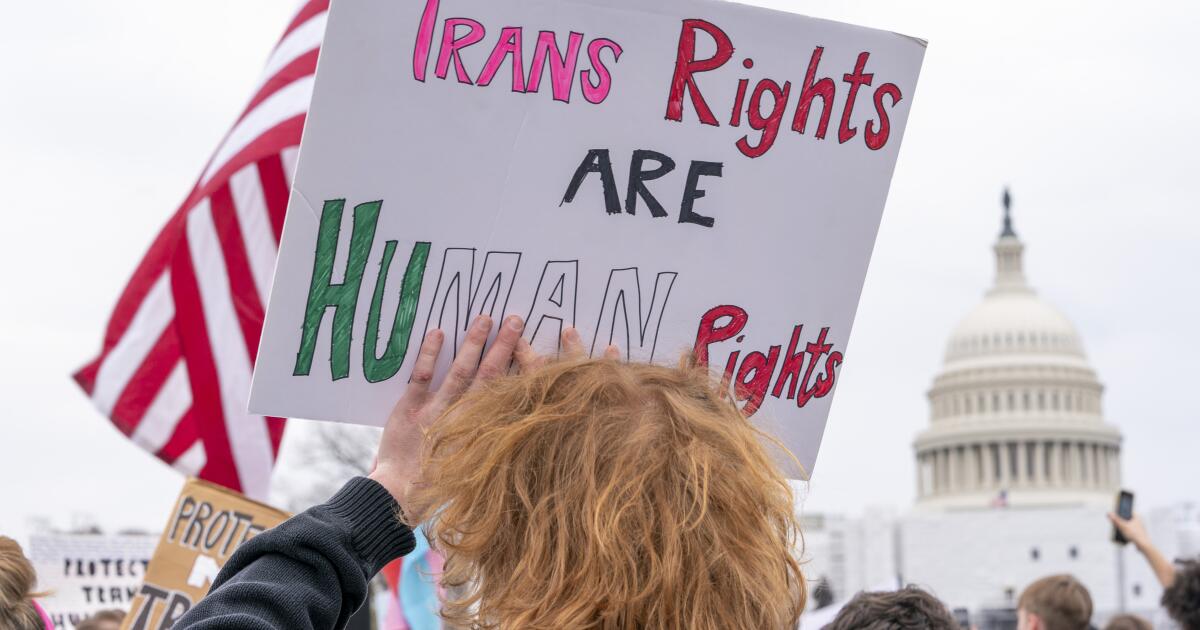
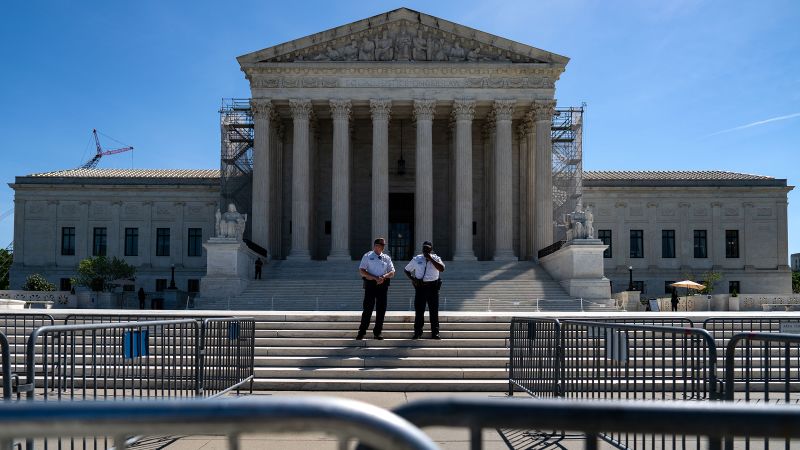
The U.S. Supreme Court will decide whether federal law, specifically Title IX, prohibits transgender girls from participating in women's sports teams, amid ongoing legal battles and political debates over gender identity and sports participation rights.
The U.S. Department of Education announced that the University of Pennsylvania has entered into a resolution agreement to address violations of Title IX, specifically related to allowing a male athlete to compete in female sports and access female-only facilities, with commitments to restore records, issue public statements, and uphold sex-based definitions in line with federal guidance.
Disney has agreed to pay $43.25 million to settle a pay equity class-action lawsuit involving up to 14,000 female employees, addressing claims of gender-based pay disparities. The settlement, which is significantly less than the potential $300 million liability, includes Disney's commitment to work with outside consultants to improve pay equality practices. The final approval of the settlement is expected in January 2025. The lawsuit, filed in 2019, accused Disney of violating California's Equal Pay Act by paying men more than women for the same work.
The Supreme Court unanimously ruled in favor of a female police sergeant in St. Louis, making it easier for workers to pursue employment discrimination claims over job transfers. The decision clarifies that employees only need to show some harm from a forced transfer, rather than a "significant disadvantage," to prevail in court. This ruling is expected to lower the bar for employees to proceed with discrimination claims and could lead to an increase in reverse discrimination claims against workplace diversity programs. The case has been sent back to the lower courts for additional proceedings that account for the high court's ruling.
The Supreme Court ruled in favor of making it easier for employees to sue employers for discrimination when they are involuntarily transferred. The decision, written by Justice Elena Kagan, supported a St. Louis police sergeant's claim of gender discrimination after being forced to transfer out of an intelligence division. The ruling clarified that an employee need not show a "materially significant" disadvantage to sue for discrimination, and the case will continue in a lower federal court. Conservative Justices Thomas, Alito, and Kavanaugh agreed with the outcome but questioned the court's rationale, with Alito describing the opinion as "unhelpful."
Recent events involving female university presidents being targeted for federal discrimination complaints and congressional hearings have raised concerns about a potential pattern of attacks on women leaders in academia. The majority of discrimination complaints were against universities led by women, despite only 30 percent of colleges and universities nationwide having female presidents. The recent summoning of four women presidents by Congress, under threat of subpoena, has sparked questions about the underlying agenda and potential gender bias in these actions.
A study involving over 2,000 women in professional roles found that women tend to "turn inward" and keep silent when they experience ambiguous workplace incidents that may be discriminatory. Researchers recommend that organizations develop processes to encourage employees to share their concerns, as ambiguous incidents happen more frequently than overt ones and can negatively impact workplace culture and performance. Creating transparent internal processes, cultivating an environment where employees feel comfortable sharing concerns, and seeking out supportive allies can help address gender discrimination.
Activision Blizzard has settled a gender discrimination lawsuit filed by California's Civil Rights Department for approximately $54 million. The lawsuit, filed in July 2021, alleged a culture of sexual harassment and gender-based discrimination at the gaming company. The settlement, subject to court approval, will provide direct relief to workers and cover litigation costs. The settlement agreement states that no court or independent investigation has substantiated the allegations of sexual harassment, and there is no evidence of wrongdoing by CEO Bobby Kotick. This settlement comes after Activision Blizzard's acquisition by Microsoft and a separate $18 million settlement with the US Equal Employment Opportunity Commission over similar allegations.
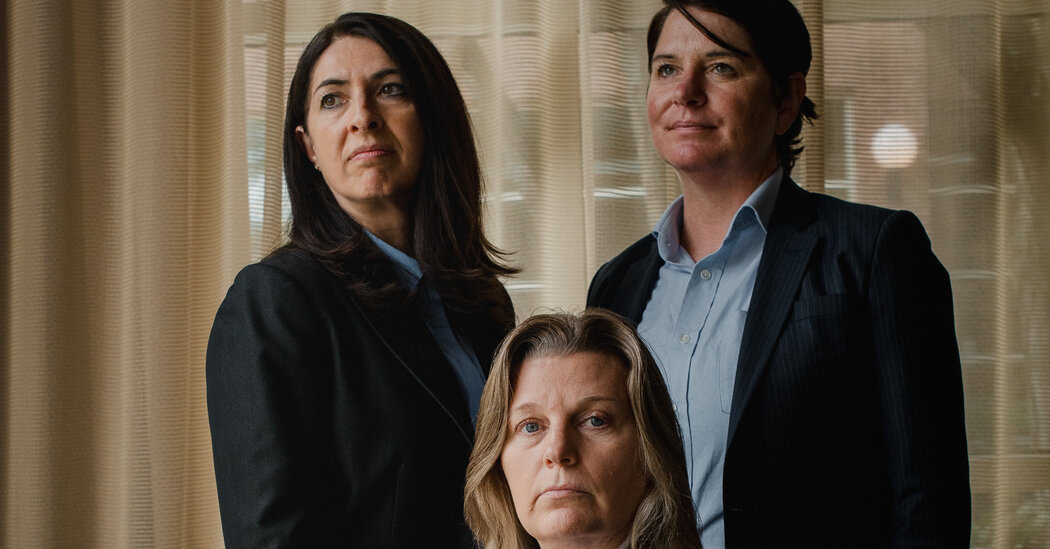
The New Jersey State Police is facing an investigation by the U.S. Justice Department over claims of gender and racial discrimination. Only 6% of the police force is made up of women, well below the national average for state police departments. Former female troopers have filed a lawsuit alleging gender bias that hinders women from being promoted to top command positions. The lawsuit is part of a larger pattern of discrimination claims made by women and minority officers. The Justice Department has requested documents and conducted interviews as part of their investigation.
Three Amazon employees have filed a lawsuit against the company, alleging gender discrimination and chronic pay inequity. The employees claim that Amazon assigns lower job titles and salaries to female staff members compared to their male counterparts in similar roles. They also accuse the company of failing to promote women, resulting in similar work being performed for less compensation. After raising their concerns, the employees were allegedly retaliated against through demotions and reduced job scopes. An investigation into the misclassification of employees based on gender was triggered. Amazon has denied the claims and stated that it investigates all reported incidents of discrimination.
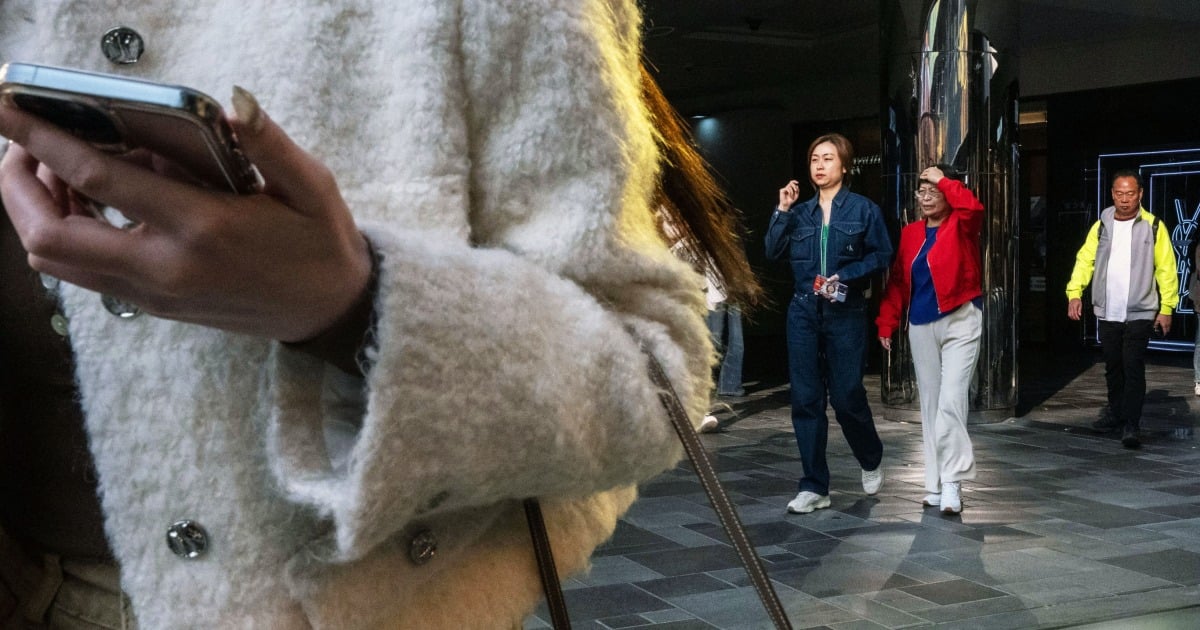
Feminist consumers in China are pushing back against the "pink tax," a phenomenon where goods and services marketed to women are priced higher than those marketed to men. The issue has gained traction on Chinese social platforms, with women sharing their experiences and rejecting higher prices. The pink tax extends beyond color and encompasses discrimination against female consumers, including the higher cost of menstrual products. Women in China are calling for tax relief on menstrual products, arguing that they should be considered basic necessities. The pushback coincides with the slower-than-expected recovery of China's economy after the pandemic, making consumers more conscious of their expenditures. Some consumers are boycotting retailers that charge women more, and there is a growing feminist movement in China as more women enter the workforce.
A jury has awarded Robert De Niro's former personal assistant $1.2 million after ruling that his company, Canal Productions, subjected her to workplace gender discrimination and retaliation. The jury found De Niro not personally liable for the discrimination or retaliation. The assistant alleged that De Niro created a hostile work environment, forced her to perform demeaning tasks, and subjected her to abusive outbursts and unwanted physical touching. De Niro had countersued, accusing her of misconduct. The jury ruled in favor of the assistant, awarding her four years' salary.
Robert De Niro's company, Canal Productions, has been ordered to pay $1.2 million to his former personal assistant, Graham Chase Robinson, after a jury found the company liable for gender discrimination and retaliation. Although De Niro was not personally held responsible, he admitted to berating Robinson during the trial. Robinson had accused De Niro of making sexist comments and conduct towards her. The legal battle began when Canal Productions filed a $6 million suit against Robinson, who responded with her own suit alleging violations of the New York City Human Rights Law.