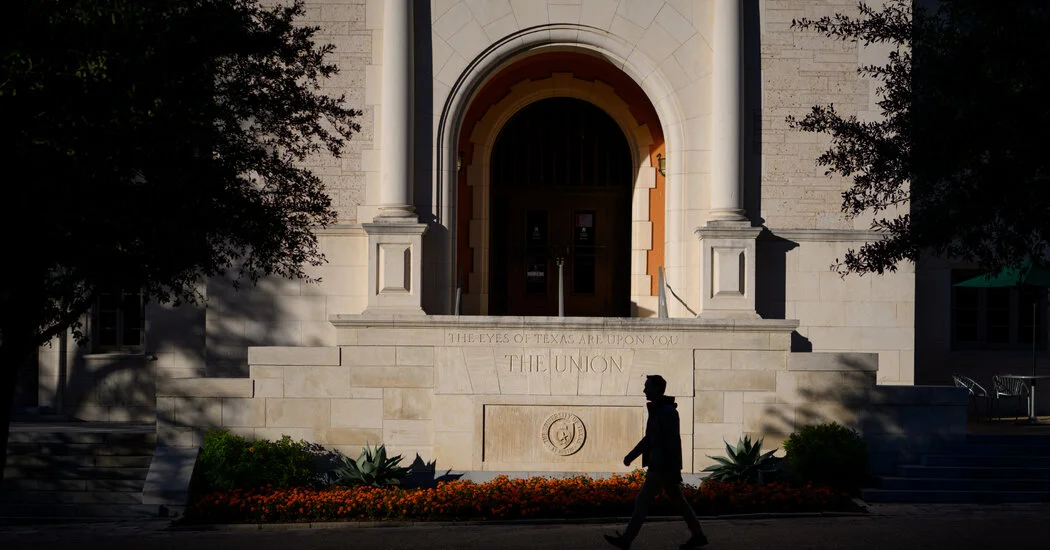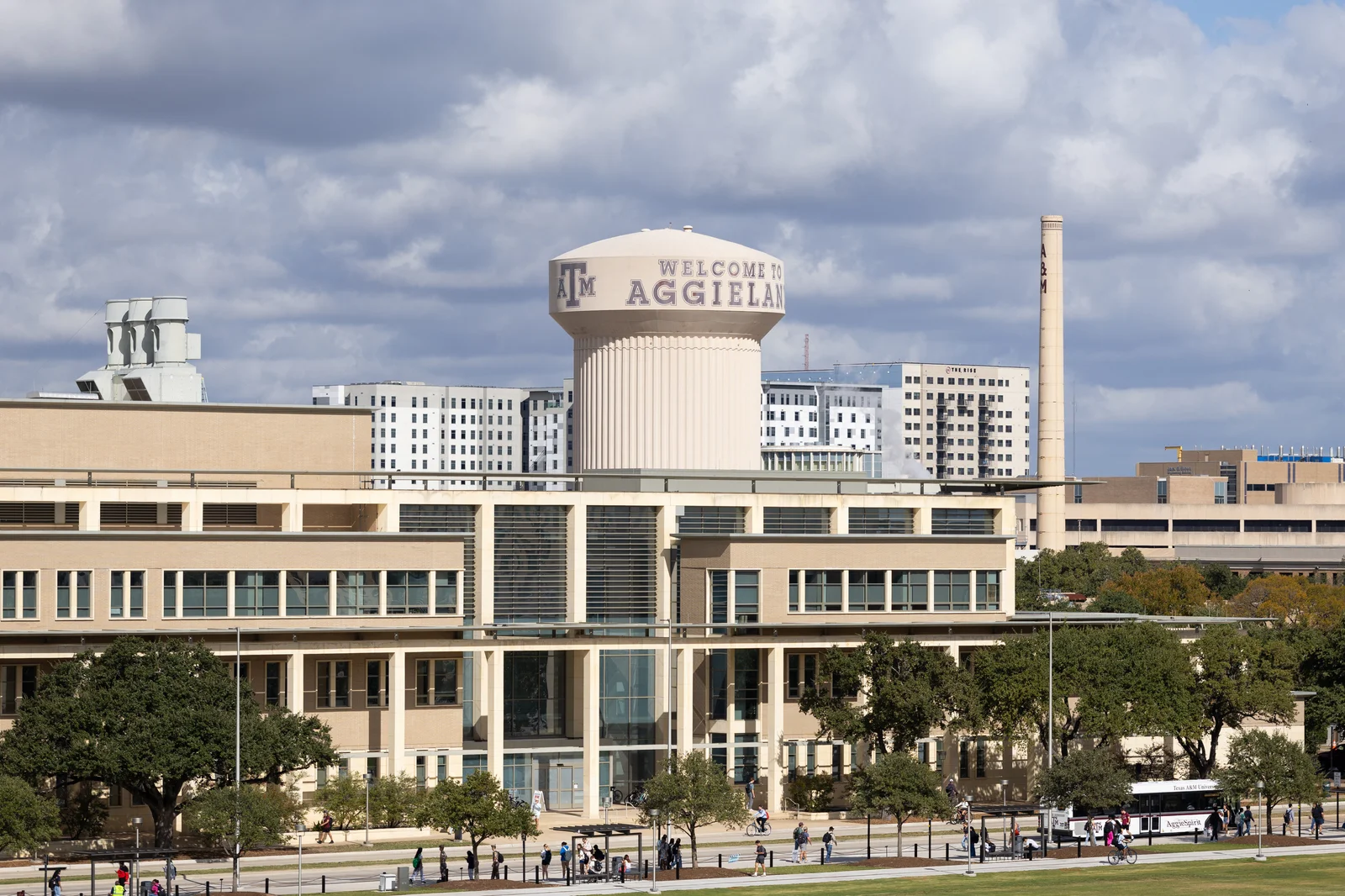
Texas A&M University is implementing new restrictions on discussing race, gender, and sexuality in courses, affecting around 200 classes, including cancellations and content revisions, amid political and social backlash.
Texas A&M University will not reinstate a lecturer fired after a viral video about gender identity, despite a faculty panel's finding that her dismissal was unjustified. The university system upheld her termination, citing 'good cause,' amid ongoing debates over academic freedom and curriculum restrictions related to gender and sexuality topics.
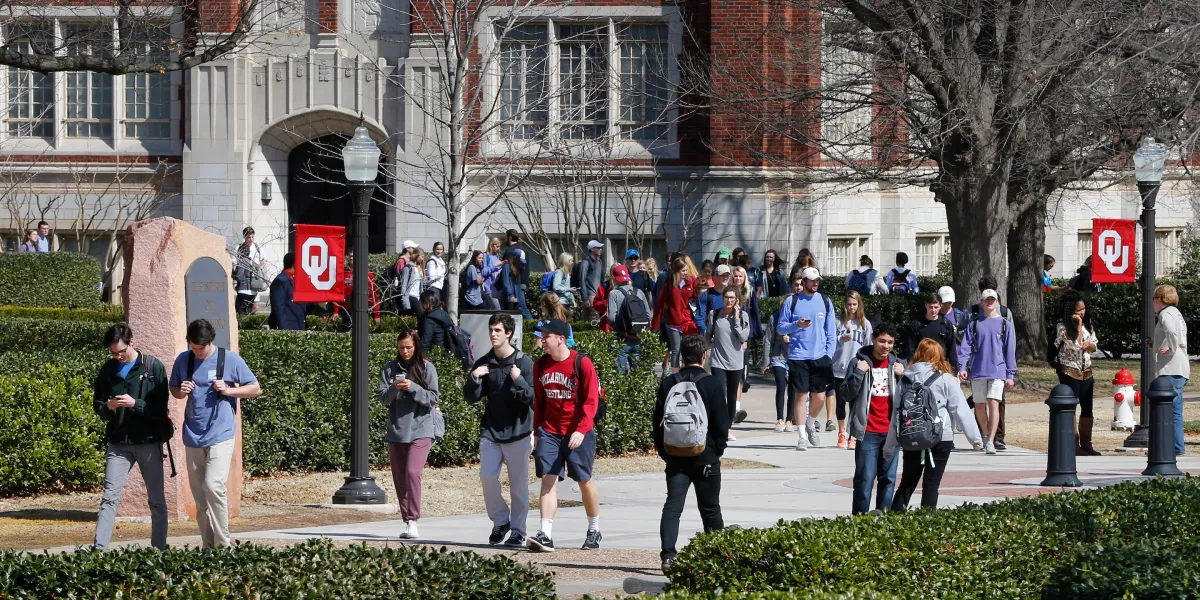
The University of Oklahoma removed a teaching assistant after a student accused her of religious discrimination for failing her gender-based essay that cited the Bible and opposed multiple genders, sparking debates over academic freedom and religious expression in education.
The University of Oklahoma fired a teaching assistant after she gave a student a failing grade for citing the Bible and expressing conservative Christian views on gender, sparking debates over academic freedom and religious expression on campus.
The University of Arizona has become the seventh US university to reject a Trump administration proposal that aimed to influence campus culture, hiring, and admissions practices through a 'Compact for Academic Excellence,' emphasizing principles like academic freedom and merit-based research, amidst broader resistance from several institutions.
The University of Arizona declined to sign a Trump administration proposal linking federal funding to adherence to certain policies, citing the importance of academic freedom, joining other elite institutions in opposition to the initiative.
The University of Virginia declined to join the federal Compact for Academic Excellence, citing concerns over research funding tied to contractual arrangements and emphasizing its commitment to merit-based assessment, academic freedom, and collaborative progress in higher education.
Several universities, including Penn and USC, are declining a Trump administration offer for federal funding that would impose restrictions on tuition, international student enrollment, and campus policies, citing concerns over academic freedom and government intrusion. The offer, known as the 'Compact for Academic Excellence,' has not been accepted by any institution, with some universities reviewing or providing feedback on it.
USC rejected the Trump administration's offer for preferential federal funding in exchange for adopting conservative policies, citing concerns over academic freedom and values, amid a significant budget shortfall and recent financial challenges.
The University of Southern California rejected the Trump administration's controversial education compact, citing concerns that tying research funding to conservative policies could undermine academic freedom and excellence. The compact, which has also been rejected by MIT and Brown, includes demands such as defining gender strictly, restricting foreign students, and promoting certain ideological views, prompting strong opposition from USC faculty and California officials.
Two universities, MIT and Brown, have declined a White House offer for expanded federal funding in exchange for agreeing to policy demands, citing concerns over academic freedom and institutional autonomy, amid ongoing tensions between higher education institutions and the Trump administration.
Brown University has rejected the Trump administration's proposed compact that would have required policy changes in exchange for federal funding advantages, citing concerns over academic freedom and institutional autonomy.
MIT rejected a Trump administration proposal that would impose policies on universities in exchange for federal funds, citing concerns over restrictions on free expression and independence, aligning with similar stances from other universities and state officials.
MIT rejected a Trump administration proposal called the 'compact,' which aimed to impose restrictions on universities, citing concerns over academic freedom and merit-based funding, and fearing retaliation such as loss of federal research grants.
Some Rutgers students petitioned to fire history professor Mark Bray over his book on antifa, citing concerns about violence and political bias. Bray has received threats and plans to relocate his family. The university and free speech advocates emphasize the importance of academic freedom and the right to discuss controversial ideas, despite protests and petitions from conservative groups.