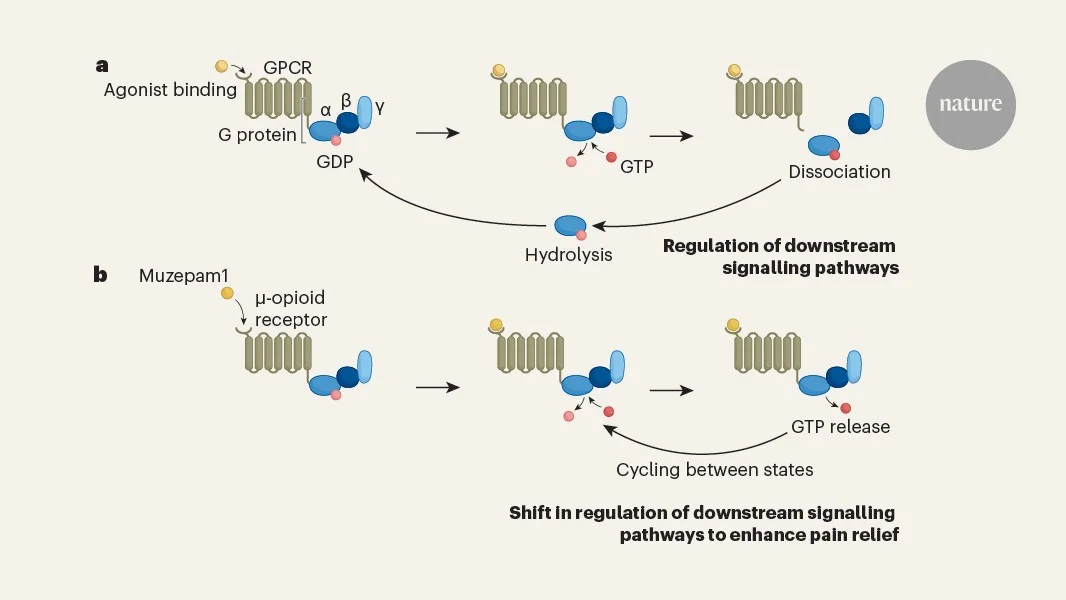
Recent research reveals unexpected behaviors in G proteins that could be exploited to develop next-generation opioid drugs offering stronger, longer-lasting pain relief with fewer side effects, potentially revolutionizing pain management.
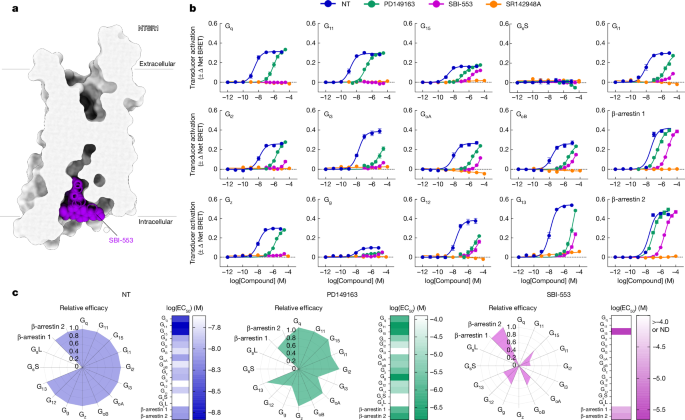
The article discusses the design of allosteric modulators targeting GPCRs, specifically NTSR1, to alter G protein subtype selectivity and biased signalling, demonstrating that minor structural modifications can predictably change receptor coupling profiles and in vivo effects, paving the way for more targeted therapeutics.
Researchers from the University of Cambridge have used an AI-based strategy to identify compounds that block the clumping of alpha-synuclein, a protein associated with Parkinson's disease, speeding up the initial screening process ten-fold and reducing costs by a thousand-fold. This breakthrough could lead to faster development of potential treatments for Parkinson's, a condition projected to triple in prevalence by 2040. The team's machine learning method allowed them to identify highly potent compounds for further investigation, offering hope for the development of disease-modifying treatments for Parkinson's.
Researchers from the University of Cambridge have used artificial intelligence techniques to accelerate the search for Parkinson's disease treatments by ten-fold. By employing machine learning, they were able to quickly screen a chemical library containing millions of entries and identify five highly potent compounds for further investigation, significantly reducing time and cost. This breakthrough could lead to faster development of potential treatments for Parkinson's, a condition projected to triple in prevalence by 2040, with no disease-modifying treatments currently available.
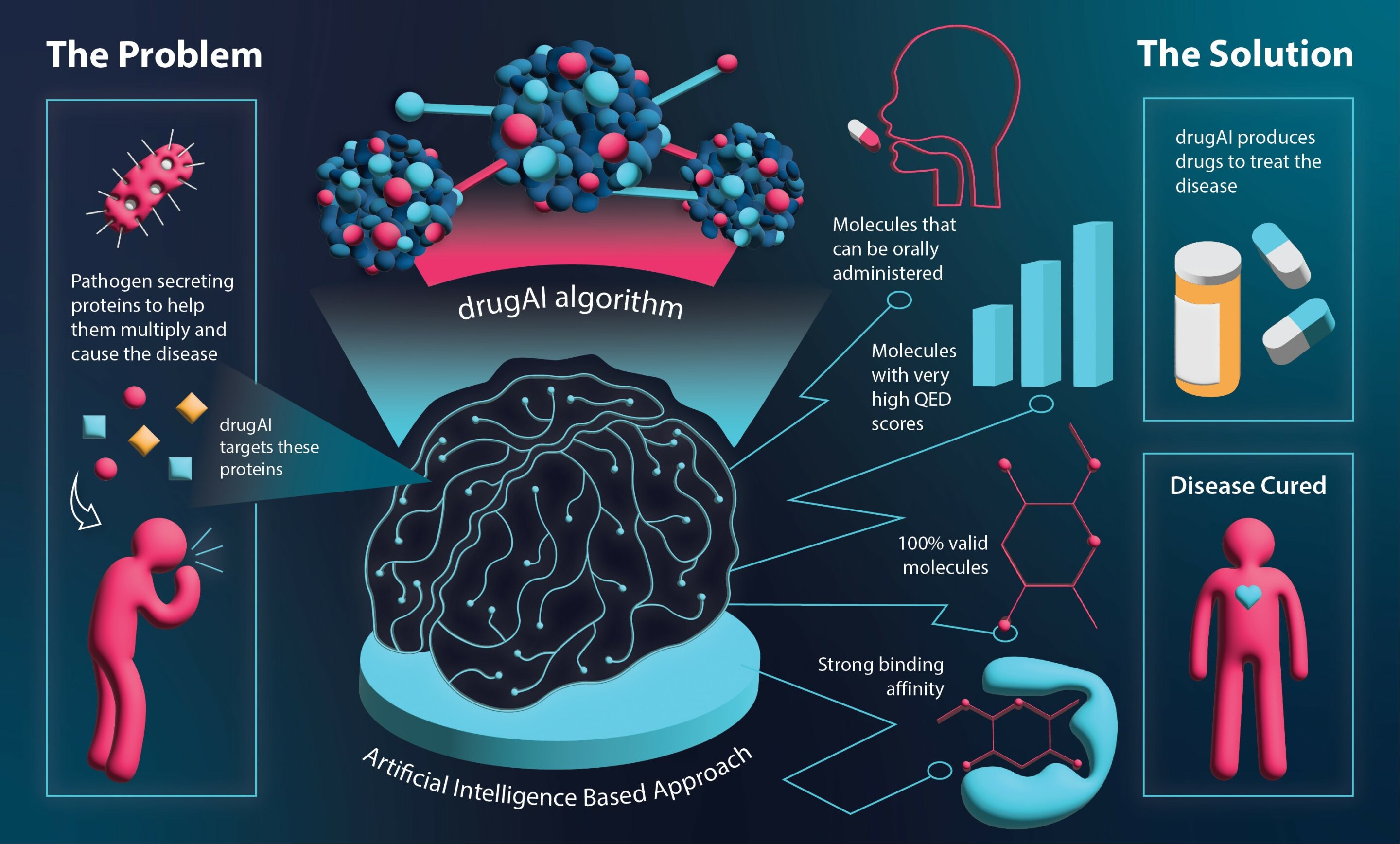
Scientists at Chapman University have developed a GenAI model called drugAI, which utilizes advanced AI techniques to design new drug compounds with the right properties and characteristics, promising to accelerate the process of identifying viable drug candidates for various diseases at a fraction of the cost. The model has been tested and validated, showing magnificent results and generating potential drugs that have never been conceived of before. It has also demonstrated a high validity rate, drug-likeness, and strong binding affinities to respective targets, making it a promising tool for future drug design and development.
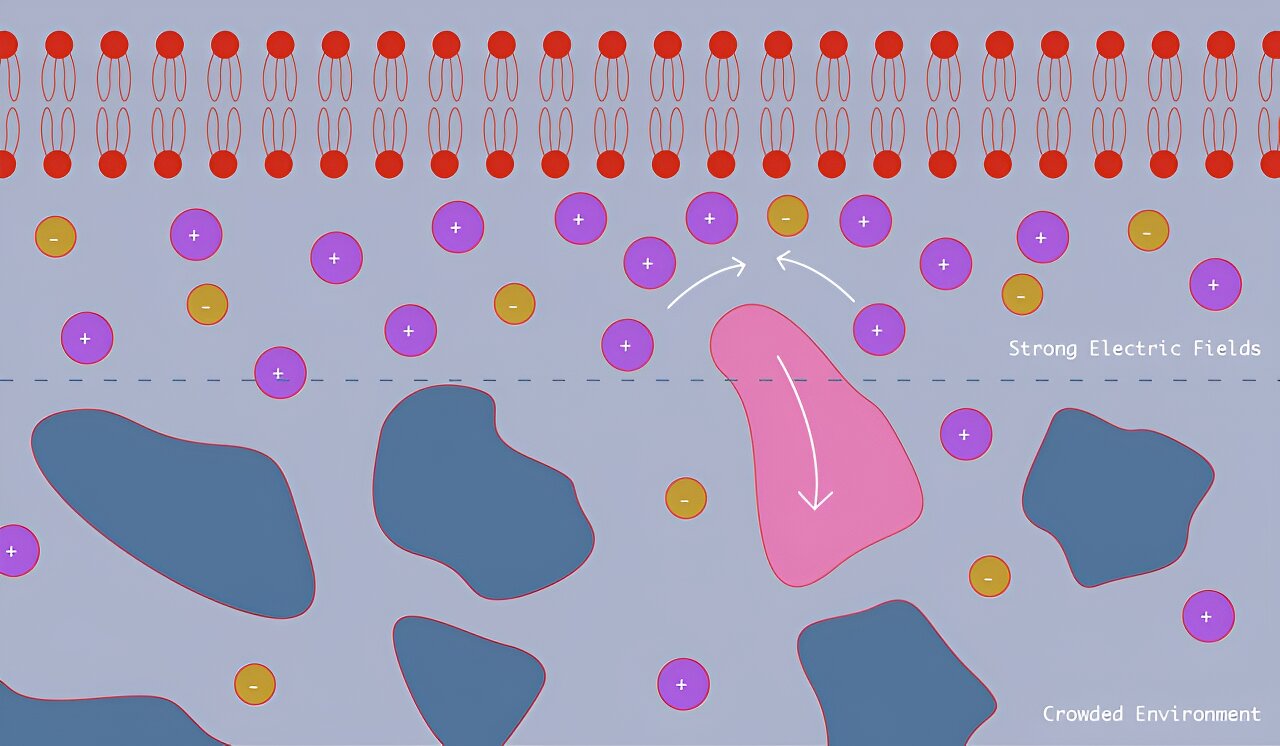
Scientists have confirmed that cell membranes generate powerful electric field gradients that repel nano-sized particles, affecting uncharged nanoparticles and potentially influencing the effectiveness of drug treatments targeting cells. The discovery, published in the Journal of the American Chemical Society, provides the first direct evidence of the electric fields' role in repulsion and has implications for drug design and delivery. Understanding the behavior of molecules near cell membranes is crucial in medical science, as proteins in the membrane are frequent drug targets, and the cell membrane's effect on sorting molecules by size and charge could make a difference in cellular functions.
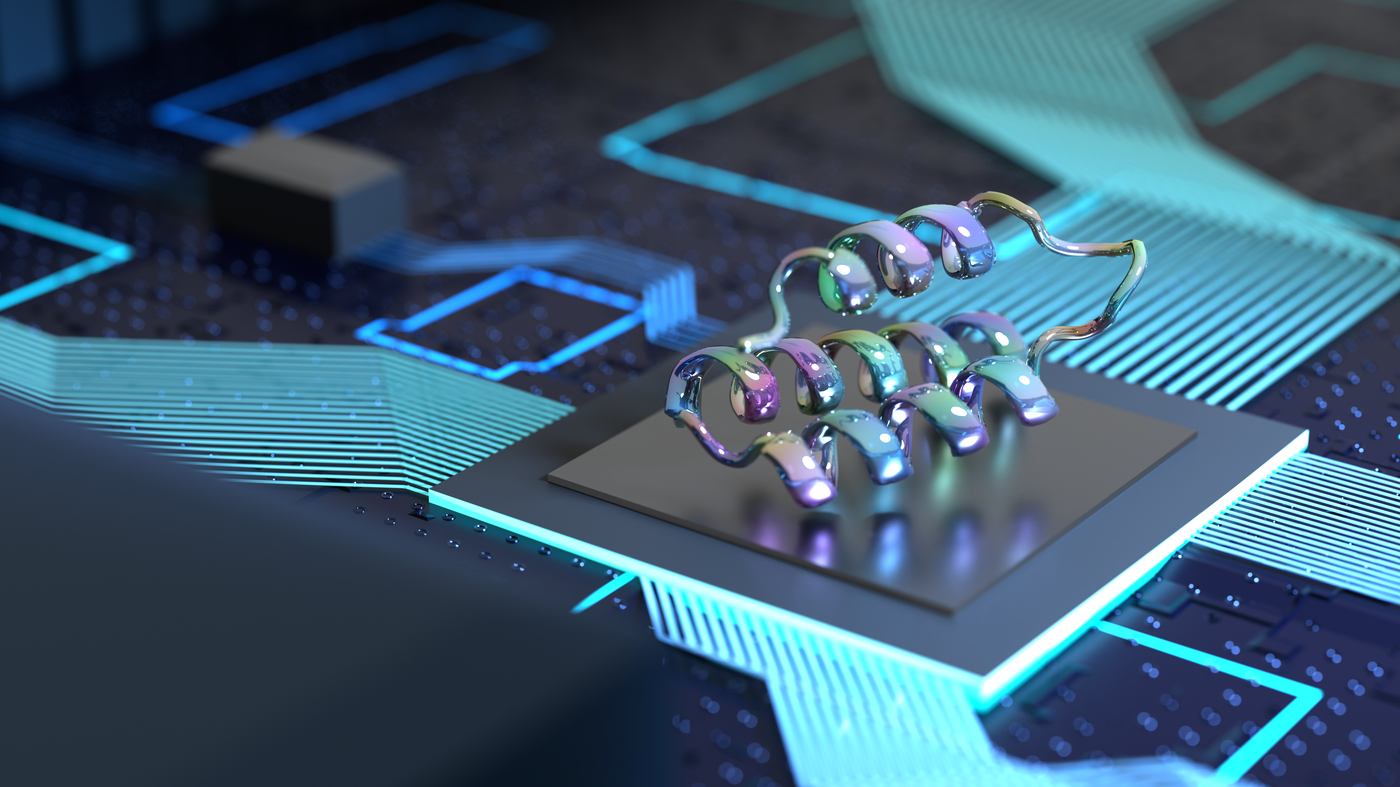
Scientists are utilizing artificial intelligence (AI) to accelerate the scientific process, including drug design and hypothesis development. AI has the potential to code computer programs, create visual content, and assist doctors with note-taking. The use of AI in protein labs has shown promising results, offering new possibilities for scientific advancements.
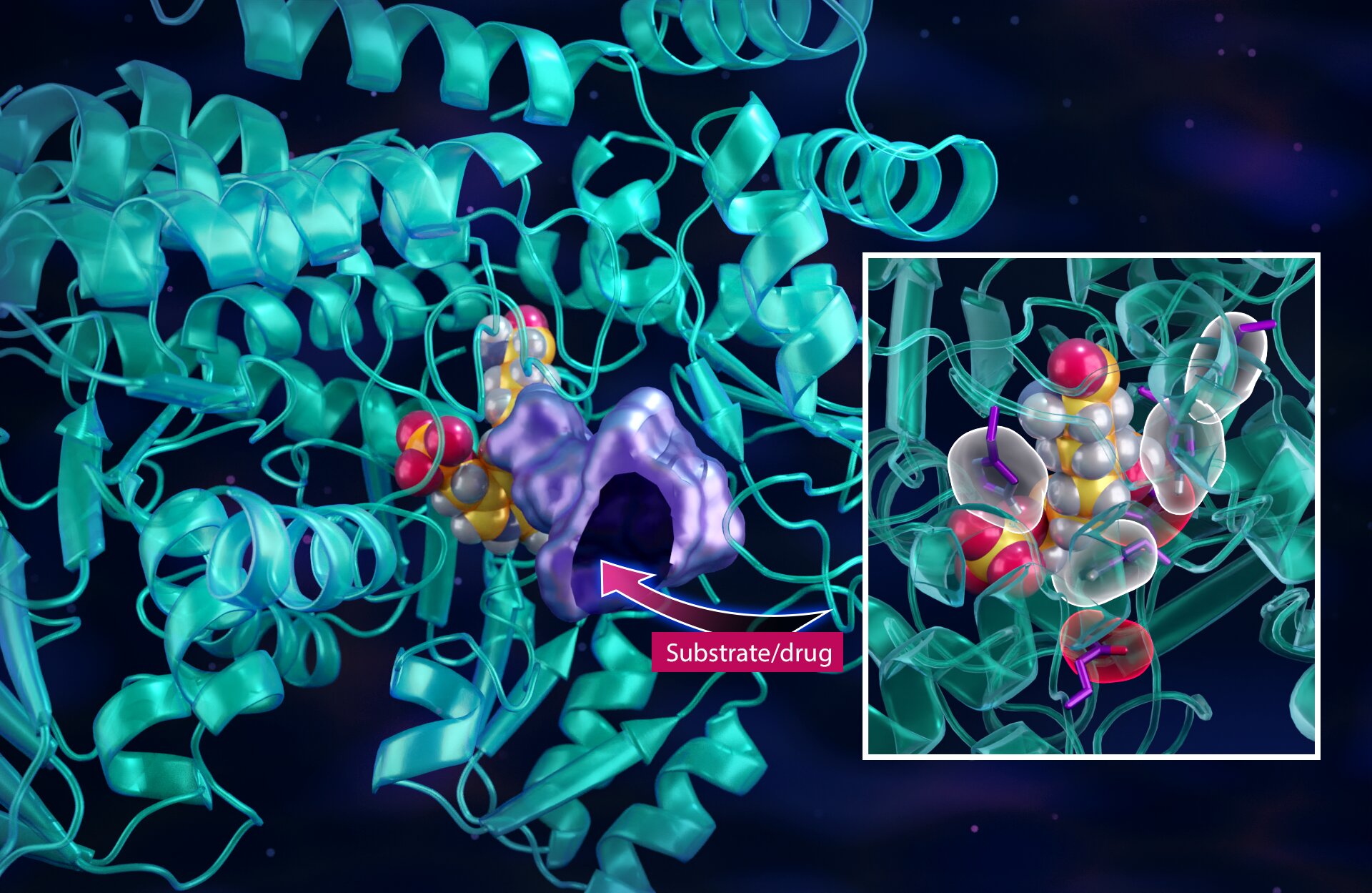
Neutron experiments have provided key insights into the enzymatic mechanism of a metabolic pathway that cancer cells rely on for growth. By mapping the structure and electrical charges of an enzyme involved in the pathway, scientists at Oak Ridge National Laboratory aim to design drugs that can block the supply of vital resources to cancer cells. This research focuses on aggressive tumor-forming cancers such as lung, colon, breast, pancreatic, and prostate cancers. The study represents a renewed interest in targeting metabolic pathways for anti-cancer drug development and could lead to more effective treatments for aggressive forms of cancer.
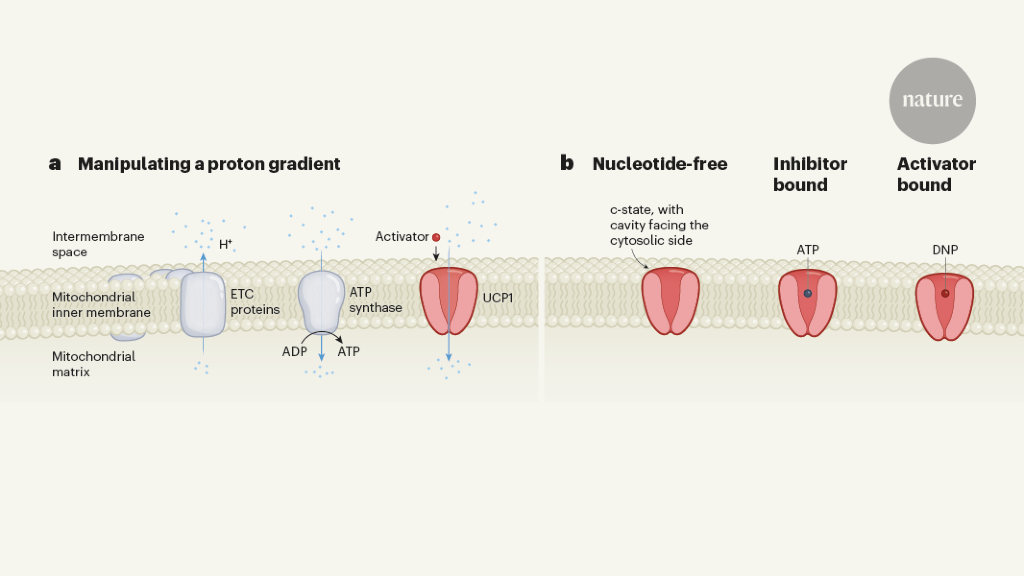
The structure of the human protein UCP1, which plays a role in releasing energy as heat in brown fat, has been obtained, providing valuable insights into its mechanism of action. This breakthrough could potentially aid in the development of drugs for obesity and other metabolism-related disorders.
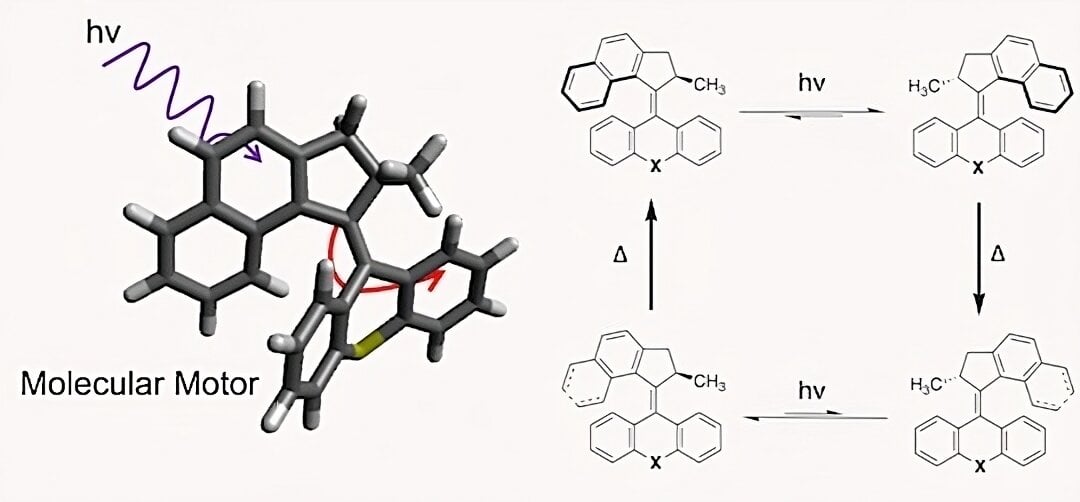
Scientists at Rice University have used light-activated molecular machines to trigger intercellular calcium wave signals, offering a new approach to controlling cellular activity. By rotating small-molecule-based actuators with visible light, they induced a calcium-signaling response in smooth muscle cells. This breakthrough could lead to improved treatments for heart problems, digestive issues, and other diseases characterized by calcium-signaling dysfunction. The ability to control cell-to-cell communication in muscle tissue at the molecular level has the potential to revolutionize medical interventions.