Tag

Human Augmentation

All articles tagged with #human augmentation

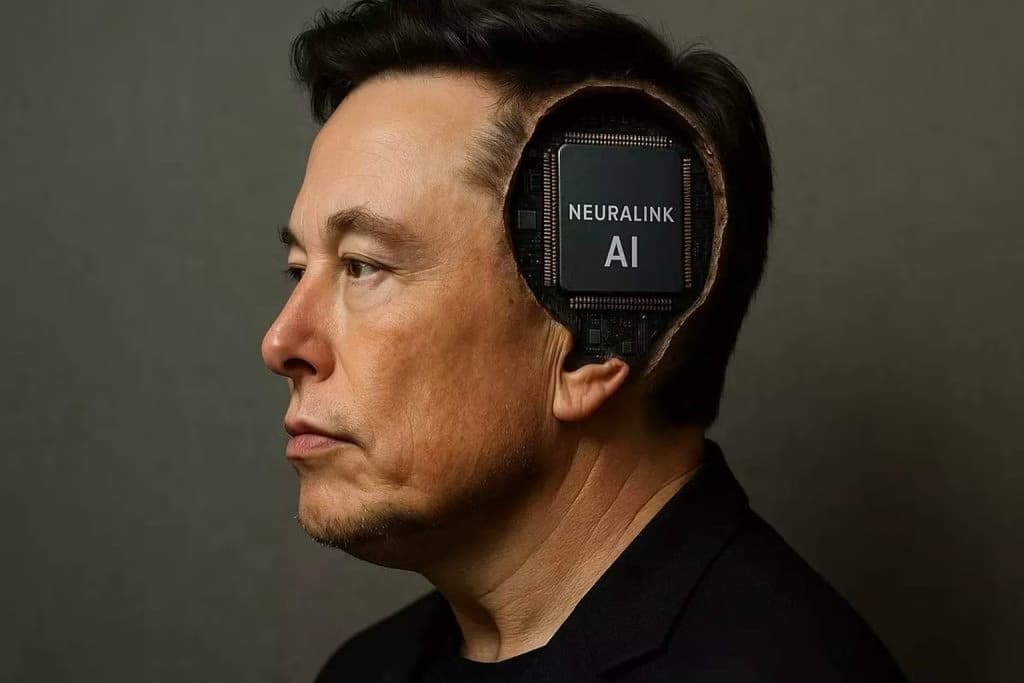
Neuralink's First Patient Reflects on 18 Months with Brain Chip Implant

Originally Published 3 months ago — by valleyvanguardonline.com

Featured image for Neuralink's First Patient Reflects on 18 Months with Brain Chip Implant
Source: valleyvanguardonline.com

Eighteen months after receiving Neuralink's brain chip, paralyzed man Noland Arbaugh has regained significant independence, using the device to interact with digital environments and pursue new educational and speaking opportunities, highlighting the potential of brain-computer interfaces to transform lives and raise profound ethical questions.

Scientist Predicts Human Singularity Within Two Decades

Originally Published 6 months ago — by Yahoo

Featured image for Scientist Predicts Human Singularity Within Two Decades
Source: Yahoo

Futurist Ray Kurzweil predicts that humans will reach the technological singularity within 20 years, achieving a millionfold increase in intelligence through brain interfaces with nanobots by 2045, leading to a hybrid human-AI existence and potential advancements like immortality and universal basic income.

"Revolutionary 'Third Thumb' Enhances Productivity and Accessibility"

Originally Published 1 year ago — by BBC Science Focus

Featured image for "Revolutionary 'Third Thumb' Enhances Productivity and Accessibility"
Source: BBC Science Focus

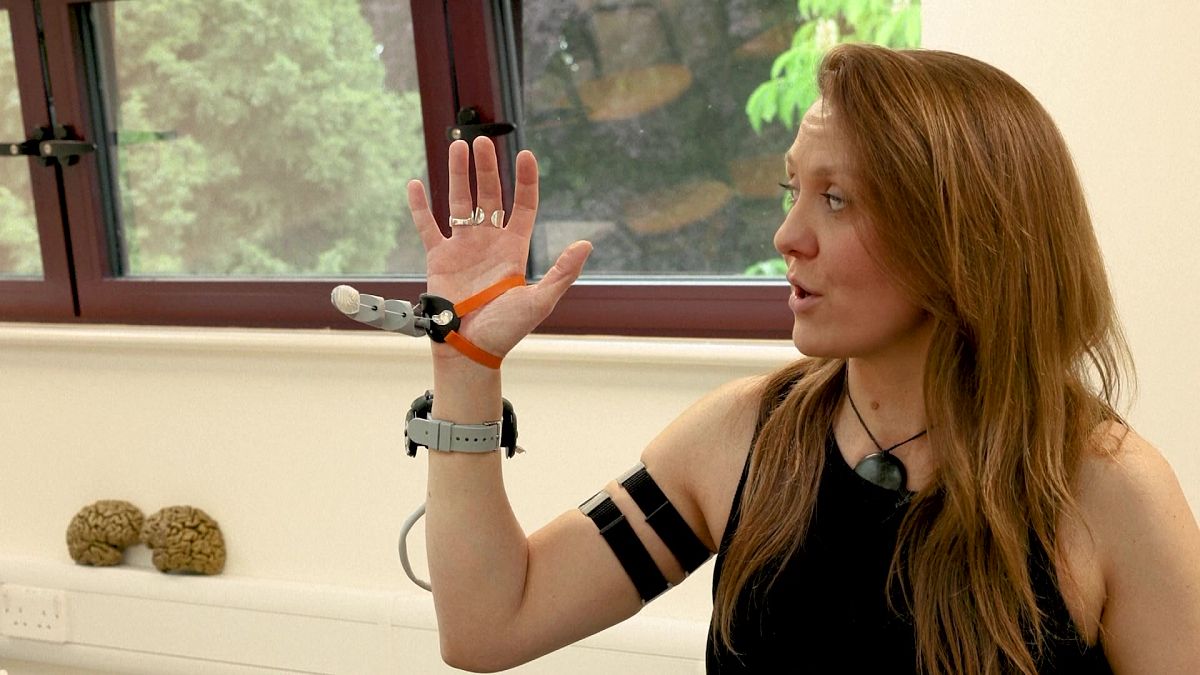
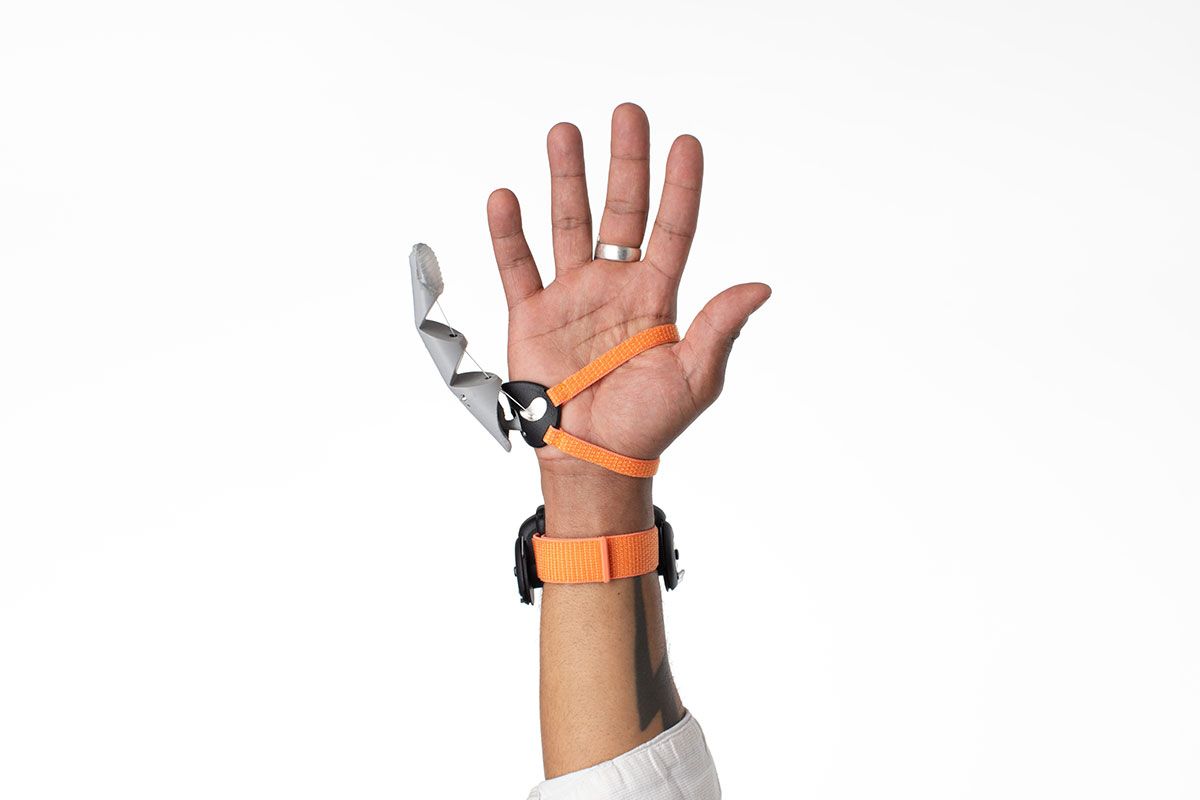
Researchers at University College London are testing a 3D-printed robotic "third thumb" that attaches to the hand and is controlled by foot sensors. This prosthetic aims to enhance human ability, allowing users to better grip and hold objects. Initial trials show high usability across diverse groups, and while it has potential applications in various fields, its primary focus is on accessibility and aiding those with broken limbs or other impairments. Further trials are needed before it becomes widely available.

"Boost Work Efficiency with a Robotic Thumb"

Originally Published 1 year ago — by Euronews

Featured image for "Boost Work Efficiency with a Robotic Thumb"
Source: Euronews

Researchers at Cambridge University have developed a controllable prosthetic extra thumb designed to enhance productivity and manual dexterity. Tested by nearly 600 people at the Royal Society Summer Science Exhibition, the device showed a high success rate in object manipulation. Controlled by pressure sensors under the big toes, the thumb can assist in various tasks from manual labor to surgery. The technology aims to expand human capabilities and could also benefit people with disabilities.

"Robotic Third Thumb Enhances Single-Handed Abilities"

Originally Published 1 year ago — by Daily Mail

Featured image for "Robotic Third Thumb Enhances Single-Handed Abilities"
Source: Daily Mail

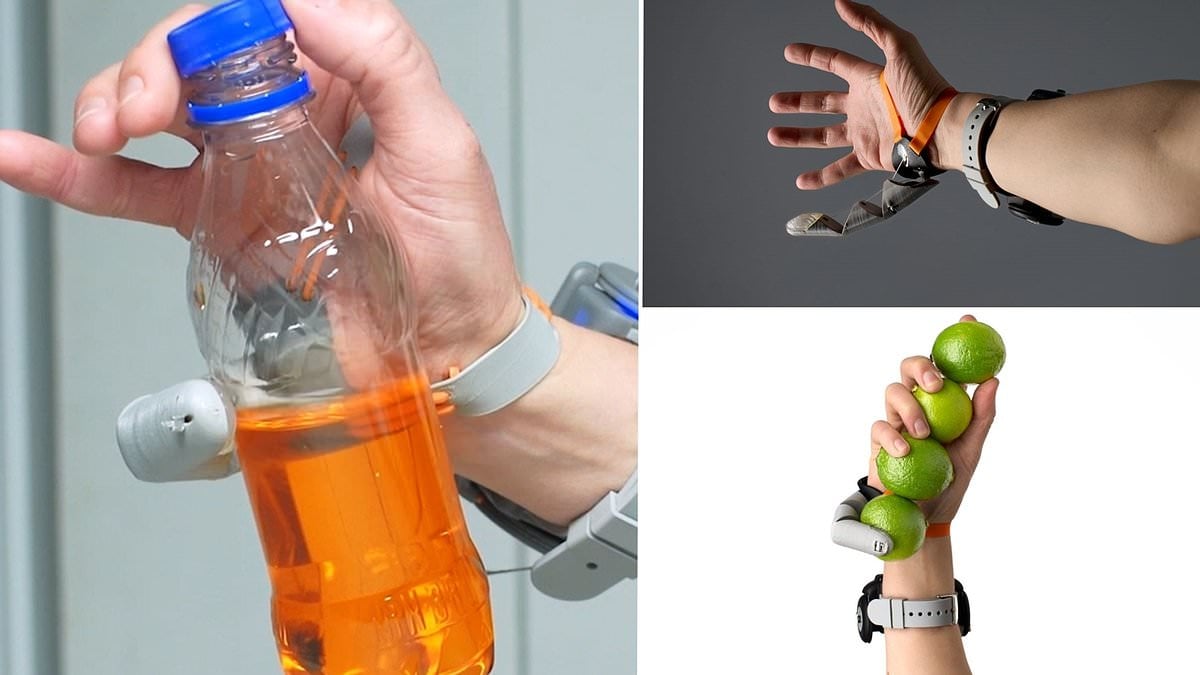
Scientists at the University of Cambridge have developed a controllable prosthetic 'Third Thumb' that attaches to the right hand, allowing users to perform tasks like picking up objects and peeling bananas with one hand. The device, controlled by pressure sensors under the big toes, was successfully used by 99.3% of study participants, demonstrating its potential to enhance human motor capabilities and assist amputees.

"Davos 2024: Global Elite's Closed-Door Conversations on AI"

Originally Published 2 years ago — by Business Insider

Featured image for "Davos 2024: Global Elite's Closed-Door Conversations on AI"
Source: Business Insider

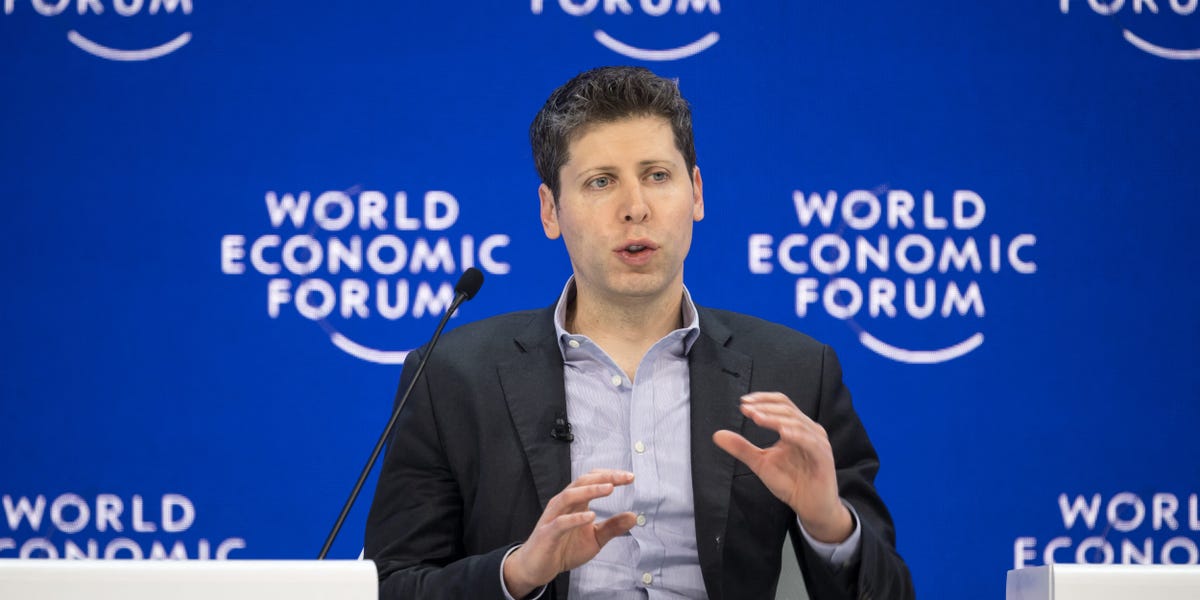
The World Economic Forum in Davos, Switzerland, saw extensive discussions on artificial intelligence (AI) with a focus on task automation, workforce reskilling, human augmentation, and more. Conversations revolved around the distinction between tasks and jobs, concerns about job replacement, the need for workforce reskilling, and the potential of AI to augment human capabilities. Companies showcased their AI initiatives, with examples of cost savings and improved productivity, while also acknowledging the challenges of scaling AI projects and the cost involved. The event highlighted the evolving role of AI in the workforce and the need for adaptability and continual upskilling.

"Trustworthy Wearable Tech: Astronauts' Solution to Space Disorientation"

Originally Published 2 years ago — by Gizmodo

Featured image for "Trustworthy Wearable Tech: Astronauts' Solution to Space Disorientation"
Source: Gizmodo

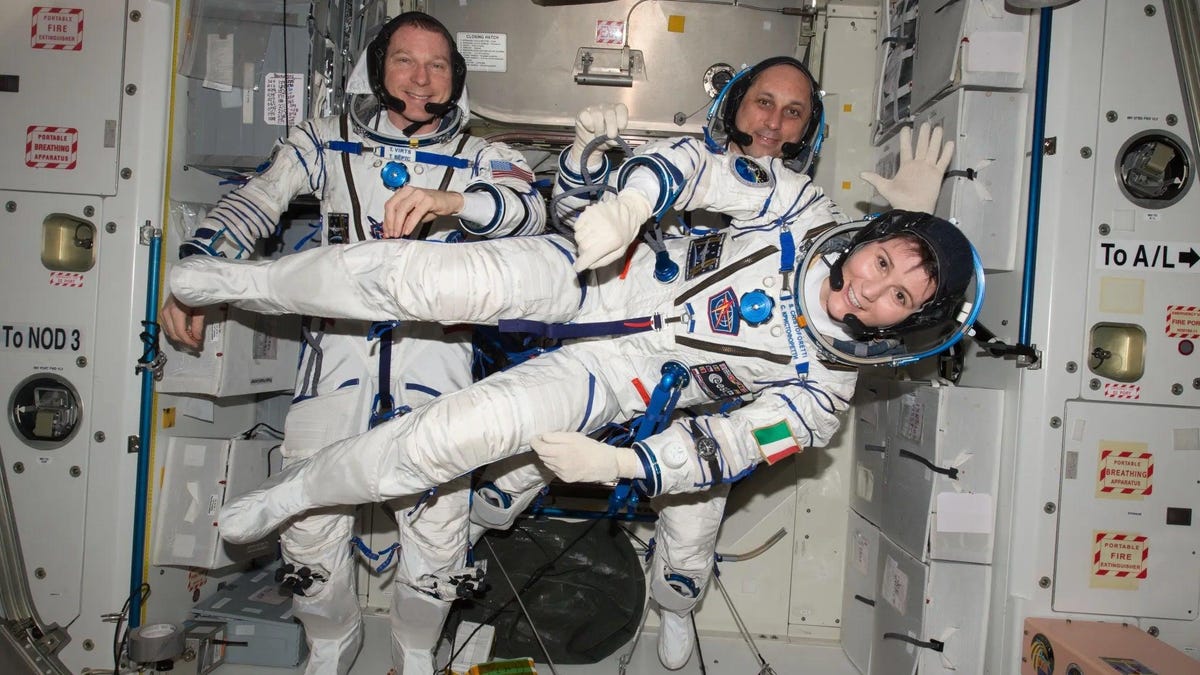
Researchers at Brandeis University's Ashton Graybiel Spatial Orientation Lab have developed a wearable device called vibrotactors that can help astronauts combat spatial disorientation in space. The device uses vibration cues to indicate an astronaut's orientation in their environment. Through a series of experiments, it was found that astronauts can effectively use the vibrotactors if they receive specialized training to rely on the device rather than their natural gravitational cues. However, there is still a conflict between internal cues and the device's vibrations, making it challenging for astronauts to instinctively trust the device in high-pressure situations. Further research will focus on implementing lunar and Martian gravitational levels to simulate being on the surface of another world.

Real-life Cyborgs: Japanese Engineers Create AI Robotic Arms for Humans

Originally Published 2 years ago — by Futurism

Featured image for Real-life Cyborgs: Japanese Engineers Create AI Robotic Arms for Humans
Source: Futurism

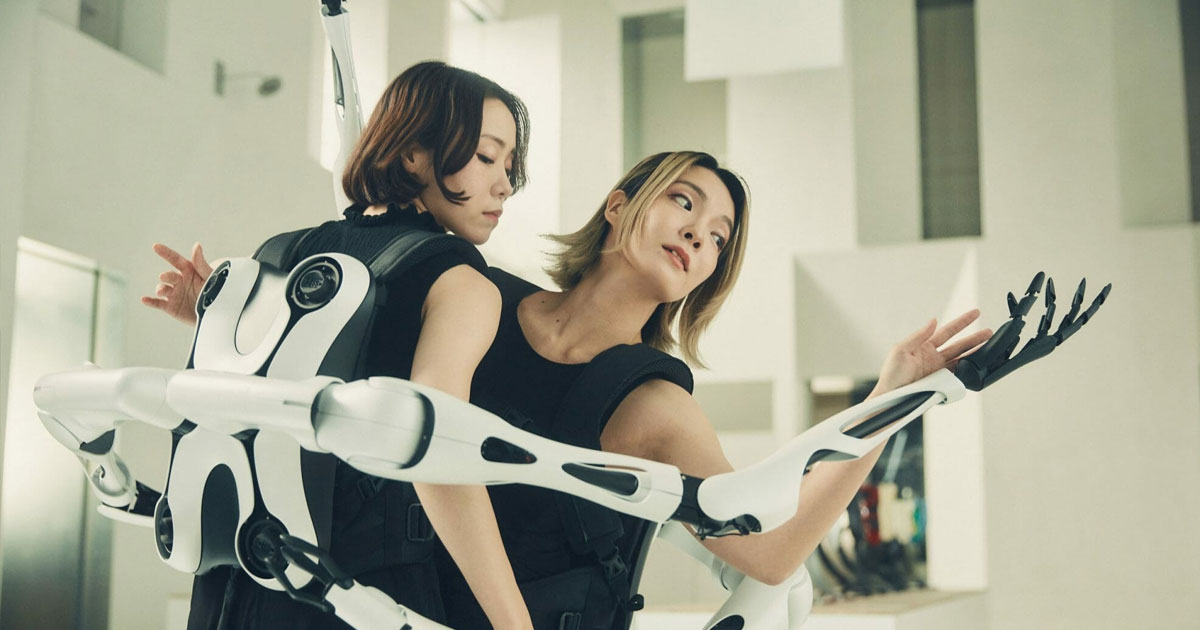
Japanese robotics company Jizai has developed a robotic limb contraption called "Arms" that can give the wearer extra sets of arms, similar to Marvel's Doctor Octopus. The system was designed to enable social interaction between multiple wearers and explore possible interactions between digital cyborgs in a cyborg society. Inspired by a 1963 short story, the team found that their bodies could precisely sense the attachment/detachment of arms, and they especially felt a strong impact when detaching or reducing the number of robotic arms worn.