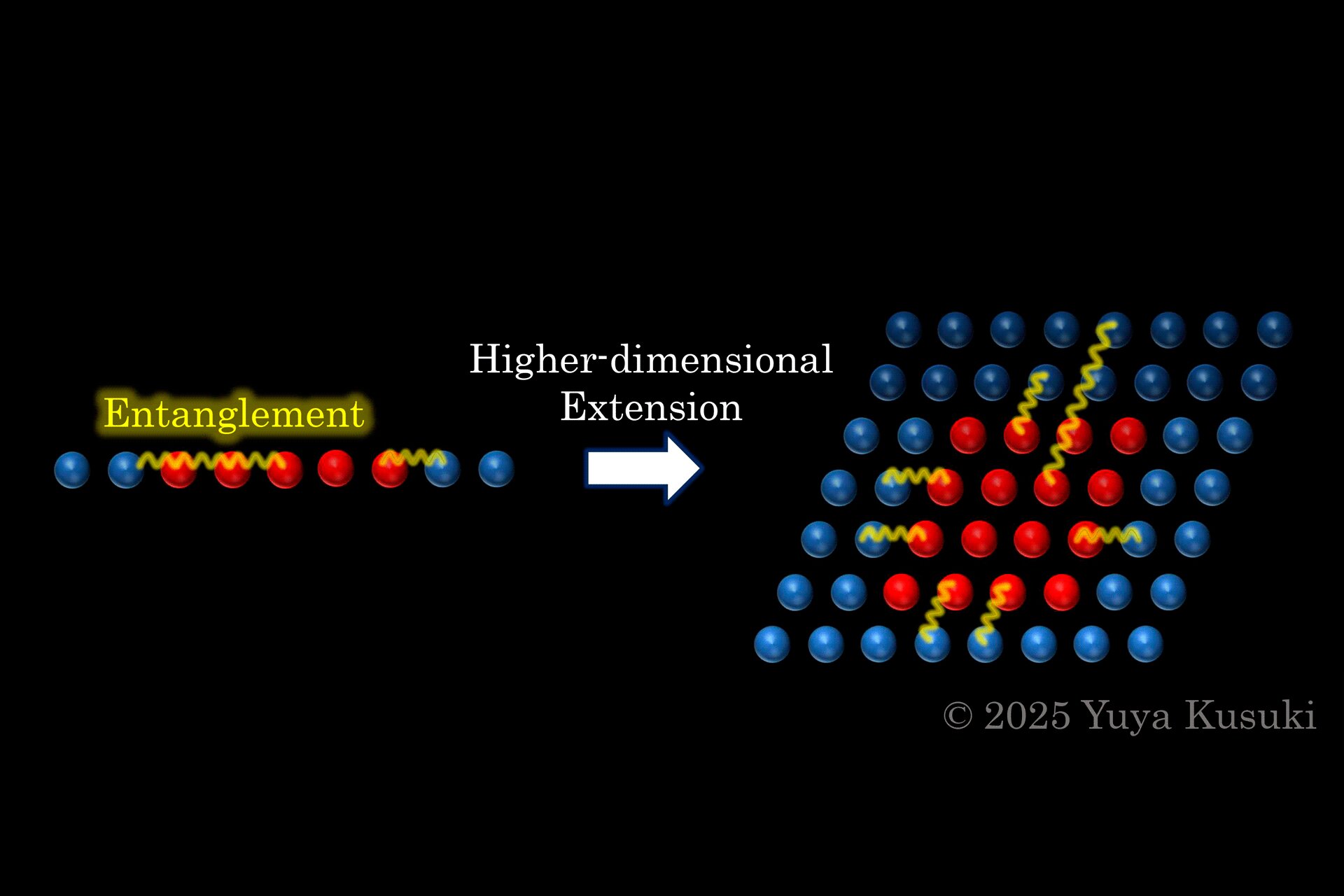
Researchers have demonstrated that quantum entanglement follows universal rules across all dimensions by applying thermal effective theory, expanding understanding beyond the traditional 1+1 dimensions and potentially impacting quantum computing, simulation, and quantum gravity research.
Researchers have developed a new understanding of entanglement manipulation by introducing an 'entanglement battery,' demonstrating that entanglement can be reversibly manipulated, akin to thermodynamic processes, which could lead to fundamental advances in quantum technology and theory.
Physicist Melvin Vopson proposes that gravity functions as an algorithm in a universe akin to a giant computer, supporting the idea that we live in a simulated reality, with recent discoveries of missing cosmic matter potentially backing this theory.
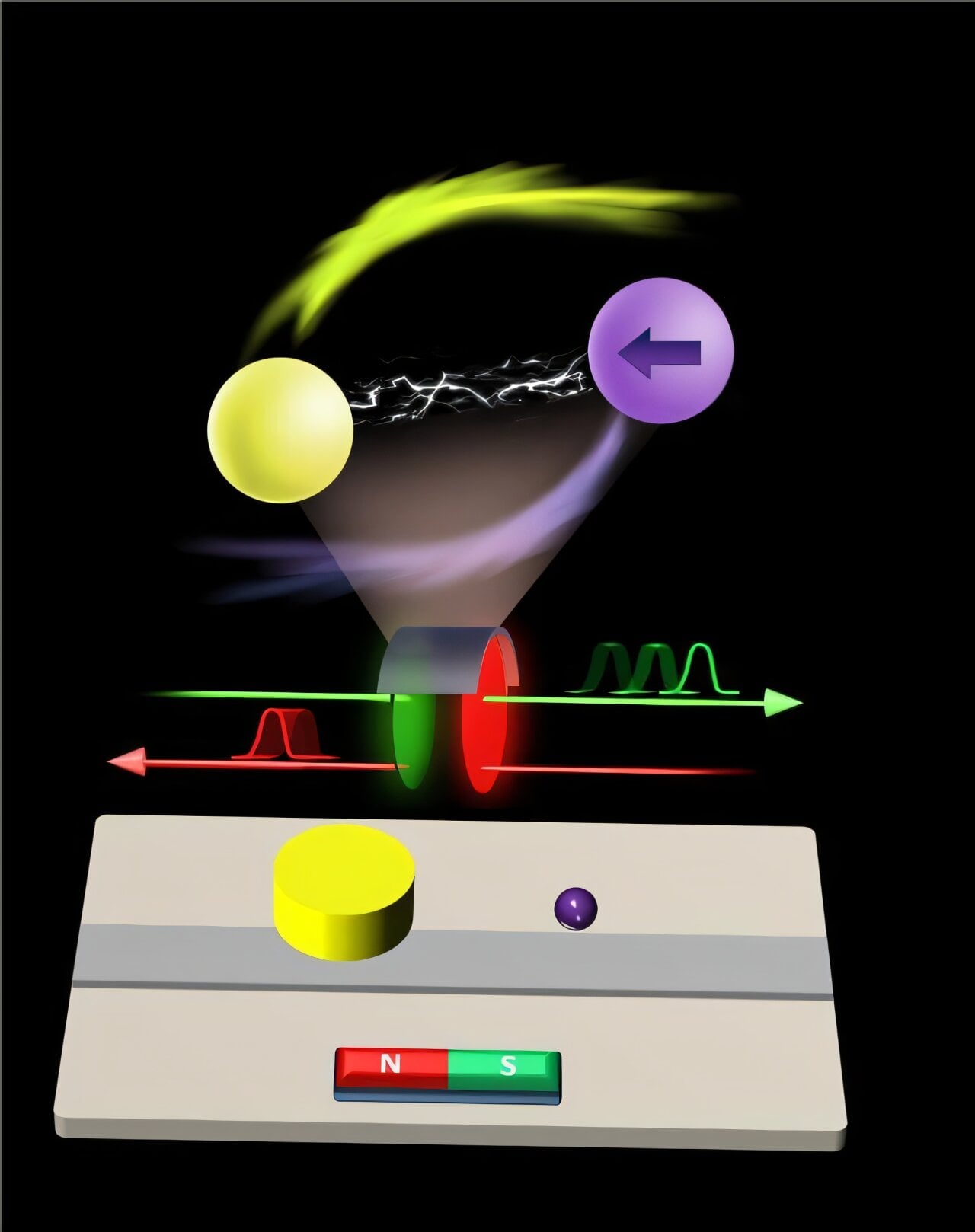
Researchers have demonstrated a novel cavity magnonics device that nonreciprocally controls the speed of light, allowing microwave pulses to travel at different speeds depending on direction, which could impact advanced communication and quantum technologies.
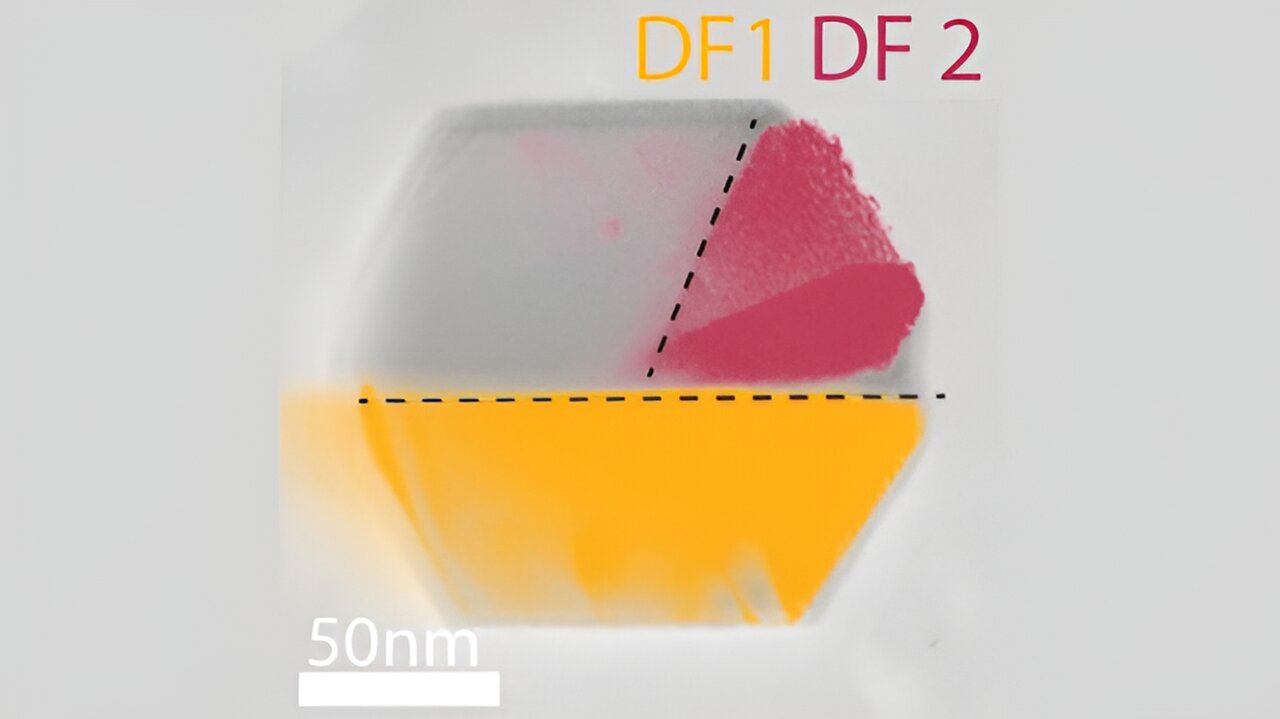
Researchers at Stanford University have used advanced microscopy to link the atomic structure of diamonds to the erratic signals from quantum bits embedded within. By examining the grain boundaries in nanodiamonds, they discovered that the internal structure significantly affects photon emission properties, providing new insights for improving quantum communication and sensing technologies.
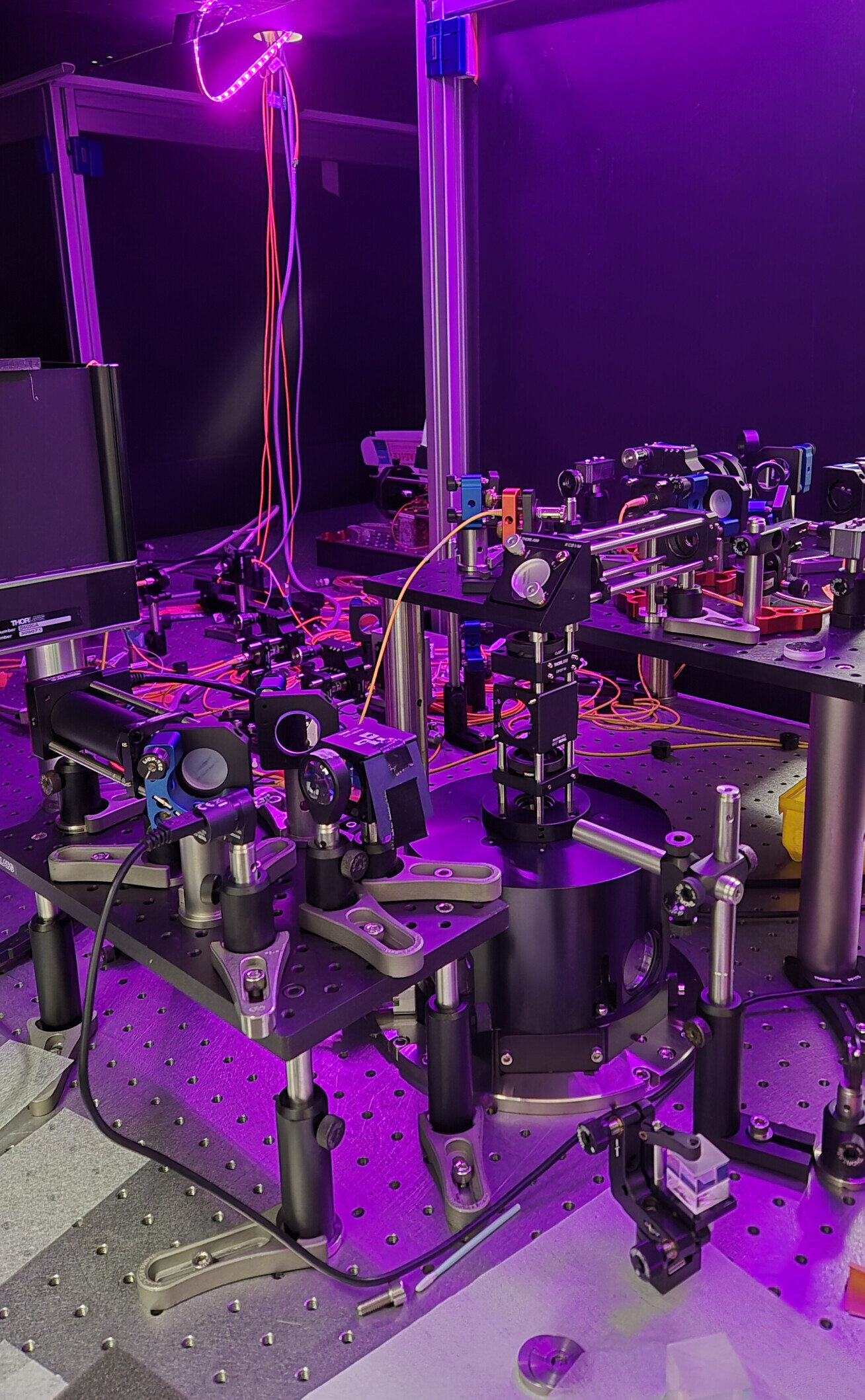
Researchers have developed a system of atomic processing nodes that can produce, store, and retrieve quantum information, a crucial step towards creating a quantum-based network. This system involves a semiconductor quantum dot emitting single photons and a cloud of hot rubidium atoms serving as quantum memory, with a laser controlling the storage and release of photon states. While still in the prototype stage, this advancement could pave the way for stable quantum networks, addressing previous challenges in linking photon sources and processing nodes.
Researchers have successfully created a crucial connection for the development of a quantum internet by producing, storing, and retrieving quantum information for the first time. This achievement is a significant step towards enabling quantum networks for distributed computing and secure communication, with potential applications in optimizing financial risk, decrypting data, designing molecules, and studying materials. The breakthrough involves interfacing a quantum dot light source with an atomic quantum memory device, allowing for the transmission of quantum data over long distances using regular optical fibers. This development, led by a collaborative effort involving researchers from Imperial College London, the University of Southampton, and the Universities of Stuttgart and Wurzburg in Germany, represents a key advancement in the field of quantum networking.
Researchers have discovered that basic chemistry can scramble quantum information with surprising speed and efficiency, similar to the effects of black holes. Using a mathematical tool developed decades ago, the team found that quantum states of reacting particles become scrambled, especially in confined groups at low temperatures, on a subpicosecond time scale. This discovery could potentially lead to the fine-tuning of materials to control tunneling for innovative applications in fields such as electron conduction in quantum materials.
MIT researchers have discovered that neutrons can be made to cling to quantum dots, forming artificial "neutronic molecules" held together by the strong force, which may lead to new tools for probing material properties at the quantum level and exploring quantum information processing devices. This unexpected finding could have applications in controlling individual neutrons for triggering reactions and developing quantum information systems, as well as in neutron imaging for materials analysis. The research was reported in the journal ACS Nano and was supported by the U.S. Office of Naval Research.
Scientists at HZDR in Germany have developed a new method for transmitting quantum information using the magnetism of magnons, addressing the need for efficient information transmission within quantum networks, which is crucial for the advancement of quantum computing technology.
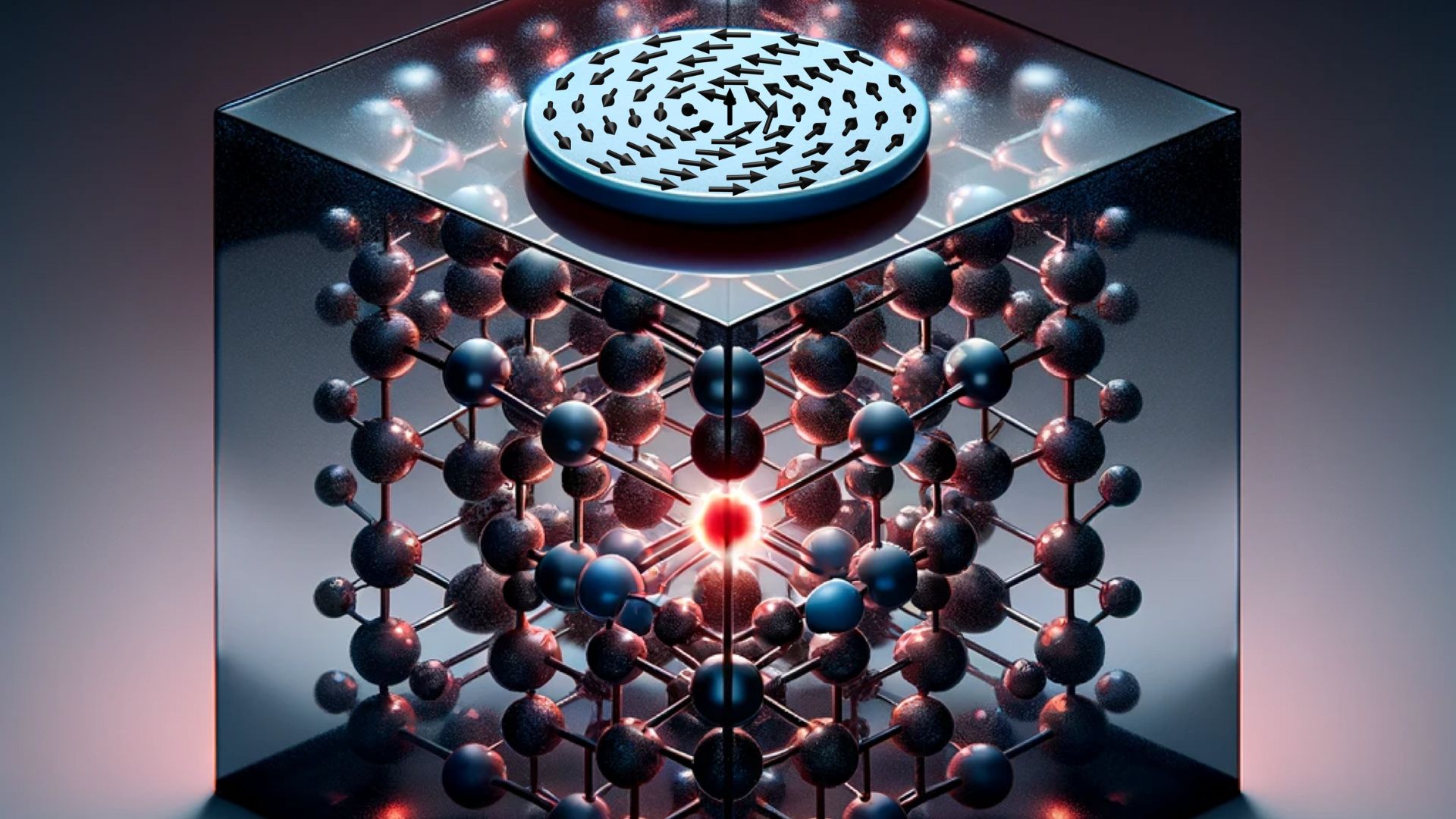
Researchers at HZDR have manipulated atomic-sized qubits in silicon carbide using wave-like excitations in magnetic disks called magnons, presenting a new approach for transducing quantum information. This method could potentially enable the transduction of information within quantum networks, addressing the need for efficient communication between distinct quantum modules. The team's research demonstrates the feasibility of addressing qubits exclusively with magnons, offering insights for the development of a practical quantum computer in the future.
Researchers at the Niels Bohr Institute have developed a method to use noise to process quantum information, increasing the performance of qubits by 700%. By continuously monitoring and adapting to environmental changes in real time, they have demonstrated a new approach to quantum computing that could lead to more powerful computers in the future. This interdisciplinary effort involves the integration of a singlet-triplet spin qubit with FPGA-powered qubit controllers and has the potential to revolutionize quantum computing by actively adjusting for environmental noise.
Quantum teleportation, a real phenomenon, involves the transfer of quantum particles and information without physical movement. The process relies on entanglement, a quantum phenomenon where particles become correlated in such a way that the state of one particle is instantly connected to the state of another, regardless of the distance between them. This concept has potential applications in revolutionizing communications, computing, and our understanding of the world. John Preskill, a leading expert in quantum teleportation, discusses the intricacies of entanglement, the process of quantum teleportation, and its potential impact on technologies such as quantum computing and precision measurement.
Quantum error-correcting codes, first discovered by Peter Shor in 1995, distribute quantum information across many qubits to prevent errors from derailing computations. These codes can absorb errors and reverse them using established procedures specific to each code. Zhi Li and Latham Boyle discovered a connection between quantum error correction and aperiodic tilings, leading to the possibility of building a quantum error-correcting code based on a class of aperiodic tilings. They started with Penrose tilings and identified tiling configurations that wouldn't be affected by localized errors, similar to virtual qubit states in ordinary quantum error-correcting codes.
Researchers from the University of Tokyo have developed a new technology for transmitting quantum information over tens to a hundred micrometers, solving a longstanding problem in quantum electronics. By coupling a few electrons in a quantum dot to an electrical circuit known as a terahertz split-ring resonator, they have achieved a coherent interaction suitable for quantum information processing. This breakthrough, based on materials and procedures common in semiconductor manufacturing, could lead to practical implementation and advance the development of large-scale quantum computers.