Tag

Universe

All articles tagged with #universe

Dark Matter Might Interact with Cosmic Ghost Particles, Scientists Say

Originally Published 6 days ago — by Space

Featured image for Dark Matter Might Interact with Cosmic Ghost Particles, Scientists Say
Source: Space

New research suggests dark matter may interact with neutrinos, which could explain why the universe is less 'clumpy' than expected and challenge current cosmological models. Future observations, including cosmic microwave background studies and gravitational lensing, aim to test this hypothesis, potentially leading to a major breakthrough in understanding dark matter.

New Research Suggests the Universe Is More Complex and Lopsided Than Previously Thought

Originally Published 6 days ago — by Space

Featured image for New Research Suggests the Universe Is More Complex and Lopsided Than Previously Thought
Source: Space

Recent research suggests the universe may be lopsided, challenging the standard cosmological model that assumes it is uniform in all directions, due to discrepancies like the cosmic dipole anomaly which do not align with current theories, prompting a potential overhaul of our understanding of the cosmos.

Astronomers Mystified by Unprecedented Seven-Hour Gamma-Ray Burst

Originally Published 9 days ago — by SciTechDaily

Featured image for Astronomers Mystified by Unprecedented Seven-Hour Gamma-Ray Burst
Source: SciTechDaily

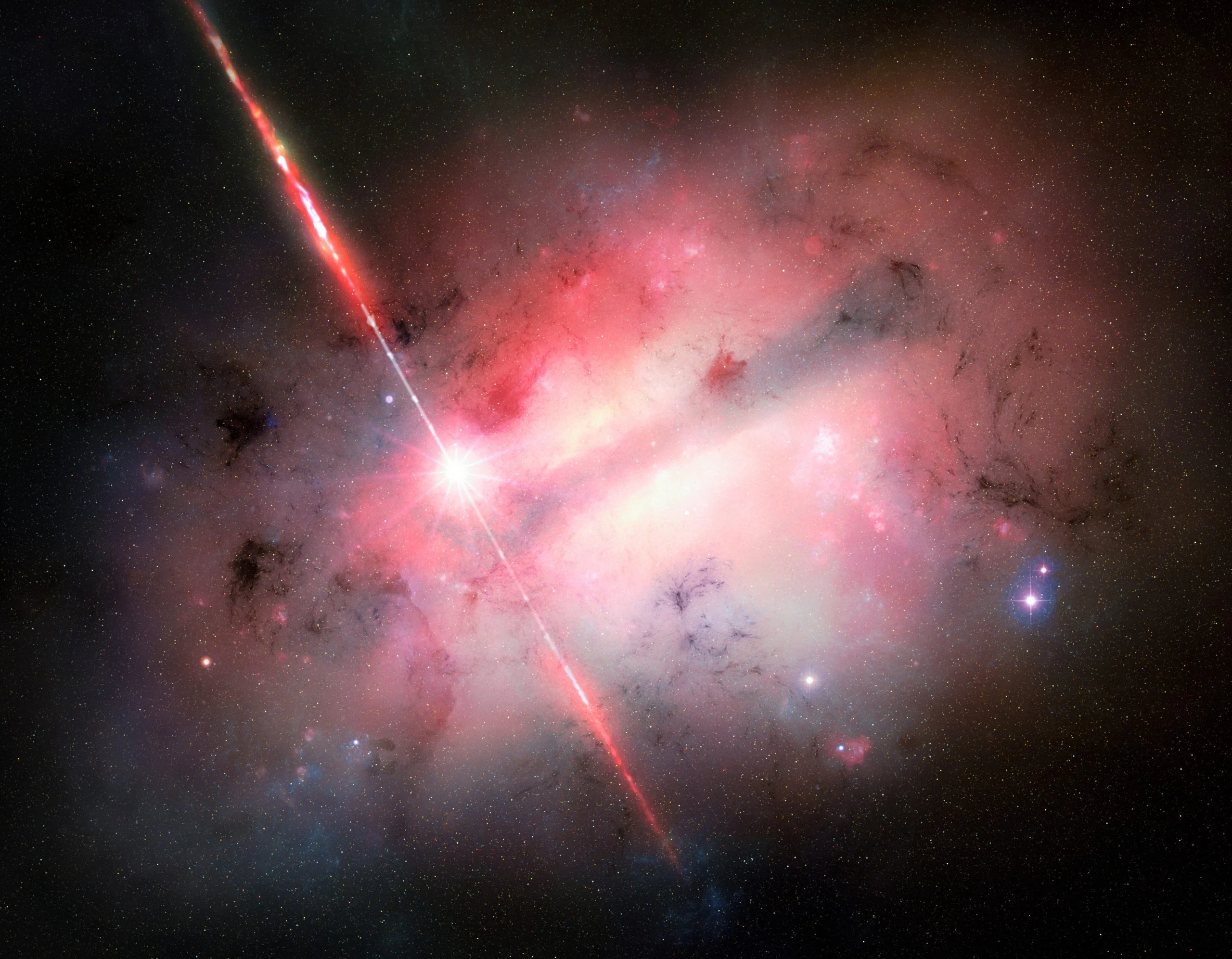
A record-breaking gamma-ray burst lasting nearly seven hours was observed, challenging existing models of such cosmic explosions. The event, originating from a dusty galaxy billions of light-years away, involved a high-speed jet of material and may have resulted from various extreme astrophysical processes. This unprecedented observation offers a unique opportunity to study extreme physics in the universe.

Japanese Sensor Could Unlock Dark Matter Secrets

Originally Published 9 days ago — by The Daily Galaxy

Featured image for Japanese Sensor Could Unlock Dark Matter Secrets
Source: The Daily Galaxy

Physicists at the University of Tokyo and Chuo University have developed a highly sensitive quantum sensor array that could potentially detect and track dark matter by measuring its movement through space, offering a more general and sensitive approach than traditional methods, though it remains at the theoretical stage.

Potential Changes in Dark Energy Could Alter the Universe's Future

Originally Published 15 days ago — by BBC

Featured image for Potential Changes in Dark Energy Could Alter the Universe's Future
Source: BBC

Recent studies suggest that dark energy, which is driving the universe's expansion, may be weakening, potentially leading to a reversal of expansion and a possible 'Big Crunch' instead of the previously believed continuous acceleration. This challenges current cosmological models and has sparked significant debate among astronomers.

NASA’s SPHEREx Unveils First Comprehensive Infrared Cosmic Map

Originally Published 15 days ago — by Universe Today

Featured image for NASA’s SPHEREx Unveils First Comprehensive Infrared Cosmic Map
Source: Universe Today

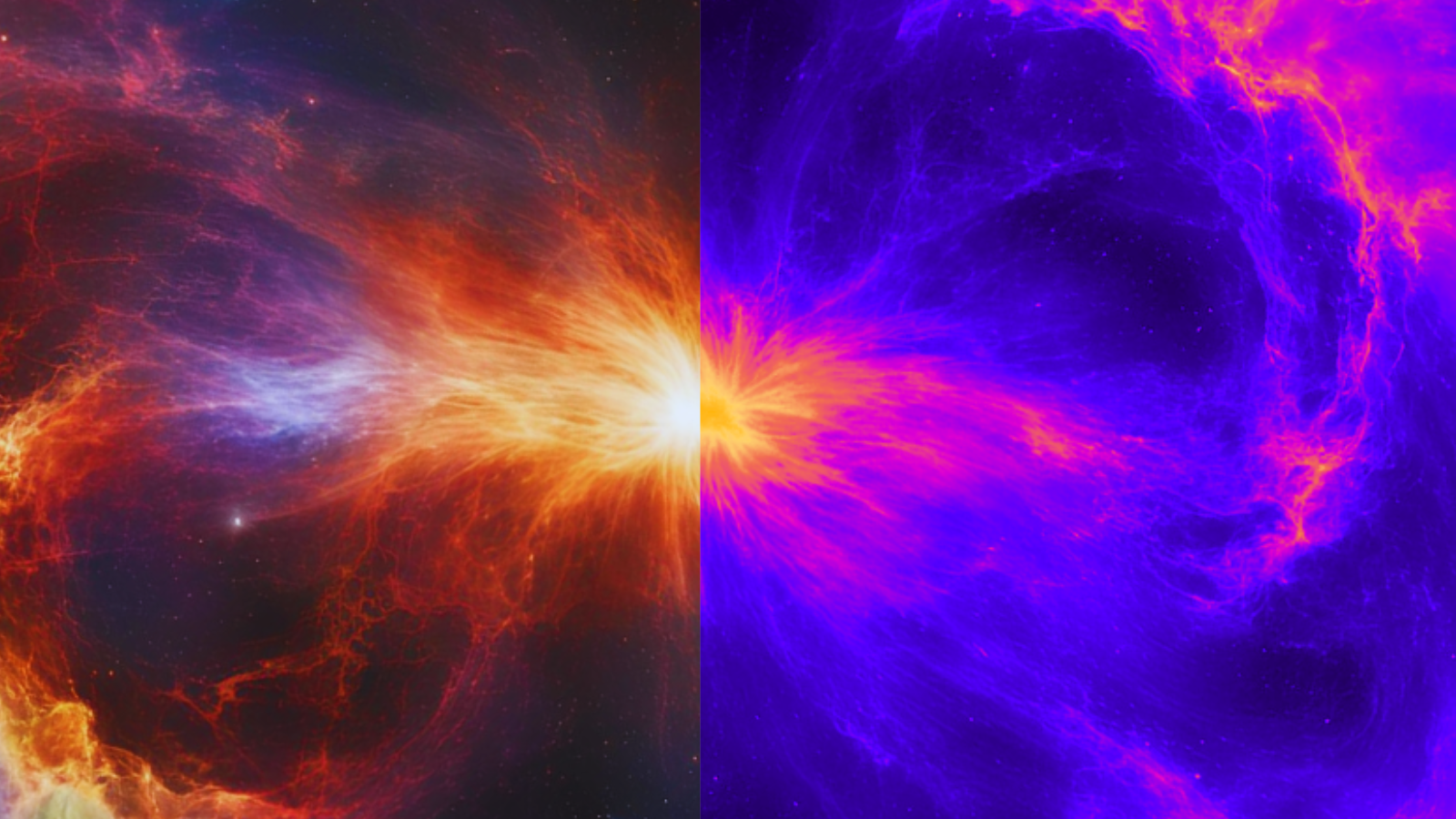
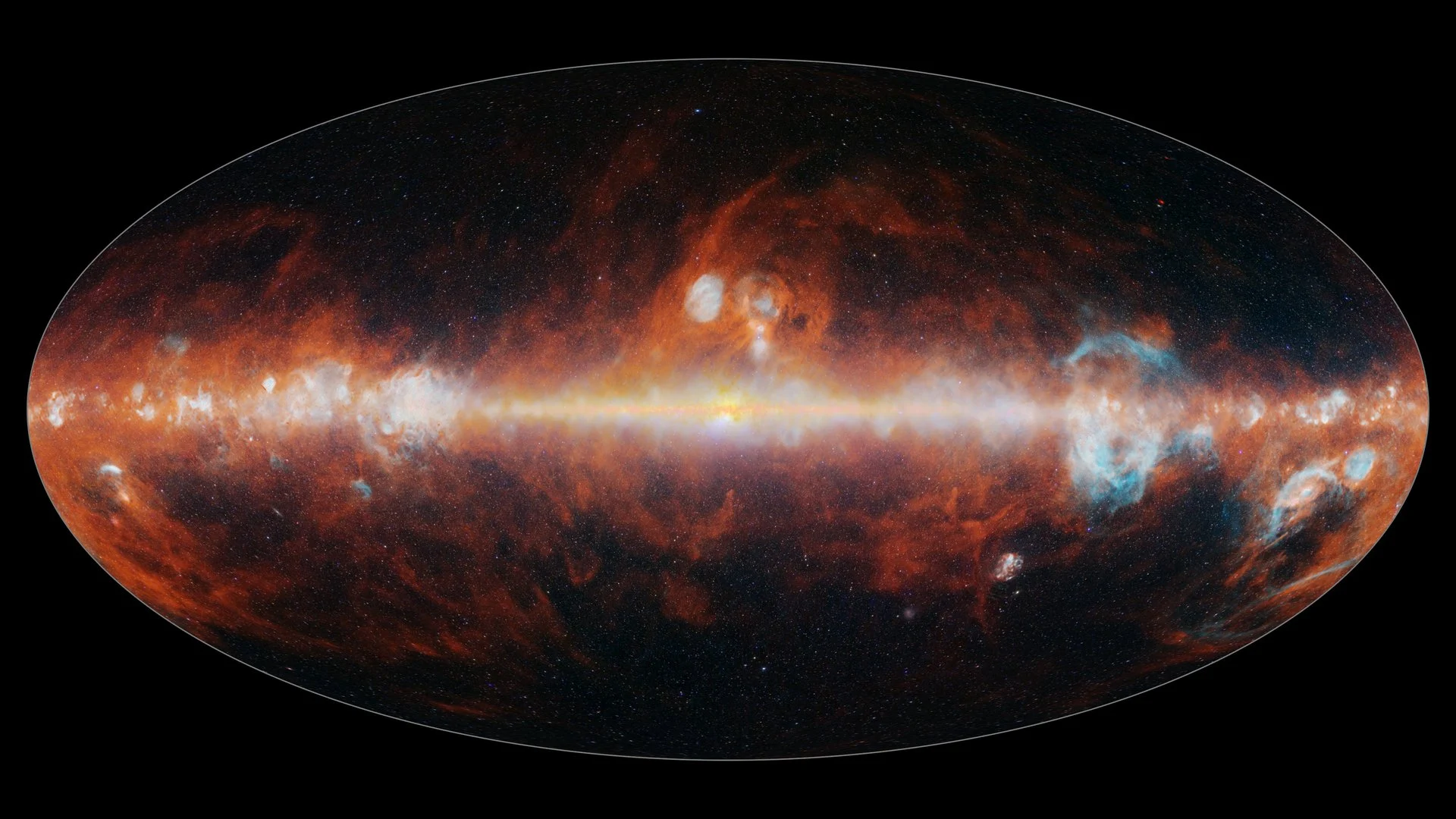
NASA's SPHEREx observatory has completed its first full-sky infrared map in 102 wavelengths, capturing data on over 450 million galaxies and providing new insights into the universe's origins, galaxy evolution, and cosmic structure. The mission's extensive multi-wavelength data will help address fundamental cosmological questions and is now publicly available.

Physicists Revisit Bold Theory of Cosmic Black Hole Trap

Originally Published 15 days ago — by The Daily Galaxy

Featured image for Physicists Revisit Bold Theory of Cosmic Black Hole Trap
Source: The Daily Galaxy

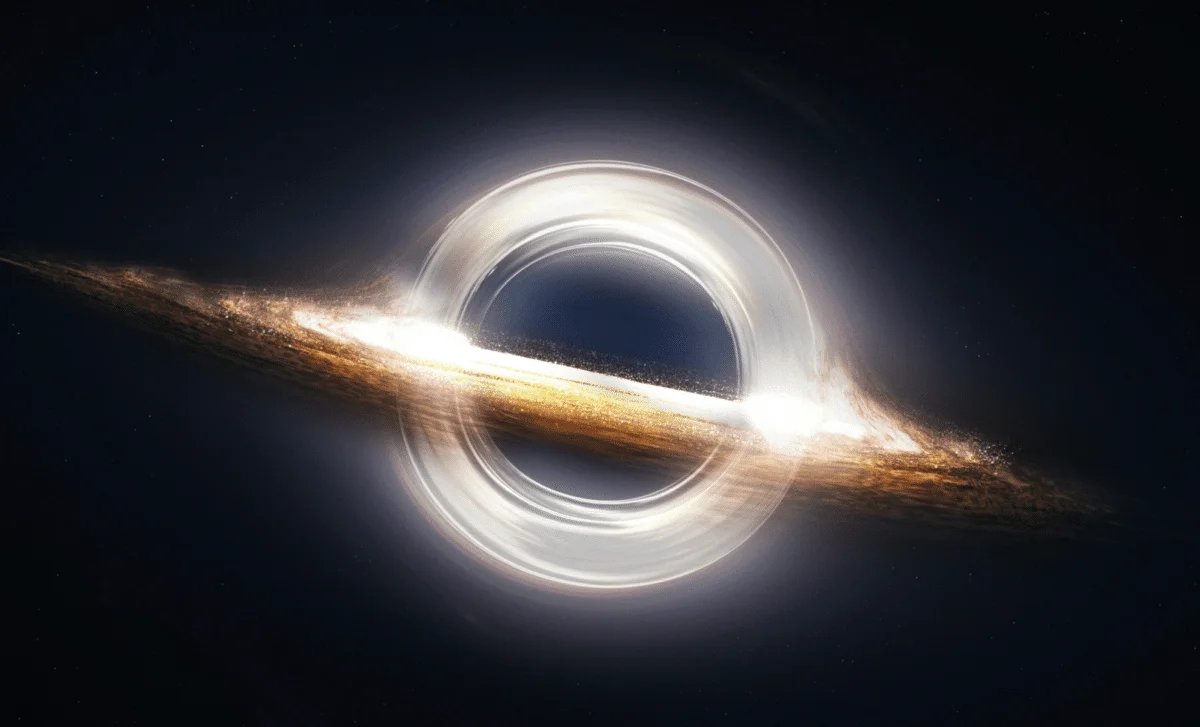
Some physicists propose that our universe might exist inside a black hole of a larger cosmos, based on theories linking black hole information paradoxes, holography, and cosmic geometry, suggesting a universe within a universe concept that challenges traditional views of space and time.

Zombie Stars Could Illuminate Dark Matter Mysteries

Originally Published 16 days ago — by Gizmodo

Featured image for Zombie Stars Could Illuminate Dark Matter Mysteries
Source: Gizmodo

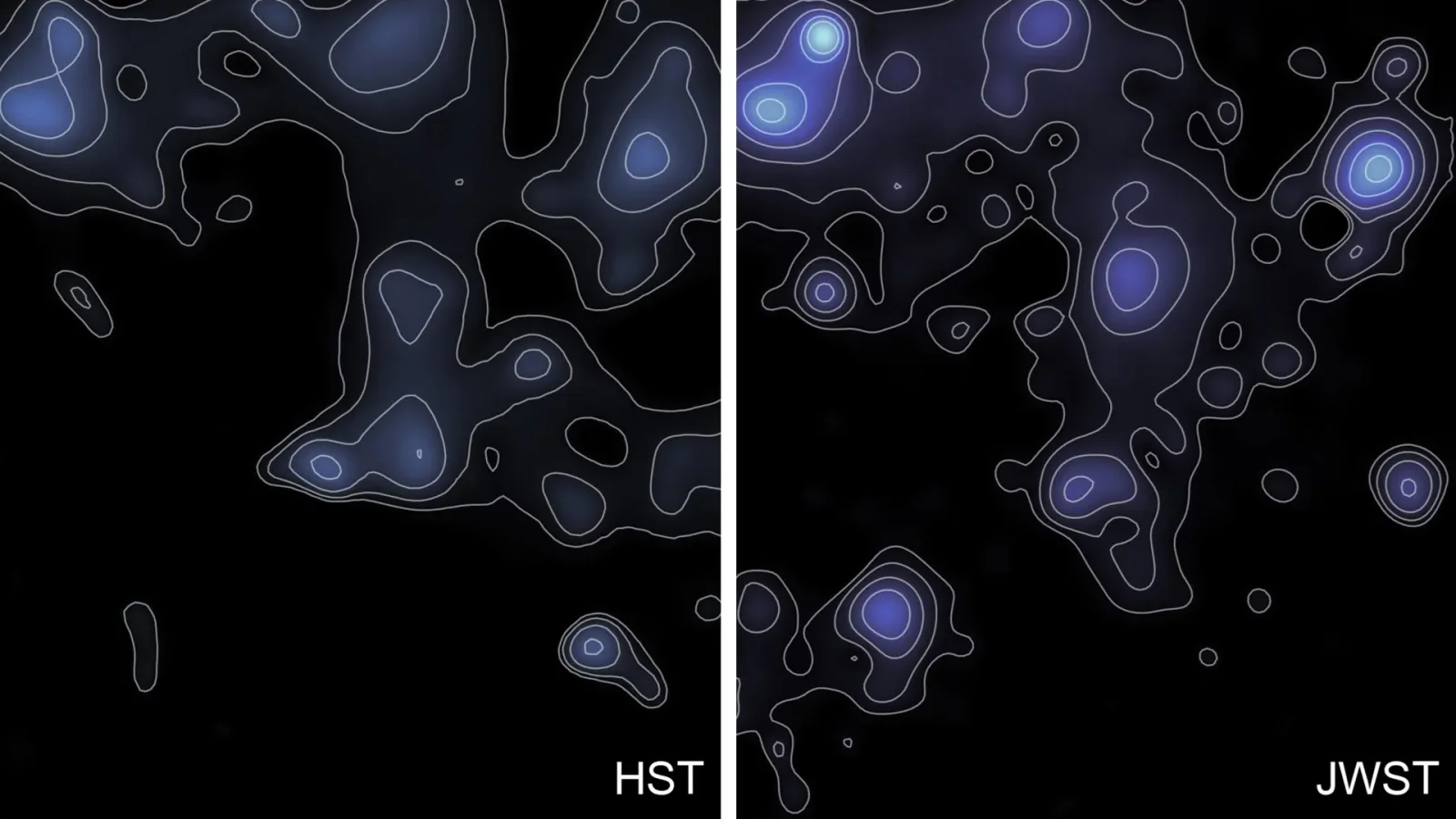
Researchers from the University of British Columbia explored the potential link between axions, a dark matter candidate, and white dwarf stars, using data from the Hubble Space Telescope. Although their analysis did not find evidence of axion-induced cooling, it established new limits on axion-electron interactions, guiding future dark matter research. The study highlights the importance of exploring various astrophysical phenomena to understand elusive particles like axions.

Astronomer Reveals Distribution of Most Normal Matter in the Universe

Originally Published 16 days ago — by Space

Featured image for Astronomer Reveals Distribution of Most Normal Matter in the Universe
Source: Space

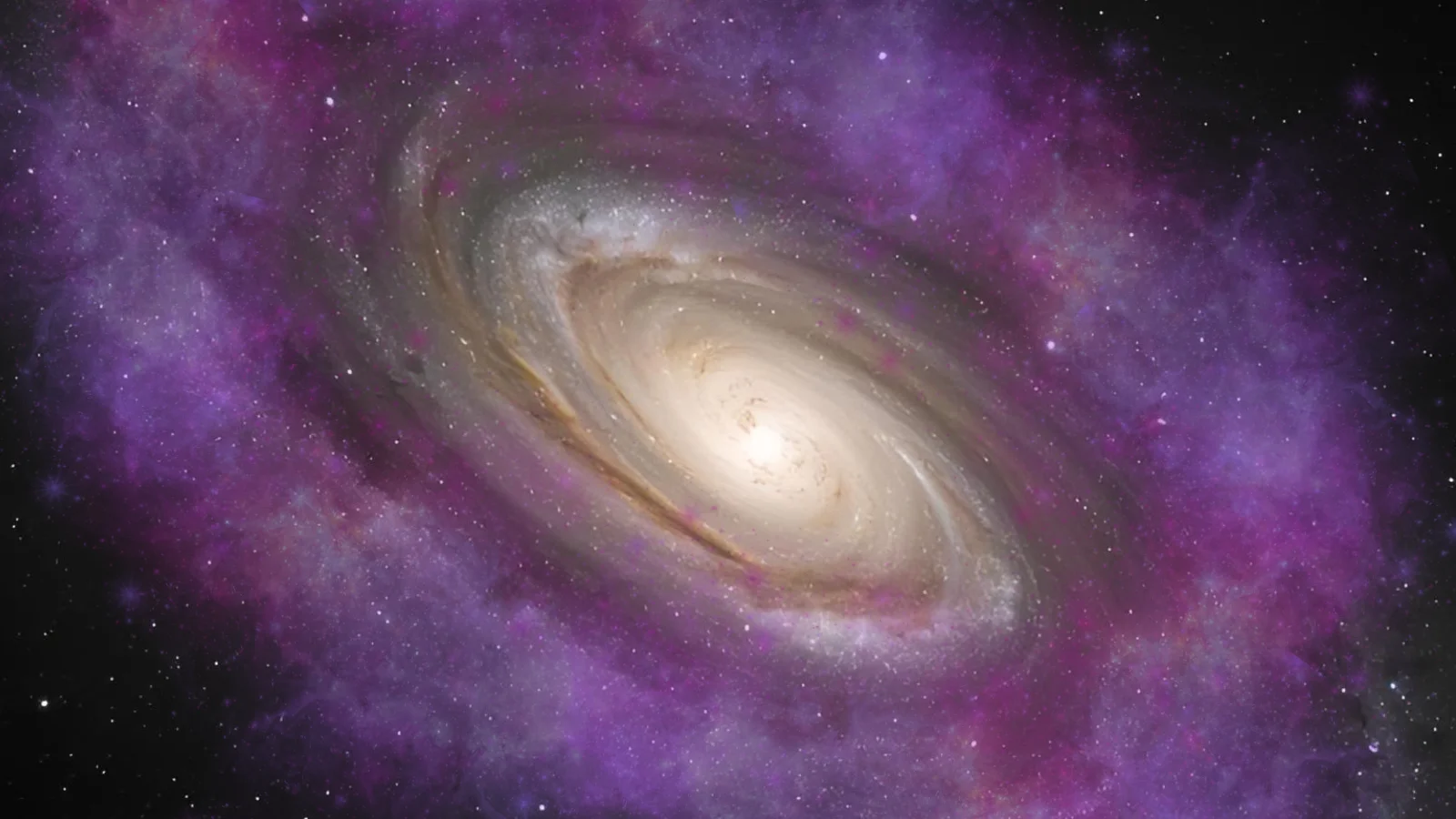
Most of the universe's normal matter isn't in stars or galaxies but is distributed in the cosmic web between galaxies, with recent studies using fast radio bursts confirming that about 76% of normal matter resides in intergalactic space, supporting the Big Bang theory. Dark matter, which makes up most of the universe's mass, remains largely mysterious, but scientists are actively studying it through various methods including underground detectors and telescopes.

Physicists Explore the Possibility of Our Universe as a Black Hole

Originally Published 16 days ago — by IFLScience

Featured image for Physicists Explore the Possibility of Our Universe as a Black Hole
Source: IFLScience

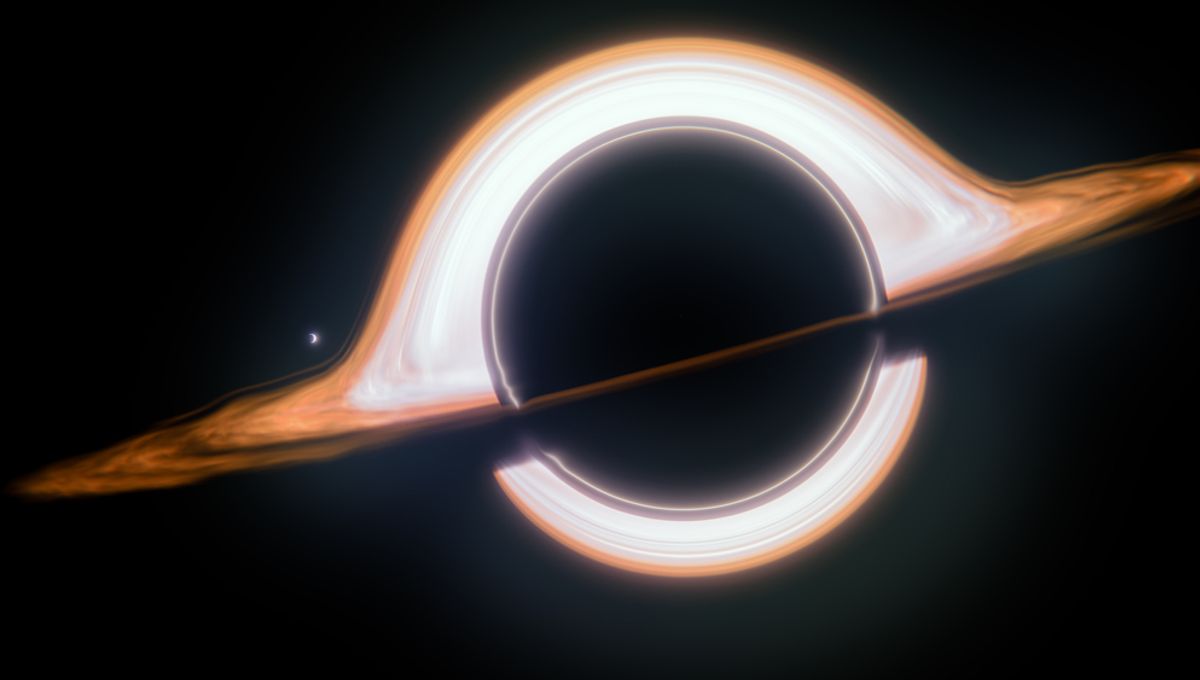
Some physicists speculate that our universe might be a hologram encoded on a 2D boundary or even exist inside a black hole of a larger universe, based on theories related to black hole thermodynamics and the holographic principle, though these ideas remain highly speculative and not widely accepted as definitive explanations.

Research Suggests Universe Is Lopsided

Originally Published 20 days ago — by The Conversation

Featured image for Research Suggests Universe Is Lopsided
Source: The Conversation

New research suggests the universe may be lopsided, challenging the standard cosmological model due to discrepancies between the cosmic microwave background and the distribution of distant astronomical sources, indicating a potential need for a fundamental rethink of our understanding of the cosmos.

15-Year Study Reveals Major Flaws in Our Universe Understanding

Originally Published 27 days ago — by Live Science

Featured image for 15-Year Study Reveals Major Flaws in Our Universe Understanding
Source: Live Science

The final data from the Atacama Cosmology Telescope in Chile has confirmed the Hubble tension—discrepancies in the universe's expansion rate—and ruled out around 30 alternative cosmological models, helping to narrow down the possible explanations for this cosmic mystery.