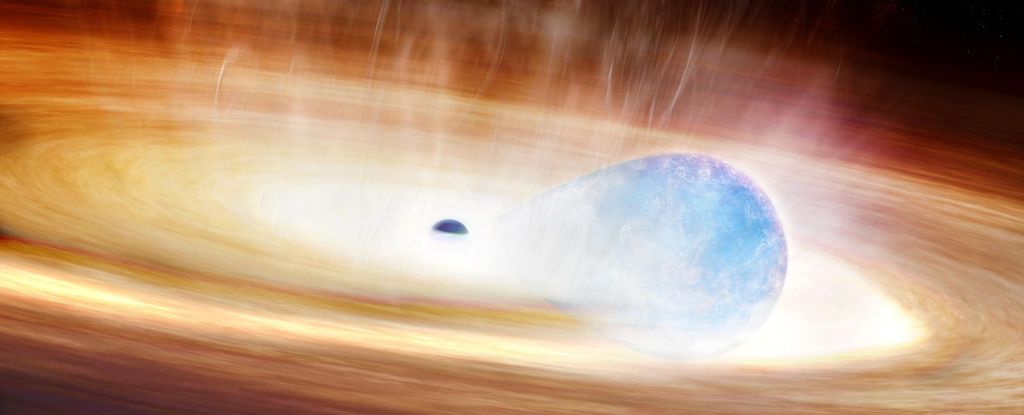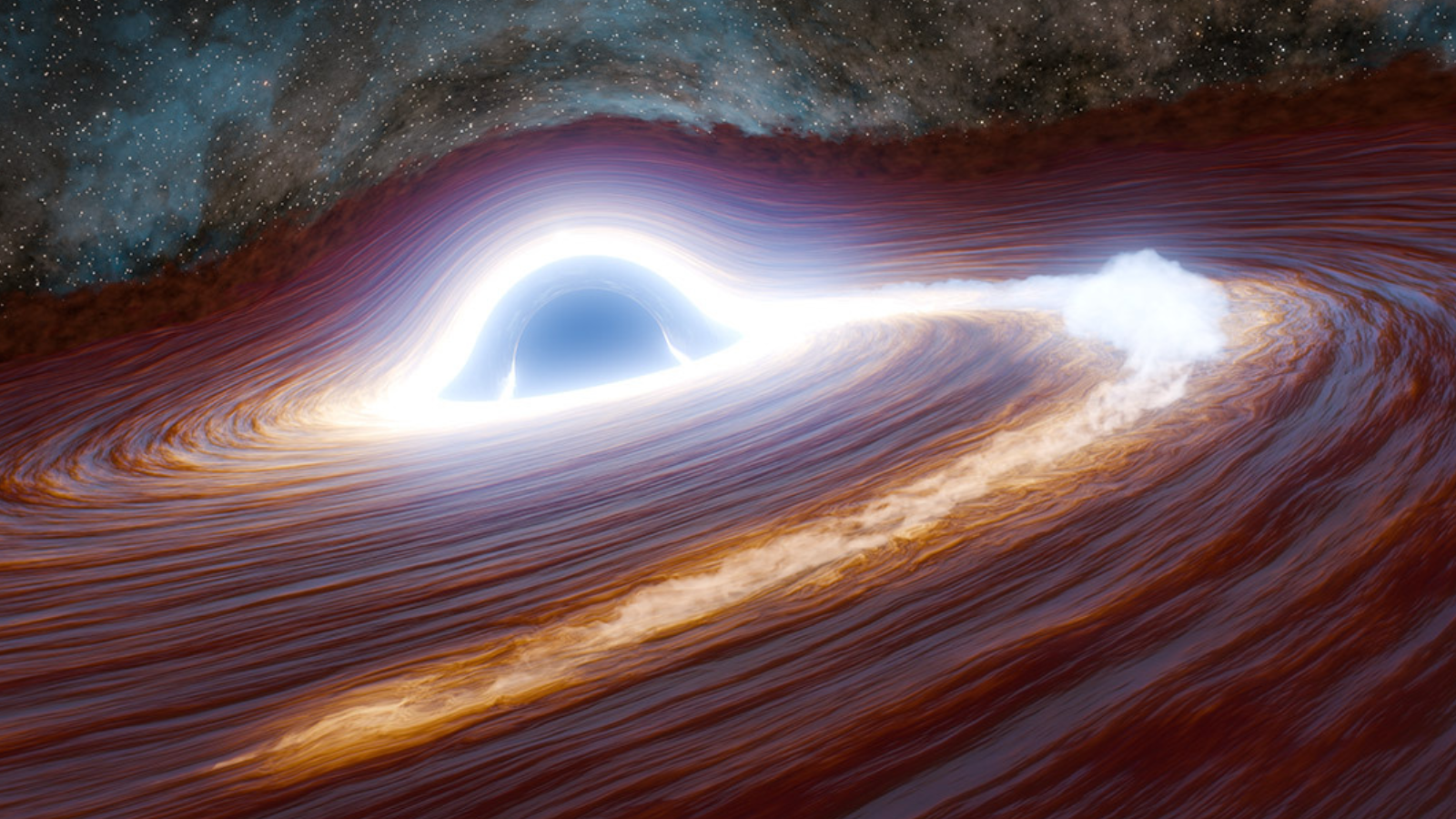
Astronomers observed 'the Whippet,' a powerful Tidal Disruption Event where a super-sized star was shredded by a black hole, releasing energy equivalent to 400 billion suns, providing new insights into black hole behavior and star destruction processes.
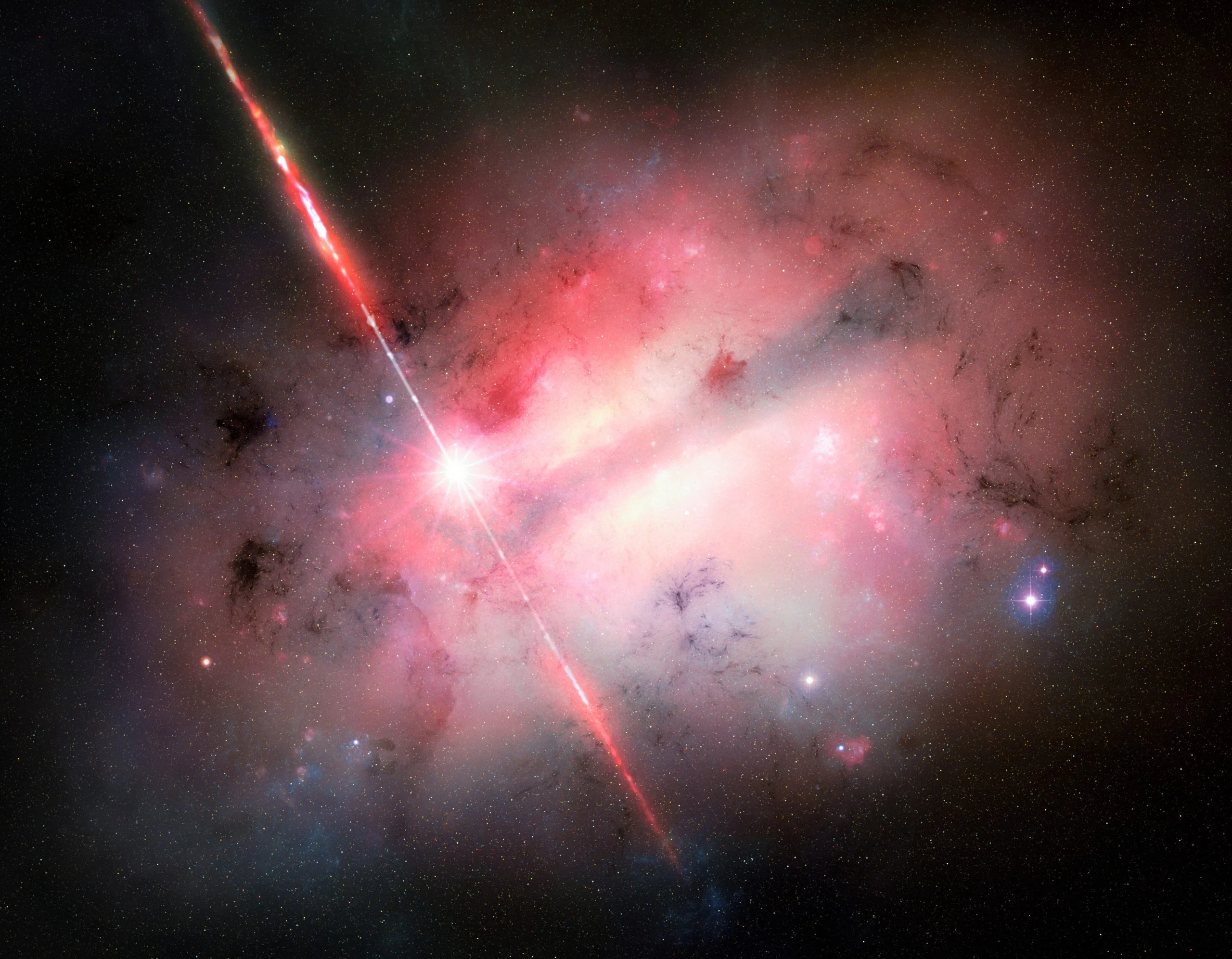
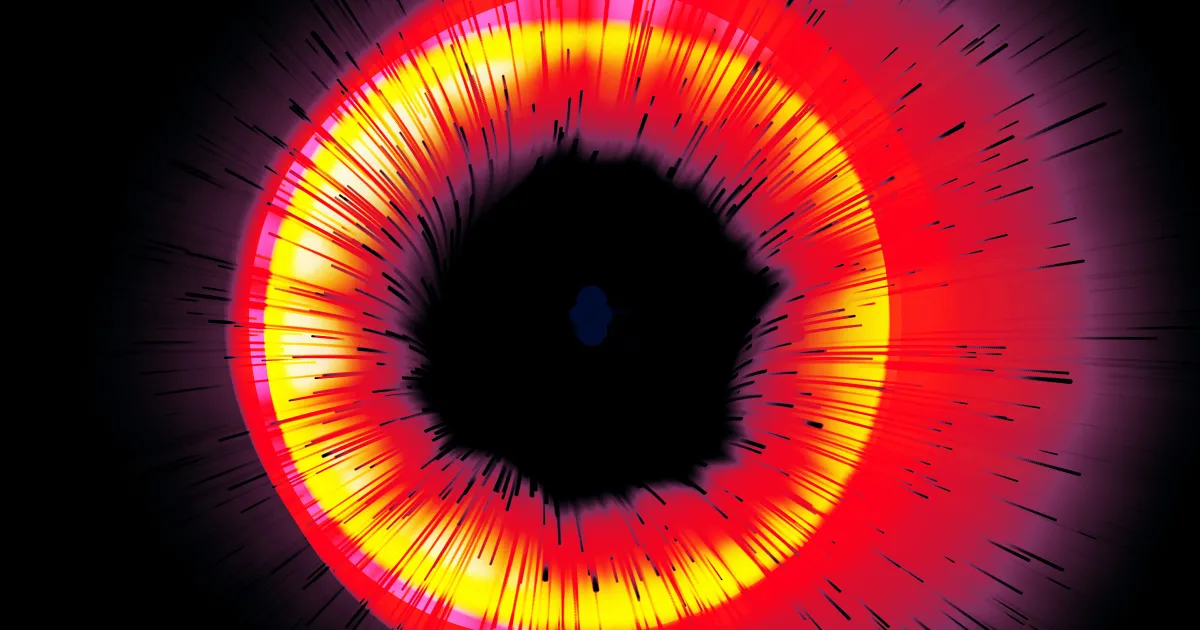
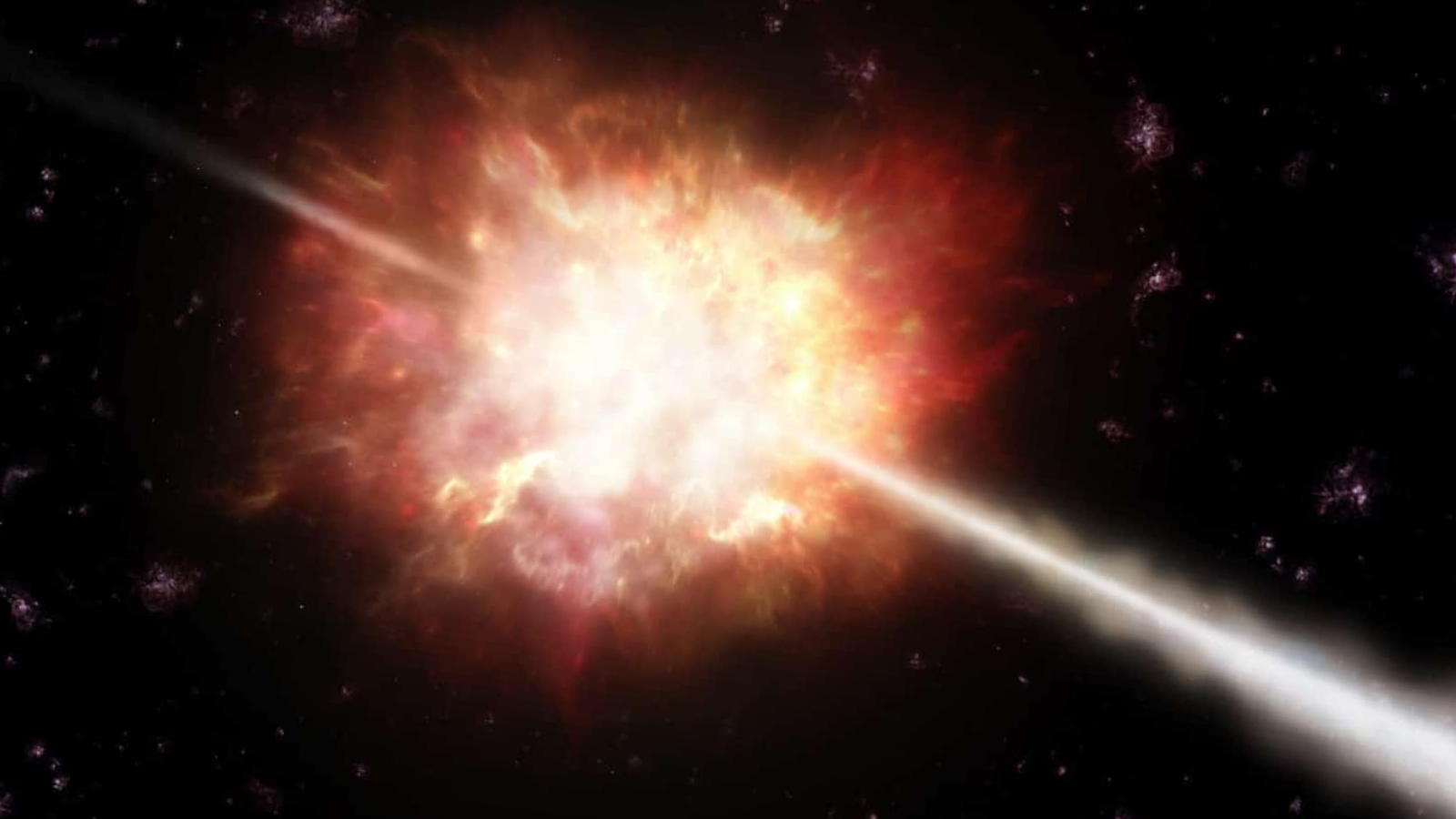
A record-breaking gamma-ray burst lasting nearly seven hours was observed, challenging existing models of such cosmic explosions. The event, originating from a dusty galaxy billions of light-years away, involved a high-speed jet of material and may have resulted from various extreme astrophysical processes. This unprecedented observation offers a unique opportunity to study extreme physics in the universe.
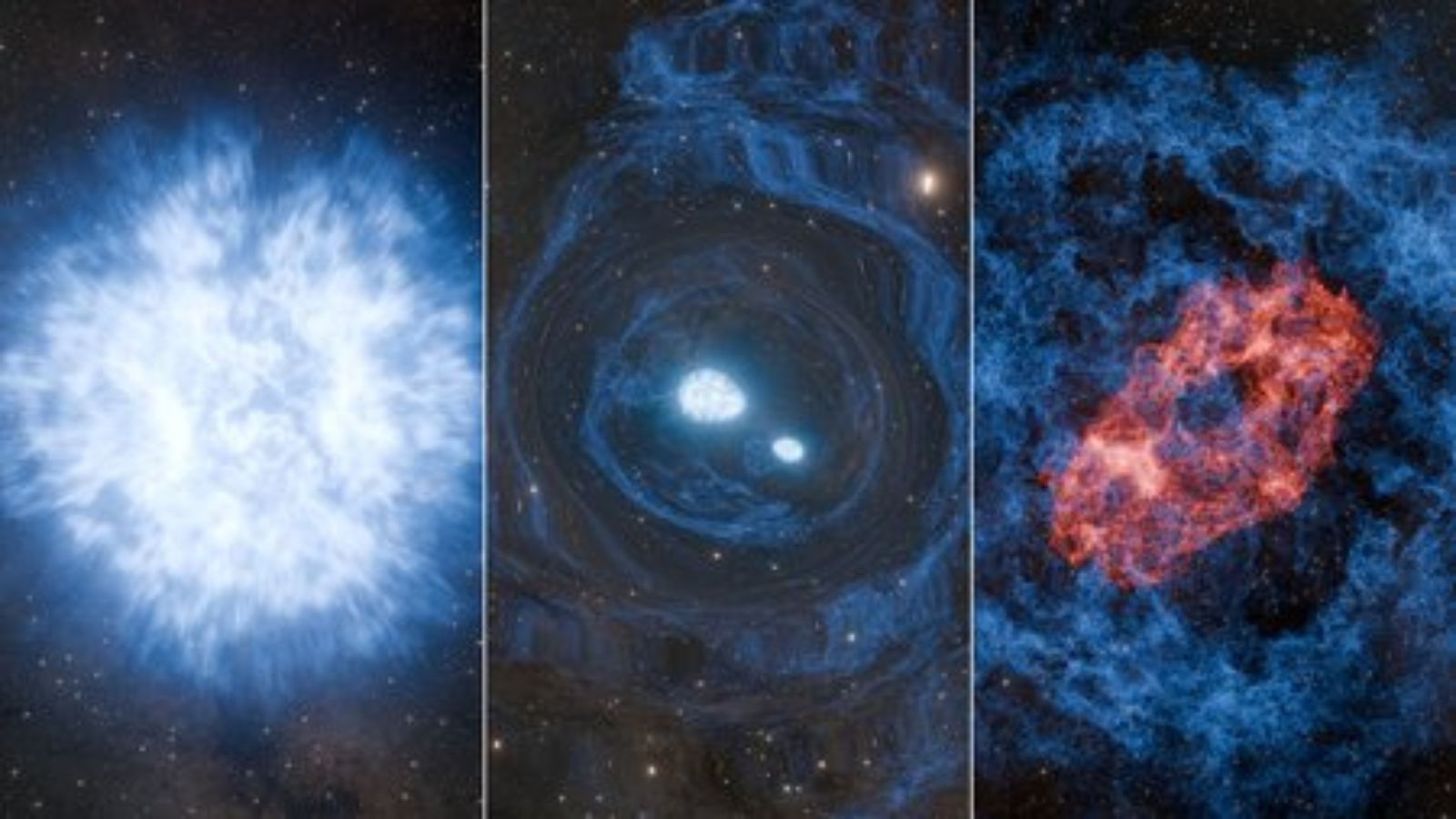
Astronomers may have detected the first superkilonova, a rare cosmic event involving the merger of two neutron stars, evidenced by a gravitational wave signal and unusual electromagnetic observations, suggesting a complex explosion that could involve sub-solar mass neutron stars. More data is needed to confirm this groundbreaking discovery.
Astronomers observed an unusually long and repeating gamma ray burst, GRB 250702B, which may be caused by a stellar-mass black hole devouring a star from the inside, challenging existing theories about such cosmic events.
Scientists observed a mysterious, long-lasting gamma-ray burst that lasted nearly a day, unlike typical bursts that last milliseconds to minutes. The event, detected by NASA and Chinese space telescopes, appears to originate from beyond our galaxy and may involve an unusual black hole or a star being torn apart, making it a unique and puzzling cosmic phenomenon.
Scientists observed a mysterious gamma-ray burst lasting nearly a day, unlike any previously recorded, and are exploring explanations involving unusual black holes or stellar events, but its exact cause remains unknown.
Astronomers have discovered a unique repeating gamma-ray burst, GRB 250702B, which lasted about a day and erupted multiple times, unlike typical GRBs. Initially detected by NASA's Fermi telescope, further observations confirmed it originated outside the Milky Way, making it the first of its kind observed in 50 years. Its unusual behavior challenges existing theories about gamma-ray bursts, and further studies are underway to understand its cause.
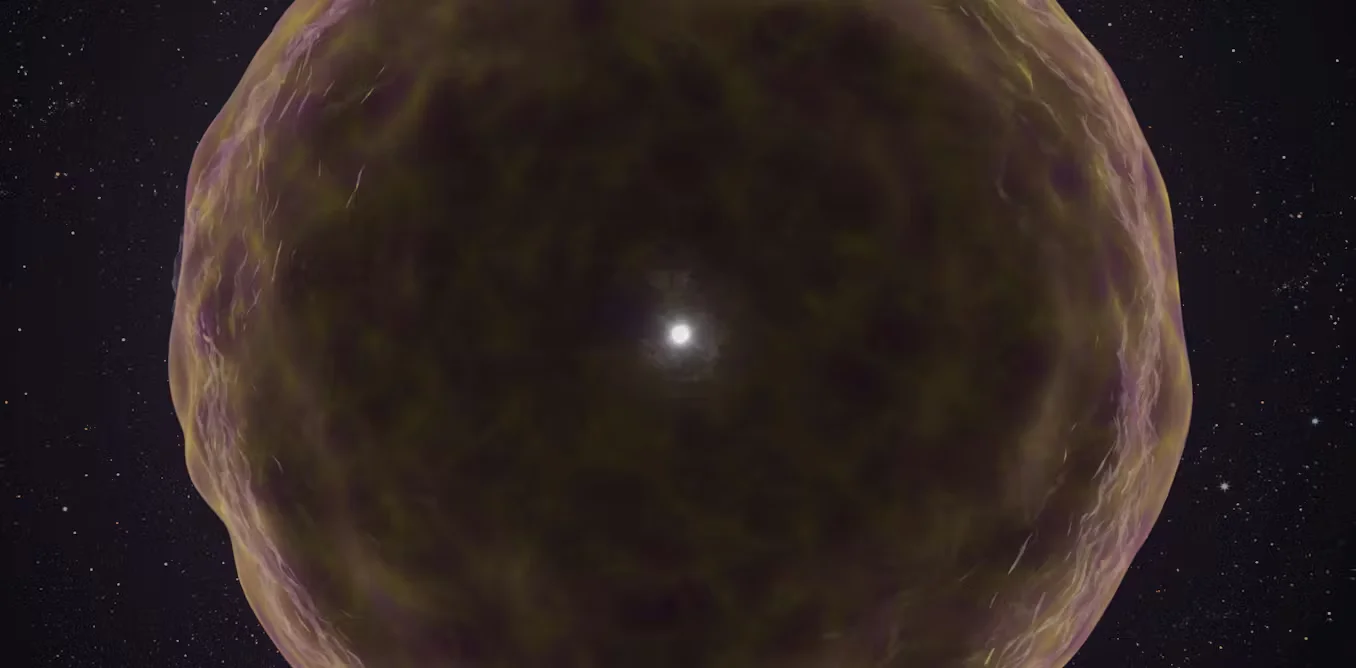
Astronomers observed the core of a dying star in a rare supernova, confirming theories about how elements are formed inside massive stars through nuclear fusion and revealing new insights into the star's layered structure and explosion process, which are crucial for understanding the universe's chemical makeup.
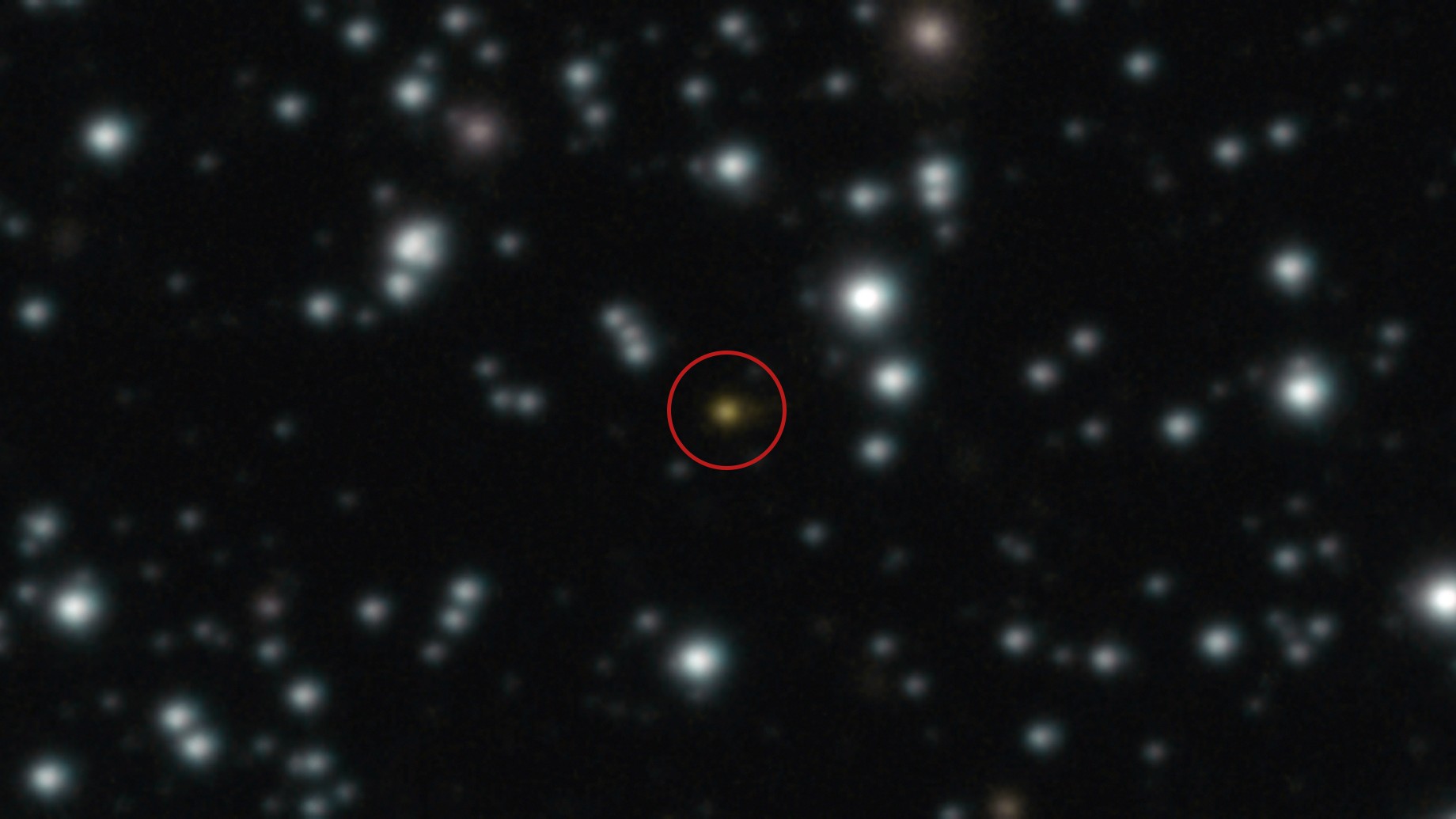
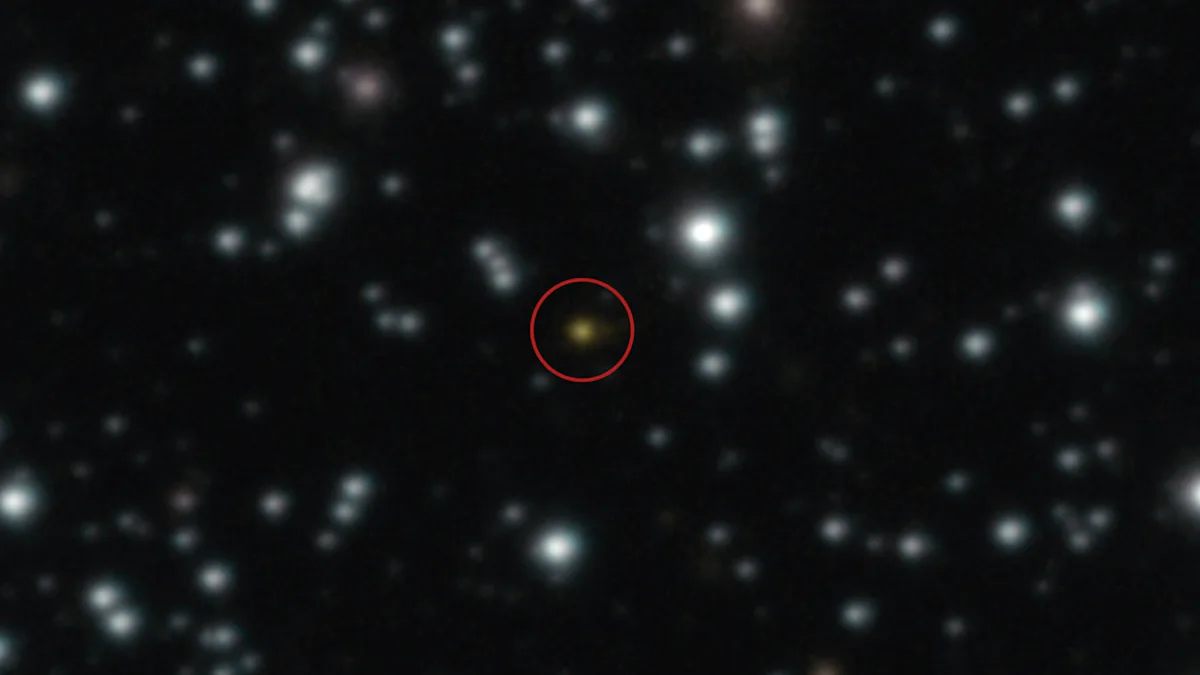
Astronomers observed an unusual supernova, SN 2023zkd, which may have been triggered by a giant star attempting to swallow a black hole, leading to a new understanding of star-black hole interactions and supernova mechanisms.
Scientists suggest that a cosmic explosion, possibly from a comet fragment, around 12,800 years ago caused a massive impact event in Louisiana, creating a crater and supporting the Younger Dryas Impact Hypothesis, which links the event to the sudden climate change and the destruction of an advanced ancient civilization.
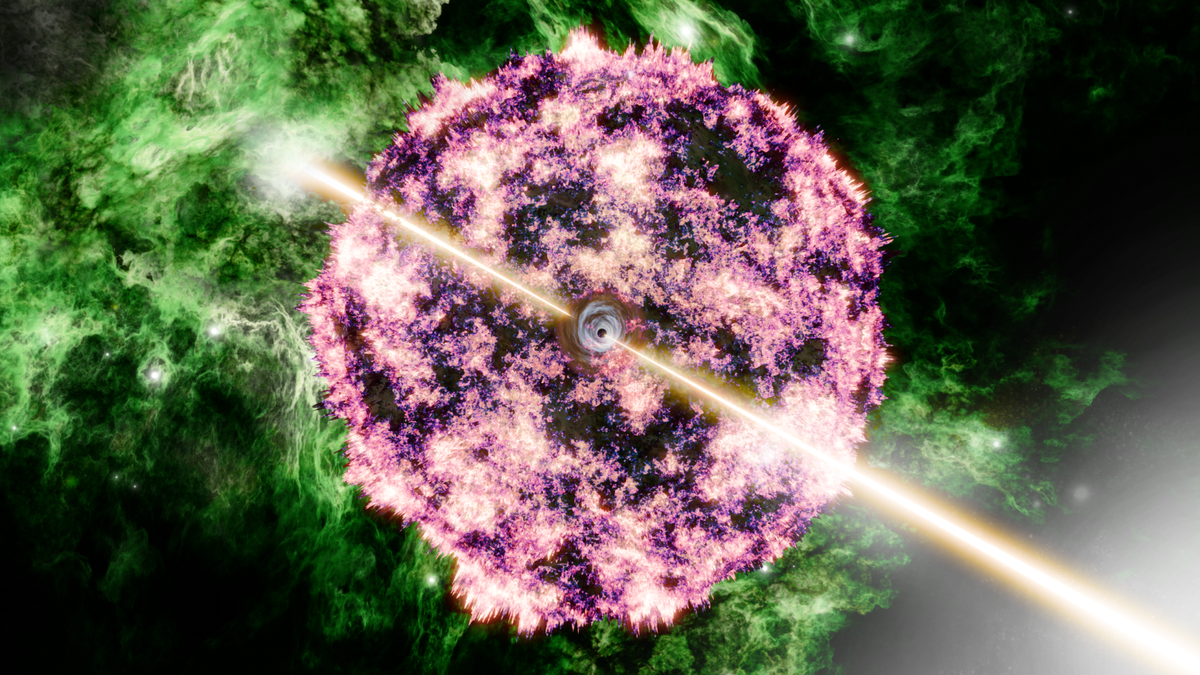
Astronomers have studied the most powerful gamma-ray burst ever detected, called BOAT, which originated from a supernova in a star 2.4 million light-years away, providing new insights into the structure of jets in such explosions and demonstrating the capabilities of advanced telescopes like LST-1.
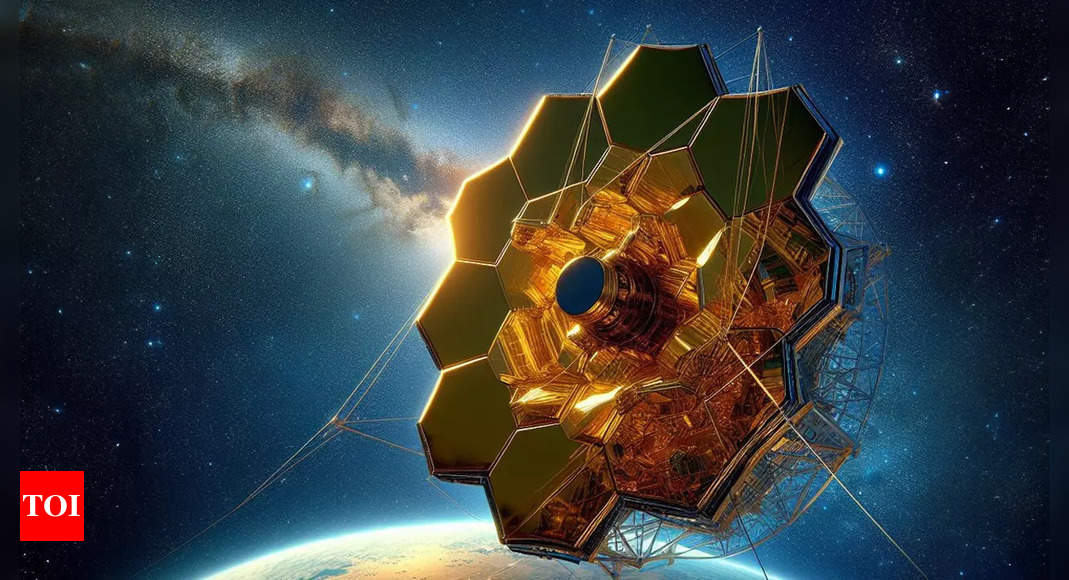
The James Webb Space Telescope has identified the source of a powerful cosmic explosion, known as "the BOAT," as a colossal supernova resulting from the collapse of a massive star, challenging existing understanding of cosmic element formation. The burst emitted some of the highest-energy photons ever recorded and was so bright that it obscured any supernova signatures, necessitating a waiting period before the JWST could observe the explosion site. Further observations revealed typical supernova elements but no heavy elements beyond iron, leading researchers to propose that the BOAT's unusual luminosity could be due to its material being channeled through an exceptionally narrow relativistic jet. This discovery marks a significant step in cosmic research and prompts further study of other supernovas using the JWST.
Researchers have determined that the extremely bright cosmic explosion known as the Brightest Of All Time (BOAT) was caused by a supernova, but found no signs of heavy elements like gold and platinum, deepening the mystery of their origins. The event, observed with the Webb Space Telescope, lasted 10 hours and emitted gamma-rays with energies reaching up to 13 teraelectronvolts. The findings challenge previous hypotheses about the production of heavy elements and point to alternative channels for their creation, prompting astronomers to rework their models of cosmic phenomena.
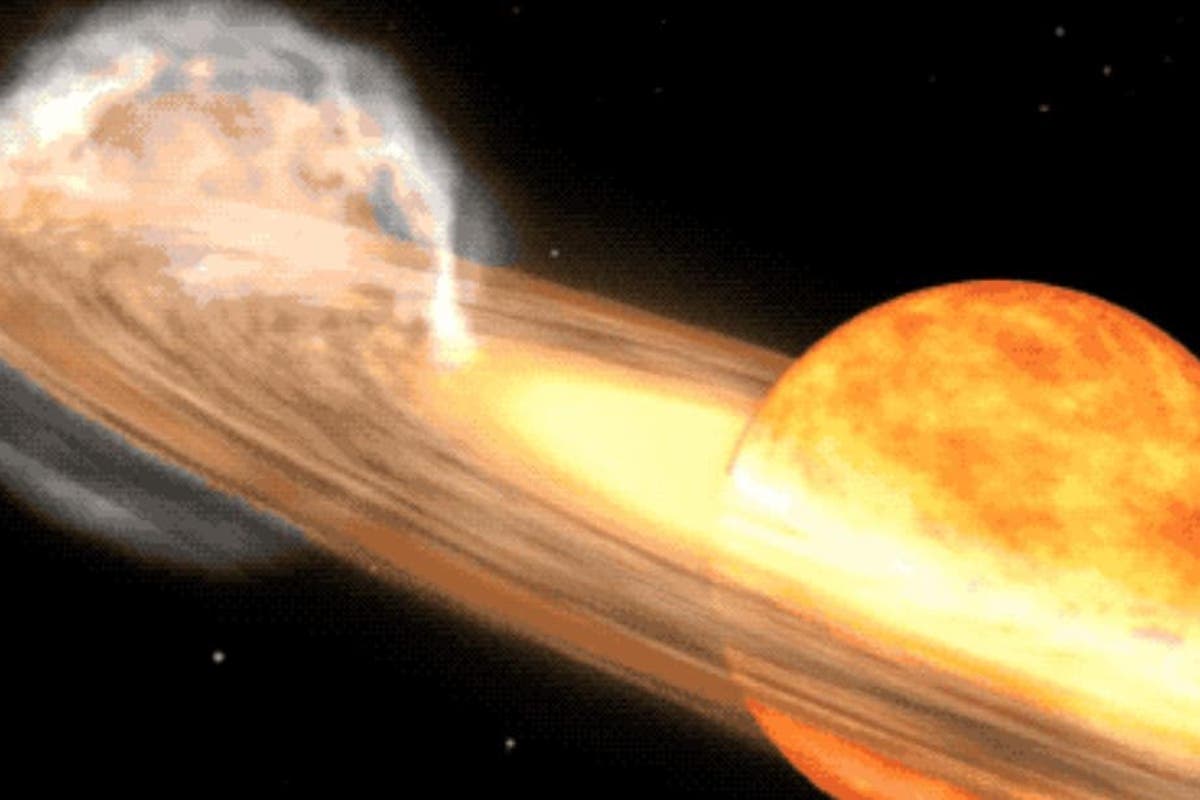
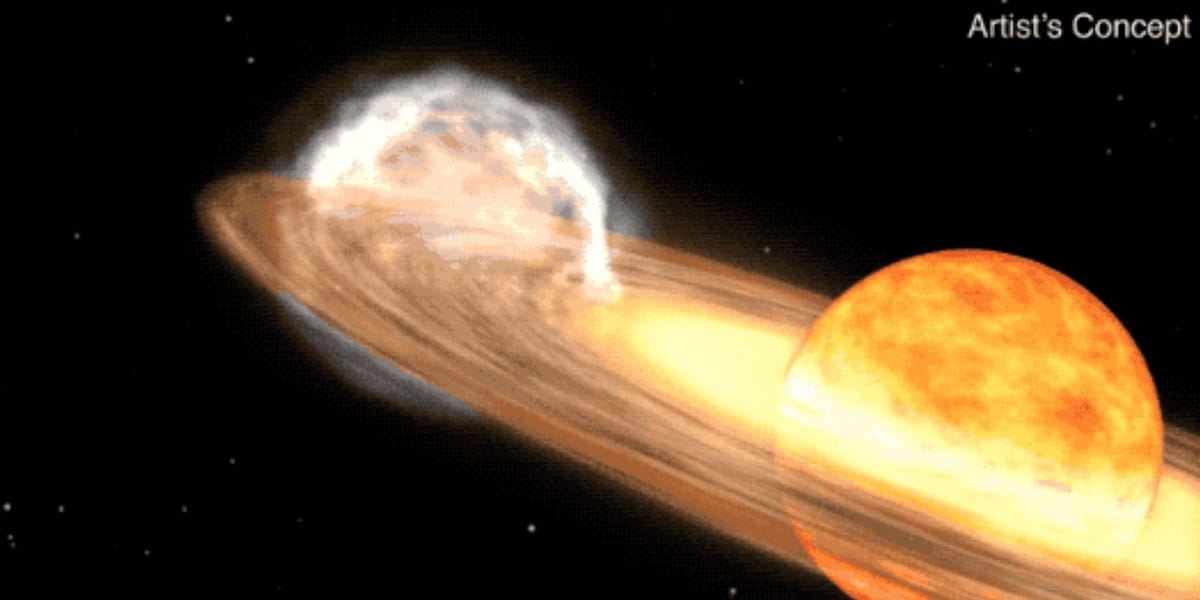
Astronomers predict that a once-in-a-lifetime cosmic explosion in the T Coronae Borealis system, resulting from the interaction between two stars, will create a new, bright star visible to the naked eye for several days. This event, known as a nova, is expected to occur between now and September this year, and will make T Coronae Borealis the brightest star in the Corona Borealis constellation before gradually fading. The constellation can be observed in the UK, with the best viewing time approaching in the spring.
NASA predicts a rare "once-in-a-lifetime" cosmic explosion, a nova, to occur by September, visible to the naked eye despite being 3,000 lightyears away. The explosion will be caused by a thermonuclear reaction between a white dwarf and a red giant star in the T Coronae Borealis system, resulting in a bright new star visible near the Corona Borealis constellation for several days before dimming and potentially not being visible for another 80 years.