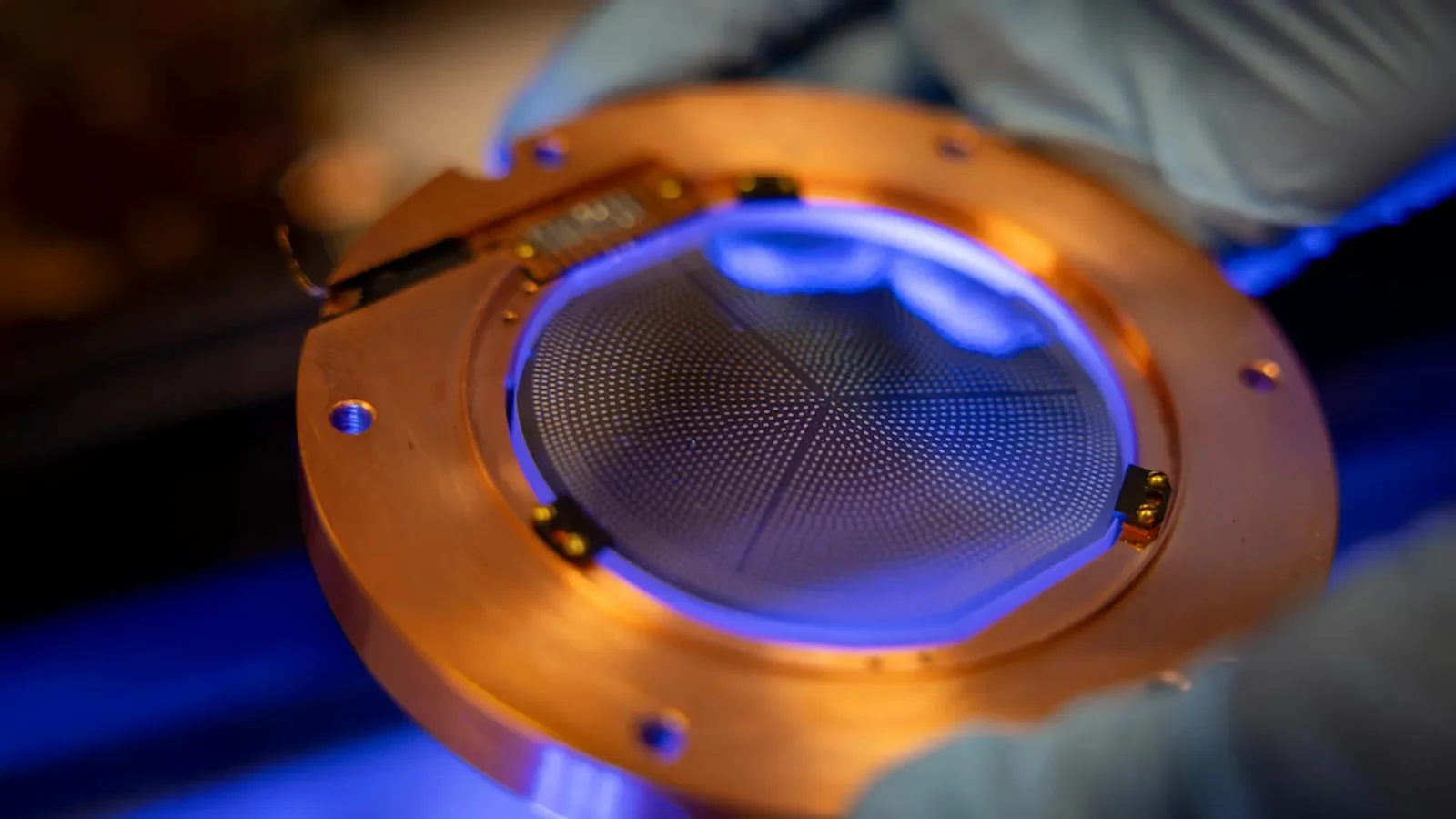
Scientists, including Dr. Rupak Mahapatra, are making progress in understanding dark matter and dark energy, which constitute about 95% of the universe. Using advanced cryogenic detectors like TESSERACT and building on decades of research, they aim to detect elusive particles such as WIMPs, potentially unlocking fundamental secrets of the cosmos and expanding our understanding of physics.

Physicists at the University of Tokyo and Chuo University have developed a highly sensitive quantum sensor array that could potentially detect and track dark matter by measuring its movement through space, offering a more general and sensitive approach than traditional methods, though it remains at the theoretical stage.
MIT physicists have proposed a theoretical concept for a neutrino laser using a Bose-Einstein Condensate of rubidium-83 atoms, which could enable more precise study of neutrinos and potentially revolutionize particle physics and communication technologies.
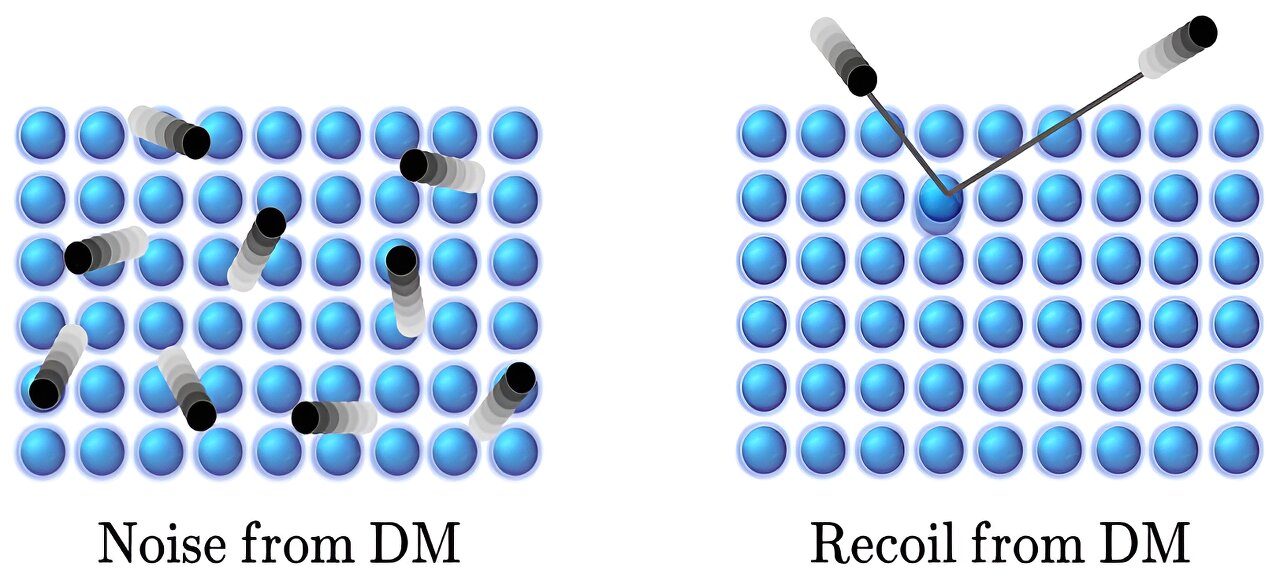
Physicists at the SLAC National Accelerator Laboratory propose a new method to search for dark matter using quantum devices that could be naturally tuned to detect thermalized dark matter, which may be present in and around Earth. This small-scale solution could be key to solving the large-scale mystery of dark matter, as it could potentially detect low-energy galactic dark matter as well as thermalized dark matter particles. The researchers are exploring the possibility of redesigning superconducting quantum devices as thermalized dark matter detectors and considering different materials and interactions to improve the detection process.
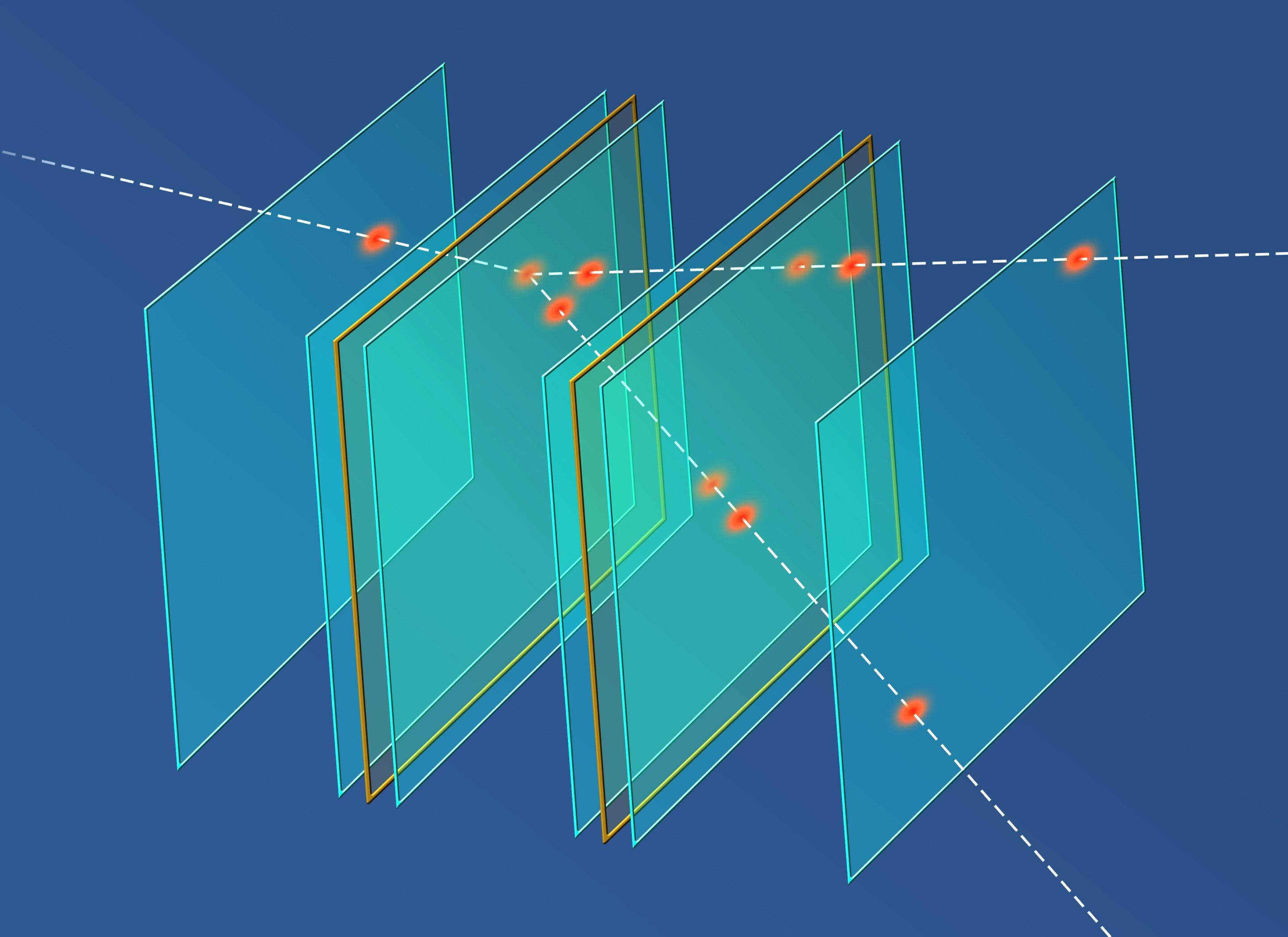
Scientists from the Institute of Nuclear Physics of the Polish Academy of Sciences propose using artificial intelligence (AI) to rapidly reconstruct particle tracks in high-energy physics experiments, such as the MUonE experiment, which aims to explore new physics. The AI, a deep neural network, was trained using simulated particle collisions and demonstrated the ability to reconstruct particle tracks as accurately as classical algorithms. If successful, this AI-based approach could significantly improve the precision of measurements and potentially lead to the discovery of new physics.