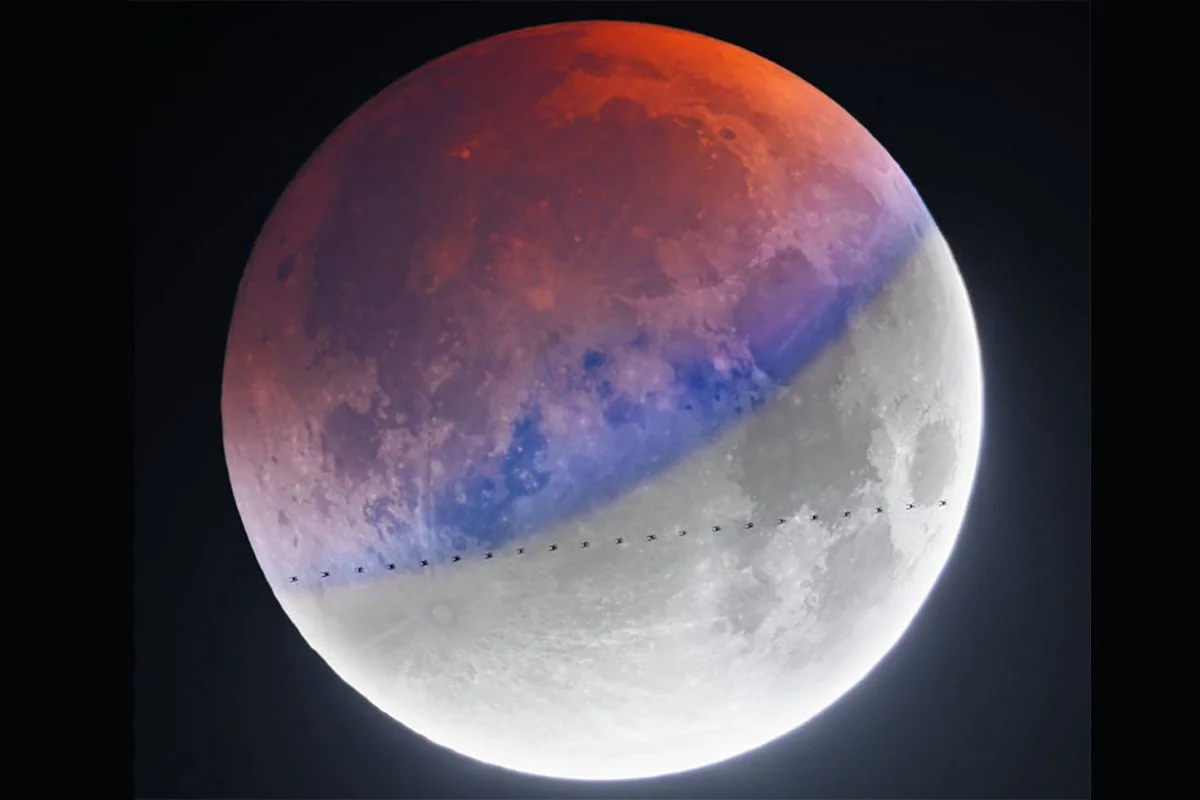
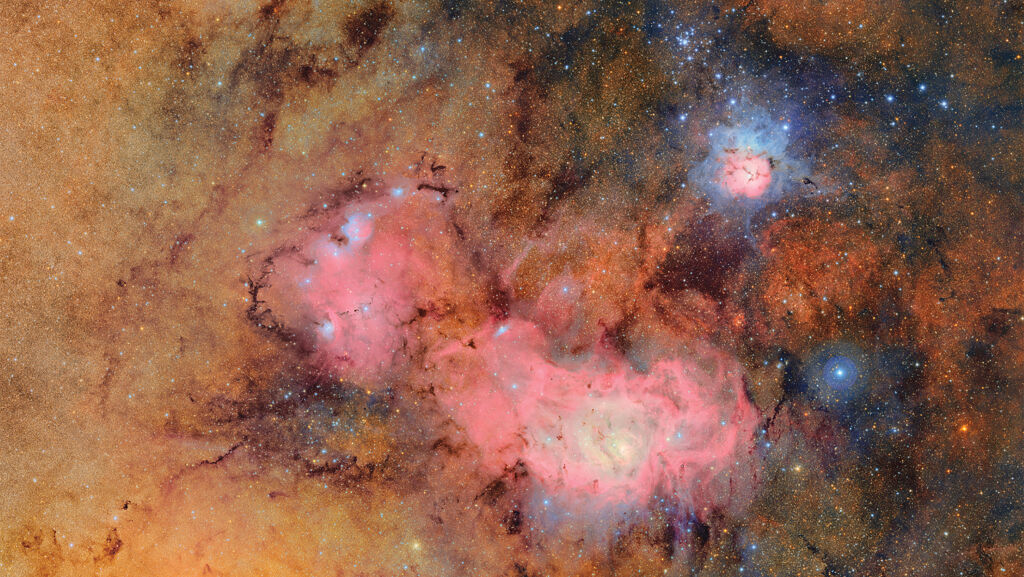
The article showcases some of the best astrophotography images of 2025, highlighting amateur and professional captures of celestial objects and events, demonstrating advancements in equipment and techniques used to photograph the universe.
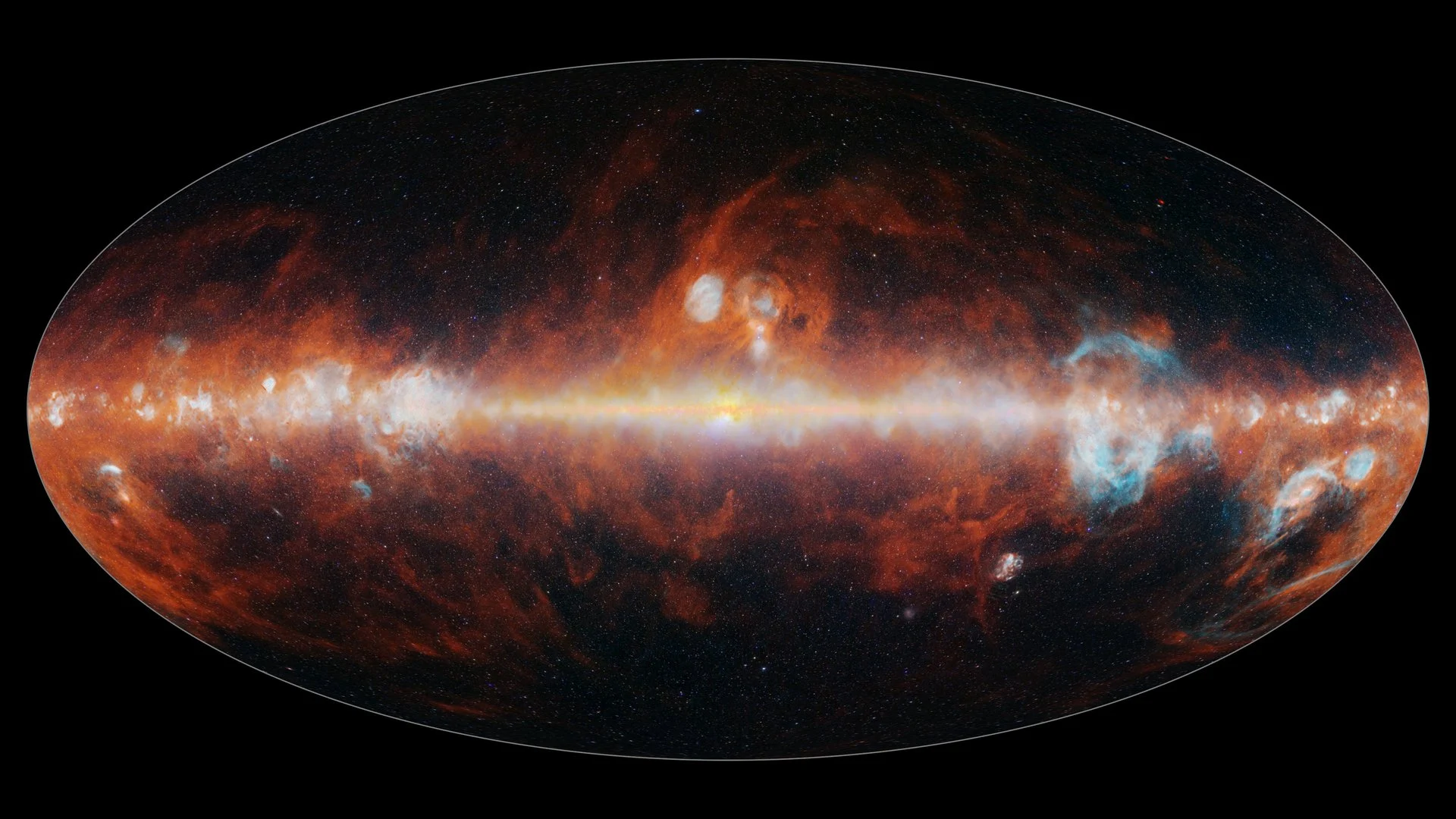
NASA's SPHEREx observatory has completed its first full-sky infrared map in 102 wavelengths, capturing data on over 450 million galaxies and providing new insights into the universe's origins, galaxy evolution, and cosmic structure. The mission's extensive multi-wavelength data will help address fundamental cosmological questions and is now publicly available.
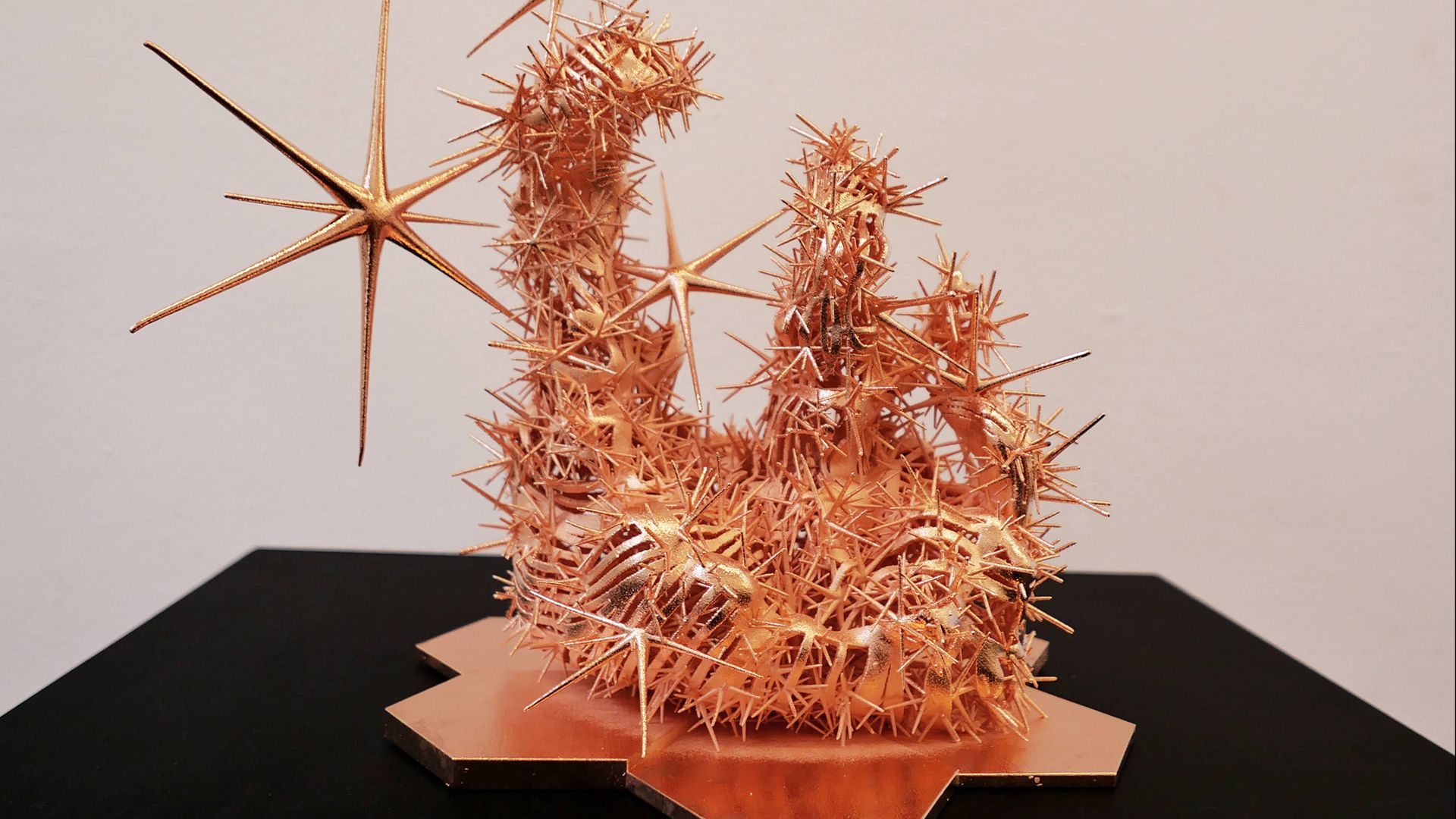
Artist Ashley Zelinskie has launched a three-part exhibit titled 'Unfolding the Universe,' celebrating the James Webb Space Telescope through artwork, sculptures, textiles, and VR experiences, highlighting NASA, ESA, and CSA contributions to space exploration.
The article discusses the advancements in astronomical observation with the launch of new telescopes, including the James Webb Space Telescope and the Vera C. Rubin Observatory, highlighting their capabilities to capture unprecedented images of the universe, discover new celestial objects, and deepen our understanding of cosmic phenomena, all while connecting these discoveries to a spiritual perspective on mankind's potential and divine creation.
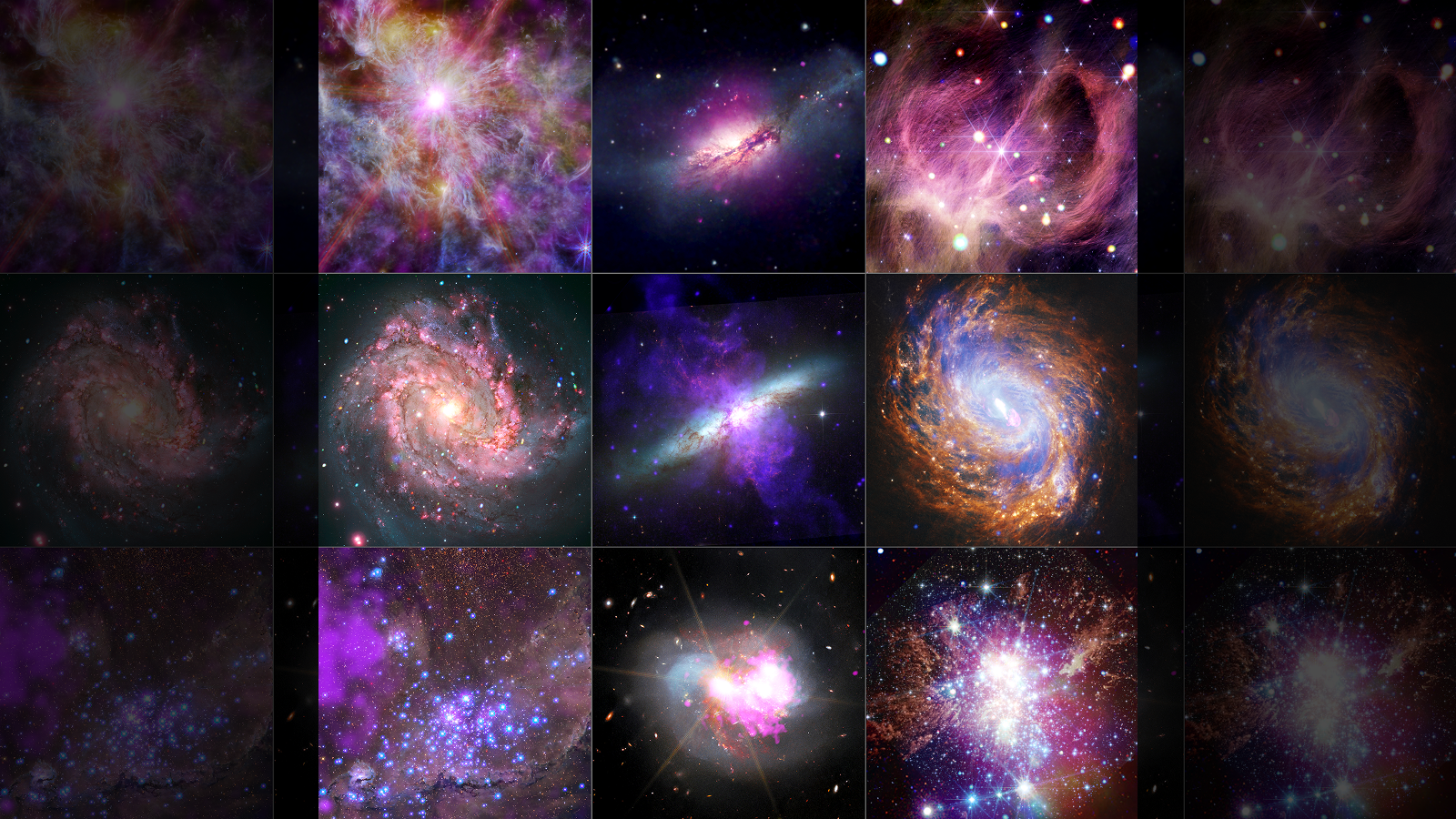
NASA released nine stunning X-ray images from its Chandra telescope, showcasing energetic regions like black holes, supernova remnants, and star-forming areas, in collaboration with Hubble and JWST, highlighting different aspects of the universe through high-energy X-ray vision.
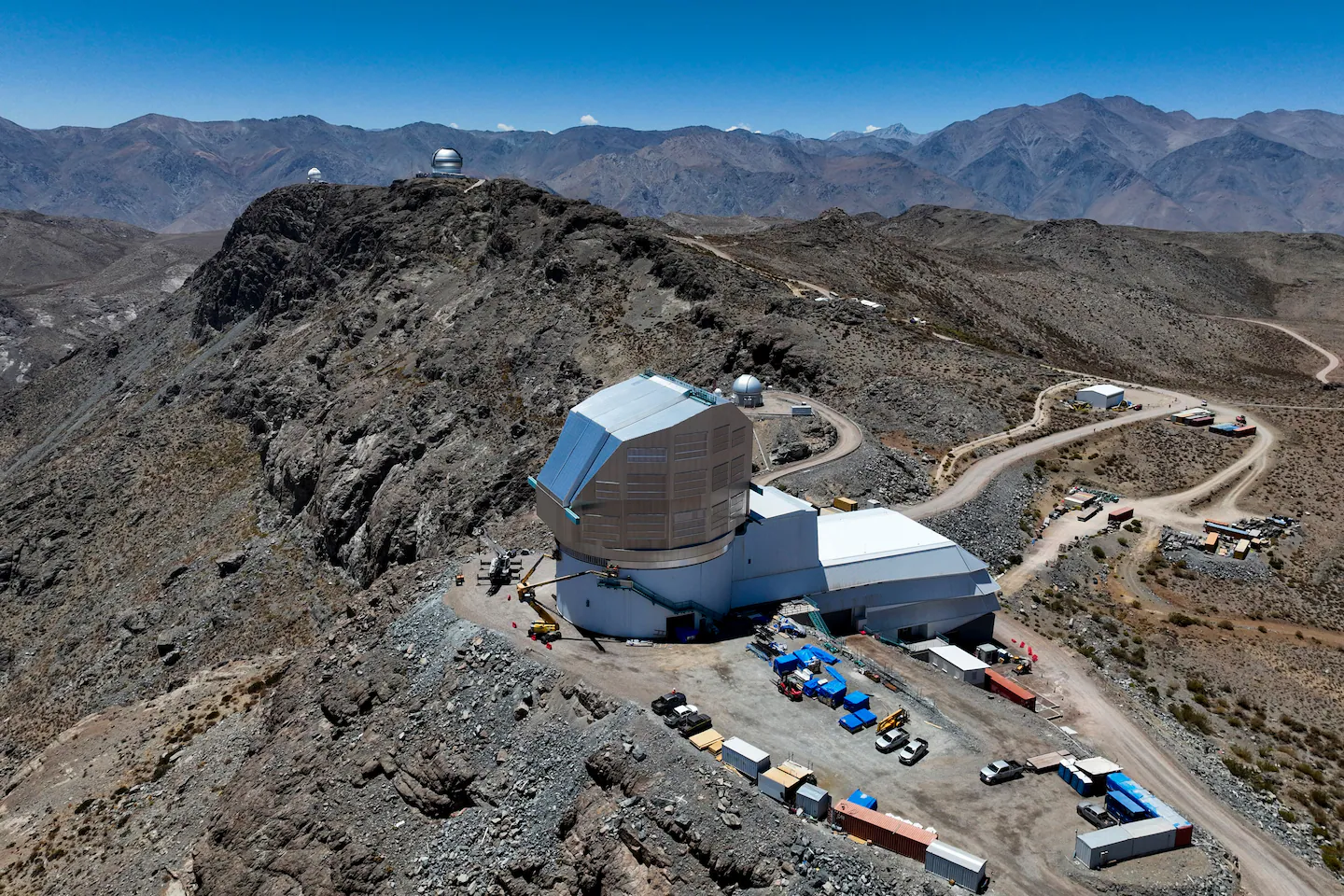
The Vera Rubin telescope in Chile is set to conduct a groundbreaking survey of the southern hemisphere's universe, aiming to discover more galaxies and millions of new asteroids.
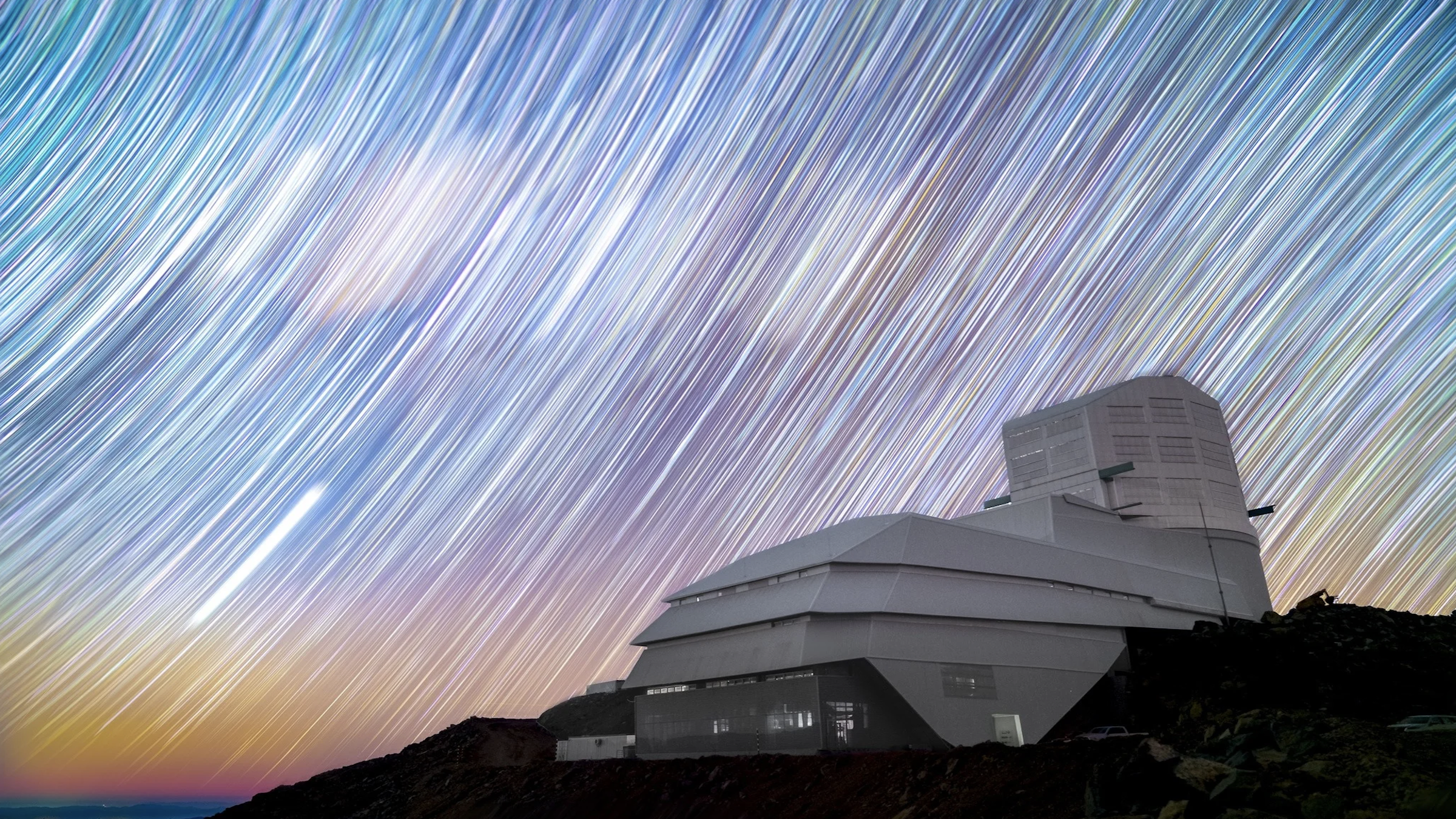
The Vera C. Rubin Observatory in Chile is set to release its first ultra-high-definition images taken with the world's largest digital camera, showcasing its advanced capabilities to observe the universe in unprecedented detail, with live streams and watch parties available for the public to witness these groundbreaking space photos for the first time.
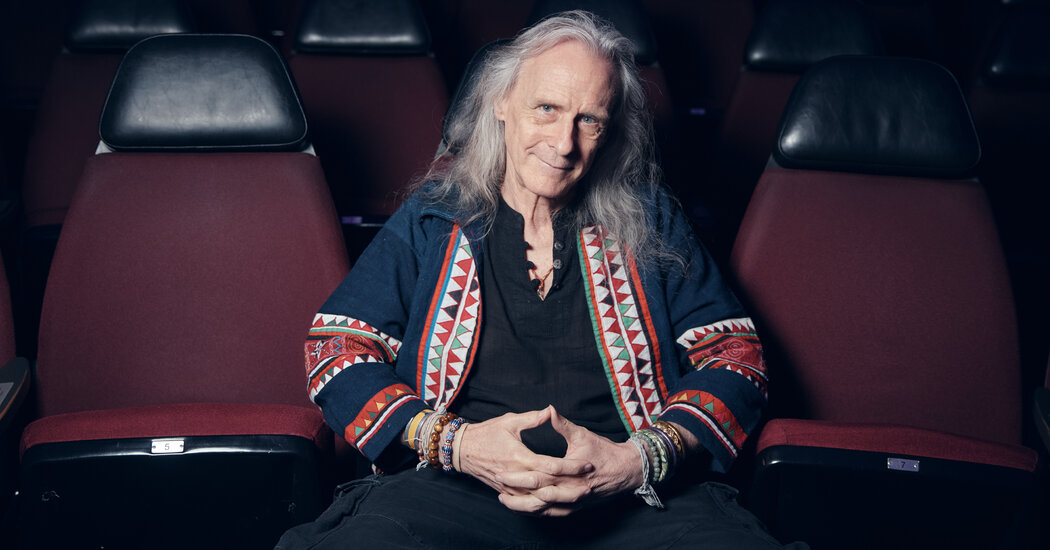
Carter Emmart, the longtime director of astro-visualization at the Hayden Planetarium, is retiring after nearly three decades of creating immersive planetarium shows that explore the universe, but he is eager to explore new galaxies beyond his current role.
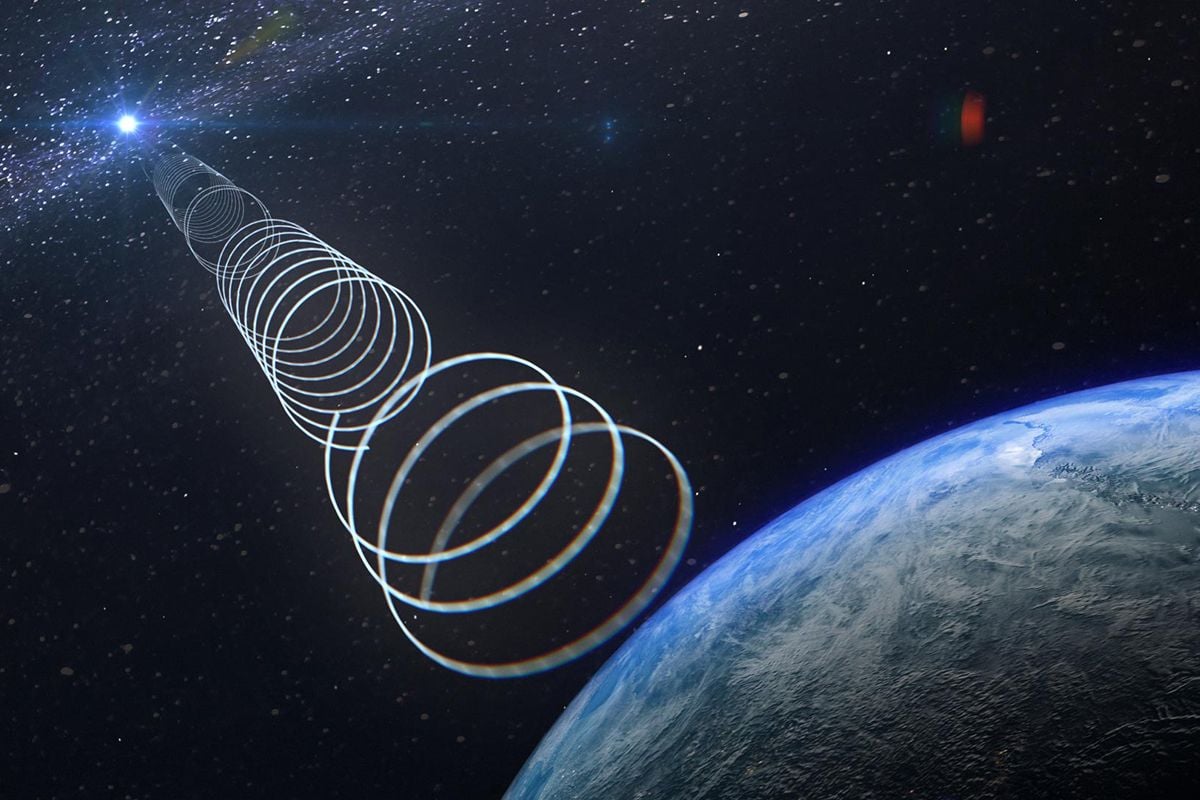
Astronomers have discovered a distant star, ASKAP J1832−0911, 15,000 light years away, emitting mysterious radio and X-ray signals with unusual behavior, including a 44-minute pulse and dramatic fading over six months, challenging existing classifications of stellar objects and potentially transforming our understanding of the universe.
China's space agency launched the Tianwen-2 spacecraft to collect samples from asteroids near Mars and explore a comet, aiming to expand human knowledge of the cosmos with groundbreaking discoveries, marking a significant step in China's interplanetary exploration efforts.
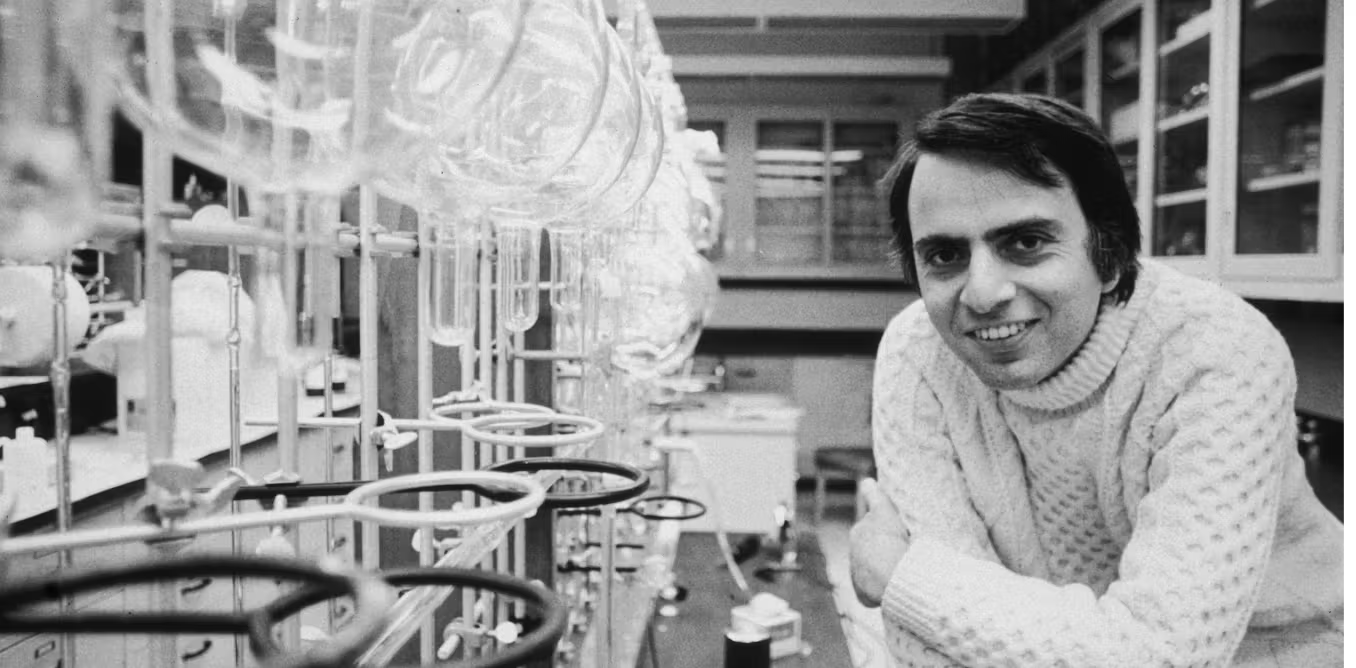
Carl Sagan, a renowned astronomer and science communicator, profoundly influenced public understanding of the cosmos through his insatiable curiosity and passion for making science accessible. From his early fascination with stars to his groundbreaking work on planetary science and astrobiology, Sagan's contributions extended beyond academia to popular media, notably through his Emmy-winning series "Cosmos." Despite facing criticism for his public engagement and controversial stances, such as the nuclear winter theory, Sagan's legacy endures in his efforts to communicate the wonders of the universe and the importance of scientific inquiry.
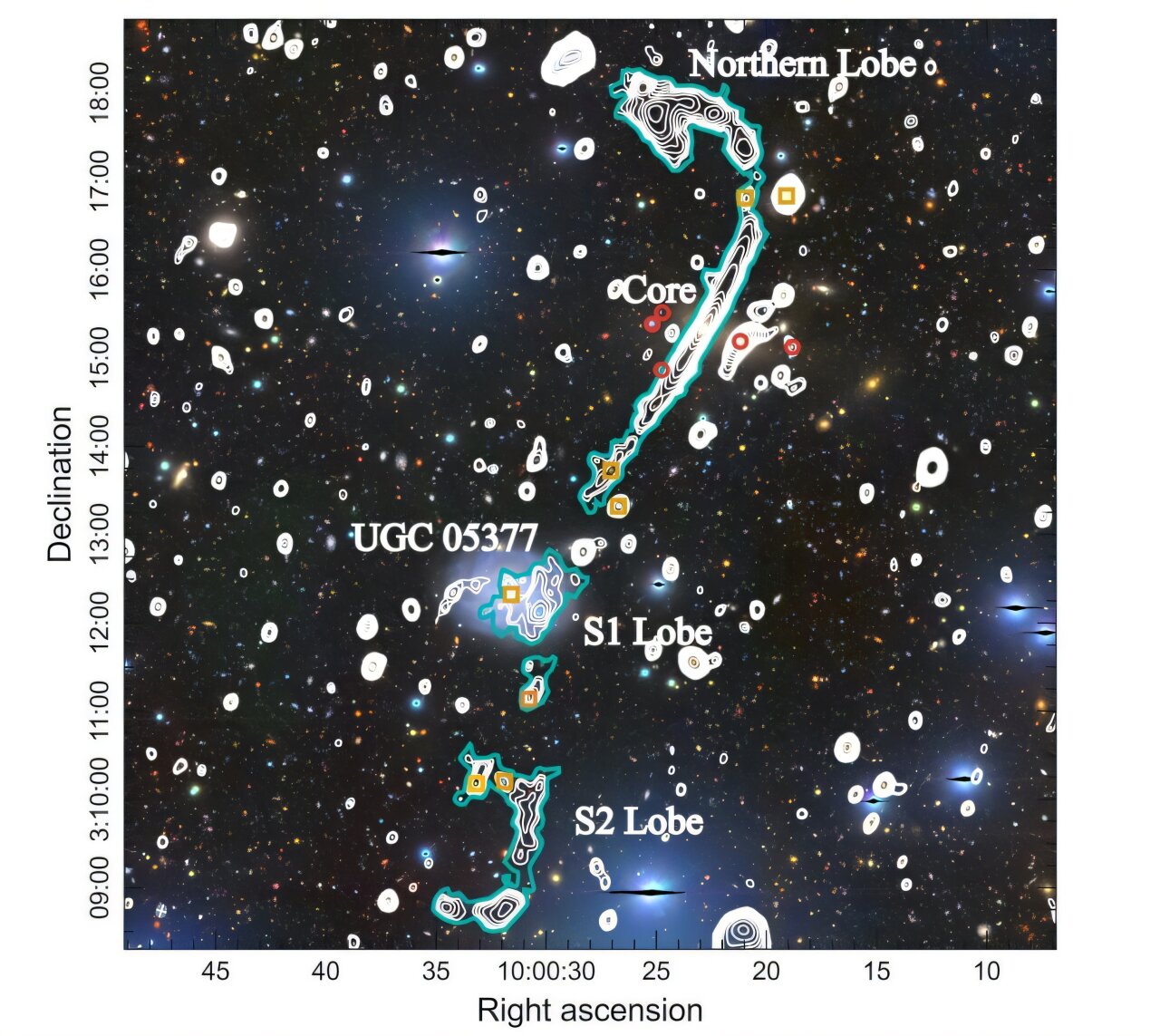
Astronomers using the MeerKAT radio telescope have discovered a new giant radio galaxy, MGTC J100022.85+031520.4, in the COSMOS field. This galaxy, hosted by an elliptical galaxy with a redshift of 0.1034, spans about 4.2 million light years and is one of the few GRGs located in a galaxy cluster. The discovery, part of the MIGHTEE survey, provides insights into the formation and evolution of radio sources.
Carl Sagan, renowned for his work on the 'Cosmos' series, left a lasting scientific legacy that extends beyond his popular media presence. He made significant contributions to planetary science, astrobiology, and the study of climate change, while also advocating for nuclear disarmament and the search for extraterrestrial intelligence. Despite being overlooked by the National Academy of Sciences, Sagan's work continues to inspire scientists and promote critical thinking. His 90th birthday in 2024 serves as a reminder of his enduring impact on science and society.
Steven Dick, former NASA Chief Historian, suggests that much of the cosmos may already be influenced by post-biological intelligence, where advanced AI civilizations have replaced carbon-based life forms. He posits that the universe is likely at least partly post-biological due to the potential age of extraterrestrial civilizations. This perspective implies that the search for cosmic AI requires different strategies than those used for biological aliens. Despite the challenges in detecting such AI, Dick remains optimistic about the potential discovery of extraterrestrial life and its impact on our understanding of the universe.
The article discusses the captivating exploration of alien Earths and the fascinating adventures in the cosmos, highlighting the ongoing efforts in space exploration to discover exoplanets that may harbor conditions suitable for life.