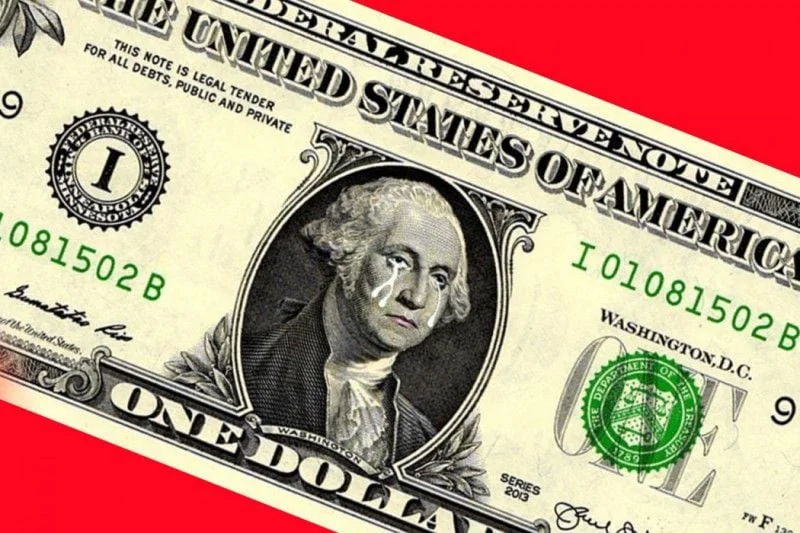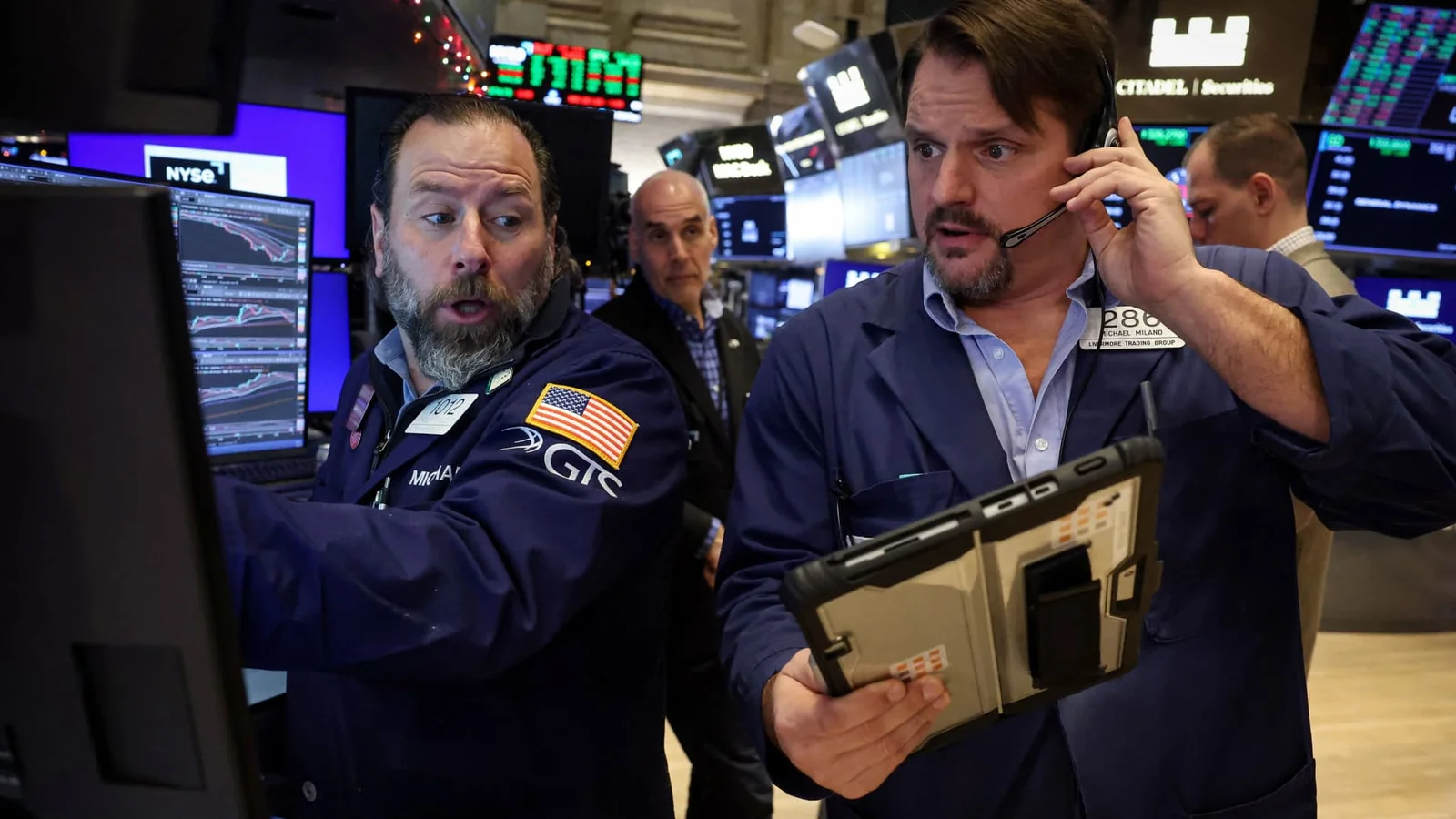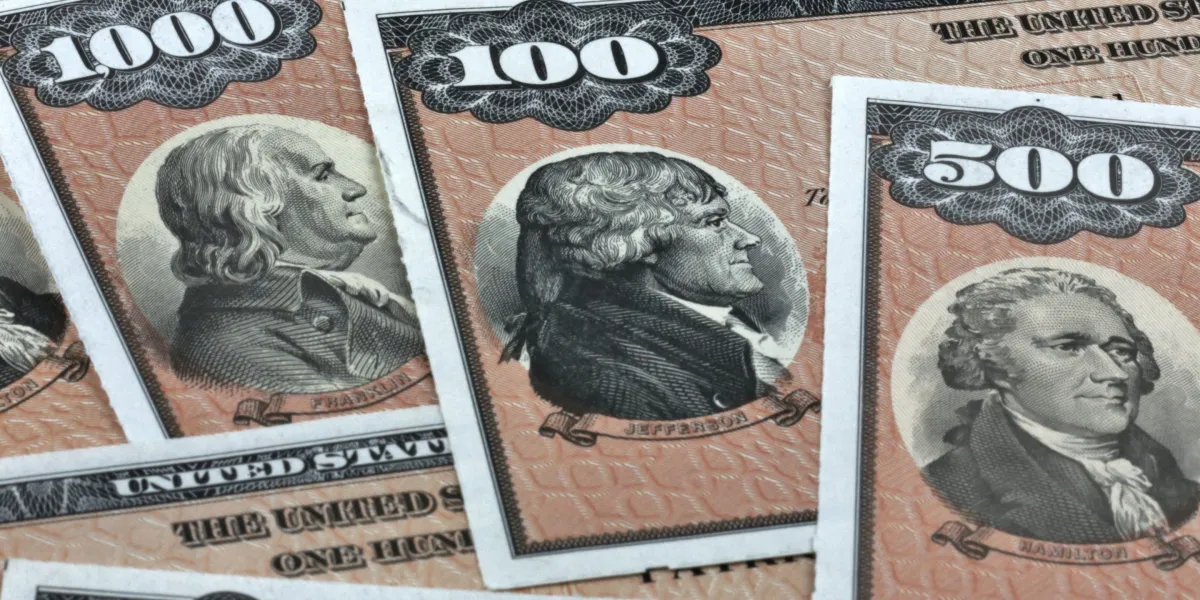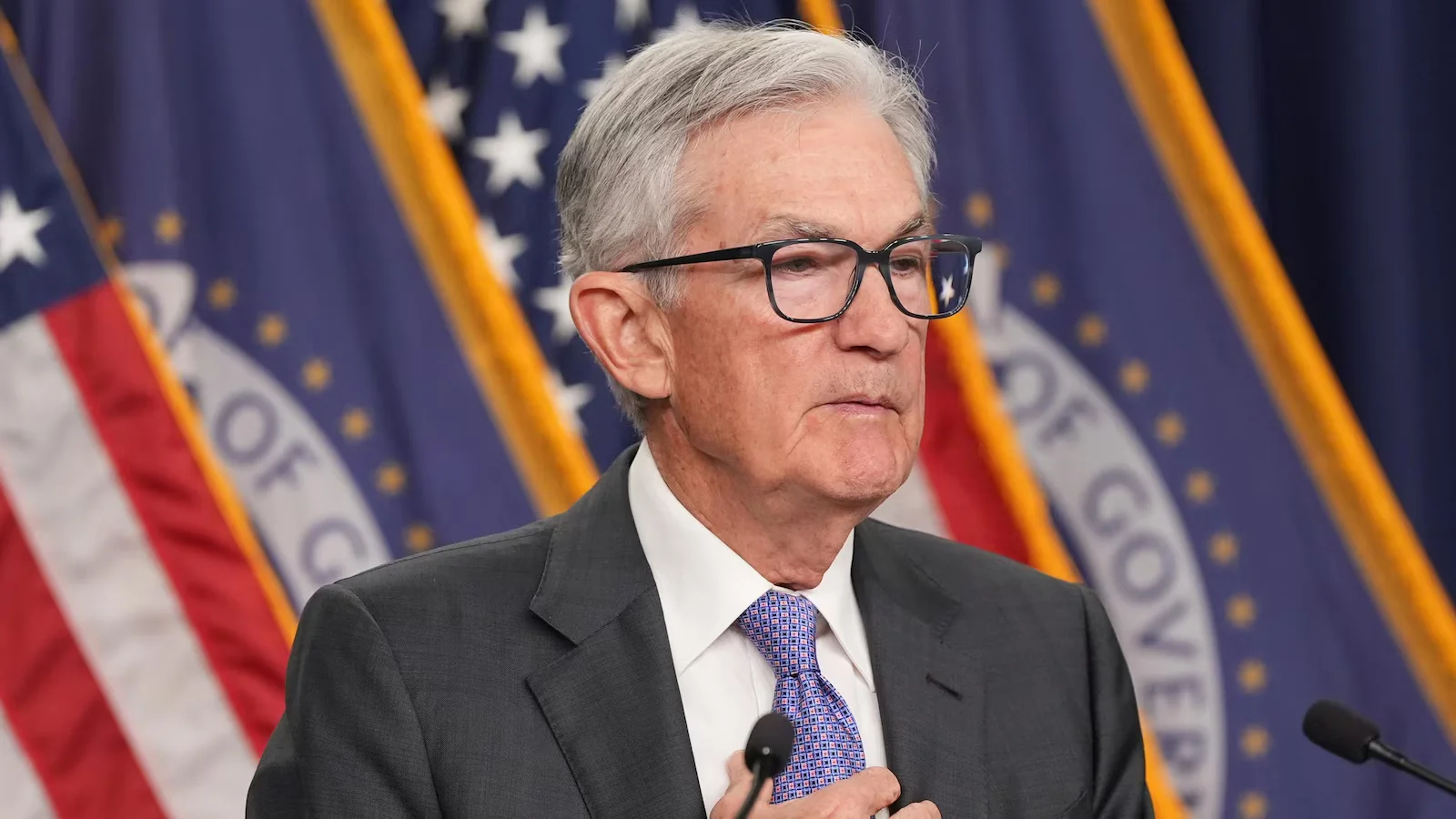
The US national debt has surpassed $38 trillion, with a significant increase in corporate bond issuance, especially from tech hyperscalers, raising concerns about upward pressure on interest rates and potential market fragility. The growing competition for bond investors and shifting investor composition, from foreign governments to profit-driven entities, could threaten the stability of US financing and increase borrowing costs amid rising deficits and political debates over spending and tariffs.
The 10-year Treasury yield slightly decreased to 4.165% following a mixed December jobs report showing weaker-than-expected job growth but a lower unemployment rate, which may influence the Federal Reserve's interest rate decisions. The report indicates a cautious labor market, with potential for rate cuts in the spring, amid ongoing economic and political developments.
The Congressional Budget Office forecasts that the Federal Reserve will cut interest rates in 2026, with rates settling at 3.4% by 2028, while 10-year Treasury yields are expected to rise slightly, impacting mortgage rates. The report also projects a peak in unemployment at 4.6% in 2026, with GDP growth slowing to around 1.8-2.2% through 2028, influenced by recent fiscal policies and immigration trends. Inflation is expected to remain above 2% in the near term, gradually decreasing by 2028.
U.S. Treasury yields increased ahead of the key jobs report, with investors monitoring economic data and geopolitical events. The upcoming nonfarm payrolls report is expected to show job growth, influencing Federal Reserve decisions. Initial jobless claims were slightly below estimates, and markets remain cautious amid ongoing geopolitical concerns.
U.S. Treasury yields declined following military actions in Venezuela where President Maduro was captured and flown to New York, amid ongoing geopolitical tensions and upcoming economic data releases such as the December jobs report.
Treasury yields remained largely unchanged on the first trading day of 2026 as investors assess the US economic outlook and potential for further rate cuts, with the 10-year yield at 4.155% and upcoming Federal Reserve decisions in focus.
U.S. 10-year Treasury yields slightly declined as investors await the final economic data of 2025 and analyze Federal Reserve's monetary policy signals, with market expectations leaning towards another rate cut in April.
Trader Samantha LaDuc predicts the S&P 500 could reach 8,200 in 2026 driven by excitement around AI IPOs and a falling dollar, despite risks from rising Treasury yields and macroeconomic challenges, with her outlook suggesting a market that moves higher but remains fragile.
The 10-year U.S. Treasury yield increased slightly to 4.13% ahead of the release of the Federal Reserve's December meeting minutes, which are expected to shed light on the decision to cut interest rates by a quarter point, amid ongoing debates among policymakers about further easing and inflation risks.
Since Trump's tariffs in April caused turmoil in the US bond market, the administration has taken measures to keep yields low and prevent a resurgence of volatility, but underlying concerns about high debt levels and fiscal policy risks remain, making the peace fragile.
The 10-year U.S. Treasury yield slightly declined as investors assess the Federal Reserve's interest rate outlook for 2026, amid positive economic data and expectations of at least one rate cut next year.
U.S. Treasury yields slightly declined as investors considered strong Q3 GDP growth of 4.3%, which may influence the Federal Reserve's interest rate policy, with most expecting rates to stay steady until April. The bond market is preparing for holiday closures.
U.S. Treasury yields declined ahead of key debt auctions, with investors closely watching these events for insights into market sentiment on U.S. debt and inflation as 2026 approaches.
U.S. Treasury yields increased slightly as investors prepare for a week of major debt auctions amid easing inflation pressures and cautious outlooks on interest rate cuts, with key economic indicators and Federal Reserve comments influencing market sentiment.
U.S. Treasury yields increased slightly as investors responded to cooler inflation data and modest consumer sentiment improvements, with expectations of potential rate cuts in 2026 rising amid signs of easing inflation pressures.