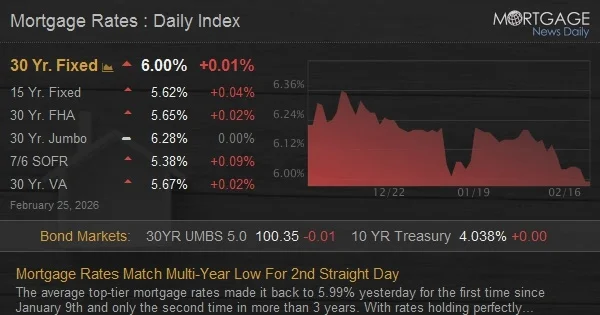
Mortgage rates hovered near multi-year lows, with the 30‑year fixed around 6.00% (5.99% the previous day) and the 15-year at 5.62% as rates held steady for a third straight day; MBS prices and Treasury yields showed little movement, signaling a cautious stance in a data-light session.
Mortgage rates dipped back into the 5s, with the 30-year fixed at 5.99% today (down 0.05) as the broader bond market and MBS benefited from Fannie/Freddie bond-buying plans; no new news sparked the move and today’s improvement is modest compared with January’s brief visit to similar levels. Lenders’ quotes vary based on upfront costs and borrower specifics, so 5.99% is a top-tier average rather than a universal rate, and rates remain vulnerable to intraday reversals if the bond market moves against them.
Mortgage rates remain near three-year lows after early-January MBS purchases by Freddie Mac and Fannie Mae spurred a drop; a softer-than-expected January CPI helped push yields a bit lower, keeping rates in a tight range around those long-term lows.
Mortgage rates held steady around 6.17% for the 30-year fixed, staying in a tight 6.15%–6.20% range after a two-week high; traders weighed two economic reports and a Treasury borrowing outlook that hinted at higher issuance (which could push yields up), but a tame services-sector release helped bonds stabilize and keep rates from moving much today.
Mortgage rates held steady this week, with the 30-year fixed around 6.16% and the 15-year at 5.75%, as bonds consolidate after early-week volatility while markets await upcoming economic data.
Mortgage rates climbed to 6.21% for the 30-year fixed, tying the highest level in about a month, as weakness in global markets and geopolitical events pressured Treasuries and mortgage-backed securities. After briefly touching 5.99% earlier in January, rates rose in the wake of the administration’s announced $200 billion mortgage-bond buying plan, with the market awaiting how this program will unfold and how upcoming economic data and geopolitics will influence rate direction.
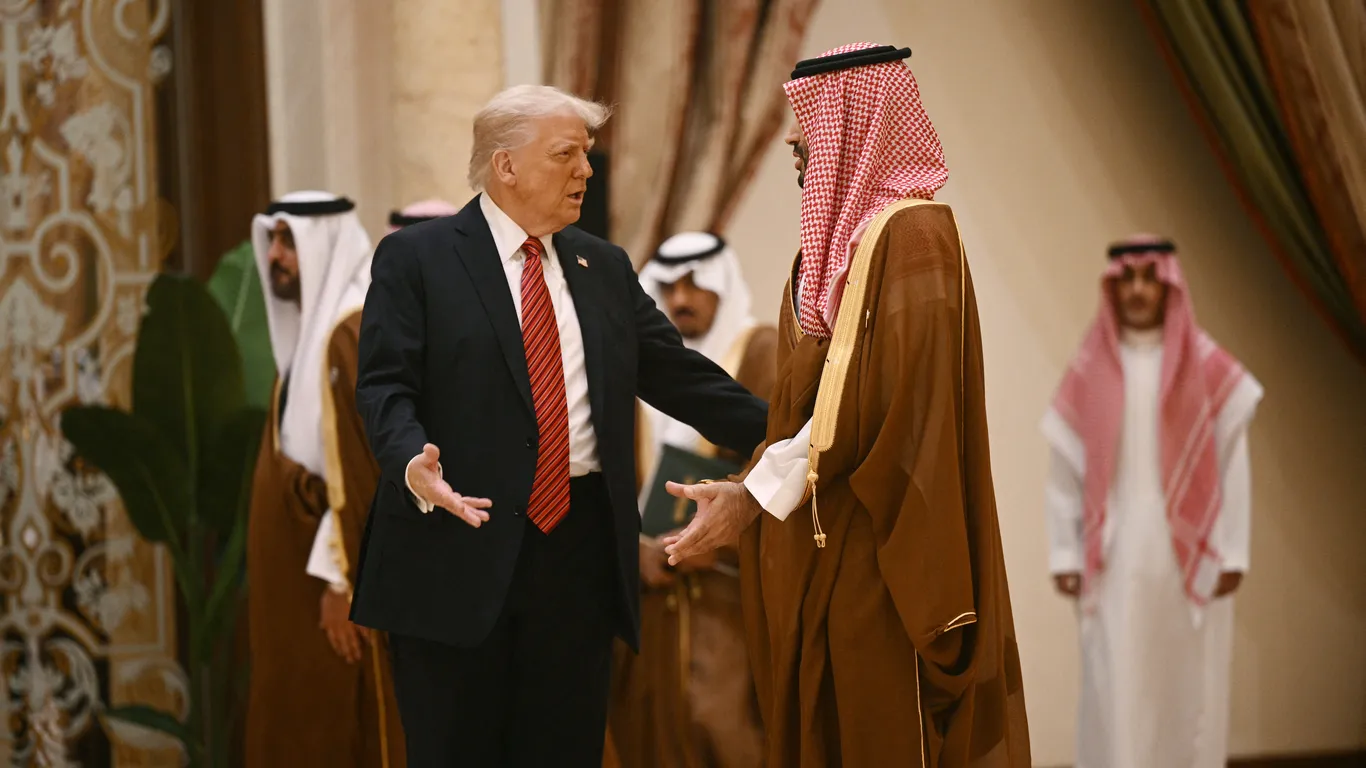
The US and Saudi Arabia are finalizing a broad set of agreements, including a non-binding security guarantee and a weapons deal, ahead of Crown Prince Mohammed bin Salman's visit to the US, which aims to bolster strategic cooperation and possibly advance Middle East peace efforts.
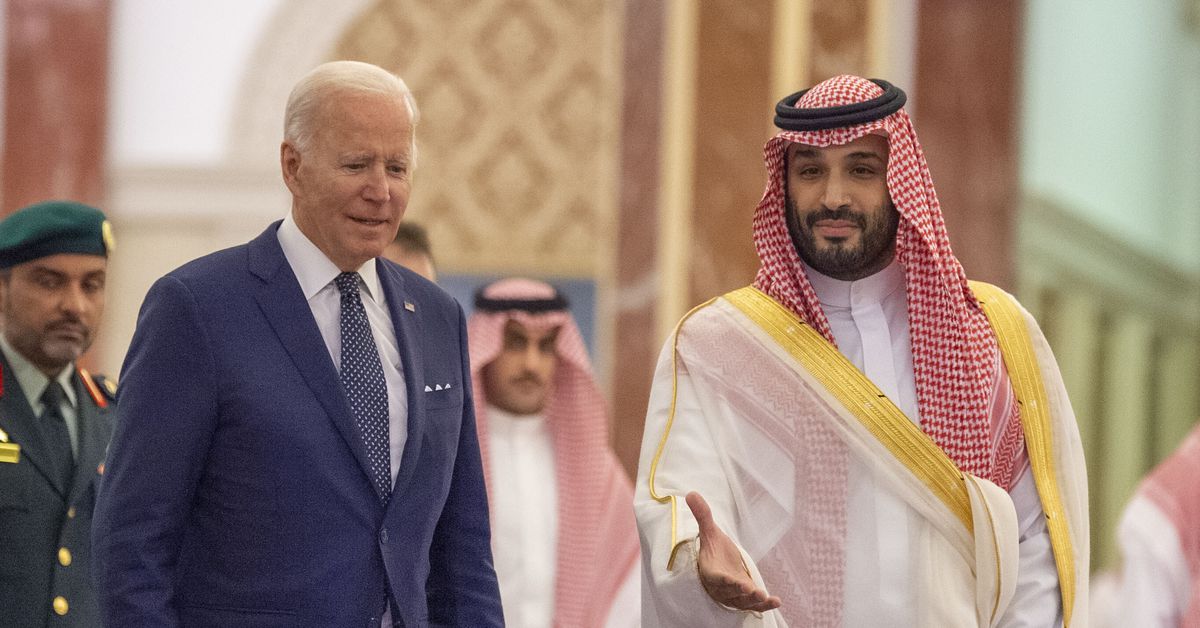
Five years after the murder of journalist Jamal Khashoggi, Saudi Arabia has successfully rehabilitated its image and regained favor in Washington. Both the Trump and Biden administrations have embraced Saudi Arabia, with Biden's initial pledge to hold Crown Prince Mohammed bin Salman accountable for Khashoggi's killing evaporating within a year. Saudi Arabia's economic influence has led to the rehabilitation of MBS's image in Silicon Valley, Wall Street, nonprofits, media organizations, and think tanks. The kingdom is now reportedly being considered for a security pact and a nuclear program in exchange for signing a diplomatic agreement with Israel. Despite MBS's claims of being a reformist, political rights in Saudi Arabia remain elusive, and human rights abuses continue. The lack of accountability for Khashoggi's murder has set a dangerous precedent, with other countries feeling emboldened to target dissidents abroad.
Saudi Crown Prince Mohammed bin Salman (MBS) and Israeli Prime Minister Benjamin Netanyahu both expressed their desire to forge a Saudi-Israel peace treaty, citing concerns over Iran's nuclear weapons program. They believe the Biden administration holds the key to achieving this historic deal. However, there are significant obstacles to overcome, and time is of the essence. If the treaty is not completed within the next four to six months, bipartisan support in the Senate may diminish, jeopardizing the opportunity. The Rosenberg Report will analyze the leaders' statements and discuss the potential for a successful agreement, while acknowledging the complexity of the negotiations.
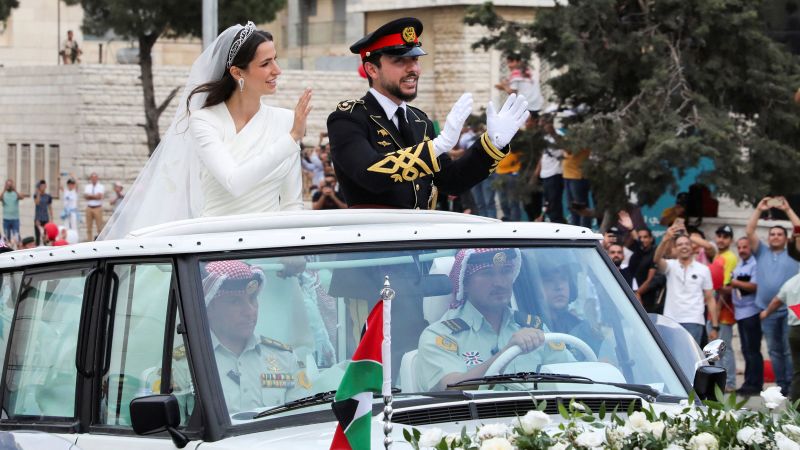
Jordan's Crown Prince Hussein bin Abdullah II married Rajwa Alseif, a 29-year-old Saudi architect and graduate of Syracuse University in New York, in a ceremony attended by international royals and heads of state. Alseif is related to Saudi Arabia's crown prince and de facto ruler, Mohammed bin Salman (MBS), through her mother, who hails from the prominent Al-Sudairi family. The event marks a thaw in the previously tense relationship between Saudi Arabia and Jordan, both of which are strong allies of the US.
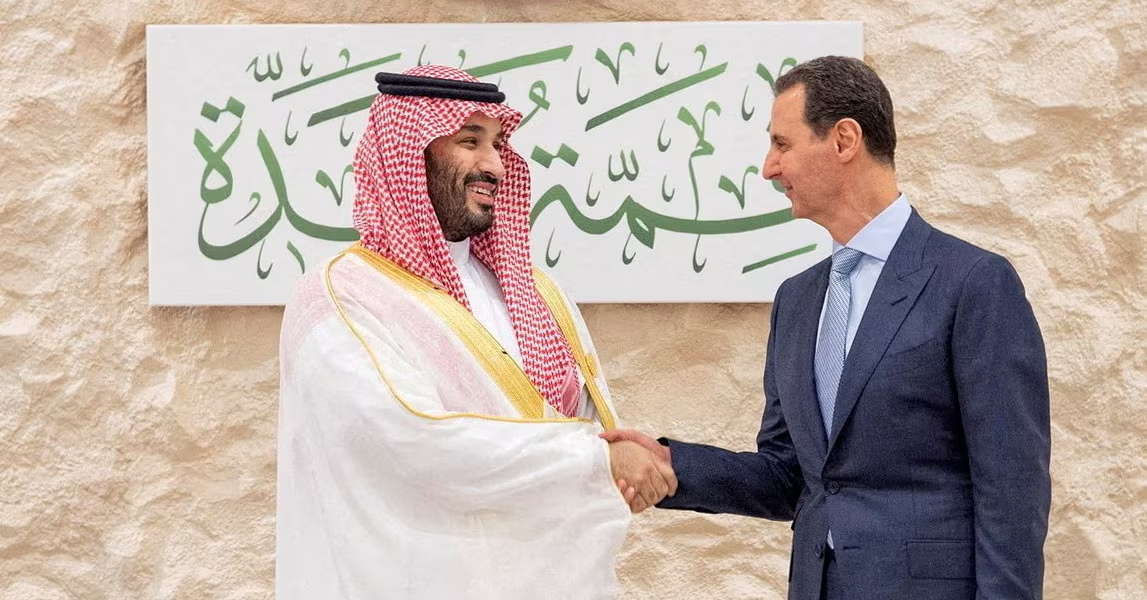
Saudi Crown Prince Mohammed bin Salman (MbS) is forging ties with other global powers and reshaping relations with shared foes, reasserting Saudi Arabia as a regional power. MbS's effusive greeting of President Bashar al-Assad at the Arab summit with kissed cheeks and a warm embrace defied U.S. disapproval at Syria's return to the fold and capped a turnabout in the prince's fortunes spurred by geopolitical realities. Riyadh's pivot away from reliance on the United States was evident when China mediated this year a settlement between Riyadh and its arch regional foe Iran after years of hostility.