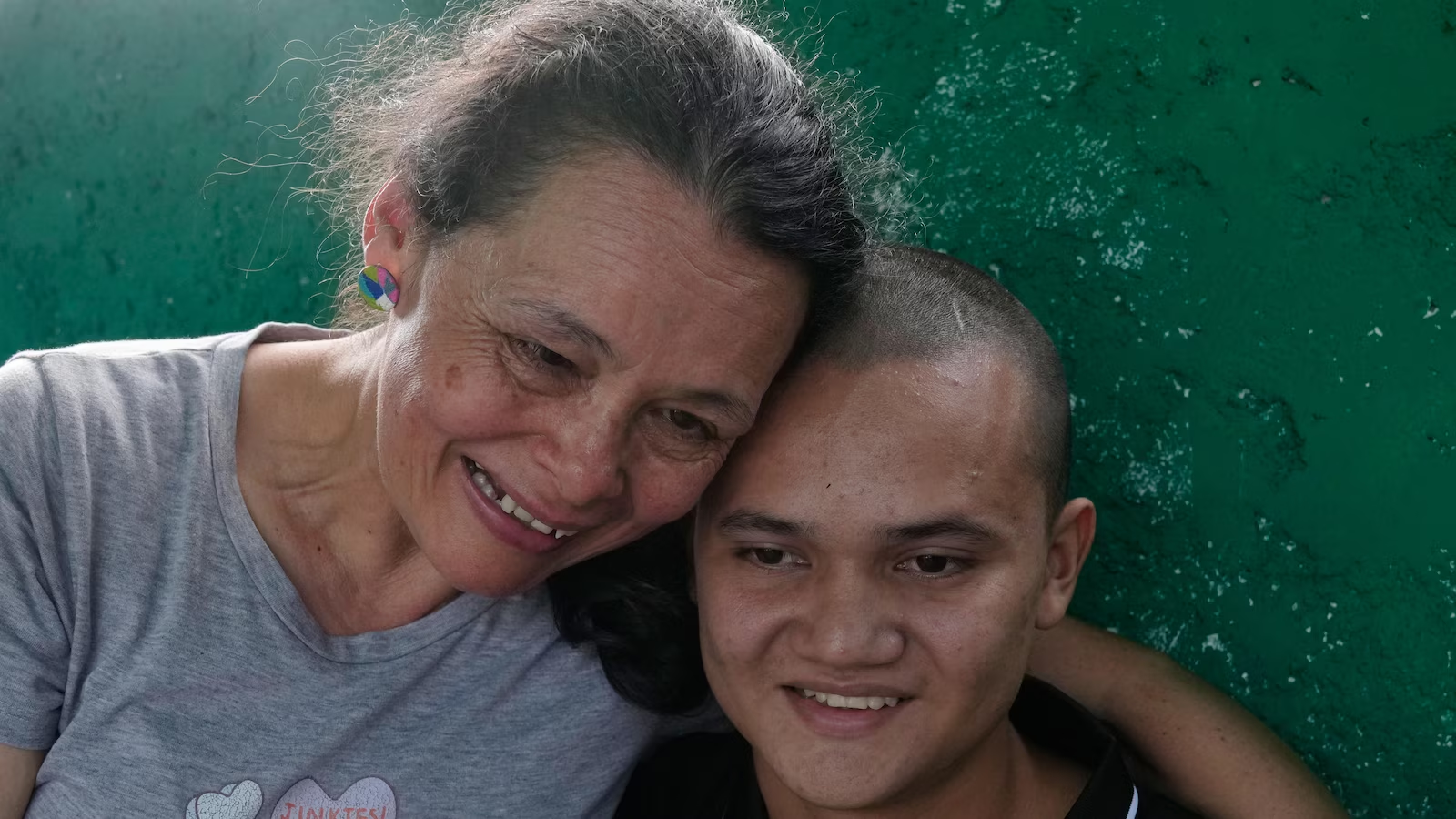
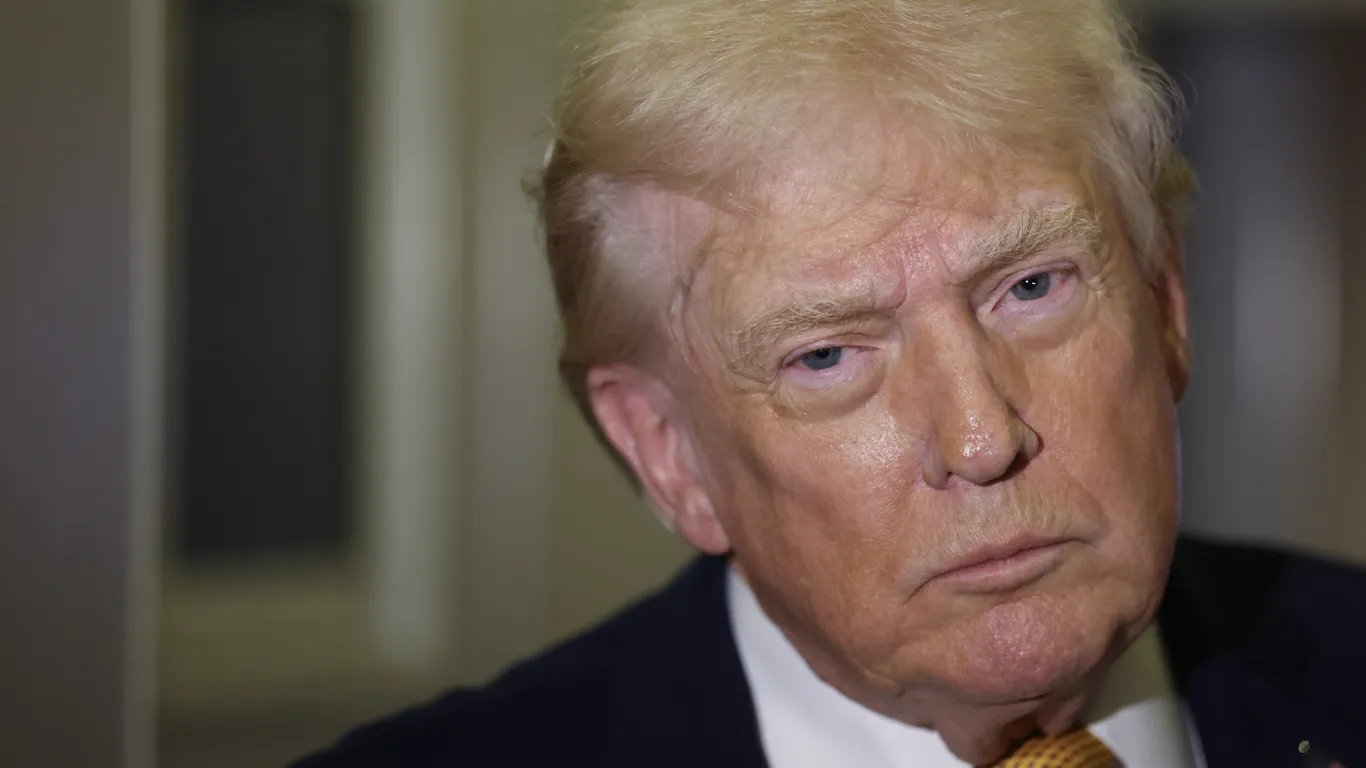
Venezuela's government has begun releasing a limited number of prisoners, including political detainees, amid ongoing political tensions and recent US military actions, but the process is slow and many remain imprisoned, reflecting ongoing political unrest and international scrutiny.
Brazil is deploying national guard troops to its northern border with Venezuela following US air strikes and the abduction of Venezuelan President Nicolas Maduro, aiming to bolster security amid regional tensions and increased armed group activity.
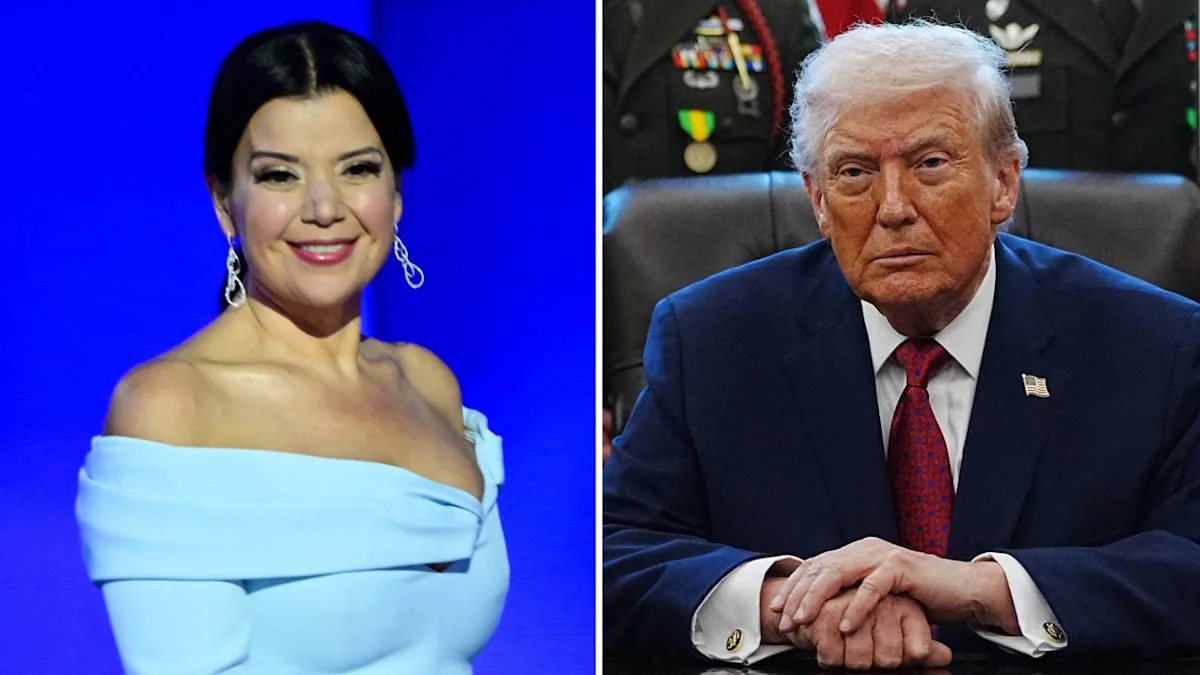
Ana Navarro, a cohost on The View, surprised her fellow panelists and the audience by expressing support for the arrest of Venezuelan leader Nicolás Maduro, praising it as a day of accountability despite her colleagues' concerns about the manner of the operation.
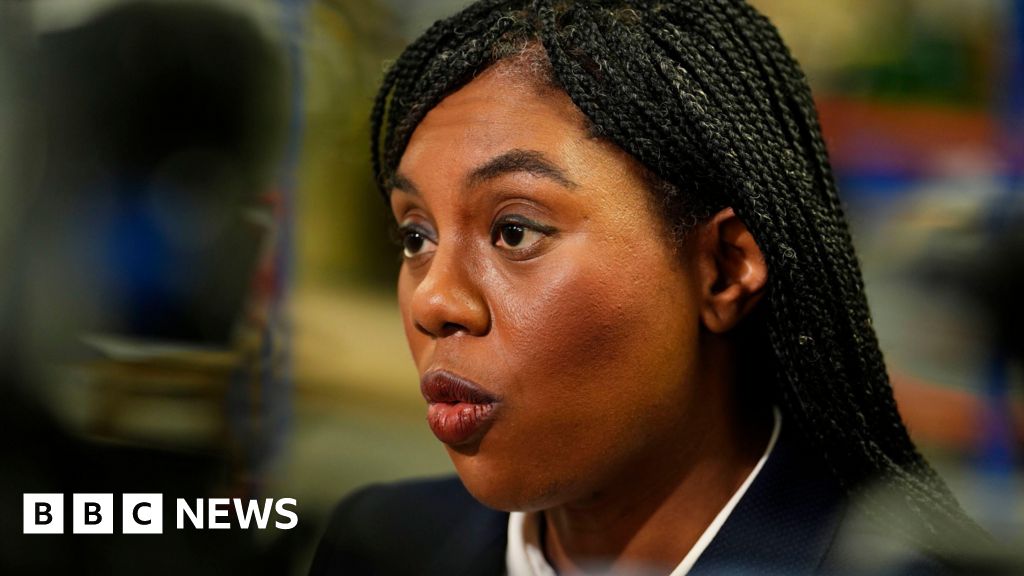
Kemi Badenoch expressed moral support for the US military action in Venezuela, criticizing Maduro's regime but raising questions about the legality and rules-based order, while the UK maintains a cautious stance amid international debate.
President Trump indicated that the U.S. may support rebuilding Venezuela's oil infrastructure over a period of less than 18 months, signaling a long-term presence in the country following the recent arrest of Nicolás Maduro, and emphasizing a strategic interest in Venezuela's oil reserves and potential influence over its political situation.
At a UN Security Council emergency meeting, the US was condemned by allies and the UN Secretary General for violating international law through the capture of Venezuelan President Nicolas Maduro and military actions in Venezuela, with critics arguing it undermines international order.
Nicolas Maduro, the former Venezuelan president, made his first court appearance in New York after being captured by US forces, facing charges of narco-terrorism and drug trafficking, while asserting his innocence and claiming to still be the president of Venezuela.
The UN Security Council is divided over the US-led operation in Venezuela, with some viewing it as lawful law enforcement and others condemning it as illegal aggression, highlighting deep international divisions on sovereignty, legality, and regional stability.
Venezuela's Nicolás Maduro appeared in a US court, pleaded not guilty to drug trafficking charges, and claimed he is still the president, amid ongoing political tensions and US actions in Venezuela.
The UN Security Council is holding an emergency session to address the US rendition of Venezuela's President Nicolás Maduro, with UN Secretary-General António Guterres emphasizing the importance of respecting sovereignty and warning of dangerous precedents for global order.
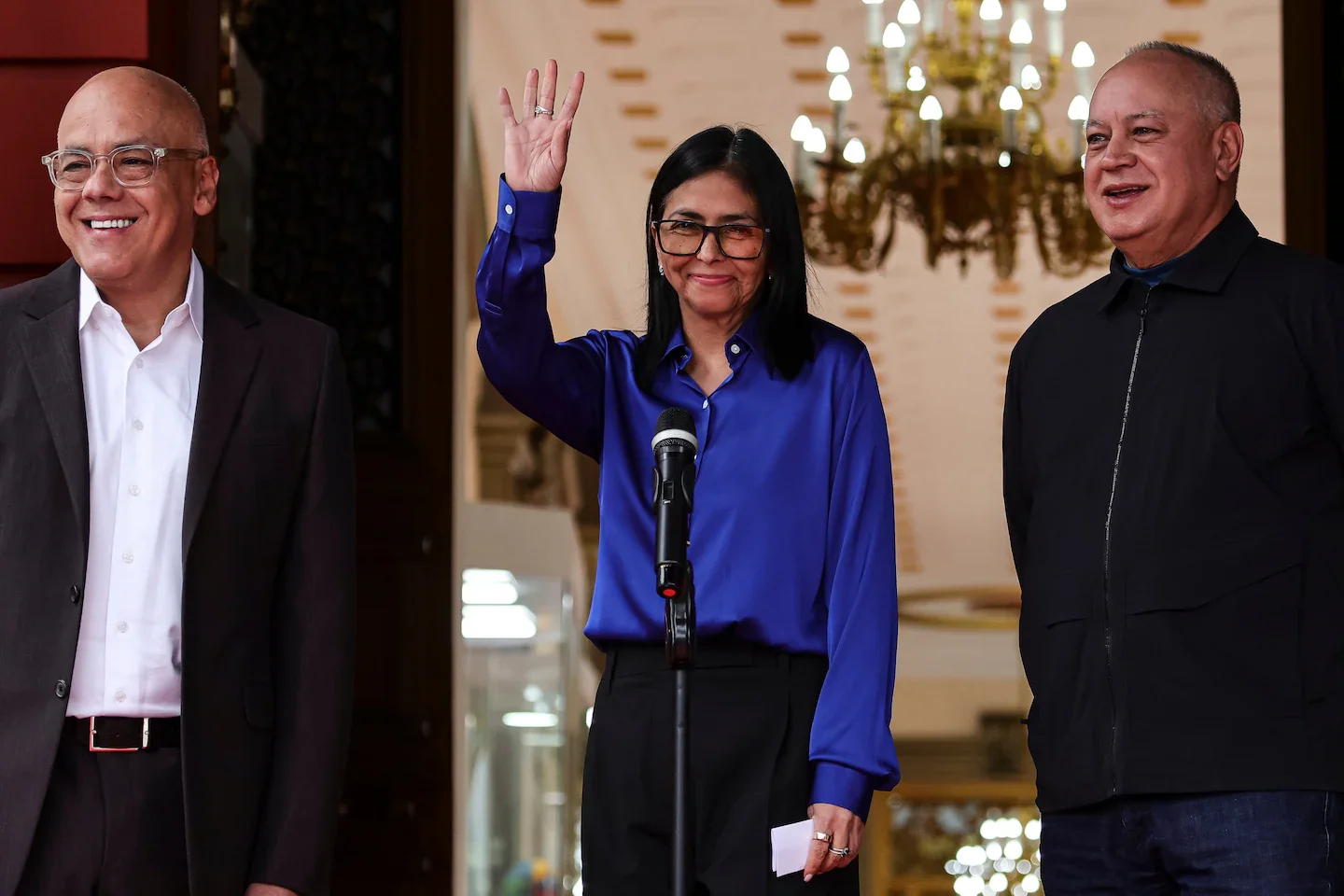
Delcy Rodríguez, Venezuela’s new leader, faces the challenge of consolidating power and managing U.S. relations following a military raid that targeted Nicolás Maduro, while attempting to balance sovereignty with diplomatic negotiations.
The article questions the true motives behind the US invasion of Venezuela, highlighting the lack of clear justification from the US government, with speculations that it may not be about drug trafficking or democracy as officially claimed.
U.S. Treasury yields declined following military actions in Venezuela where President Maduro was captured and flown to New York, amid ongoing geopolitical tensions and upcoming economic data releases such as the December jobs report.
The US has charged Venezuelan President Nicolas Maduro with drug trafficking, narco-terrorism, and conspiracy to import cocaine, accusing him of leading a corrupt government involved in extensive drug operations. Maduro and his wife were abducted from Caracas and brought to the US to face trial, with additional charges against several associates, including his son and government officials.
Cuba reports that 32 of its citizens were killed during a U.S. military raid on Venezuela, which resulted in the arrest of Venezuelan President Nicolas Maduro and heightened tensions between the U.S. and Venezuela, with Cuba condemning the attack as an act of aggression.