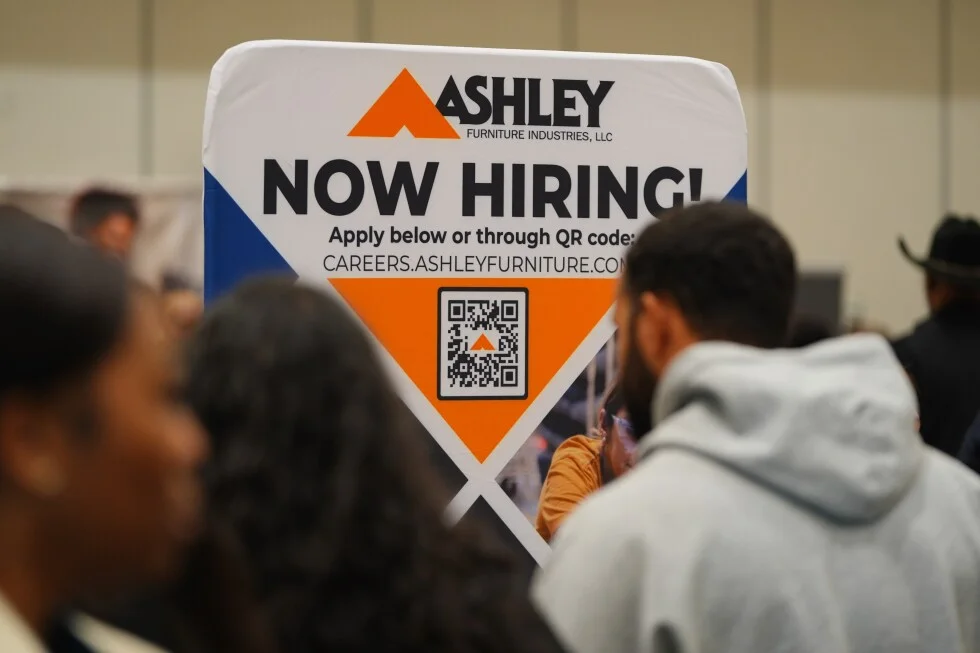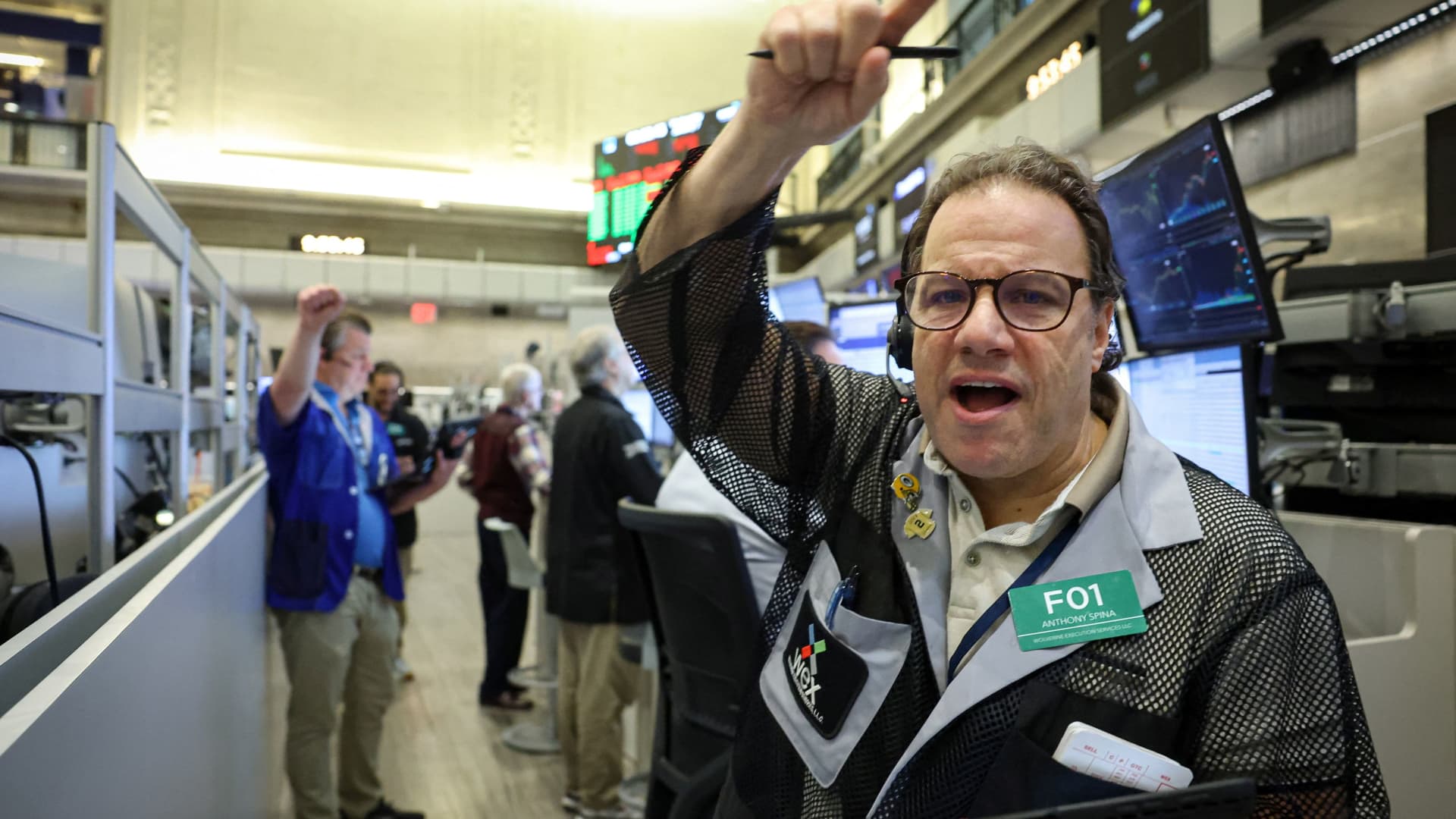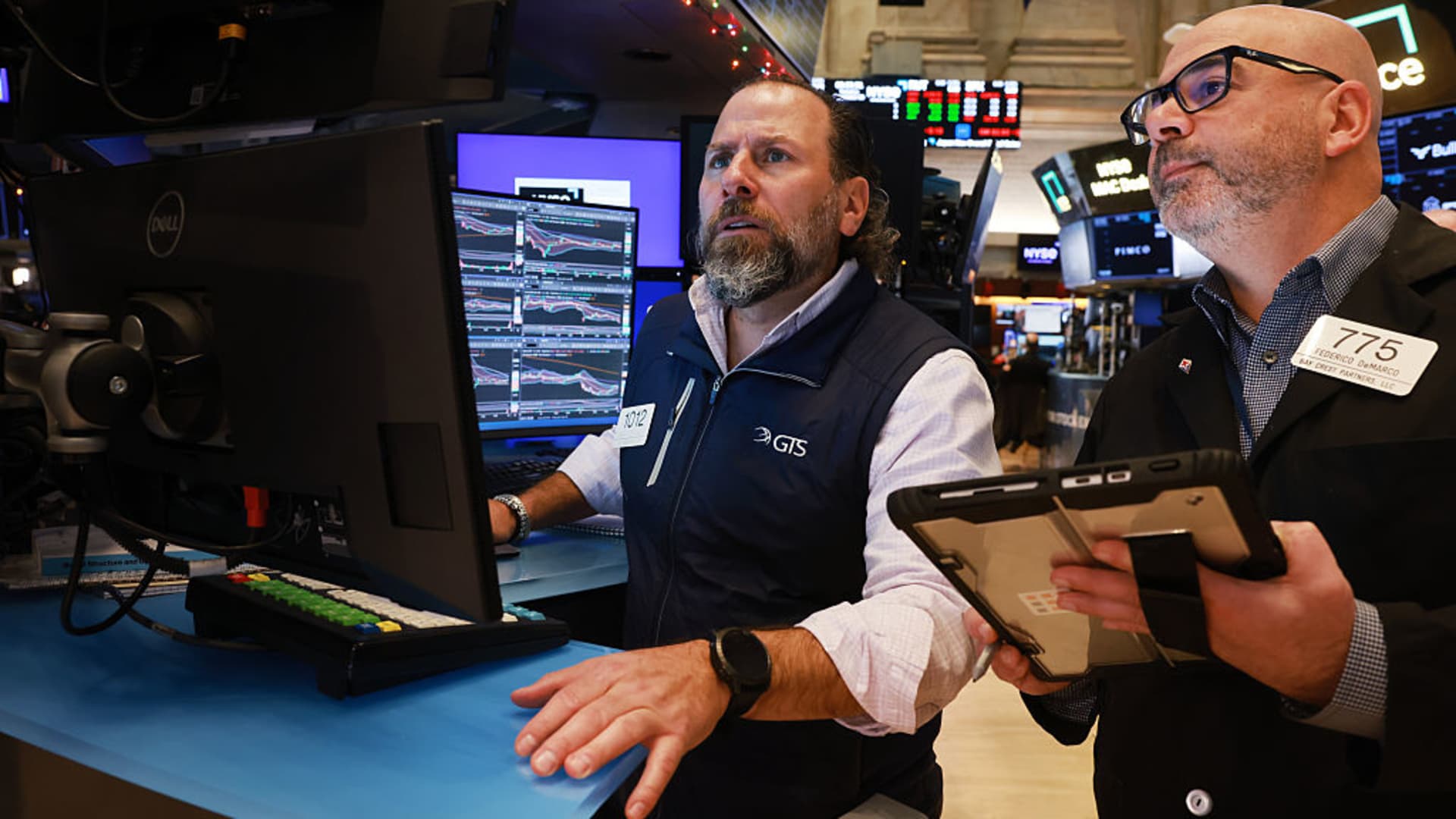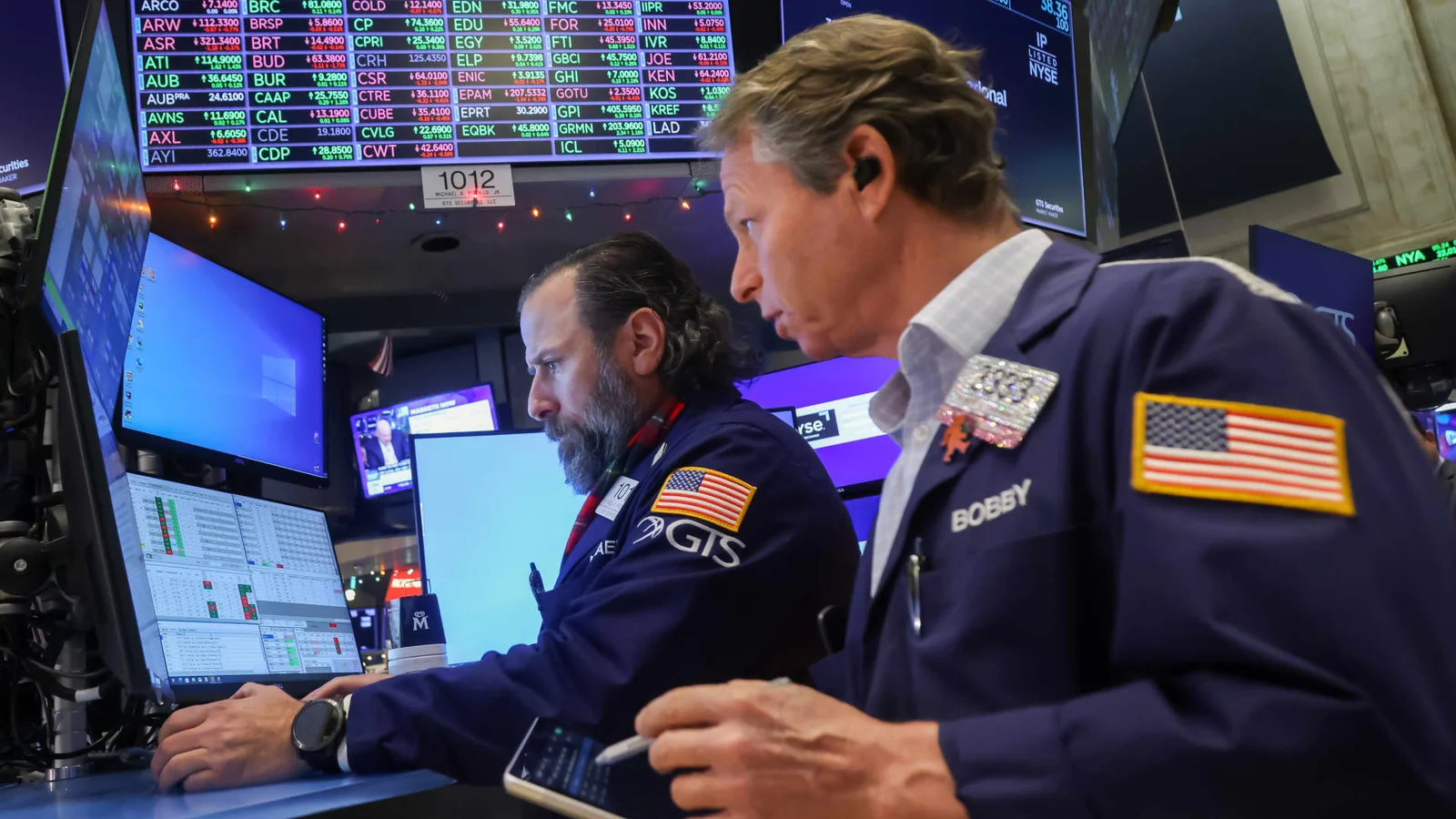
The S&P 500 reached a new intraday high on Friday, supported by a mixed jobs report showing 50,000 new jobs in December and a slight decrease in the unemployment rate to 4.4%. Major indices are on track for a weekly gain, with the market reacting positively to economic stability and government actions like Trump's mortgage bond purchase plan. Several stocks hit 52-week highs, and the market opened in the green, reflecting investor optimism amid ongoing economic and political developments.
U.S. Treasury yields declined following military actions in Venezuela where President Maduro was captured and flown to New York, amid ongoing geopolitical tensions and upcoming economic data releases such as the December jobs report.
U.S. 10-year Treasury yields slightly declined as investors await the final economic data of 2025 and analyze Federal Reserve's monetary policy signals, with market expectations leaning towards another rate cut in April.
The December interest rate cut by the Federal Reserve was a close call, with significant divisions among officials over whether to cut or hold rates, influenced by concerns over a weak job market and persistent inflation, amid delayed economic data due to a government shutdown.
The 10-year U.S. Treasury yield slightly declined as investors assess the Federal Reserve's interest rate outlook for 2026, amid positive economic data and expectations of at least one rate cut next year.
U.S. stock futures rose slightly in a thin trading session after Christmas, with subdued activity and volume expected to remain low ahead of the New Year, amid optimism from strong economic growth and enthusiasm for tech stocks.
U.S. stock futures are nearly unchanged after the S&P 500 reached a record close, with major indexes climbing for the fourth consecutive day amid strong economic data and optimism about a year-end rally. Investors are eyeing potential gains during the Santa Claus rally period, supported by positive market momentum and sector rotation, while awaiting weekly jobless claims and holiday market closures.
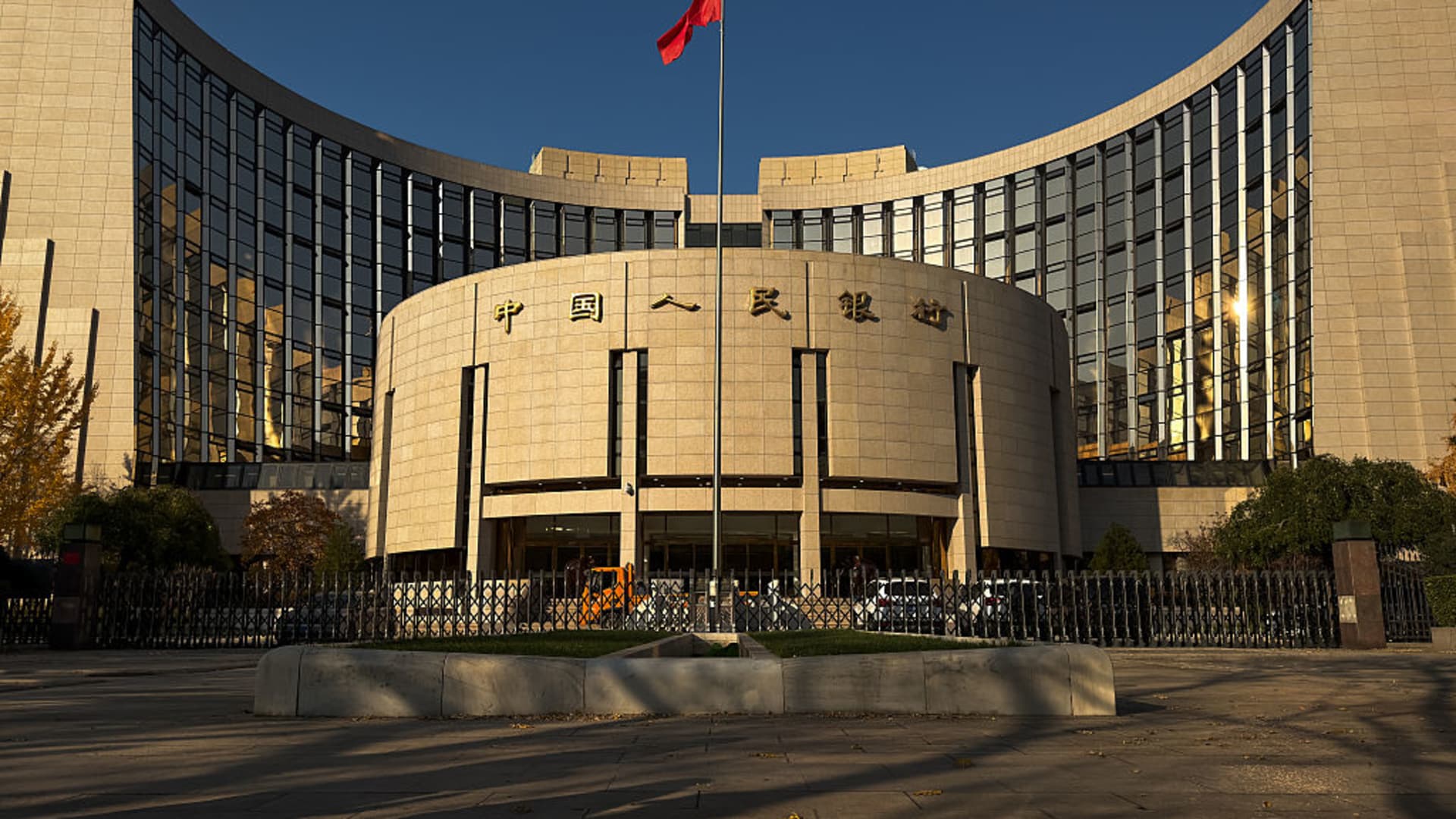
China's central bank kept its benchmark lending rates steady for the seventh consecutive month despite weak economic indicators and a prolonged slump in the property market, as the country faces deflationary pressures and aims to support growth through government bonds and policy measures.
The article claims that the November inflation rate was artificially manipulated by the BLS, allegedly by excluding housing inflation to present a more favorable number, raising concerns about the reliability of government economic statistics and their impact on the economy.
Wall Street is entering the new week with doubts about a year-end rally amid ongoing market rotations and upcoming economic data that could influence the stock market's direction.
The November US inflation data appeared promising with lower-than-expected inflation rates, but uncertainties remain due to data collection issues following the government shutdown, leading to skepticism about the report's accuracy. Despite this, markets reacted positively, driven by the CPI figures and strong earnings reports, though the reliability of the data is questionable.
Inflation in November slowed to 2.7%, but economists caution this may be due to distortions from the government shutdown affecting data collection, making the recent figures potentially unreliable.
The article discusses the recent economic downturn, Trump's controversial reactions to Rob Reiner's murder, ongoing Ukraine conflict, shifts in Ford's electric vehicle strategy, and legal battles over tariffs, highlighting political and economic tensions in the US and abroad.
Global shares declined in Europe and Asia ahead of key US employment and inflation reports, with investors cautious about potential interest rate changes and economic momentum slowing towards year-end.