The Congressional Budget Office forecasts that the Federal Reserve will cut interest rates in 2026, with rates settling at 3.4% by 2028, while 10-year Treasury yields are expected to rise slightly, impacting mortgage rates. The report also projects a peak in unemployment at 4.6% in 2026, with GDP growth slowing to around 1.8-2.2% through 2028, influenced by recent fiscal policies and immigration trends. Inflation is expected to remain above 2% in the near term, gradually decreasing by 2028.
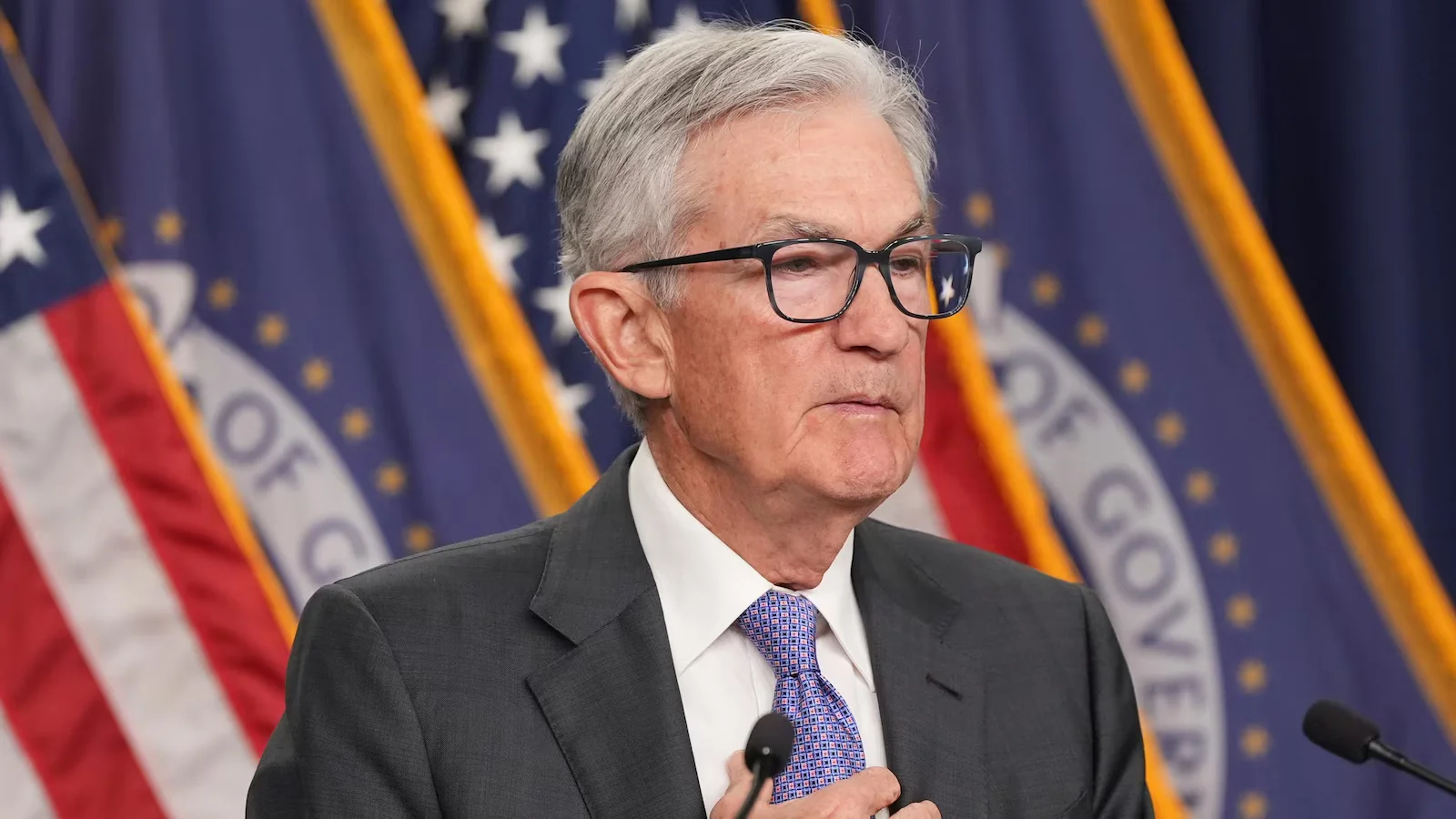
The speech discusses cautious optimism for 2026, highlighting progress in inflation reduction, especially in housing and core services, and the need for clarity on economic growth and labor market trends amid divergent signals. It emphasizes the importance of monetary policy in maintaining price stability and maximum employment, while considering structural changes like AI's influence on productivity and employment. The speaker advocates for patience and credibility in policy decisions, aiming for a balanced approach to economic stability.
Singapore's economy grew by 5.7% in Q4 2025, driven by a 15% surge in manufacturing, especially in biomedical and electronics sectors, leading to a full-year GDP growth of 4.8%, surpassing expectations despite global trade tensions.
The US economy heading into 2026 shows signs of strength with strong GDP growth driven by AI investments and a robust stock market, but faces challenges like rising unemployment, inflation, and consumer pessimism, making the overall outlook complex and uncertain.
The U.S. GDP growth of 4.3% in Q3 may be overstated due to unusual inflation data in the video game sector and tariff-related import adjustments, with significant contributions from health care spending and potential distortions in recreation-related software and accessories prices.
Jim Cramer criticized the market's overreaction to strong US GDP data, which caused panic selling in high-growth sectors like Nvidia, AI, and crypto stocks, calling the reaction 'stupid' despite positive economic indicators.
Former Obama economic advisor Jason Furman comments on the paradox of low gas prices and declining consumer confidence under Trump, highlighting conflicting economic signals such as strong GDP growth and rising unemployment, which complicate the perception of economic health and recovery.
The US economy showed strong GDP growth of 4.3% in Q3, driven by consumer spending and corporate profits, but this growth is not supported by job creation or income increases, leading to concerns about a K-shaped recovery where the wealthy benefit while lower-income households face stagnation and financial pressure, raising questions about the sustainability of this growth.
The US economy grew 4.3% in Q3, boosting market confidence despite concerns over interest rate hikes; stock markets hit new highs, and China delays tariffs on semiconductors to ease trade tensions, while the government plans to start garnishing wages of defaulted student loan borrowers in January.
Despite strong GDP growth and falling gas prices, American consumer confidence remains low due to concerns over household costs, trade policies, and income inequality, creating a paradox where the economy appears to be booming but many Americans do not feel the benefits.
Despite the US economy's fastest growth in two years with a 4.3% GDP increase, many Americans remain pessimistic due to stagnant wages, rising living costs, and concerns over job security, highlighting a K-shaped recovery where the wealthy benefit while others struggle.
The US dollar declined despite stronger-than-expected Q3 GDP growth, as traders remain cautious about potential Fed rate cuts next year amid weakening consumer confidence and geopolitical factors like yen intervention threats, leading to a broader decline in the dollar index and currency fluctuations.
The US economy experienced a strong 4.3% GDP growth in Q3 2025, the fastest in two years, driven by increased consumer spending, exports, and government expenditure, despite rising inflation and a slowdown in employment growth. Economists predict a slowdown in growth for Q4 due to the government shutdown and other factors.
The US economy experienced strong growth in the third quarter with a 4.3% annualized GDP increase, driven by consumer spending, exports, and government expenditure, despite political and trade uncertainties. This robust performance complicates the Federal Reserve's decision on interest rates amid inflation concerns and a mixed jobs market, with recent government shutdowns impacting data collection.
The US economy grew at an annualized rate of 4.3% in the third quarter, surpassing expectations, driven by increased consumer spending and exports, with stock futures showing little change after the data release.