U.S. wholesale prices increased 0.5% in January from December and were up 2.9% from a year earlier, signaling persistent inflationary pressure as producer costs climb.
U.S. Treasuries eased as investors braced for a wholesale inflation read (PPI) while parsing a still-robust labor market: 10-year yields around 4.023%, 30-year about 4.675%, and 2-year near 3.452%. Initial unemployment claims for the week ended Feb. 21 came in at 212,000, below expectations of 215,000, signaling resilience despite a solid January payrolls print. Traders expect Friday’s PPI to rise about 0.3% for both headline and core measures, a cooler report that could boost risk appetite for stocks.
US wholesale prices rose 0.2% in November, driven by higher energy costs, while the core PPI (excluding food and energy) was unchanged from October, signaling limited pass-through of higher costs. The data come as consumer inflation cools and investors await the Fed’s next policy move.
The U.S. producer price index unexpectedly declined by 0.1% in August, signaling subdued inflation and fueling expectations of a Federal Reserve rate cut next week, with market reactions remaining muted ahead of the upcoming consumer price index report.
Recent data shows minimal inflation from tariffs, with wholesale prices rising only slightly in May, suggesting that trade tensions haven't yet caused significant price increases, which may influence the Federal Reserve's interest rate decisions.
Wholesale prices increased by 0.4% in November, driven largely by a significant rise in food costs, particularly chicken eggs, which surged by 55%. This marks the largest monthly gain since the summer and a 3% increase over the past year. While some components of the Producer Price Index, such as portfolio management fees and hospital care, saw slower price gains, economists expect the upcoming Personal Consumption Expenditures Price Index to show a modest rise, indicating a potential slowdown in core inflation. However, concerns about future inflation persist.
US wholesale inflation, as measured by the Producer Price Index (PPI), rose by 0.4% in November and 3% annually, marking an acceleration from October's figures. This increase, driven partly by a significant rise in egg prices due to avian flu, suggests potential future consumer price hikes. Despite this, the Federal Reserve is still expected to cut rates by a quarter-point next week. Core PPI, excluding volatile food and energy prices, rose 0.2% monthly, indicating persistent inflationary pressures.
US wholesale inflation rose 0.4% in November, driven by higher food prices, indicating persistent price pressures despite a general decline in inflation from peak levels. The producer price index's year-over-year increase was the highest since February 2023. Despite this, the Federal Reserve is expected to cut its benchmark interest rate next week, continuing its recent trend of rate reductions following previous hikes aimed at curbing inflation. The report suggests that while inflation remains above the Fed's 2% target, certain components influencing the PCE index were weak, supporting the likelihood of a rate cut.
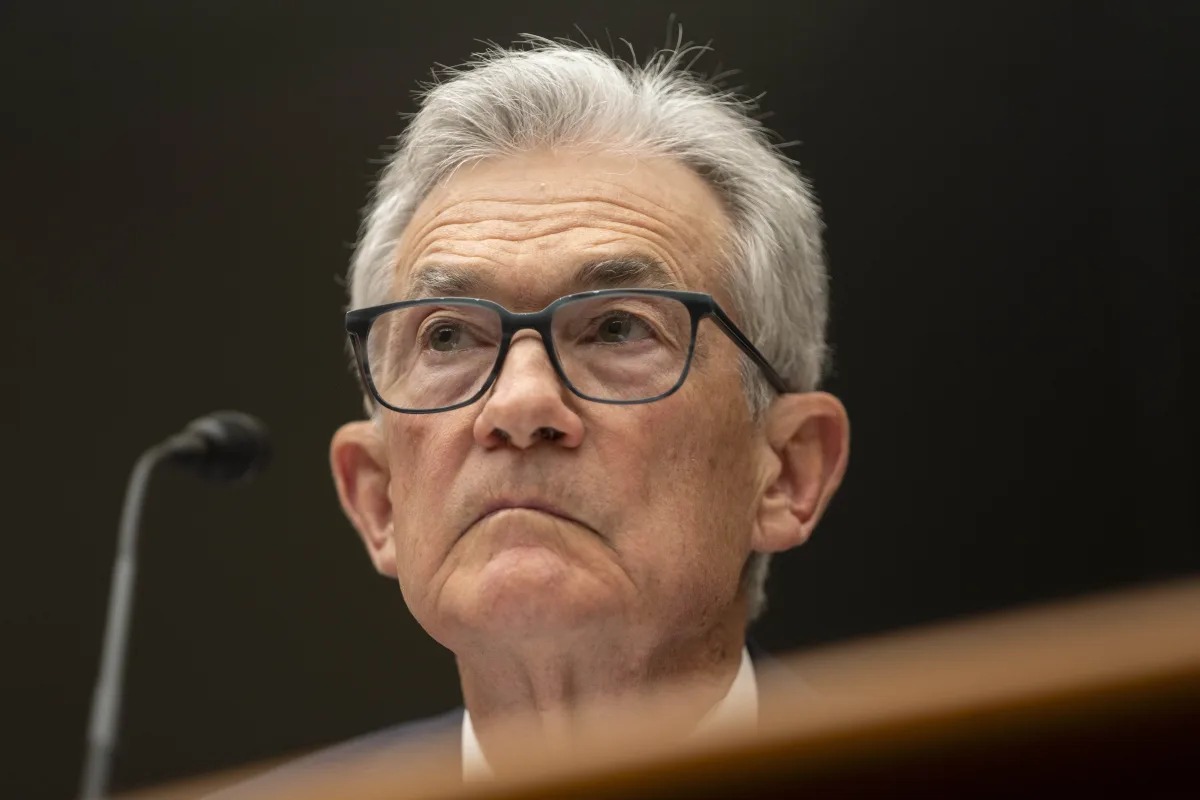
Wholesale prices rose by 0.2% in October, slightly higher than September, according to the producer price index. This increase, while modest, could potentially lead to higher consumer prices, though experts like Saloni Firasta Vastani suggest the rise may not be significant enough to impact consumers immediately. The Labor Department reported a 2.4% increase in wholesale prices compared to last year. With Federal Reserve Chair Jerome Powell indicating stable interest rates, the economic balance between inflation and interest rates remains delicate.
The Producer Price Index (PPI) data for March showed significant seasonal adjustments, with the not-seasonally adjusted PPI jumping by 7.9% annualized, the highest since June 2022. The three-month rates for PPI all increased, indicating a trend of higher lows and higher highs, which could impact future inflation data. The seasonal adjustments in March were notably larger than in previous years, likely influenced by pandemic-related distortions. The volatility in PPI data and the potential for self-correction in seasonal adjustments may lead to surprises in the coming months.
The producer price index, a key inflation gauge, rose by 0.6% in February, the highest since September, indicating that inflation pressures in the US economy remain elevated. This poses a challenge for the Federal Reserve, which is considering when to cut its benchmark interest rate. Higher wholesale gas prices and grocery costs were major contributors to the increase. The report suggests that inflation could stay elevated into the spring, and the Fed may need "greater confidence" that inflation is steadily falling before implementing rate cuts. Despite this, solid consumer spending and hiring indicate a healthy economy.
The Federal Reserve's cautious approach to rate cuts is reinforced by new inflation data, with the Producer Price Index rising 0.6% in February and core prices climbing 2% year-over-year, higher than expected. This could delay rate cuts, with odds of a first cut in June slipping to 63%. The Fed is expected to hold the benchmark policy rate steady at its upcoming meeting, and some officials may scale back expected cuts for 2024 based on the stickier inflation data.
The Labor Department reported that wholesale inflation surged 0.6% in February, reaching its highest level since September 2023, and core prices, excluding food and energy, rose 0.3%. This data follows the recent increase in consumer prices, indicating persistent high inflation that is impacting U.S. households, particularly low-income individuals. The Federal Reserve is closely monitoring these inflationary pressures and considering potential interest rate adjustments as they aim to bring inflation back to their 2% target.
Wholesale inflation in the U.S. rose by 0.6% in February, surpassing expectations and indicating ongoing concerns about inflation. The producer price index, which measures costs for raw, intermediate, and finished goods, increased more than forecasted, contributing to a decline in the stock market and a rise in Treasury yields. Retail sales rebounded by 0.6% in February, but were still below expectations, while initial filings for unemployment insurance decreased slightly. The Federal Reserve's upcoming policy meeting will be closely watched for insights into future monetary policy decisions.
The Producer Price Index (PPI) rose 0.3% in January, with an annual increase of 0.9%, driven by price hikes among service providers. Despite exceeding economists' expectations, the annual increase is in line with the last quarter of 2023 and remains below pre-pandemic levels. Goods producer prices fell, while food producer prices dropped for the second month in a row. The latest avian flu outbreak caused wild price swings for eggs, but economists believe it won't be as severe as in 2022. Core PPI, excluding food and energy, jumped 0.5% for the month, indicating potential effects from broader geopolitical disruptions. The warmer-than-expected PPI data, along with the latest Consumer Price Index, is unlikely to alter the Federal Reserve's intended path for interest rate cuts this year.