Tag

Dragonfly Mission

All articles tagged with #dragonfly mission

Dragonfly Mission Takes Flight to Titan
entertainment7 days ago

Dragonfly Mission Takes Flight to Titan

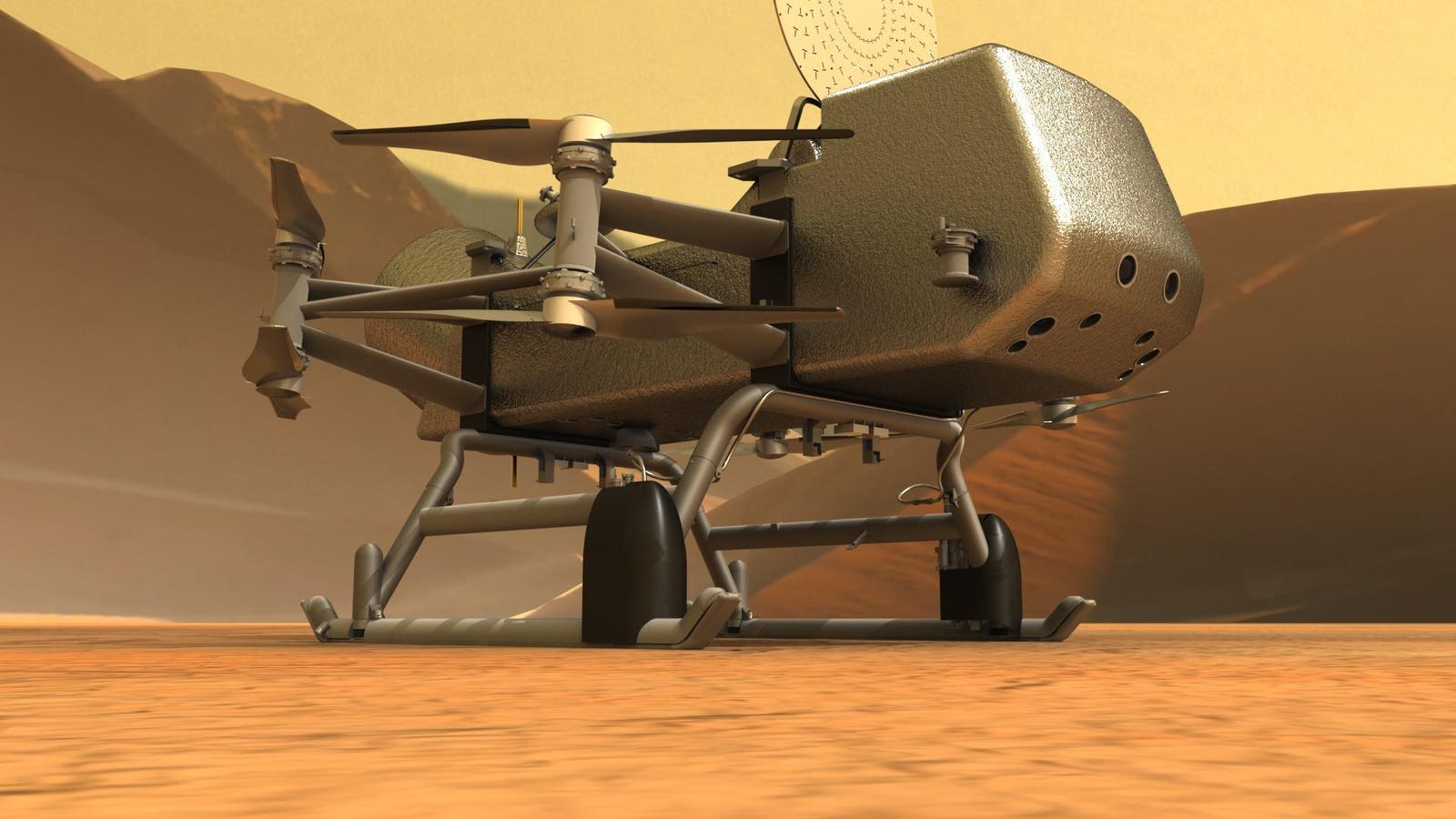
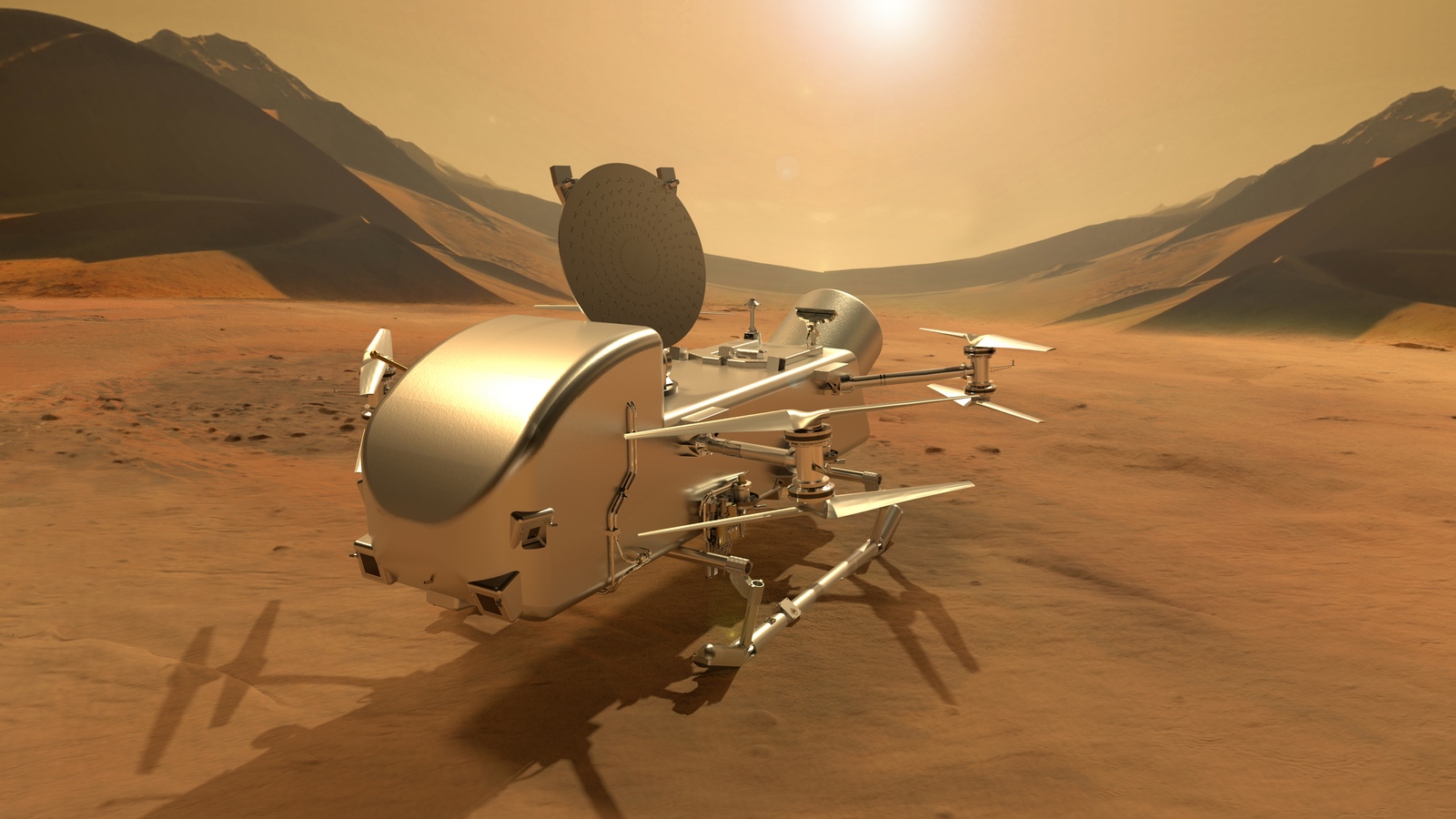
Space.com’s This Week In Space Episode 198 features Rod Pyle and Tariq Malik discussing NASA’s Dragonfly mission to Saturn’s moon Titan with principal investigator Dr. Elizabeth “Zibi” Turtle. The car-sized rotorcraft, slated for a 2028 launch and a 2034 arrival, will descend into Titan’s atmosphere and then fly across its hydrocarbon dunes and methane seas, stepping through its surface and atmospheric exploration plans.

Titan's Methane Crust: A Potential Alien Habitat?
science1 year ago

Titan's Methane Crust: A Potential Alien Habitat?

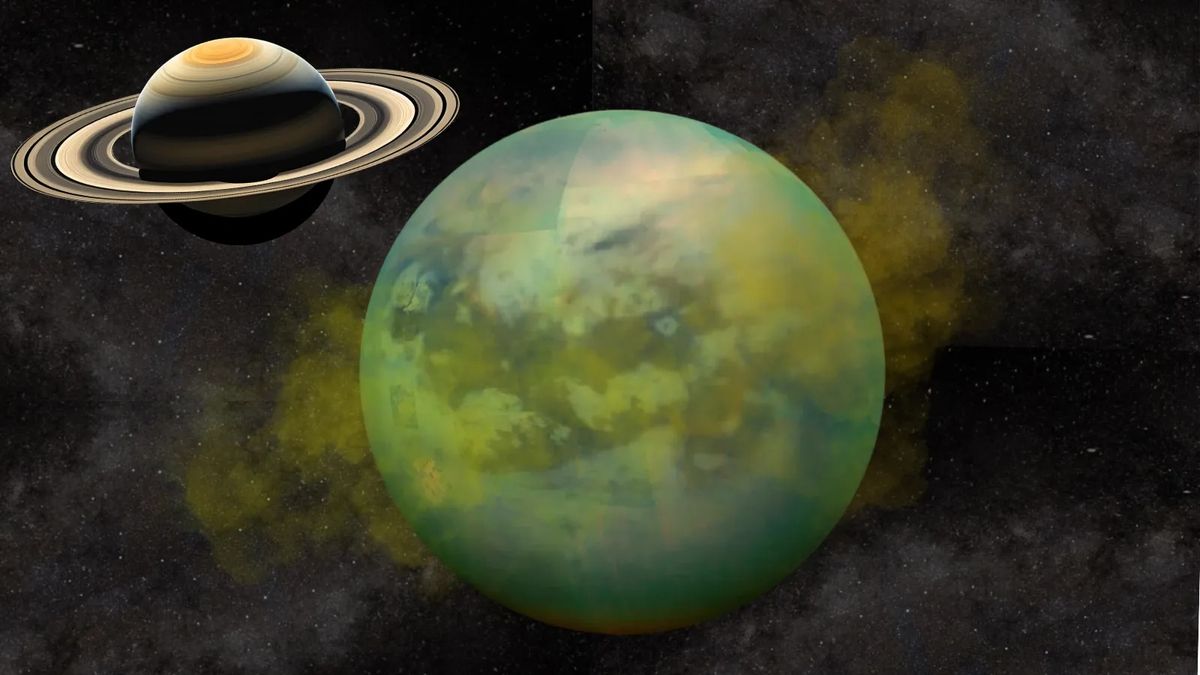
Scientists have found that Saturn's moon Titan may have a six-mile-thick crust of methane ice, which could facilitate the detection of life signs from its subsurface ocean. This methane layer might also explain Titan's methane-rich atmosphere and provide insights into Earth's climate processes. The discovery, based on shallow impact craters and computer modeling, suggests Titan's interior is warmer and more flexible than previously thought. This research could guide future missions like NASA's Dragonfly, set to explore Titan in the 2030s.

"New Insights Reveal Dynamic Liquid Lakes on Saturn's Moon Titan"
science1 year ago

"New Insights Reveal Dynamic Liquid Lakes on Saturn's Moon Titan"

Scientists have discovered that Titan, Saturn's largest moon, has liquid hydrocarbon lakes with waves, currents, and estuaries, resembling Earth's water bodies. Using data from NASA's Cassini mission, the study reveals that Titan's lakes contain varying levels of methane and ethane. NASA's upcoming Dragonfly mission, set to launch in 2027, aims to further explore Titan's prebiotic chemistry and search for biosignatures.

"NASA's Epic Dragonfly Mission: Giant Drone Set to Explore Saturn's Moon Titan"
space-exploration1 year ago

"NASA's Epic Dragonfly Mission: Giant Drone Set to Explore Saturn's Moon Titan"

NASA has confirmed the Dragonfly mission, a $3.35 billion project set to launch in July 2028, which will fly a drone-like craft around Saturn’s largest moon, Titan, to explore its unique environment with weather, liquid, and potential building blocks of life. The mission aims to search for chemical biosignatures, investigate the moon’s active methane cycle, and explore prebiotic chemistry in the atmosphere and on the surface. Dragonfly will reach Titan in 2034 and conduct a two-year mission, taking samples and pushing the boundaries of rotorcraft exploration outside of Earth.

"NASA Approves Mission to Send Nuclear-Powered Drone to Saturn's Moon Titan"
space-exploration1 year ago

"NASA Approves Mission to Send Nuclear-Powered Drone to Saturn's Moon Titan"

NASA has approved the delayed Dragonfly drone mission to Saturn's moon Titan for a 2028 launch, with the car-sized nuclear-powered drone set to reach Titan in 2034. The mission aims to investigate prebiotic chemical processes on Titan, known for its resemblance to early Earth and potential habitability. The mission's budget has increased to $3.35 billion due to design iterations, supply-chain issues, and the need for a heavy-lift launch vehicle. NASA's confirmation allows the mission to proceed to final design stages, marking a significant step in exploring Titan's potential for life.

"Life Unlikely on Saturn's Largest Moon, Titan"
space-science2 years ago

"Life Unlikely on Saturn's Largest Moon, Titan"

A study led by astrobiologist Catherine Neish suggests that Saturn's largest moon, Titan, is most likely not habitable due to the lack of organic molecules necessary for life to emerge in its subsurface ocean. This finding has significant implications for the search for extraterrestrial life in the outer solar system and raises questions about the habitability of other icy worlds. Despite this discovery, the upcoming NASA Dragonfly mission aims to study Titan's prebiotic chemistry and surface composition to gain a better understanding of its potential for hosting life.

"NASA Finds Saturn's Icy Moons Unlikely Hosts for Life"
space-science2 years ago

"NASA Finds Saturn's Icy Moons Unlikely Hosts for Life"

A new study suggests that Saturn's moon Titan, long considered a potential candidate for hosting life due to its liquid hydrocarbon lakes and subsurface ocean, may not be as habitable as previously thought. The study found that the volume of organics delivered to the moon's subsurface ocean through impacts is insufficient to sustain life. This challenges the optimism for finding extraterrestrial life within our own Solar System, but there is still hope for potential prebiotic environments near Titan's surface, which NASA's upcoming Dragonfly mission aims to explore.

"Life Unlikely: Saturn's Moon Titan Not Suitable for Life, NASA Finds"
space2 years ago

"Life Unlikely: Saturn's Moon Titan Not Suitable for Life, NASA Finds"

New research suggests that Titan's underground ocean, along with similar oceans inside other icy moons in the outer solar system, may lack the organic chemistry necessary for life due to the slow rate of comet impacts delivering organic material to the ocean. While the possibility of hydrothermal vents on Europa and organic material from Titan's interior is being investigated, it remains uncertain whether these could support life. NASA's Dragonfly mission to Titan in 2028 may provide opportunities to study impact sites on the surface and learn more about prebiotic chemistry, potentially shedding light on the formation of life on Earth.

"Uninhabitable: Saturn's Largest Moon"
space2 years ago

"Uninhabitable: Saturn's Largest Moon"

A study led by Western astrobiologist Catherine Neish suggests that Saturn's largest moon, Titan, is most likely uninhabitable due to the limited transfer of organic molecules from its surface to its subsurface ocean, making it less likely to support life. This finding has implications for the search for extraterrestrial life in the outer solar system and raises questions about the habitability of other icy moons. Despite this discovery, the upcoming NASA Dragonfly mission aims to study Titan's prebiotic chemistry and composition, providing valuable insights into the potential for life on other planets.

NASA's Dragonfly mission to Saturn moon Titan postponed to 2028 due to nuclear power complications
space2 years ago

NASA's Dragonfly mission to Saturn moon Titan postponed to 2028 due to nuclear power complications

NASA has announced a one-year delay for its Dragonfly mission to explore Saturn's moon Titan, with a provisional launch date set for July 2028. The delay is attributed to budgetary uncertainty, as the official costing and scheduling of the mission have been postponed due to funding uncertainties in 2024 and 2025. Dragonfly, a nuclear-powered rotorcraft drone, will investigate Titan's potential habitability and search for signs of water or hydrocarbon-based life. It will also collect samples to determine the composition of surface materials under varying geological conditions. The mission is of high priority for planetary scientists due to Titan's thick atmosphere, Earth-like hydrological cycle, and potential for habitability.

NASA's Dragonfly Mission to Titan Experiences Ongoing Delays
space-exploration2 years ago

NASA's Dragonfly Mission to Titan Experiences Ongoing Delays

NASA's Dragonfly mission to Saturn's moon Titan has been delayed once again, with the new launch date set for July 2028. The delay is due to budget uncertainties, and NASA will not formally confirm the mission until mid-2024. The Dragonfly mission aims to study Titan's environment and potential for life using a rotorcraft-lander. The delay is a result of uncertain funding for NASA's planetary science division, with potential reductions in the budget affecting Dragonfly and other missions. Despite the financial hurdles, the mission has passed key design reviews and is authorized to proceed with its final design and fabrication. However, the total cost and schedule of the mission will not be confirmed until mid-2024.

NASA's Dragonfly Mission: Review and Launch Date Postponed
space2 years ago

NASA's Dragonfly Mission: Review and Launch Date Postponed

NASA has postponed the Dragonfly mission to Saturn's moon Titan by a year due to budget uncertainty. The formal confirmation of the mission, which sets the official cost and schedule, has been delayed until early 2024. Despite the funding challenges, NASA will allow some elements of the mission's design and fabrication to proceed. The Dragonfly mission aims to send a drone to Titan to explore regions that may have once supported life. The new launch readiness date is now set for July 2028.