Tag

Cassini Spacecraft

All articles tagged with #cassini spacecraft

science1 year ago

"Hidden Ocean: Uncovering Saturn's Icy Moon Secrets"

Data from NASA's Cassini spacecraft suggests that Saturn's icy moon Mimas likely has a large underground ocean about 20 to 30 kilometers beneath its frozen surface, making it a potential candidate for supporting life. The ocean is believed to have formed relatively recently and may offer a unique opportunity to explore the first stage of life's development, although its young age could present challenges for life to emerge.

science1 year ago

"Saturn's Moon Mimas: Uncovering a Vast Subsurface Ocean"

Scientists have discovered that Saturn's small moon Mimas likely harbors a subsurface ocean, challenging previous assumptions about the moon's interior. Using data from the Cassini spacecraft, researchers found that Mimas' orbital precession suggests the presence of an internal ocean beneath its icy shell, approximately 12 to 18 miles deep, which may have formed relatively recently. This finding could have implications for understanding the geological history of Saturn's moons and motivate further exploration of mid-sized icy moons throughout the solar system.

space-exploration1 year ago

"Revealing Mimas: Saturn's Tiny Moon Hides a Young Ocean"

Researchers have discovered a global ocean of liquid water beneath the surface of Mimas, one of Saturn’s smallest moons, using data from NASA’s Cassini spacecraft. The young ocean, estimated to be only 5 to 15 million years old, makes Mimas a prime target for studying the origins of life in our Solar System and provides insights into ocean formation and the potential for life beyond Earth. This discovery has significant implications for our understanding of the potential for life beyond Earth and opens up exciting new avenues for future exploration.

astronomy1 year ago

"Hidden Ocean: Saturn's Mysterious Moon Mimas Reveals Surprising Secrets"

Astronomers have discovered strong evidence of a vast, relatively young ocean beneath the icy surface of Saturn's moon Mimas, based on observations by NASA's Cassini spacecraft. The ocean, believed to be 5 to 15 million years old, is located 12 to 18 miles beneath the moon's frozen crust and could potentially make Mimas a habitable world. This finding makes Mimas a prime candidate for studying the origin of life, as the existence of a "remarkably young" ocean of liquid water presents an opportunity to explore astrobiology.

space-science1 year ago

"Hidden Ocean: Saturn's Mimas Moon Reveals Secret Depths"

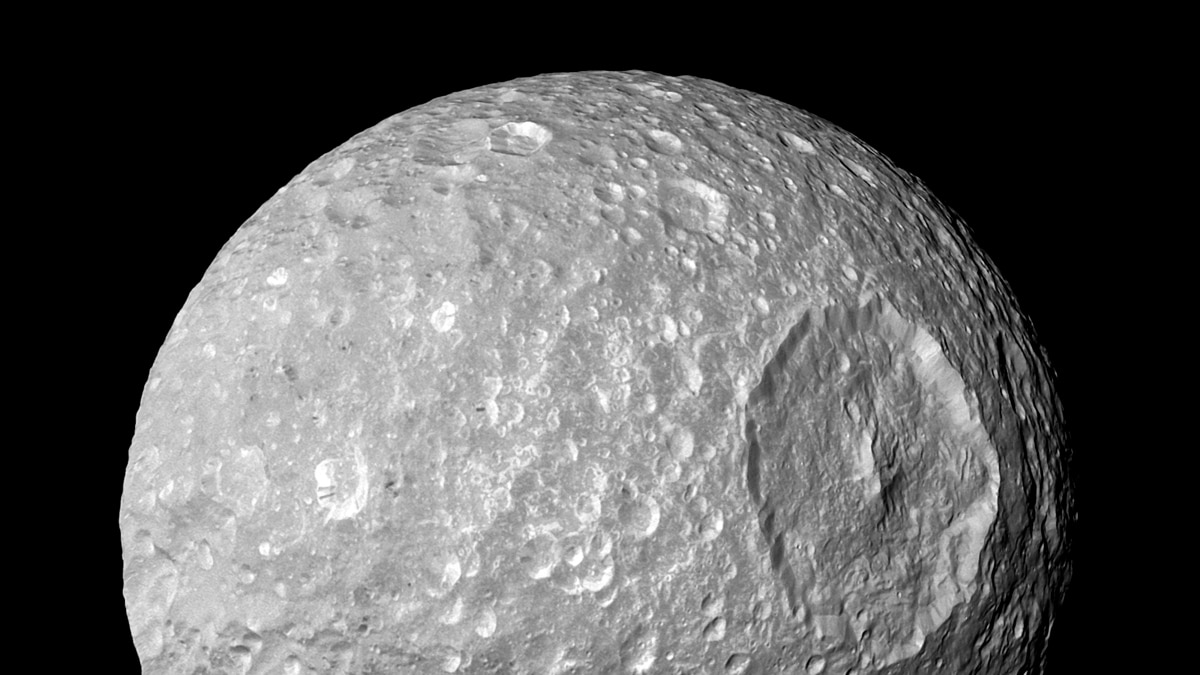
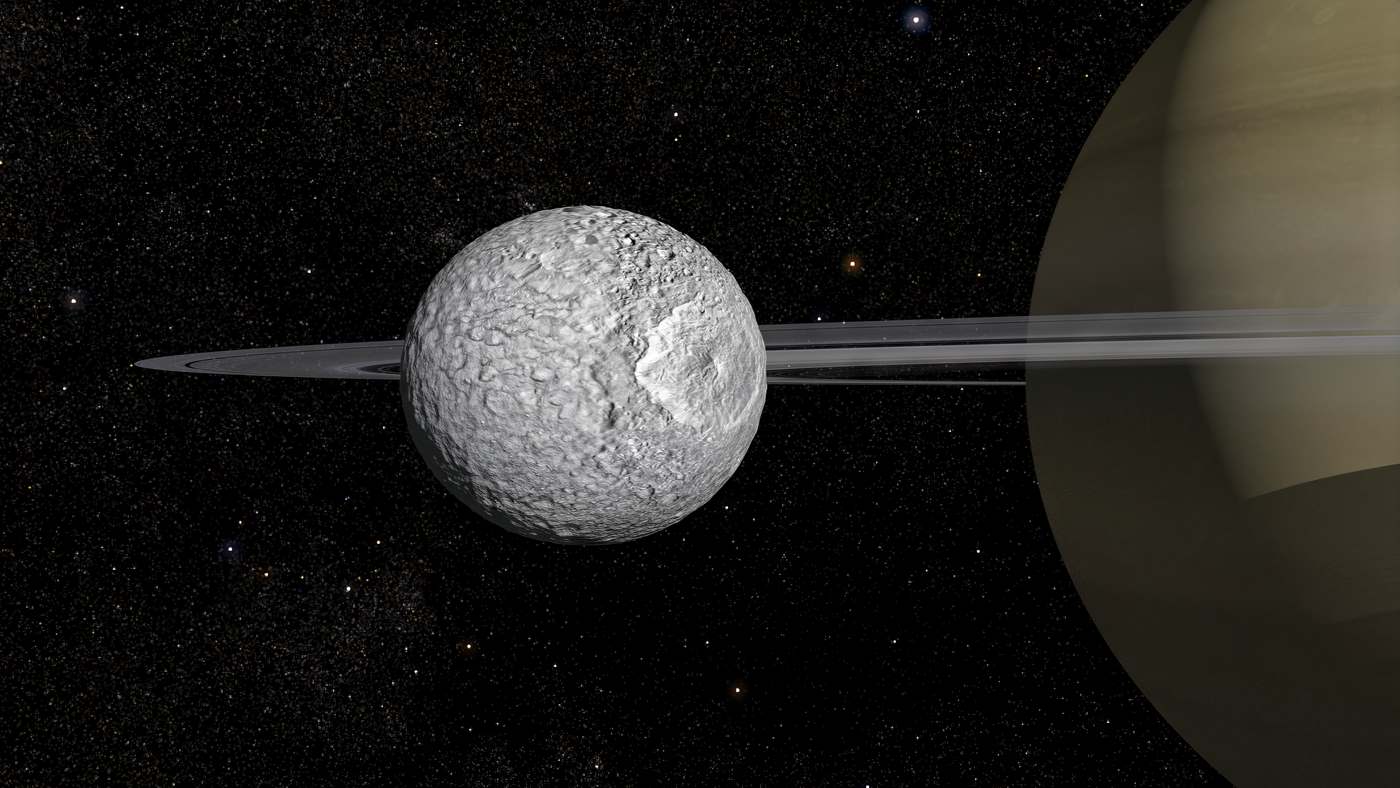
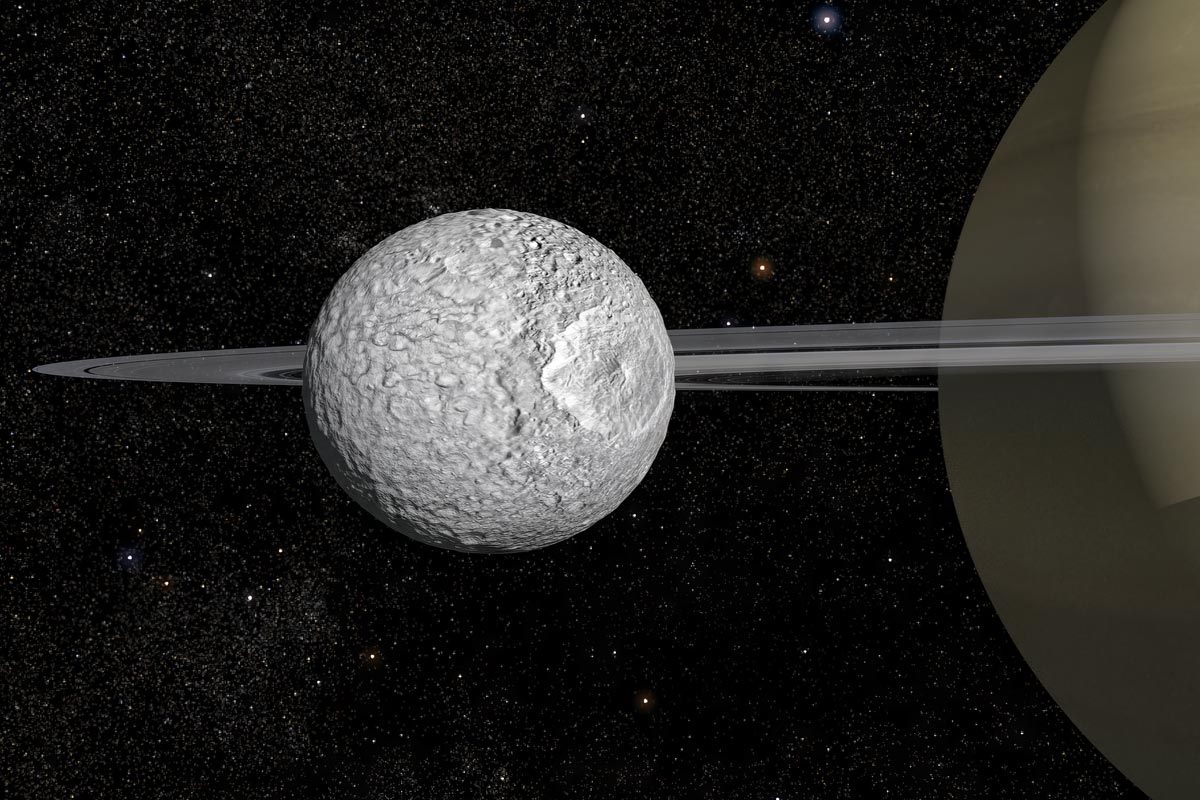
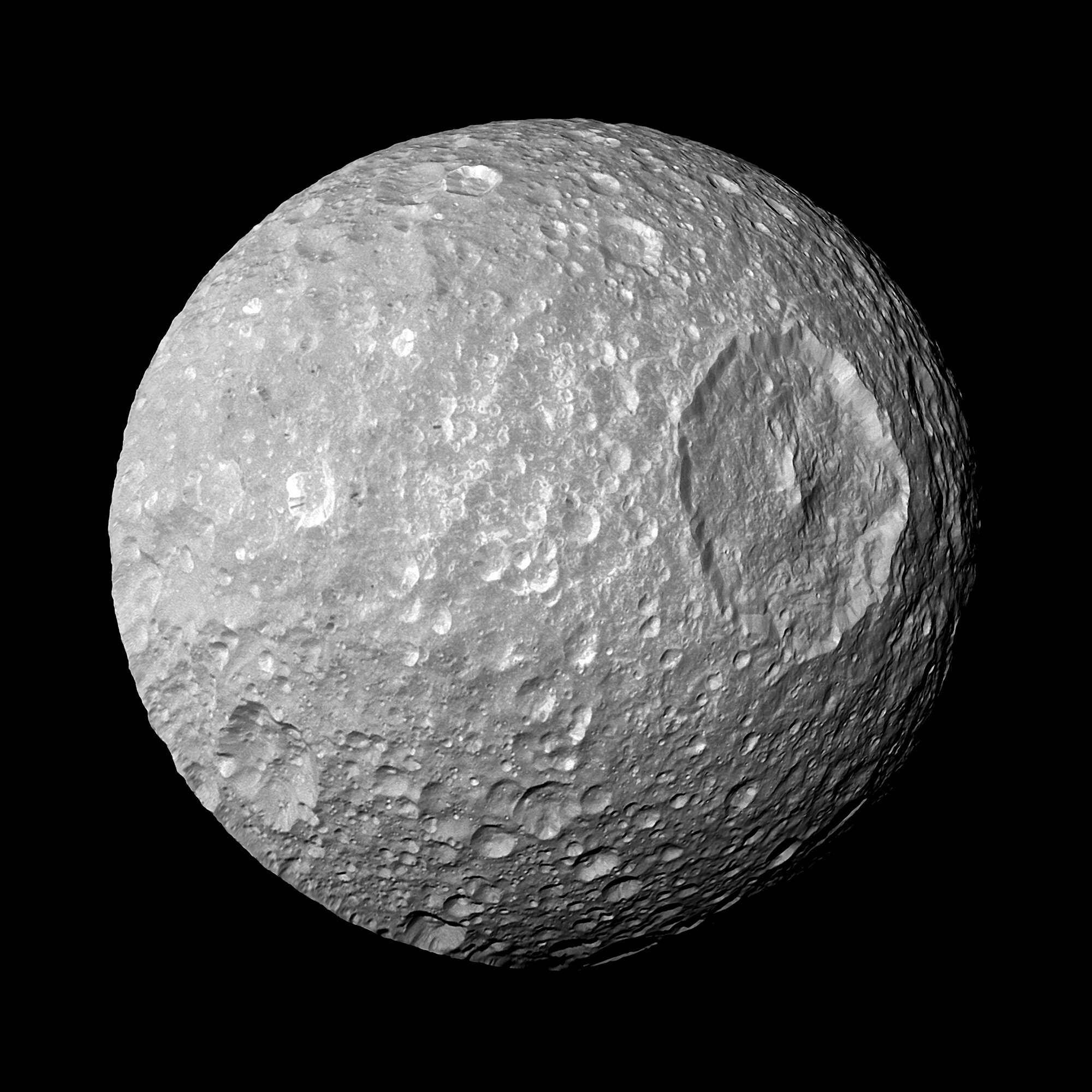
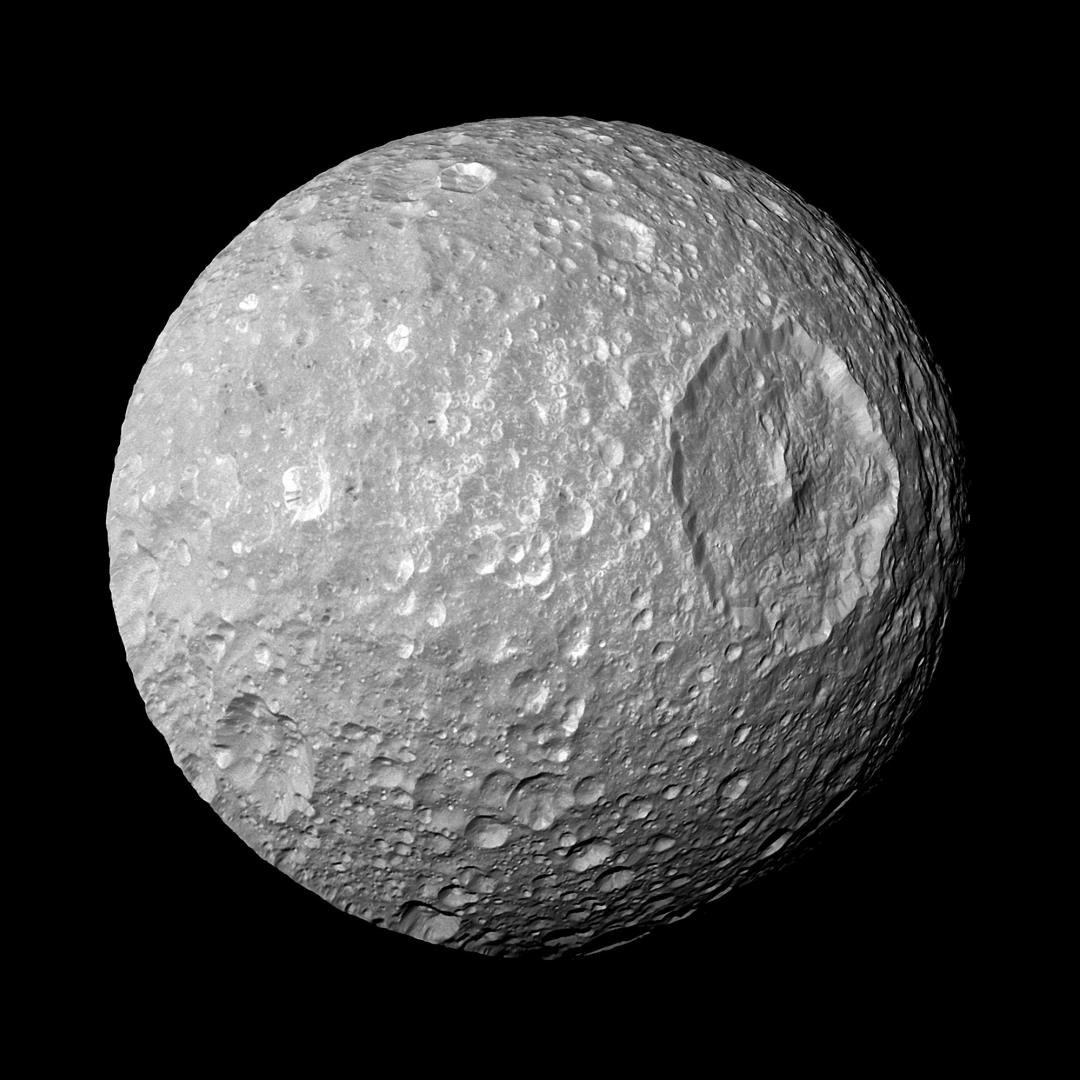
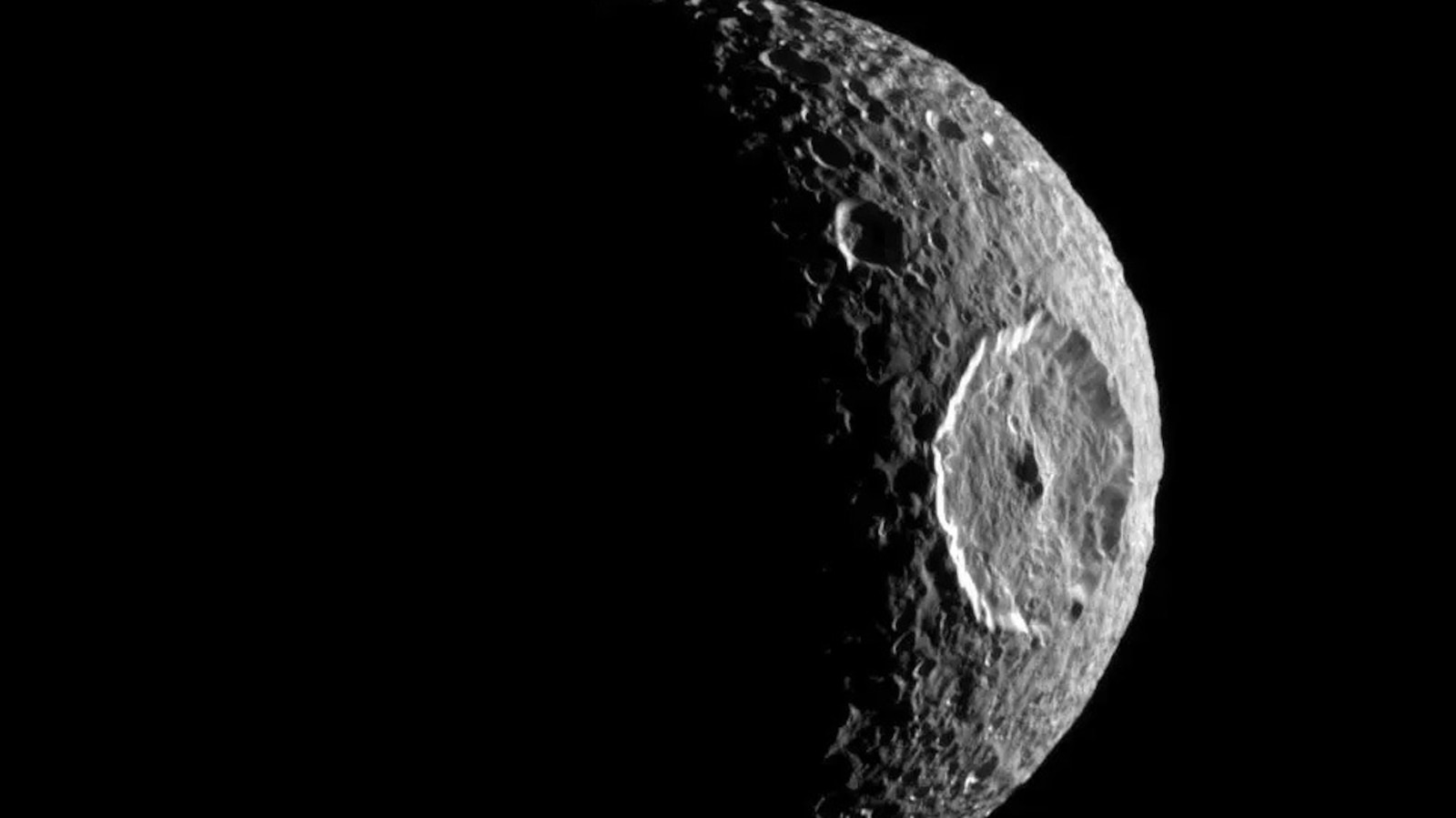
Astronomers have discovered strong evidence of a vast, relatively young ocean beneath the icy surface of Saturn's moon Mimas, resembling the Death Star. This finding, based on observations by NASA's Cassini spacecraft, suggests the presence of a hidden ocean 12 to 18 miles beneath the frozen crust. Despite Mimas' small size, the ocean is believed to fill half of its volume, making it a potential candidate for studying the origin of life.

astronomy1 year ago

"Surprising Discovery: Saturn's 'Death Star' Moon Mimas Hides Vast Ocean Beneath Surface"

Astronomers have discovered evidence of a vast liquid ocean beneath the icy surface of Saturn's moon Mimas, contradicting its "Death Star" nickname. The findings, based on observations from NASA's Cassini spacecraft, suggest that the ocean formed relatively recently, making Mimas a potential location for studying the origins of life in the solar system. Despite lacking visible signs of subterranean ocean activity, the moon's young ocean provides unexpected evidence that even small, seemingly inactive moons can harbor conditions supportive of life.

space-science1 year ago

"Discovery: Saturn's 'Death Star' Moon Hides a Secret Ocean"

Scientists have discovered a hidden ocean beneath the icy shell of Saturn's moon Mimas, resembling the Death Star from "Star Wars." The ocean, located 12 to 18 miles below the surface, was identified through a detailed analysis of Mimas' orbital motion and is believed to be less than 25 million years old. This finding challenges previous assumptions about the moon's composition and could redefine the conditions for habitability on celestial bodies. The discovery, based on observations from NASA's Cassini spacecraft, has sparked excitement among researchers and could inspire new perspectives on the potential for young oceans on small, icy moons.

space2 years ago

"Mysterious Snow Islands of Titan: Unraveling the Enigma"

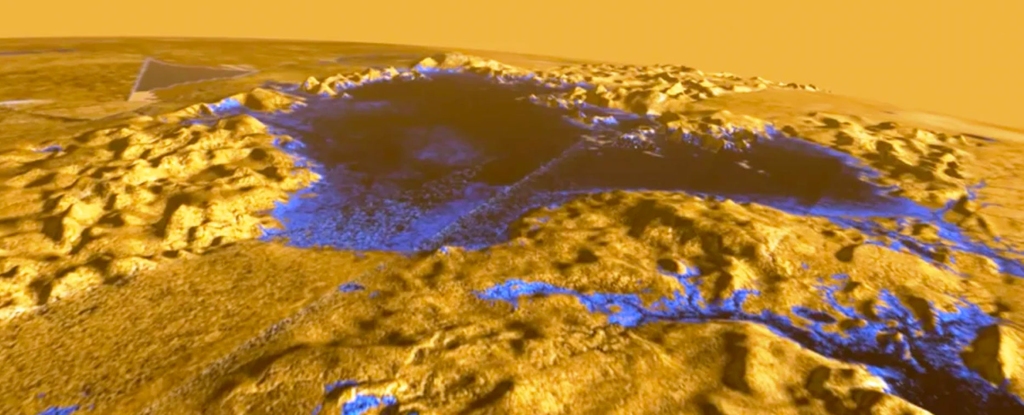
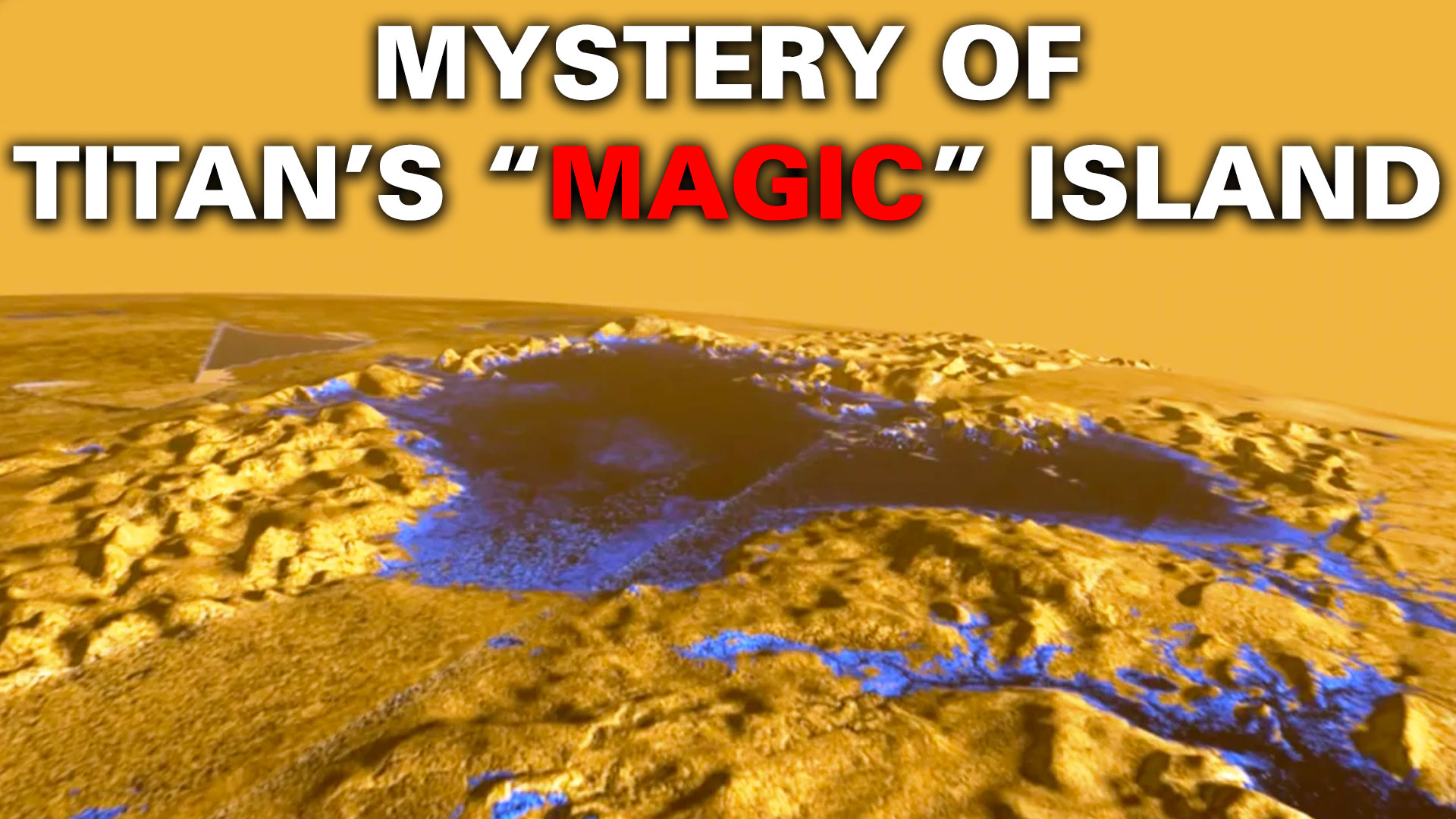
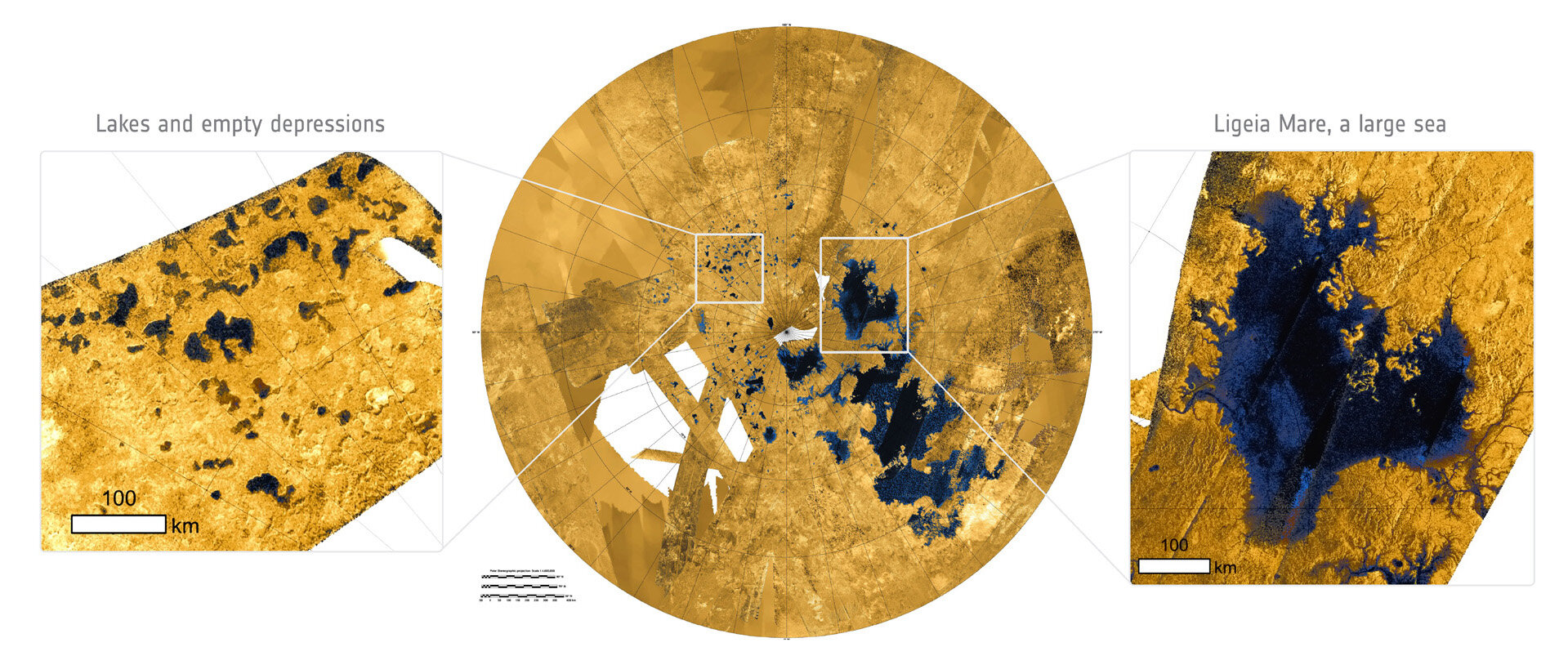
NASA's Cassini spacecraft discovered ephemeral bright areas, dubbed Titan's "magic islands," floating on the hydrocarbon seas of Saturn's moon Titan. A recent study suggests that these islands are likely porous, frozen organic solids that can float on the liquid methane and ethane due to their honeycomb-like structure. This finding also helps explain the smoothness of Titan's lakes and seas, and future exploration missions like NASA's Dragonfly could provide further insights into these intriguing features.

space-science2 years ago

"Unraveling the Enigma of Titan's 'Magic Islands' on Saturn's Moon"

Scientists studying data from the Cassini spacecraft's mission to Saturn's moon Titan believe that the mysterious "magic islands" observed in the moon's lakes may be blobs of organic molecules that form in the atmosphere, collect in the lakes, and float around. The team, led by Xinting Yu from the University of Texas, found that the solid material landing on the surface, and by chance, in the lakes, must be porous in nature, giving it the ability to float. This discovery sheds light on the unique chemistry and surface features of Titan, Saturn's largest moon.

space-science2 years ago

"Unveiling the Nature of Titan's Enigmatic 'Magic Islands'"

Scientists studying radar scans of Saturn's moon Titan believe that the "magic islands" observed in its lakes of liquid methane may be blobs of organic molecules that form in the atmosphere, collect in the lakes, and float around. The Cassini spacecraft, which orbited Saturn for 14 years, provided valuable data about Titan's unique features, including its dense atmosphere and stable bodies of water. Researchers found that the organic compounds on Titan's surface exist as solids, and their porous nature allows them to float, potentially explaining the temporary bright spots observed in the lakes.

science-and-environment2 years ago

Unveiling the Mystery of Titan's 'Magic Islands': Hydrocarbon Iceberg Phenomena Revealed

A new study published in Geophysical Research Letters suggests that the mysterious "magic islands" observed on Saturn's moon Titan are likely porous hydrocarbon icebergs. These transient bright spots, first detected by the Cassini-Huygens mission, were previously thought to be gas bubbles. However, the study led by planetary scientist Xinting Yu proposes that organic molecules from Titan's atmosphere can freeze and clump together, forming buoyant structures that can float on the moon's methane and ethane lakes due to their porosity. These findings offer an explanation for both the "magic islands" and the unusual smoothness of Titan's liquid bodies.