Tag

Potential For Life

All articles tagged with #potential for life

space-exploration1 year ago

"Reassessing Europa's Oxygen Levels: Implications for Habitability"

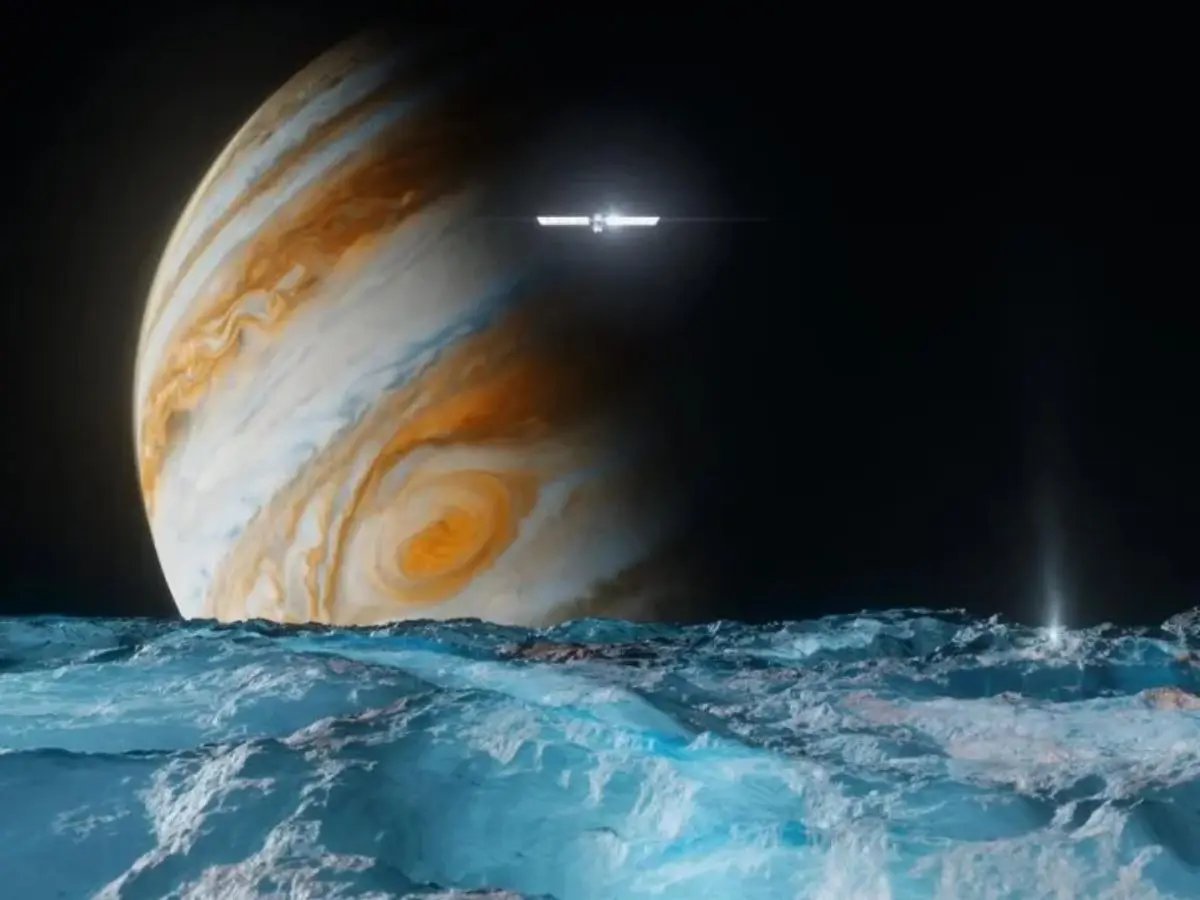
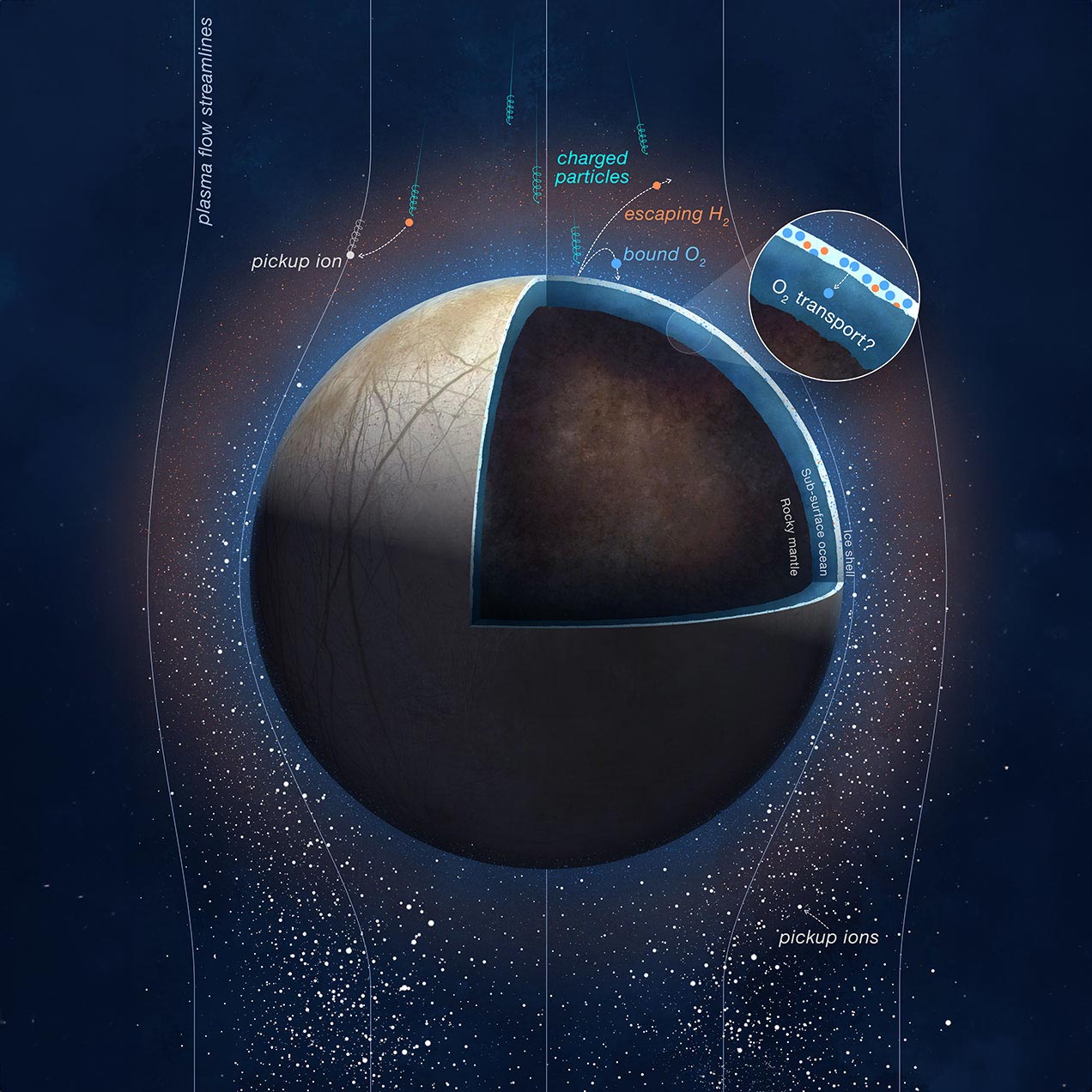
NASA's Juno spacecraft has revealed surprising findings about the rate of oxygen production at Jupiter's moon Europa, estimating it to be around 26 pounds every second, substantially less than previous studies. This discovery has implications for the potential habitability of Europa, as some of the oxygen produced could work its way into the moon's subsurface ocean as a possible source of metabolic energy. The findings were derived from data collected by Juno's Jovian Auroral Distributions Experiment (JADE) instrument during a close flyby of Europa. The upcoming Europa Clipper mission in 2030 will further investigate Europa's potential for life.

astronomy1 year ago

"James Webb Telescope Uncovers Potential for Life on Distant Dwarf Planets"

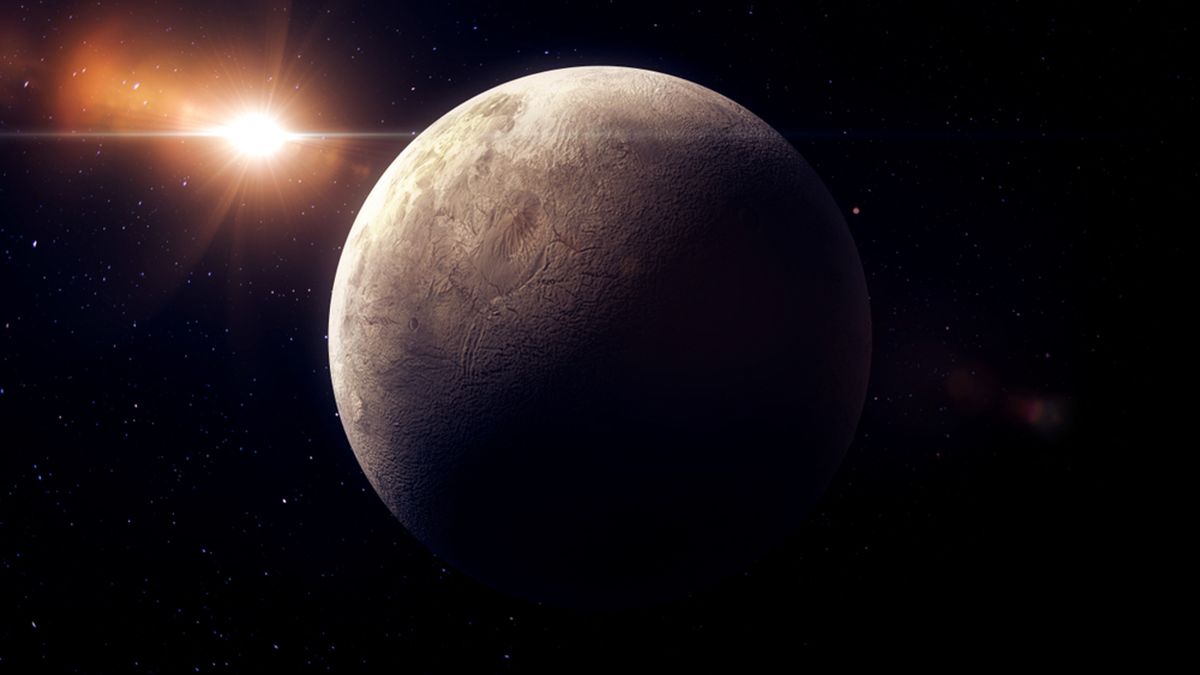
The James Webb Space Telescope has detected potential geological activity on the dwarf planets Eris and Makemake, suggesting the possibility of conditions conducive to supporting alien life. The presence of thermogenic methane in their atmospheres indicates ongoing or recent geological processes, challenging previous assumptions about the activity of dwarf planets. These findings raise the likelihood of life developing on these distant worlds and prompt the suggestion for future exploration missions to further assess their geological potential.

space-science1 year ago

"James Webb Telescope Identifies Potential Life Conditions on Dwarf Planets Beyond Neptune"

The James Webb Space Telescope has detected potential geological activity on the dwarf planets Eris and Makemake, suggesting they could support alien life. The presence of thermogenic methane in their atmospheres indicates ongoing or recent geological processes, challenging previous assumptions about the activity of small celestial bodies. These findings raise the possibility of life on these planets and highlight the need for further exploration to assess their geological potential.

astronomy1 year ago

"Surprising Discoveries: Geothermal Activity and Warm Hearts in Icy Dwarf Planets"

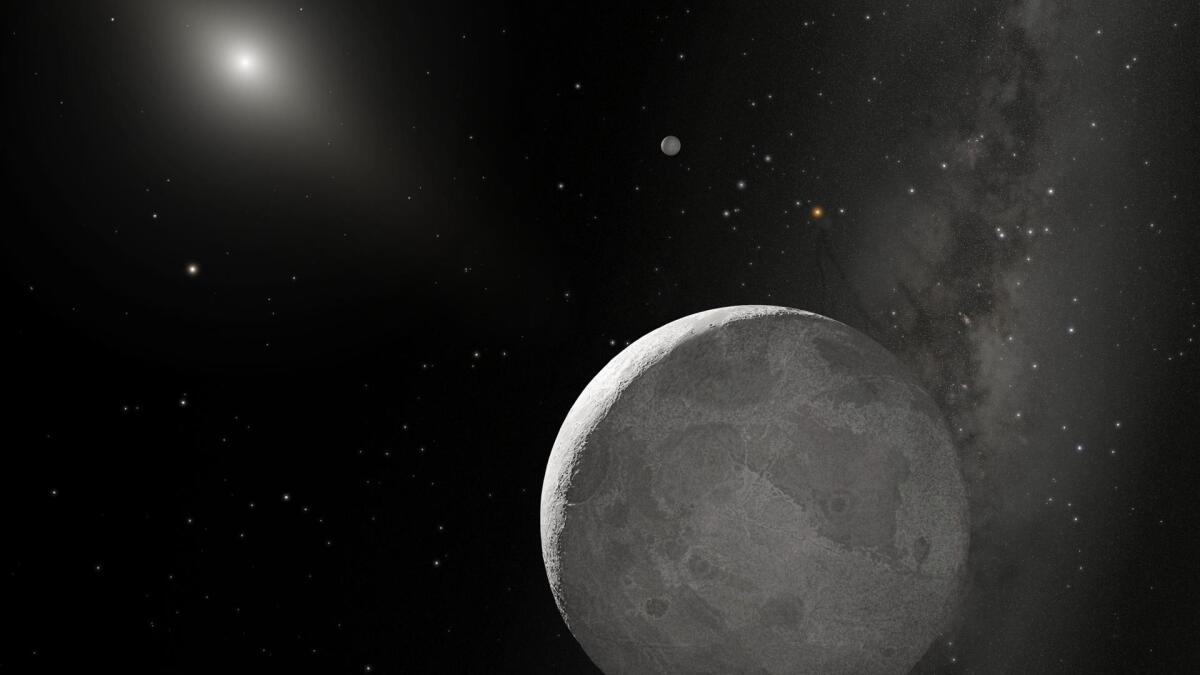
The James Webb Space Telescope has detected unexpected activity in the Kuiper Belt, a region beyond the planets in our solar system. Recent findings suggest that icy objects in this area, such as Eris and Makemake, may have hot interiors capable of sustaining oceans and potentially even harboring conditions suitable for life. The telescope's powerful abilities, including its giant mirror and infrared view, allow it to peer into the deepest cosmos and reveal new insights about the early universe, as well as study planets and moons in our solar system.

science1 year ago

"Hidden Ocean: Uncovering Saturn's Icy Moon Secrets"

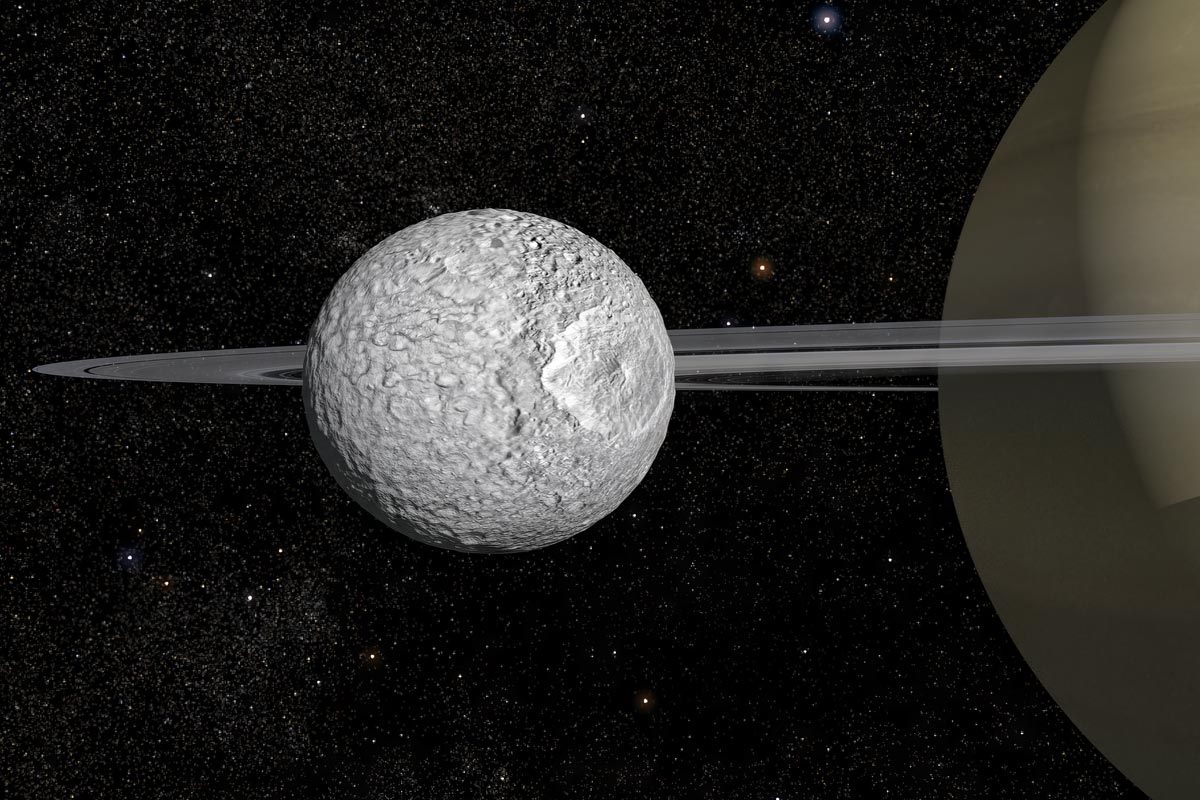
Data from NASA's Cassini spacecraft suggests that Saturn's icy moon Mimas likely has a large underground ocean about 20 to 30 kilometers beneath its frozen surface, making it a potential candidate for supporting life. The ocean is believed to have formed relatively recently and may offer a unique opportunity to explore the first stage of life's development, although its young age could present challenges for life to emerge.

space-exploration1 year ago

"Revealing Mimas: Saturn's Tiny Moon Hides a Young Ocean"

Researchers have discovered a global ocean of liquid water beneath the surface of Mimas, one of Saturn’s smallest moons, using data from NASA’s Cassini spacecraft. The young ocean, estimated to be only 5 to 15 million years old, makes Mimas a prime target for studying the origins of life in our Solar System and provides insights into ocean formation and the potential for life beyond Earth. This discovery has significant implications for our understanding of the potential for life beyond Earth and opens up exciting new avenues for future exploration.

space-science1 year ago

"Hidden Ocean Discovered Inside Saturn's 'Death Star' Moon Mimas"

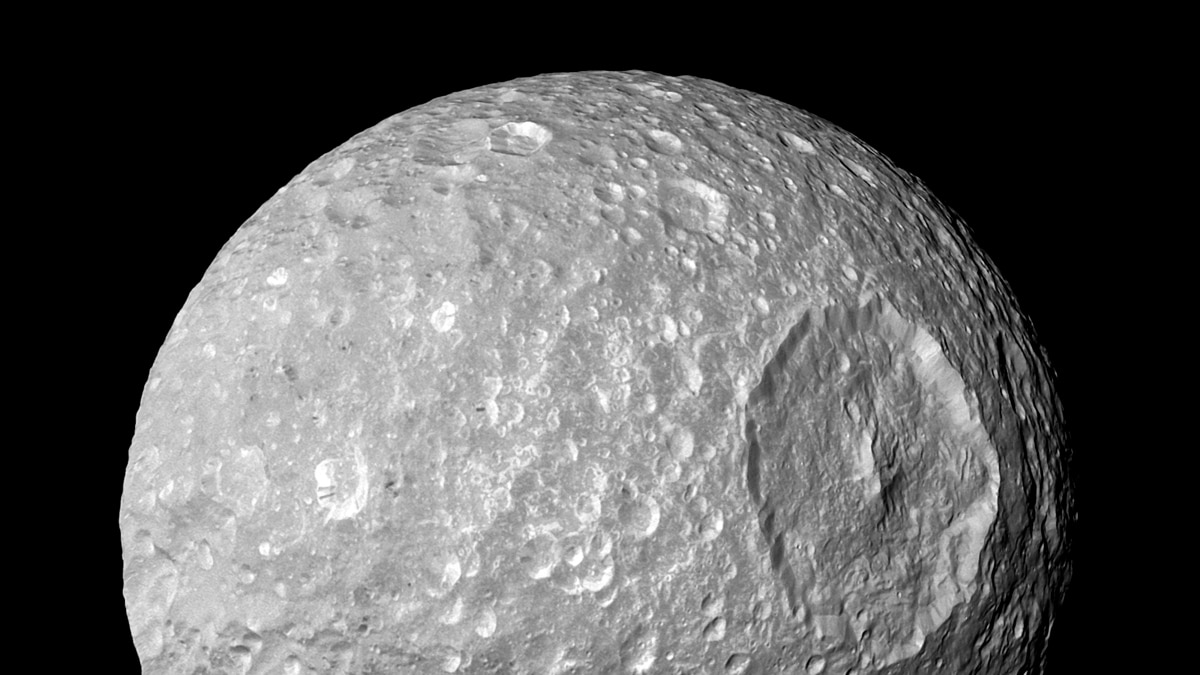
Scientists have discovered that Saturn's moon Mimas, known for its resemblance to the Death Star, harbors a hidden ocean beneath its icy crust, making it the latest addition to the group of moons in our solar system with subsurface oceans. The ocean, estimated to be 45 miles deep and relatively young at 25 million years old, was detected through analysis of Mimas's orbit and spin. This finding has sparked interest in the potential for life on Mimas, although some experts believe that other moons like Europa and Enceladus may be more promising candidates for harboring life.

space-exploration2 years ago

"Ice Water Deposits Found at Mars Equator by ESA's Mars Express Orbiter"

Europe's Mars Express orbiter may have discovered massive ice water deposits below the surface of Mars, estimated to be around 3.7 kilometers thick, challenging previous assumptions about the planet's history and potential for sustaining life. The discovery, located at the equator rather than the poles, has excited scientists about the potential for future human exploration missions, although the protective layer of dust or ash above the ice may complicate access.

space2 years ago

"NASA Discovers 17 Exoplanets with Potential Life-Sustaining Oceans"

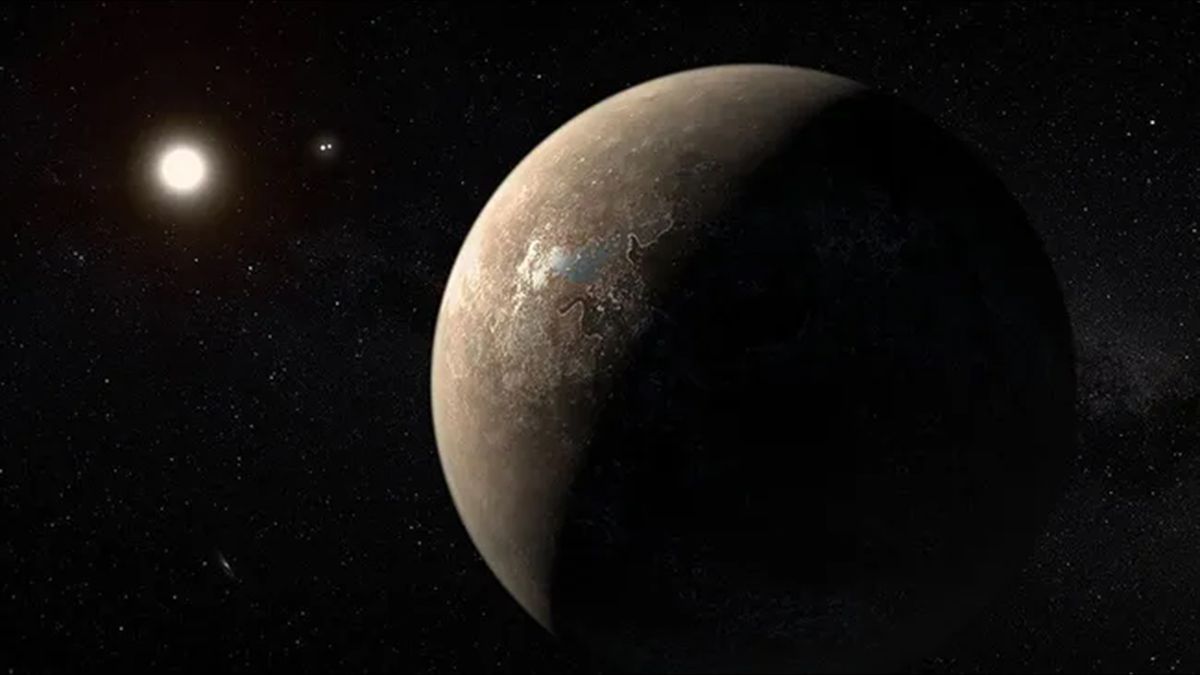
NASA has identified 17 exoplanets that could potentially have subsurface oceans buried beneath thick sheets of ice, making them promising candidates for hosting life. These planets, similar to Jupiter's icy moons, receive enough internal heating from the decay of radioactive elements and tidal forces from their host stars to maintain internal oceans. While their host stars may not provide conditions warm enough for liquid water on the surface, these planets may generate enough heat below the surface to sustain a subsurface ocean. Follow-up observations will involve capturing the emission spectra of light traveling through these planets' atmospheres to search for chemical signs of life.