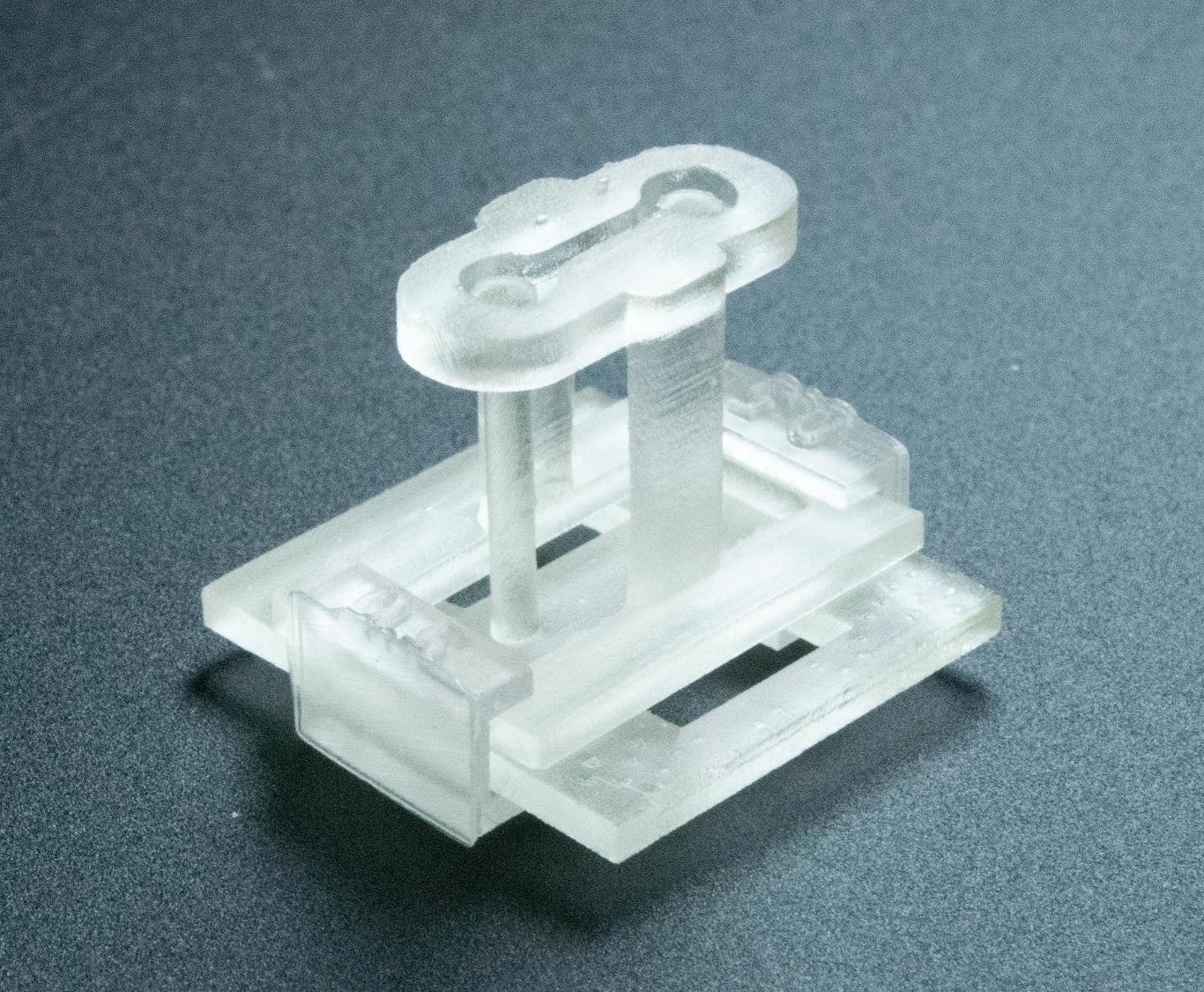
A tiny 3D-printed device called STOMP significantly enhances the precision and complexity of tissue engineering, enabling better modeling of human tissues and diseases by allowing precise cell patterning and interfaces, with potential applications in studying complex biological interactions.
Researchers at Penn State have developed a new 3D bioprinting technique called High-throughput Integrated Tissue Fabrication System for Bioprinting (HITS-Bio), which can rapidly produce complex biological tissues using cell clusters known as spheroids. This method is ten times faster than existing techniques and maintains high cell viability, enabling the creation of functional tissues and potentially accelerating organ replacement and disease modeling. The technique has shown promising results in rat models, significantly speeding up bone repair.
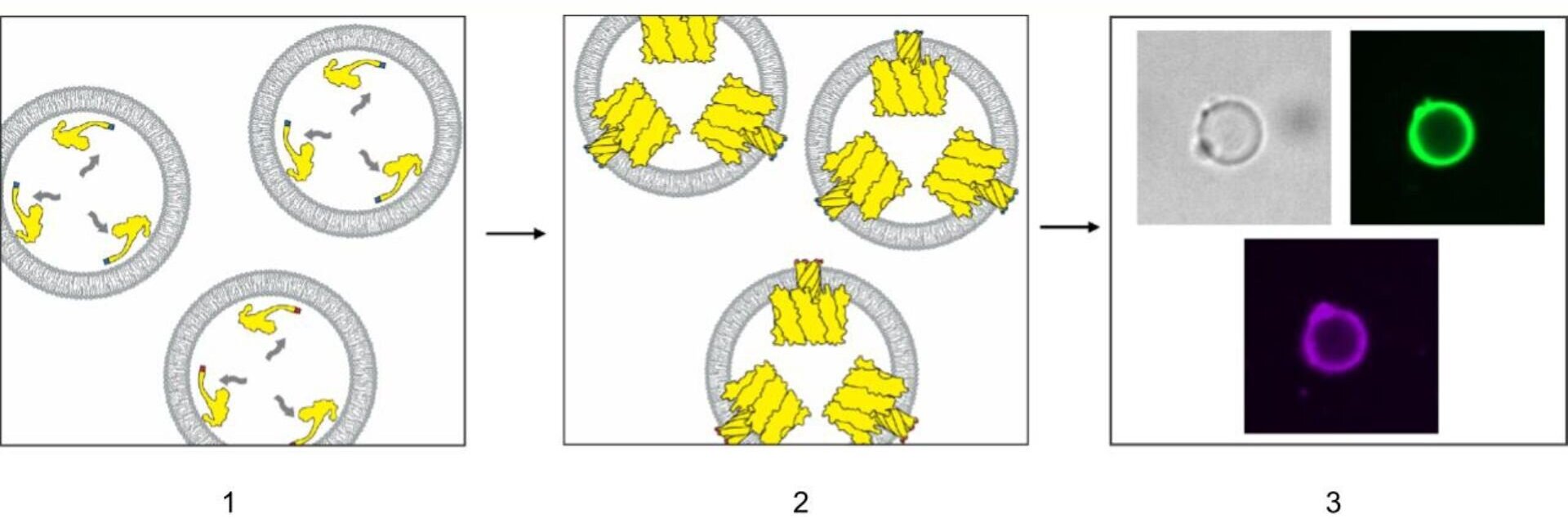
Scientists have developed a method for artificial cells to autonomously modify their membranes, enabling protein transport and tissue assembly without complex external modifications. This breakthrough, using α-hemolysin, could advance tissue engineering and drug delivery by allowing artificial cells to interact with their environment and form tissue-like structures. The study highlights the potential for creating more complex artificial tissues and improving drug delivery systems.
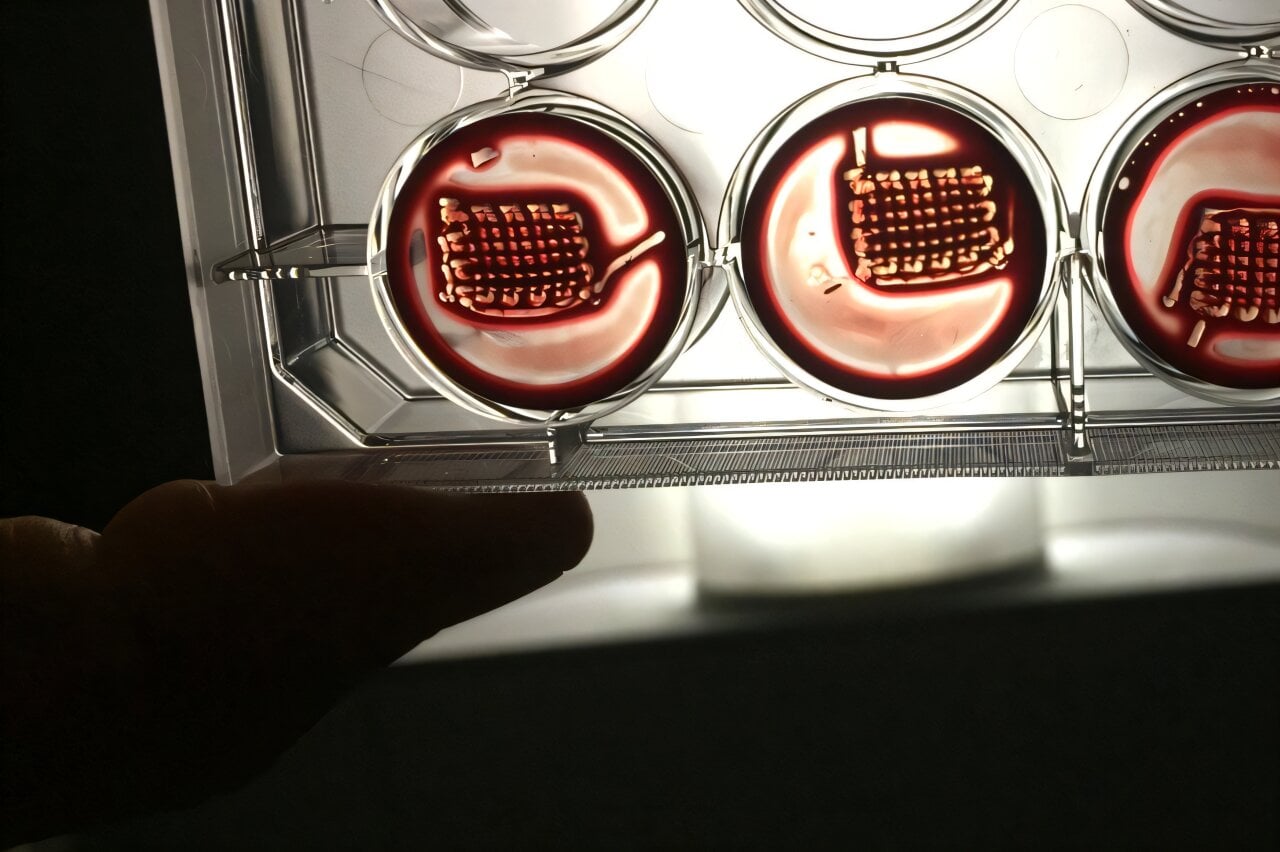
Researchers at the University of Nottingham have developed a 'biocooperative' material using blood and peptide molecules to enhance tissue regeneration, potentially leading to personalized, 3D-printed implants. This innovative approach leverages the natural healing processes of blood to create regenerative materials that can repair bones and other tissues. The method involves mixing synthetic peptides with a patient's blood to form a material that mimics and enhances the natural regenerative hematoma, offering a promising new avenue for regenerative medicine.
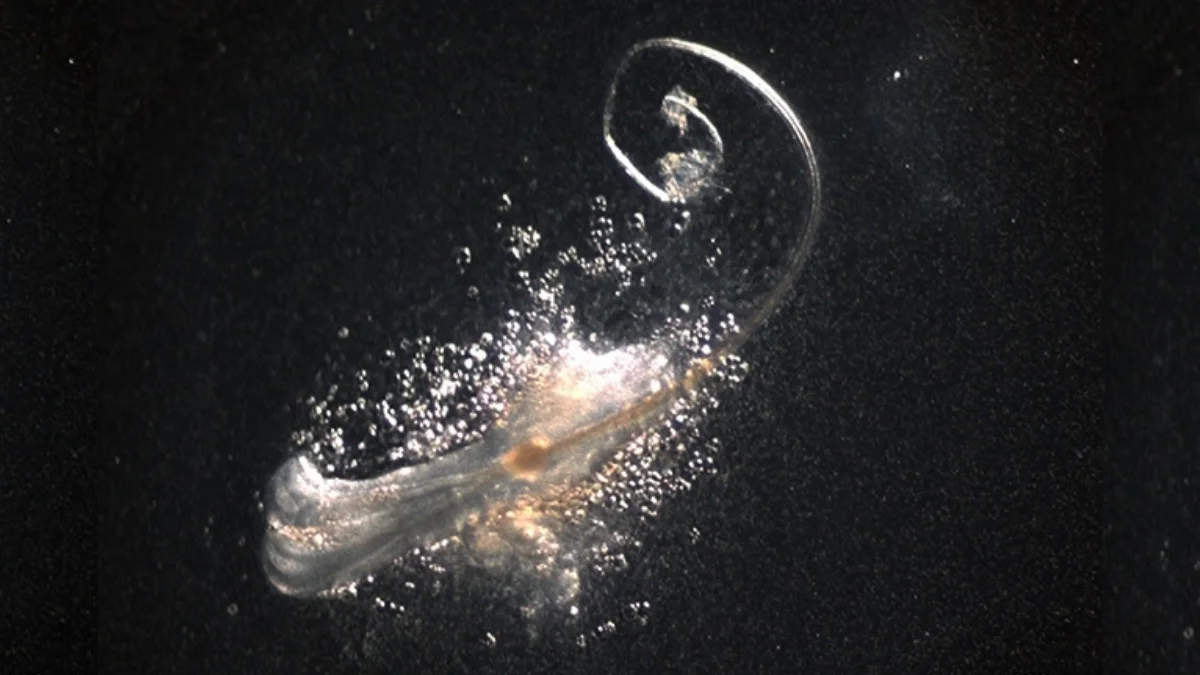
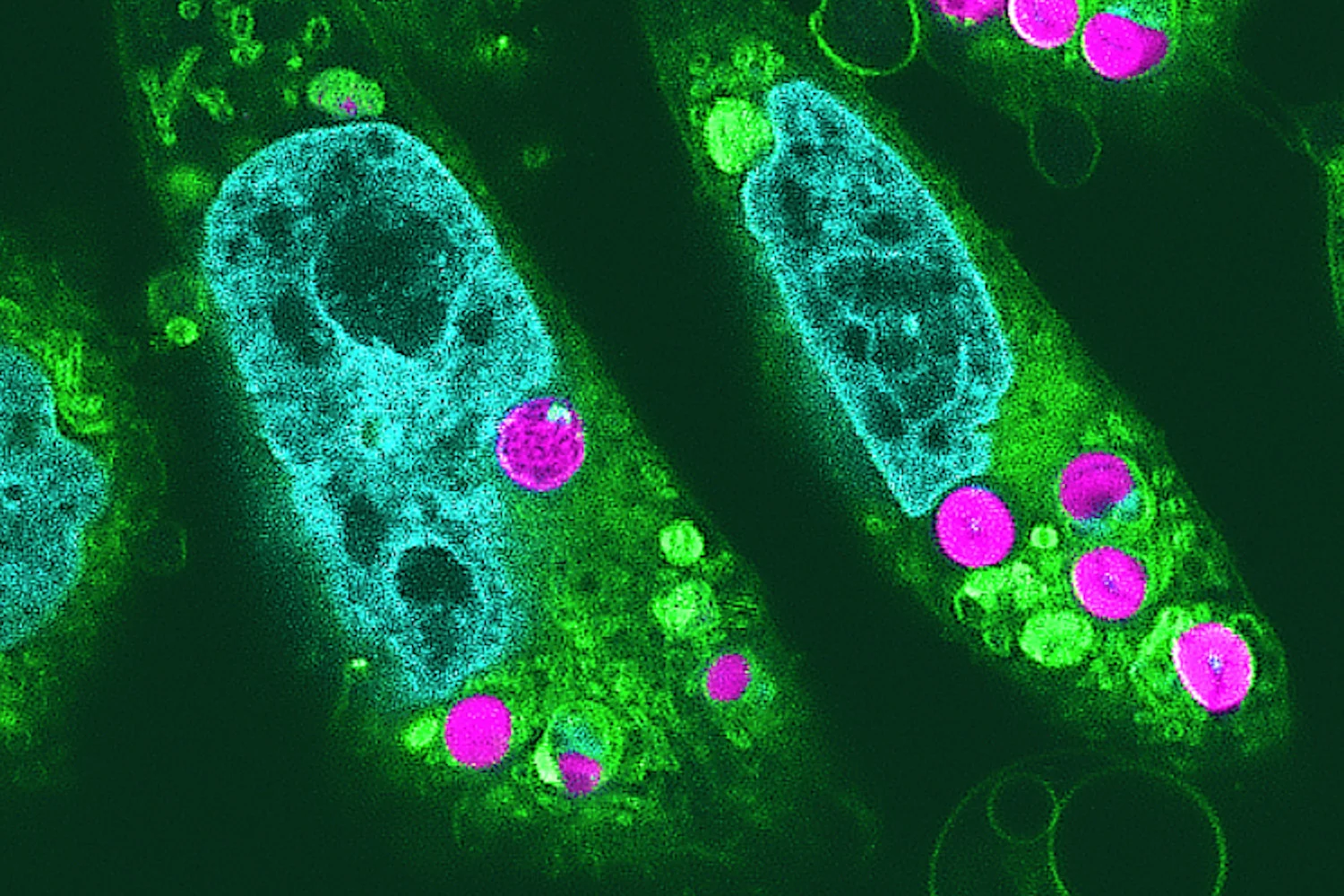
Researchers in Japan have successfully created photosynthetic animal cells by injecting chloroplasts from red algae into hamster cells, enabling them to photosynthesize light. This breakthrough, detailed in the journal Proceedings of the Japan Academy, challenges previous assumptions about the incompatibility of chloroplasts and animal cells. The innovation could have practical applications in artificial tissue engineering, potentially solving oxygenation issues in lab-grown tissues. The study found that these "planimal" cells not only produce oxygen but also have a higher growth rate, suggesting additional benefits from the chloroplasts.
Japanese researchers have successfully transplanted photosynthetically active chloroplasts from algae into animal cells, specifically Chinese hamster ovary cells, marking the first time photosynthetic electron transport has been confirmed in animal cells. This breakthrough could lead to advancements in tissue engineering, such as creating artificial organs that can grow in low oxygen environments by incorporating chloroplasts to supply oxygen through light exposure. However, further research is needed to maintain chloroplast functionality in animal cells for extended periods.
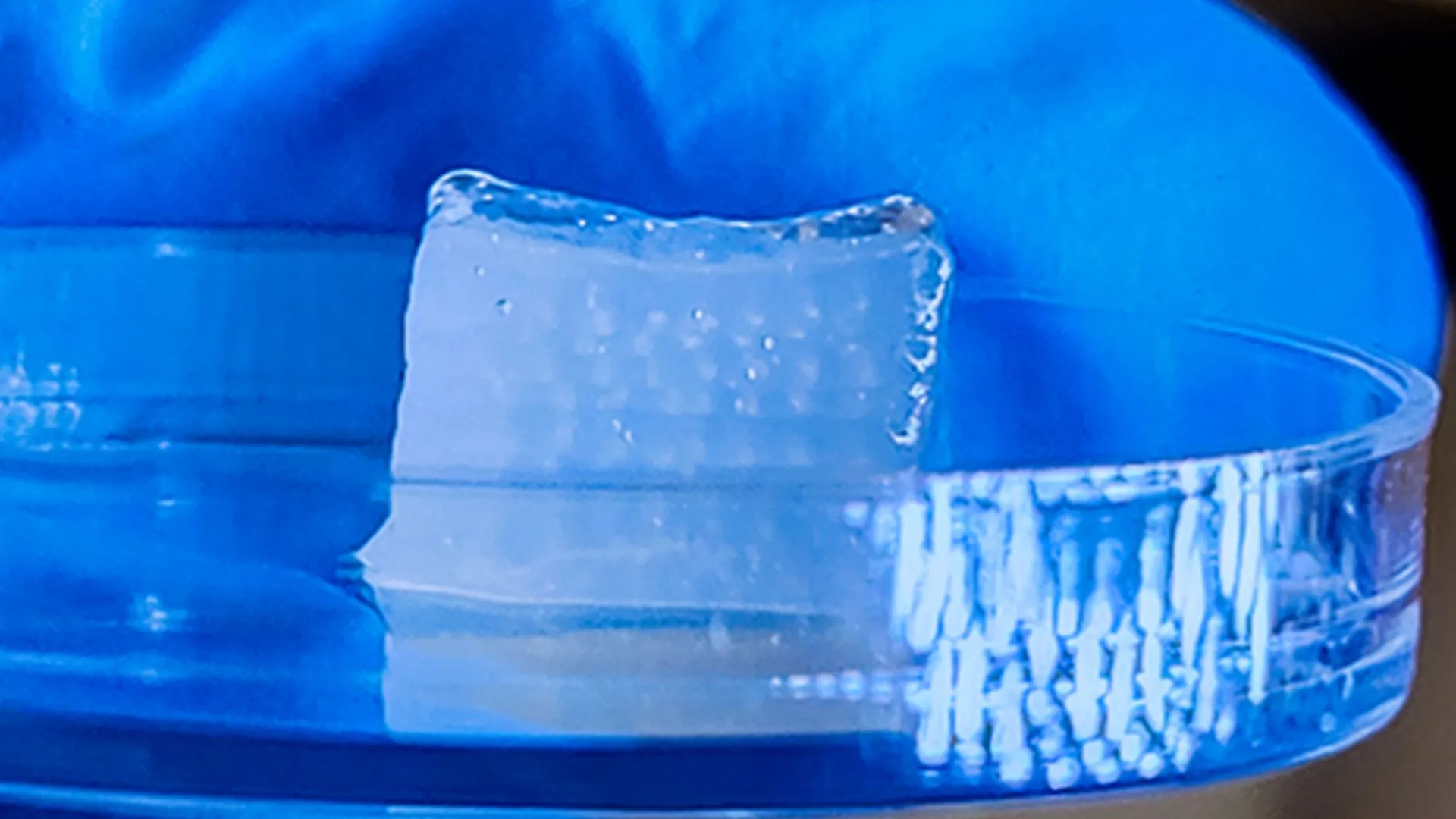
Scientists are using 3D-printed ice sculptures as temporary scaffolds to grow human cells into blood vessel-like structures, demonstrating the potential for creating realistic, lab-grown blood vessels from human cells. The ice printing technique, known as 3D-ICE, allows for the creation of smooth, free-flowing shapes at tiny scales, and could be used to engineer blood vessels that capture the complex geometries of real vascular networks in the body. This method may offer advantages over current artificial blood vessels and could also be helpful for crafting organ-on-a-chip devices. While it will be some time before this technique could be used for human patients, it shows promise for tissue engineering and biomedical applications.
Researchers from Duke University and Harvard Medical School have developed a new 3D printing technique called Deep-Penetrating Acoustic Volumetric Printing (DVAP), which uses soundwaves instead of light to create intricate structures within tissues. This method overcomes the limitations of traditional 3D printing techniques by enabling deep tissue printing and has potential applications in bone healing and targeted drug delivery.
Scientists have developed bioprinted skin that closely resembles natural human skin, with all three layers, using a combination of living cells and specialized hydrogels. In experiments with mice and pigs, the bioprinted skin promoted rapid growth of new blood vessels and improved wound healing with less scarring. While further research and clinical trials are needed, this breakthrough could potentially lead to the development of a treatment that allows people to fully heal from severe burns and other skin injuries.
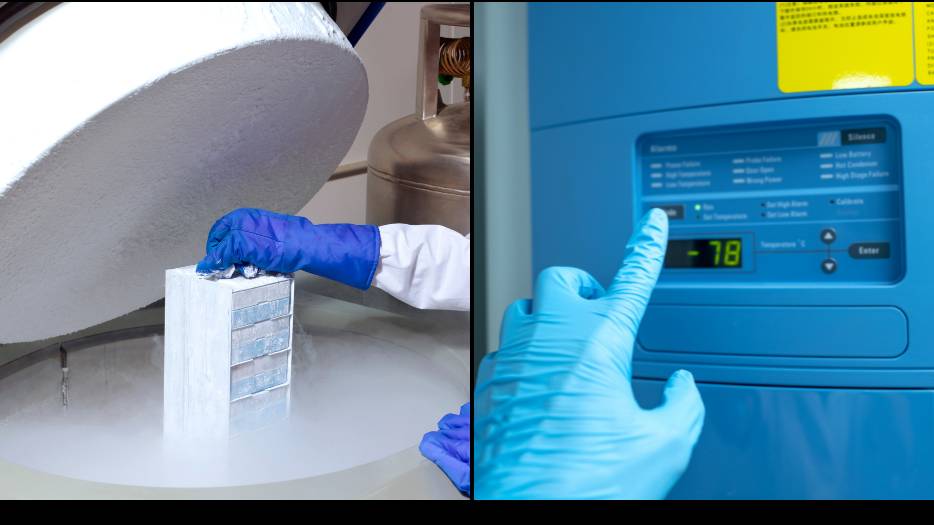
An expert claims that frozen humans could be brought back to life in 50 to 70 years, citing the successful resurrection of a 46,000-year-old worm found in Siberian permafrost. However, the process would require significant advancements in medicine and tissue engineering. Cryoprotectant agents currently used in cryonic technology have toxic effects on the brain and body, making them insufficient for human revival. The ability to revive cryopreserved individuals could have profound philosophical, ethical, and medical implications, potentially offering an alternative to death for patients with terminal diseases.
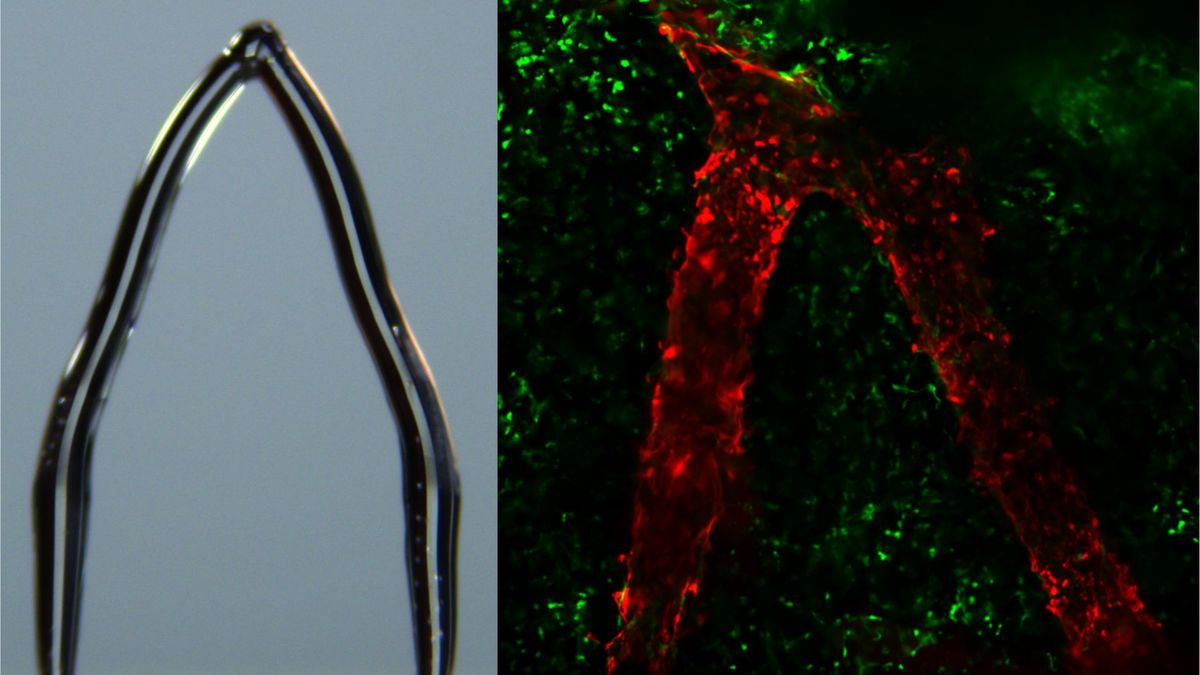
Scientists from the University of Melbourne have developed a fast, cost-effective, and scalable method for engineering blood vessels from natural tissue. By combining multiple materials and fabrication technologies, the researchers were able to create blood vessels with complex geometries resembling native ones. This innovative approach offers a promising solution for treating cardiovascular diseases, which are the leading cause of death globally. The engineered blood vessels have the potential to provide a transformative solution for patients who lack suitable donor vessels and could also be used to construct blood supply for larger tissue creations.
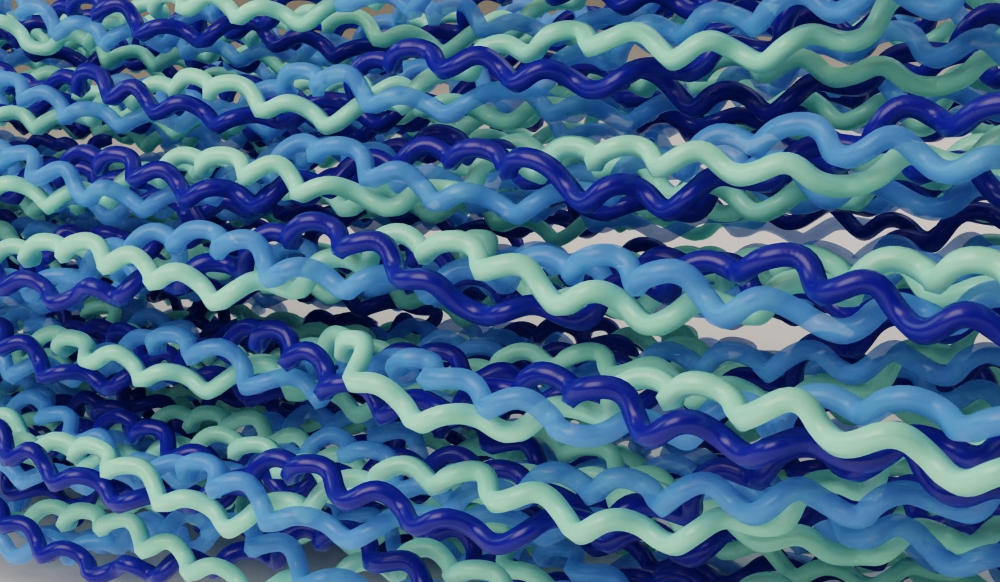
Researchers at the Heidelberg Institute for Theoretical Studies (HITS) have discovered that collagen, the most abundant protein in our bodies, contains sacrificial bonds that snap more quickly than the basic structure, protecting the tissue as a whole. These weak bonds rupture under mechanical stress, localizing damage and minimizing negative impacts on the wider tissue. The findings shed light on collagen's rupture mechanisms, which could aid in understanding tissue degradation, material aging, and advancing tissue engineering techniques. Collagen's sacrificial bonds play a vital role in maintaining the overall integrity of the material and can potentially be enhanced to mitigate damage and enhance resilience.