Facing a life-threatening illness, Bella Younger and her partner Ben chose a no-frills Mallorca wedding last summer to declare their love, a decision that accompanied a brutal medical battle and, after months of struggle, led to Ben entering remission and the family rebuilding their life together.
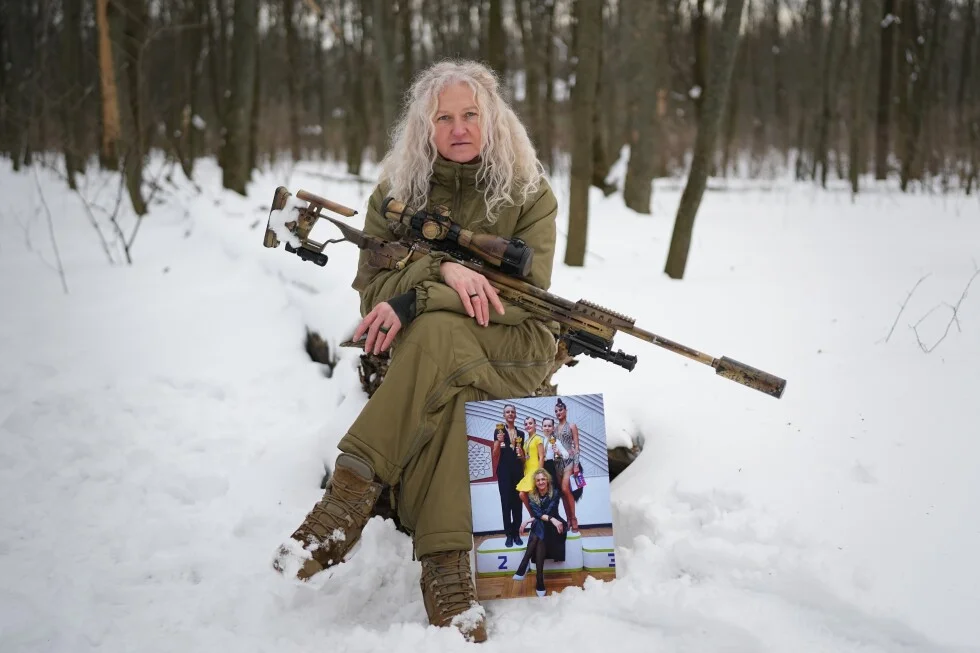
AP’s photo essay pairs intimate portraits with the stories of Ukrainians four years into Russia’s full-scale invasion, sharing how loss and displacement coexist with hope and daily resilience—from a dancer-turned-sniper and a mother mourning a husband to a prisoner of war partner, a drone-attack amputee and frontline rescuers—captured in prewar photos and now reflecting a transformed life.
Three survivors of a helicopter crash—Lisa, Martin and Caleb—show how the same disaster can unfold into very different psychological outcomes: Lisa appears resilient though later postpartum psychosis; Martin develops depression and alcohol misuse; Caleb suffers paranoid psychosis requiring hospitalization. Dr. Gwen Adshead links these trajectories to childhood attachment security and individual coping, notes evolving PTSD concepts, and explains how legal settlements intersect with mental health assessments and recovery timelines.
A study published in Acta Psychologica found that physically active people show greater stress resilience and lower anxiety; those with below-average cardiorespiratory fitness had up to 775% higher peak anxiety when shown disturbing images, while regular exercisers exhibited better emotional control and faster recovery. The 40-participant study needs replication but suggests exercise could help manage stress.
Eileen Gu discusses how she handles pressure and injuries as she approaches Milano Cortina 2026, explaining how she blends sport and fashion, uses a recent comeback to fuel her pursuit of Olympic success, and aims to inspire young girls while staying humble and focused.
Sam Darnold has weathered a string of setbacks since 2018, but his unflappable resilience—shaped by family, steady leadership from coaches, and a habit of learning from every setback—has carried him from the Jets to the Seahawks, culminating in standout playoff performances and a shot at Super Bowl LX.
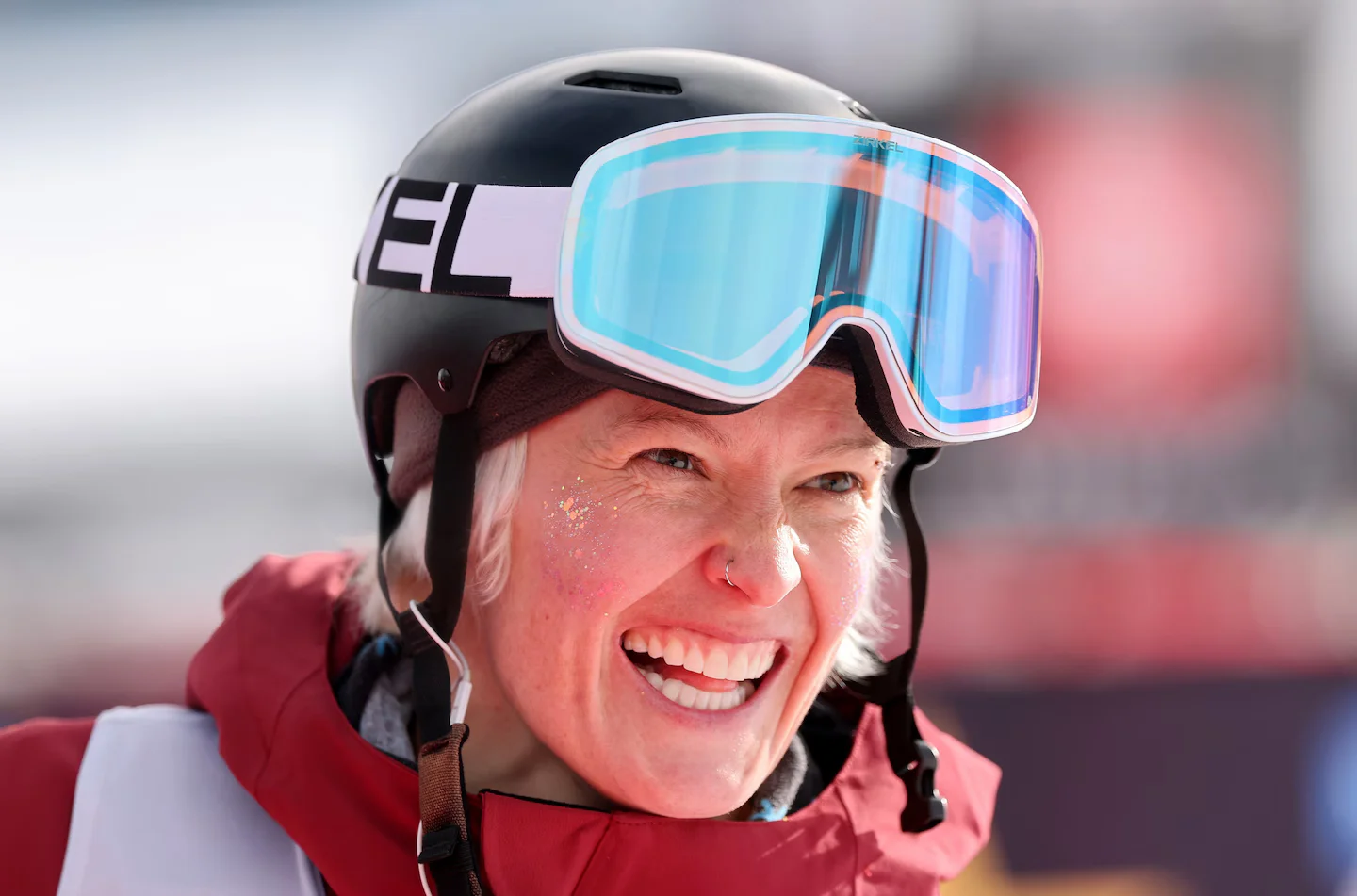
Maddy Schaffrick, once a child prodigy, left the spotlight to work as a plumber’s apprentice before returning to the Winter Games at 31, saying she’s competing for her younger self and exemplifying the winding, unlikely path athletes sometimes take to reach the Olympics.
A profile of Sam Darnold's journey from a blue‑collar Southern California upbringing to Seattle's starting QB in Super Bowl 60, tracing his USC roots, a rocky NFL path across several teams, and a persistent comeback that culminates in a showdown against the Patriots.
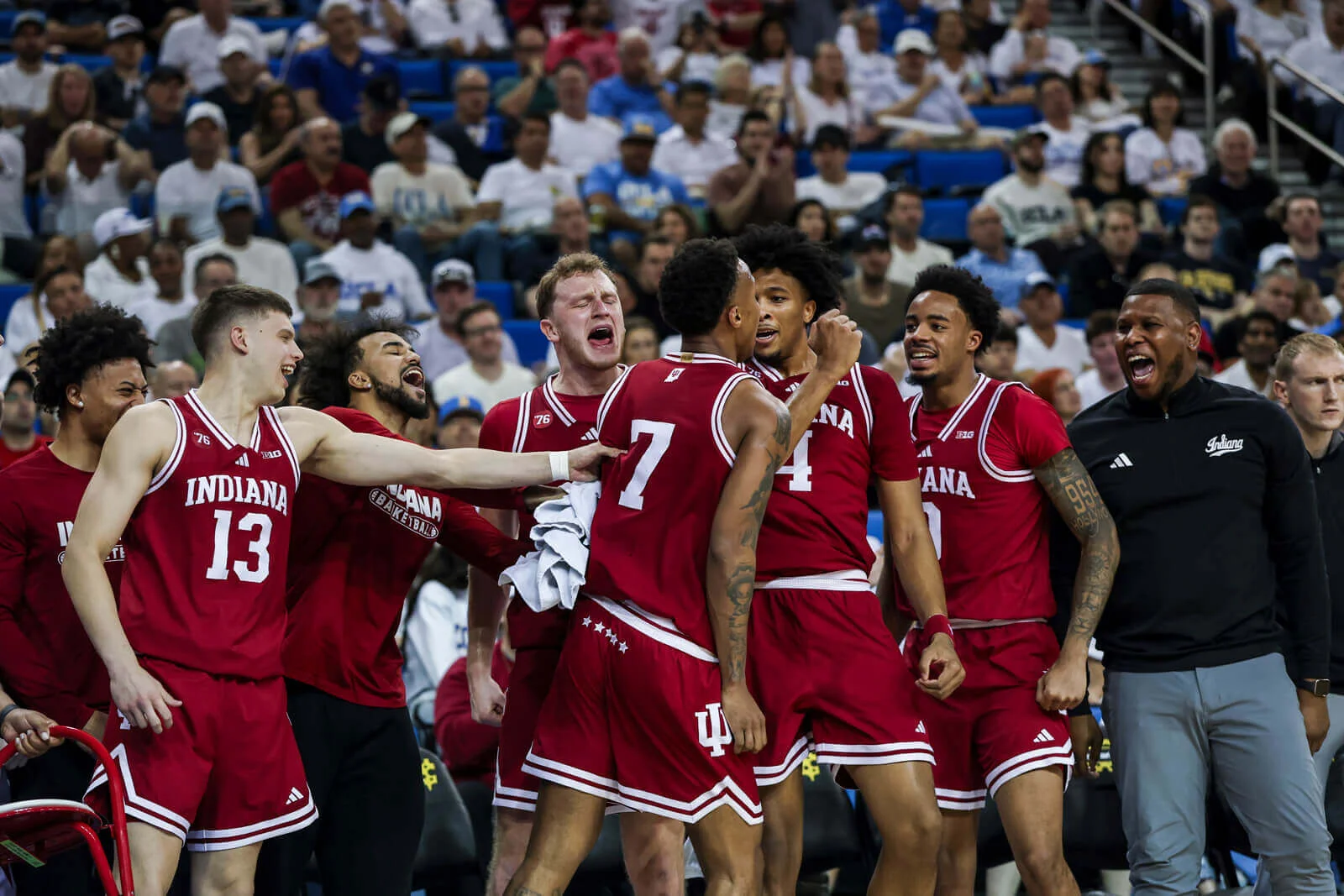
Indiana survived UCLA’s late rally and prevailed 98-97 in double overtime, capped by Trent Sisley’s 0.3-second free throw. The win showcased the Hoosiers’ grit, depth, and poise on the road, as several players stepped up amid foul trouble and bench uncertainty.
The HOPE framework translates ACE findings into practice by building four pillars—supportive relationships, safe environments, emotional growth, and social belonging—to buffer childhood trauma; research shows those with strong positive experiences have up to 72% lower risk of poor mental health, and San Diego and other partners are scaling these principles through healthcare, education and policy.
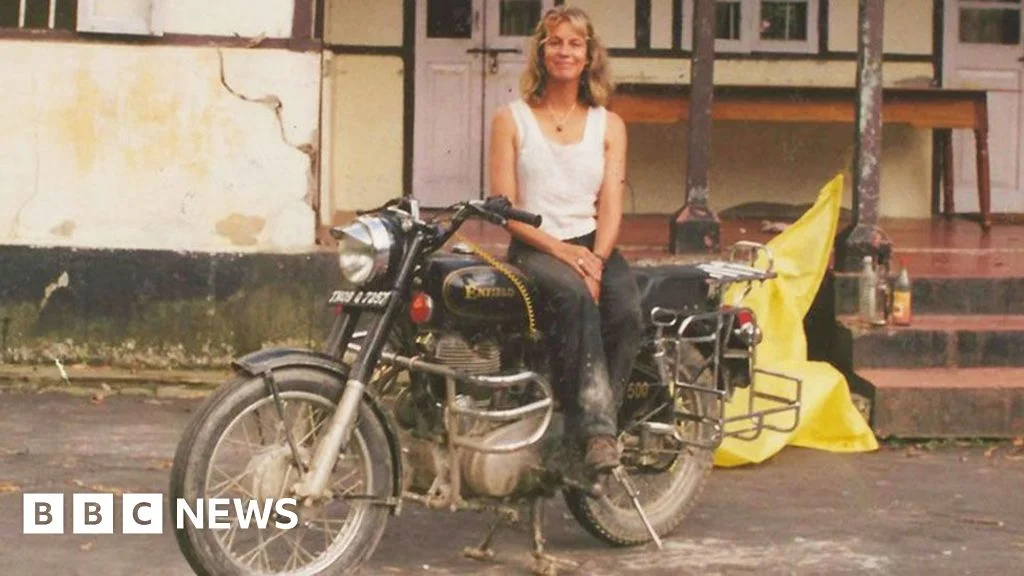
Three people recount how abrupt events—a world-spanning motorbike journey sparked by an affair, relentless stalking that triggered agoraphobia, and a gunshot that left one man blind—led them to rebuild confidence and identity, finding happiness, self-forgiveness, and new purpose through travel, coping, and new skills like piano tuning.
At Sundance 2026, Alex Gibney’s Knife: The Attempted Murder of Salman Rushdie charts Rushdie’s brutal 2022 stabbing, his ongoing recovery captured by his wife’s footage, and the film’s broader meditation on culture, violence, and free expression amid rising authoritarianism, linking past fatwas to today’s threats while celebrating the courage of those who saved him.
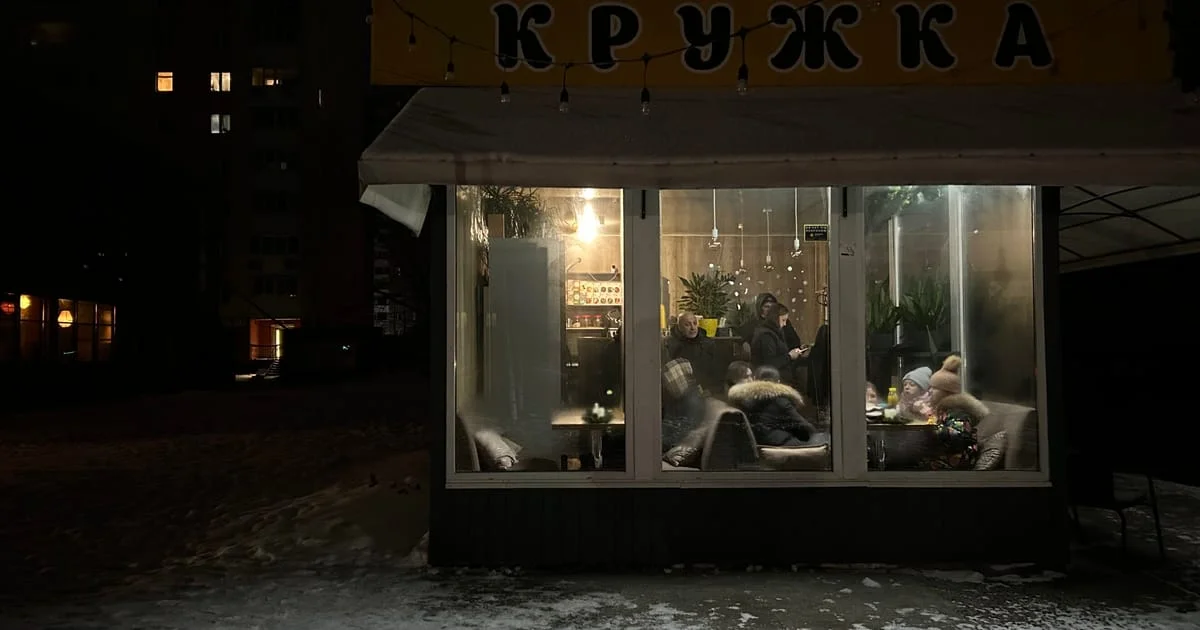
POLITICO’s Veronika Melkozerova details how Russia’s attacks on Kyiv’s energy grid have left the city cold and dark, with minus-20C nights and heat outages affecting thousands of buildings. Residents improvise—carrying water up many floors, storing food on balconies, and relying on generators and malls for warmth—while a determined national spirit keeps the city running despite stalled Western security guarantees and ongoing strikes. Zelenskyy laments slow missile deliveries as Ukrainians persist in their daily duties amid the siege.
Kyiv and other Ukrainian cities face up to 20 hours of daily power outages as Russia targets energy infrastructure, but residents and local Condominium Owners Associations (OSBBs) are hardening homes with energy-efficient heating units, rooftop solar stations, and local batteries to keep heat and essential services running. Kyiv supports OSBBs with a 70/30 funding split, enabling upgrades like insulated pipes, new pumps, LED lighting, and balanced batteries that power elevators, internet, and lighting during outages. In parallel, households rely on large battery systems, portable power banks, gas heaters, and fuel-switching to cope, while the broader grid retains functionality thanks to durable CHP plants and high air-defense success against drones and missiles. The result is warmer homes (often above 20°C) and continued operation of transport, services, and commerce despite severe winter attacks and climate conditions.
A year after the LA fires, survivors face ongoing challenges including displacement, underinsurance, and emotional trauma, but many are showing resilience through rebuilding efforts and community support.