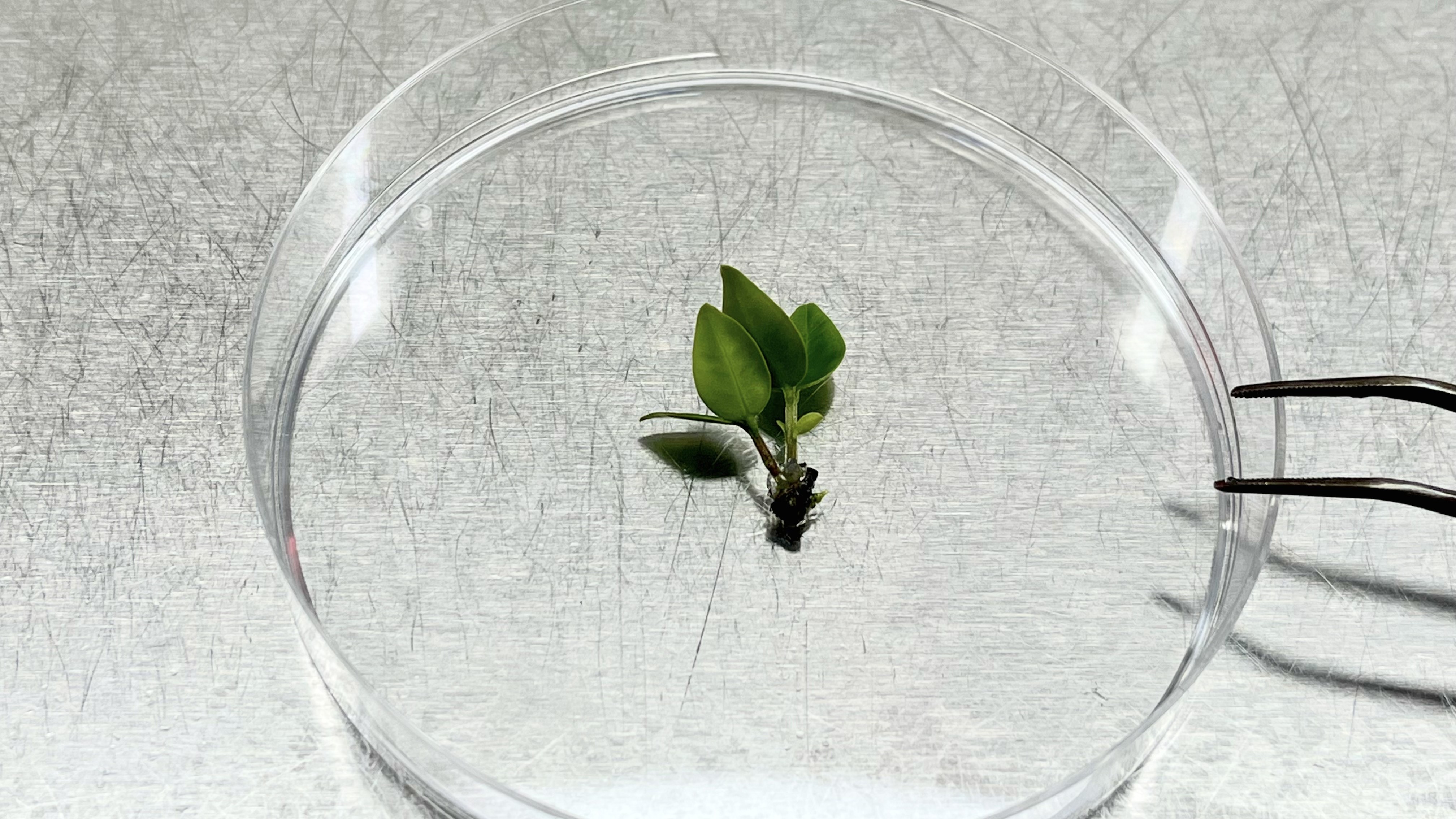
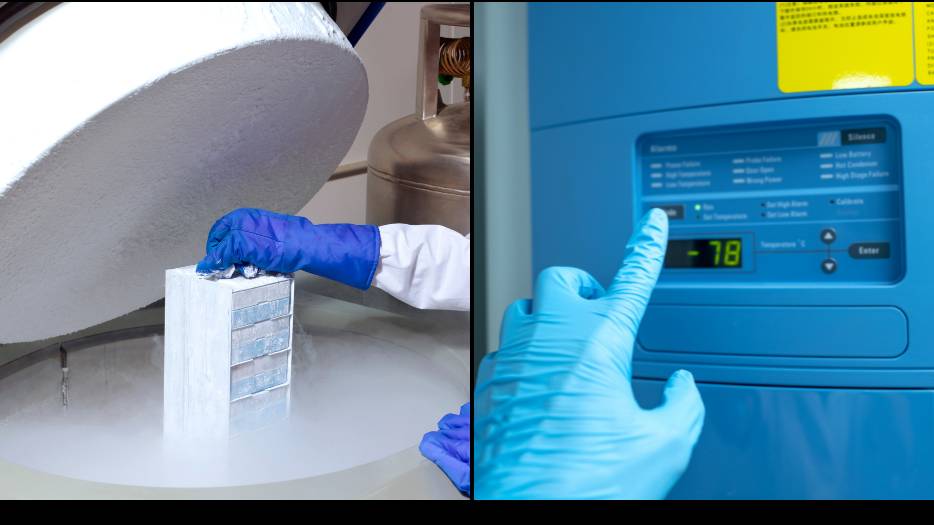
Scientists in Australia are working to cryopreserve the shoot tips of the critically endangered angle-stemmed myrtle to preserve its DNA and potentially revive the species in the future, amid threats like habitat loss, climate change, and myrtle rust disease.
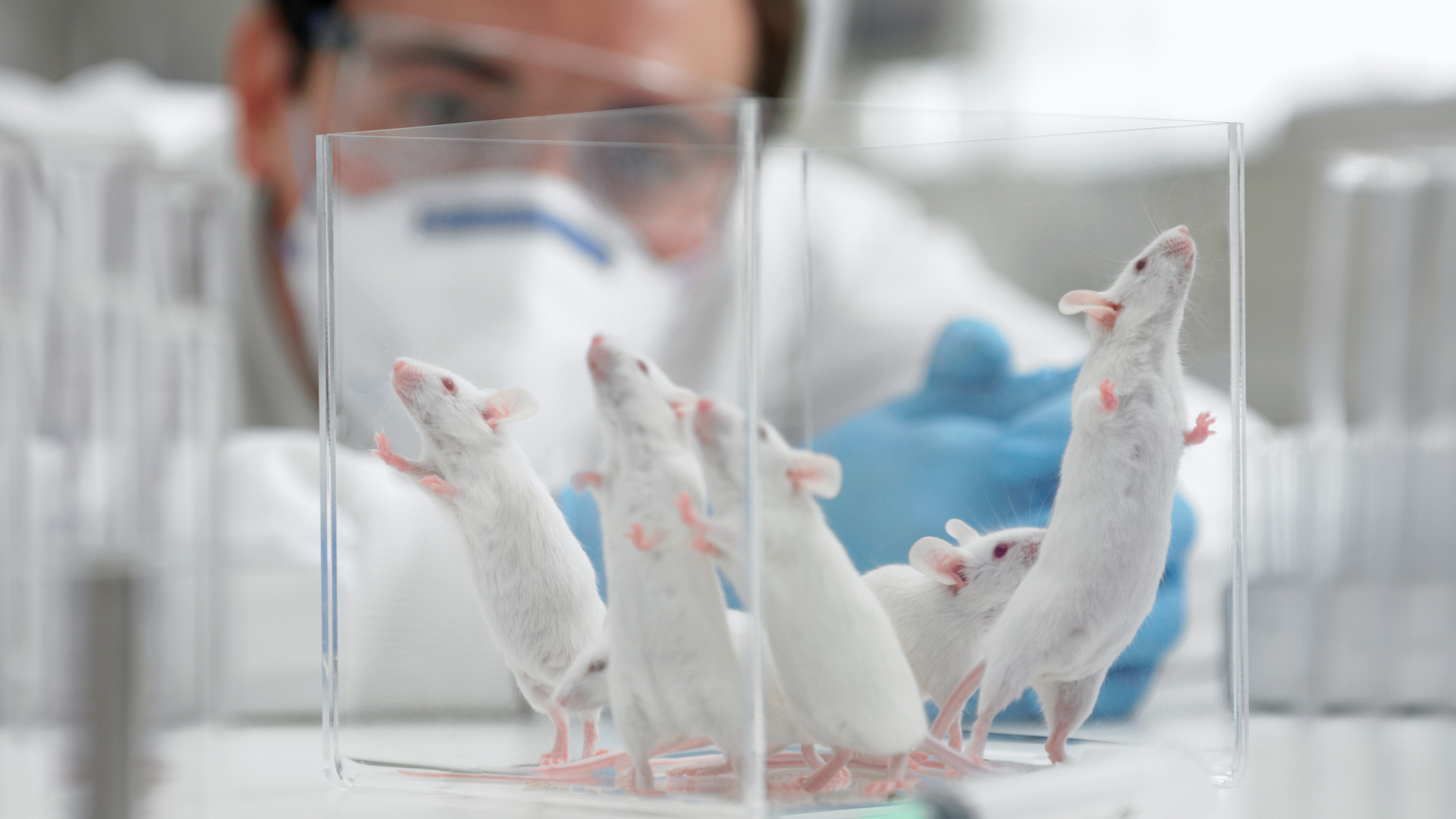
A study involving mice cells sent to the International Space Station for six months suggests that spaceflight does not impair the viability of germ cells, opening possibilities for future reproductive technologies in space, although human reproduction in space remains largely untested and requires further research.
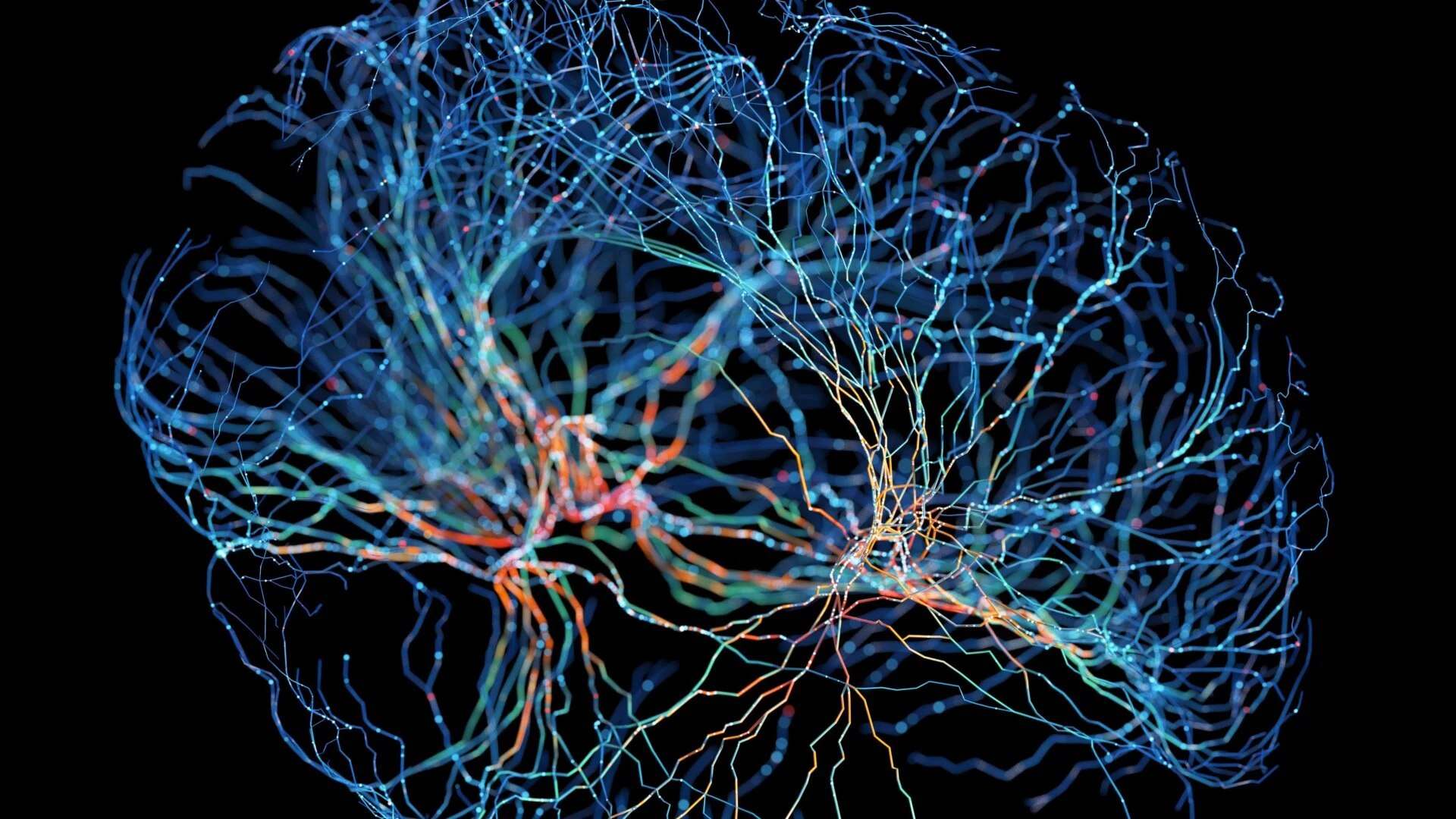
A survey of 312 neuroscientists suggests that most believe memories have a physical basis, stored in neural connections, and there is about a 40% chance that future technology could extract memories from preserved brains and emulate human consciousness, though significant scientific challenges remain.
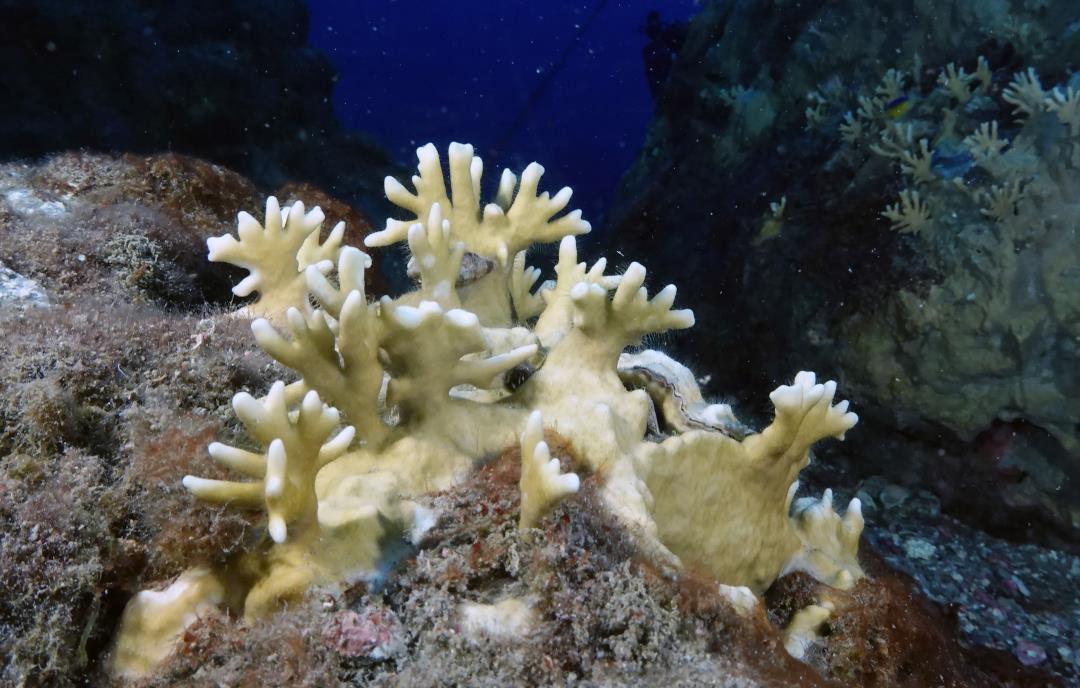
Researchers are making strides in cryopreserving coral, with successful freezing of larvae and recent survival of frozen adult corals, offering hope for preserving and restoring reefs in the face of climate change and other threats. While challenges remain, such as limited collection windows and post-thaw bacterial infections, scientists are exploring solutions like antibiotics and even storing frozen samples on the moon. With coral reefs declining, cryopreservation offers a potential lifeline for future restoration efforts.
An expert claims that frozen humans could be brought back to life in 50 to 70 years, citing the successful resurrection of a 46,000-year-old worm found in Siberian permafrost. However, the process would require significant advancements in medicine and tissue engineering. Cryoprotectant agents currently used in cryonic technology have toxic effects on the brain and body, making them insufficient for human revival. The ability to revive cryopreserved individuals could have profound philosophical, ethical, and medical implications, potentially offering an alternative to death for patients with terminal diseases.
Researchers at the University of Minnesota have successfully cryopreserved a pig's heart, lung, and liver, and then revived them. This breakthrough could lead to a new era of organ transplantation, as it would allow organs to be stored for longer periods of time, making it easier to match donors with recipients. The team is now working on scaling up the process for human organs.
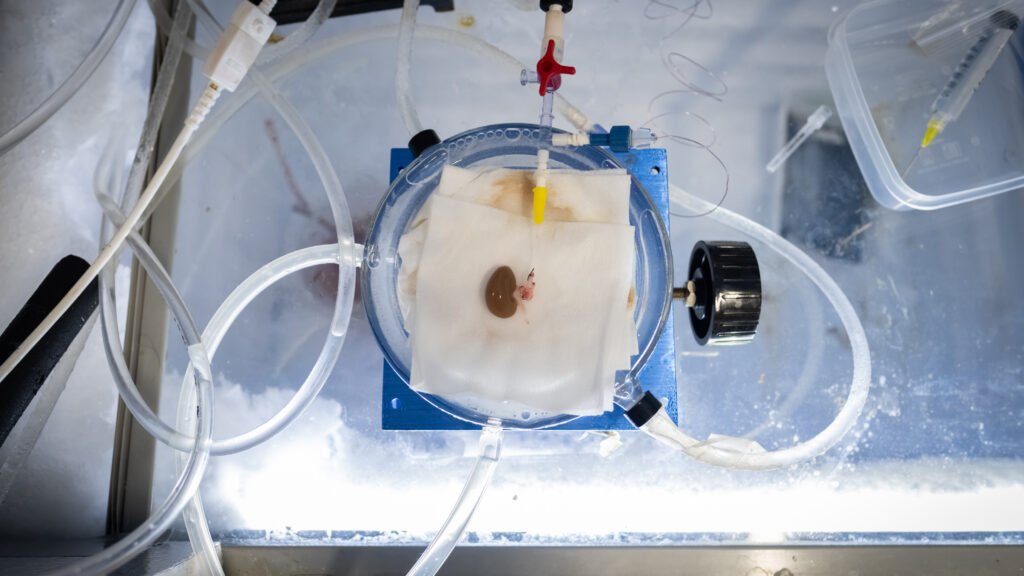
Researchers at the University of Minnesota have successfully transplanted vitrified and rewarmed rat kidneys, a breakthrough that could revolutionize transplant medicine. If the technique is successfully translated to humans, it could save tens of thousands of lives each year in the US alone. However, scaling up from rats to humans will require further scientific breakthroughs, and clinical trials are known to be challenging. Additionally, creating a nationwide network of cryopreserved organ banks will take time and raise ethical questions about who receives which kind of transplant.