Tag

Artificial Cells

All articles tagged with #artificial cells

Breakthrough in Artificial Cells: Self-Sustained Protein Transport Achieved

Originally Published 1 year ago — by Phys.org

Featured image for Breakthrough in Artificial Cells: Self-Sustained Protein Transport Achieved
Source: Phys.org

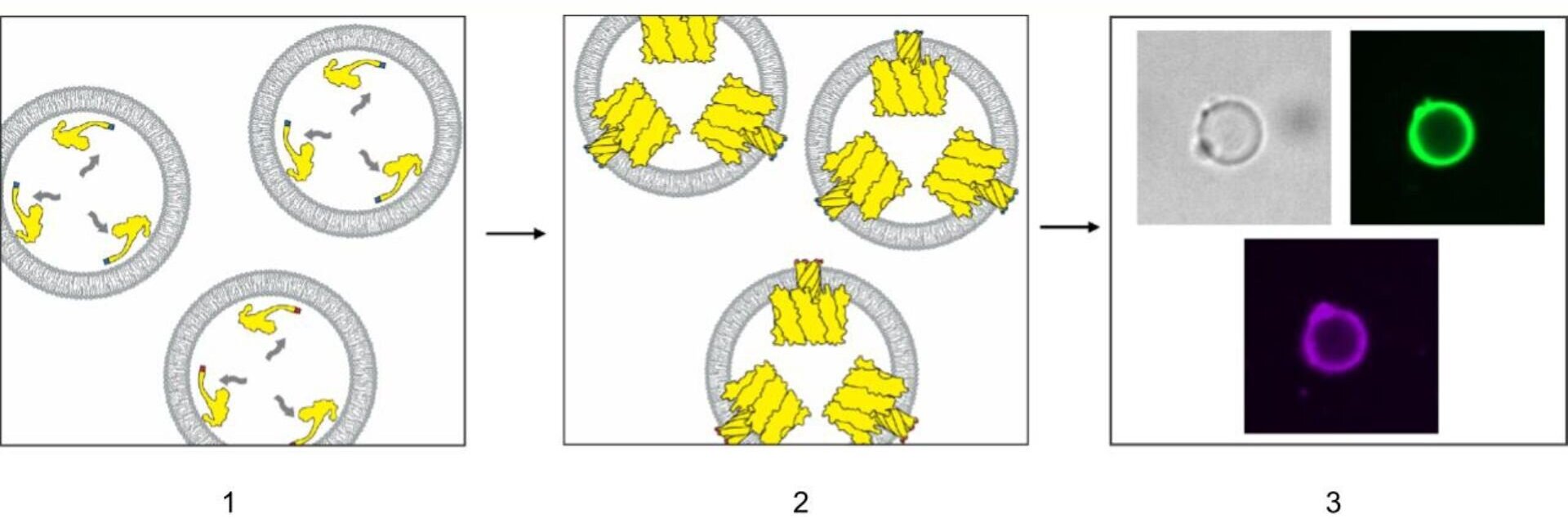
Scientists have developed a method for artificial cells to autonomously modify their membranes, enabling protein transport and tissue assembly without complex external modifications. This breakthrough, using α-hemolysin, could advance tissue engineering and drug delivery by allowing artificial cells to interact with their environment and form tissue-like structures. The study highlights the potential for creating more complex artificial tissues and improving drug delivery systems.
"Unlocking the Power of Genetic Circuits on Single DNA Molecules"

Originally Published 1 year ago — by Phys.org

Featured image for "Unlocking the Power of Genetic Circuits on Single DNA Molecules"
Source: Phys.org

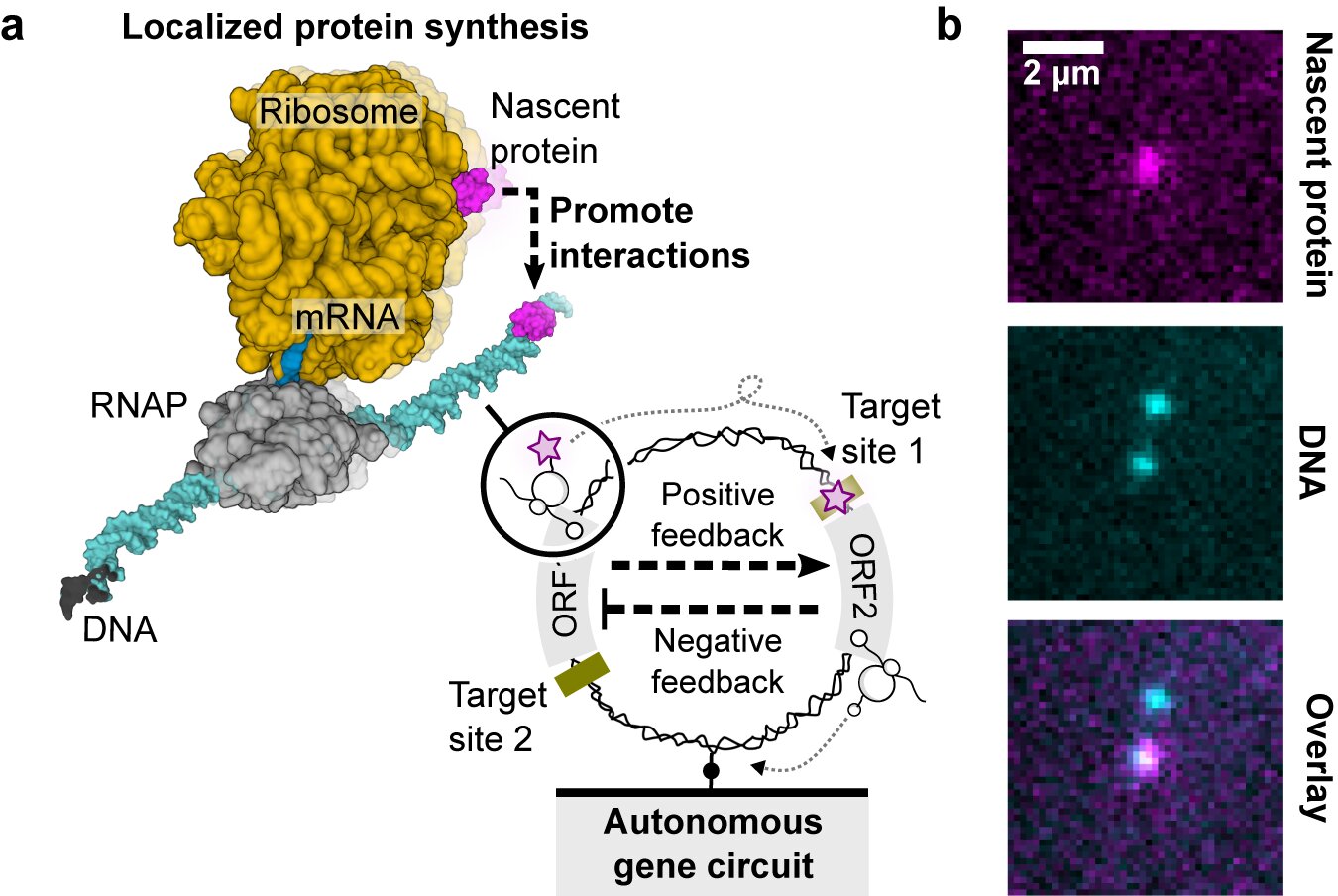
Researchers have explored the construction of genetic circuits on single DNA molecules, demonstrating localized protein synthesis as a guiding principle for dissipative nanodevices, offering insights into artificial cell design and nanobiotechnology applications. The study focuses on reconstituting biological processes outside living cells, aiming to improve understanding of nature's guiding principles and construct future artificial cells. By leveraging localized protein synthesis, the researchers envision enhancing the functionality of artificial cells constructed from single DNA molecules and exploring potential applications in self-encoded nanodevices.

Unveiling the Power of Evolution in Artificial Cells

Originally Published 2 years ago — by Phys.org

Featured image for Unveiling the Power of Evolution in Artificial Cells
Source: Phys.org

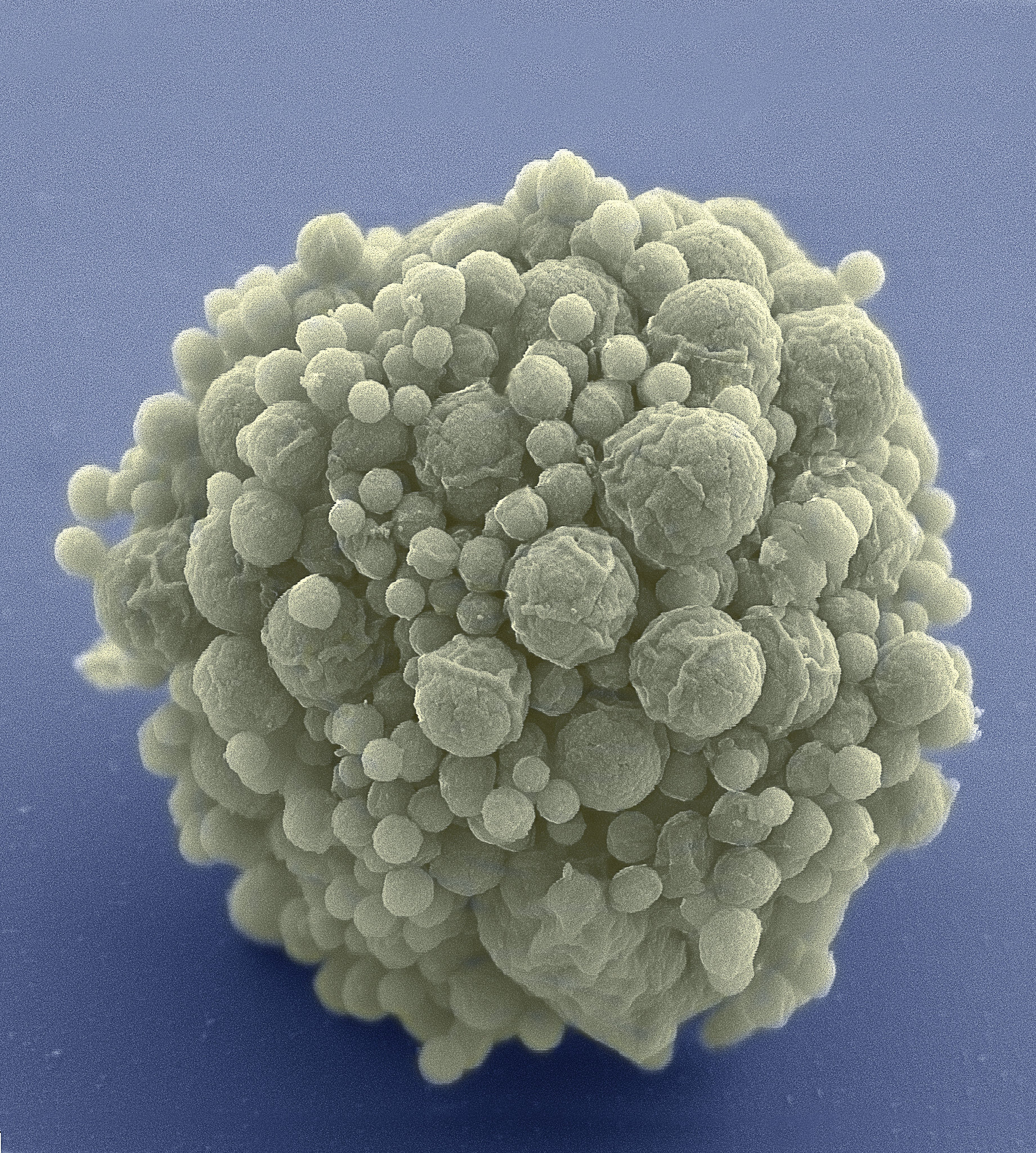
Researchers studying a synthetically constructed minimal cell, stripped of all but its essential genes, have found that the streamlined cell can evolve just as fast as a normal cell, demonstrating the capacity for organisms to adapt even with an unnatural genome that would seemingly provide little flexibility. The study used a synthetic organism with the smallest known set of genes required for autonomous cellular life, and after allowing it to evolve freely for 300 days, the researchers found that the evolved minimal cells performed better and recovered lost fitness, highlighting the power of natural selection and the robustness of life. The findings have implications for understanding the evolution of cellular complexity and have potential applications in various fields, including clinical treatment and the origin of life.

"Revolutionizing Energy: Artificial Cells as Future Powerhouses"

Originally Published 2 years ago — by SciTechDaily

Featured image for "Revolutionizing Energy: Artificial Cells as Future Powerhouses"
Source: SciTechDaily

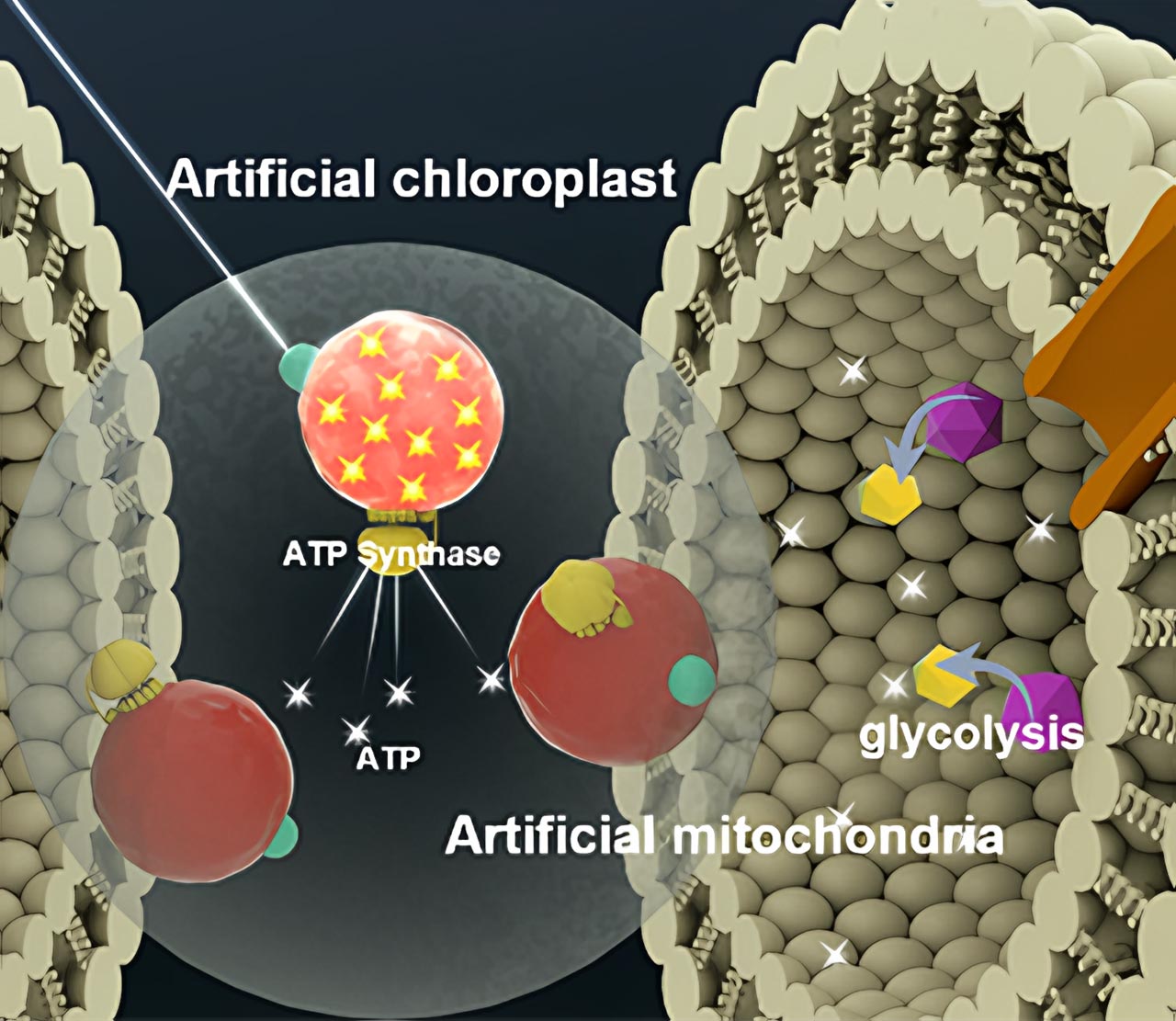
Researchers have assessed the progress and challenges in creating artificial mitochondria and chloroplasts for energy production in synthetic cells. These artificial organelles could potentially enable the development of new organisms or biomaterials. The researchers identified proteins as the most crucial components for molecular rotary machinery, proton transport, and ATP production, which serves as the cell’s primary energy currency. Future studies must investigate how to improve upon the limiting feature of self-adaptation in changing environments to maintain a stable supply of ATP before synthetic cells are self-sustainable.