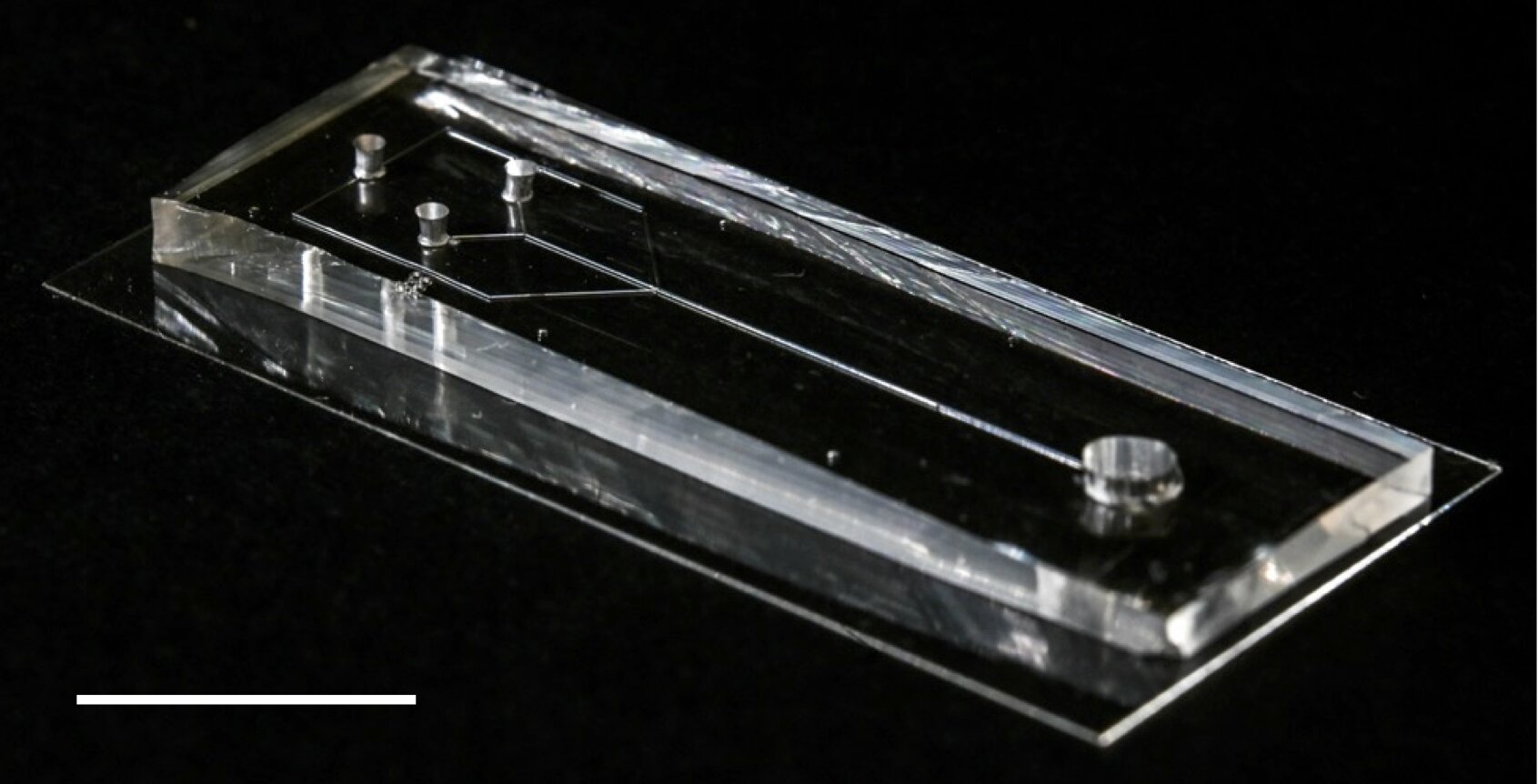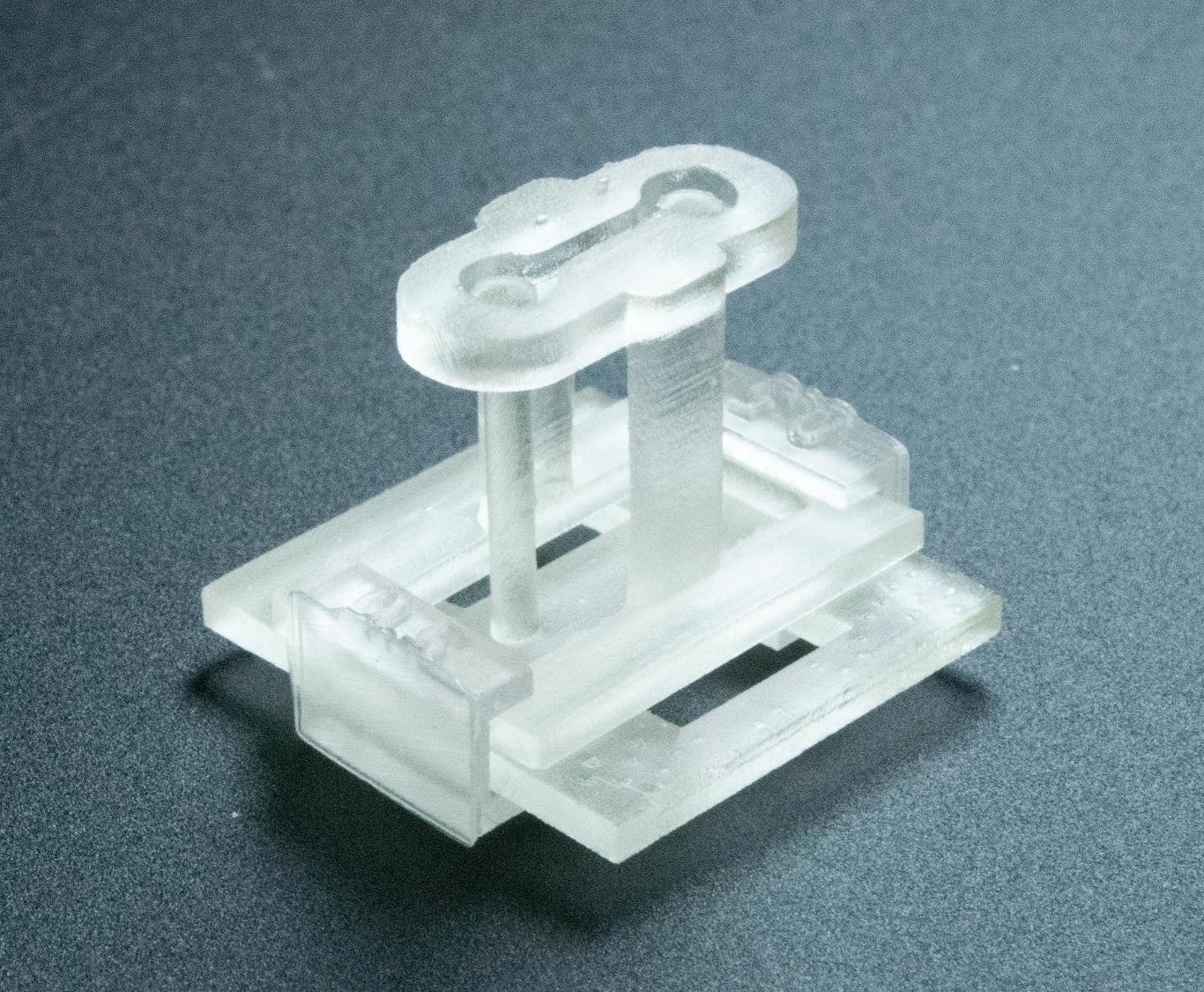
A tiny 3D-printed device called STOMP significantly enhances the precision and complexity of tissue engineering, enabling better modeling of human tissues and diseases by allowing precise cell patterning and interfaces, with potential applications in studying complex biological interactions.
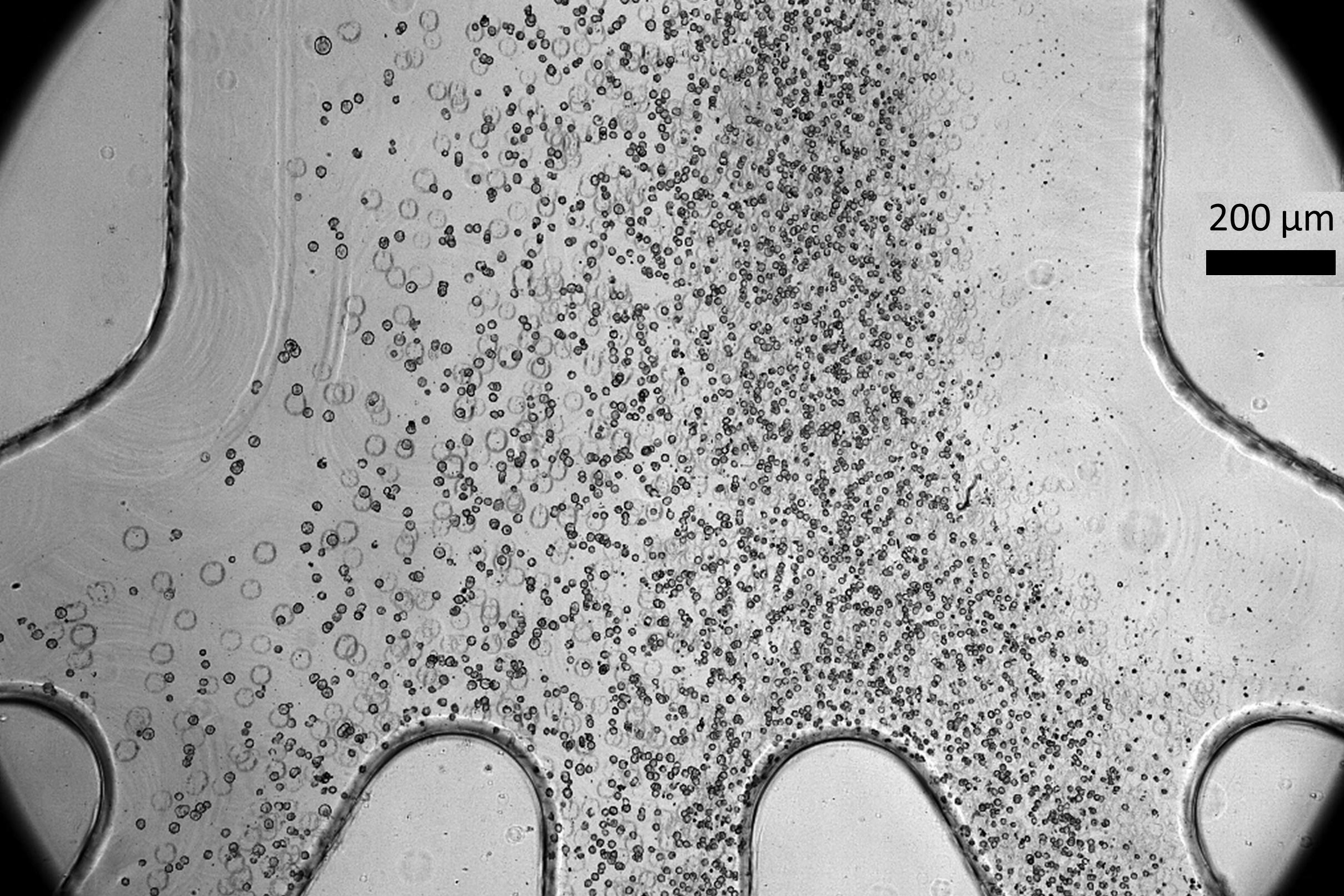
Scientists at MIT and the Singapore-MIT Alliance for Research and Technology have developed a low-cost microfluidic cell sorter that can remove potentially tumor-forming undifferentiated cells from induced pluripotent stem cell batches, without causing damage to fully-formed progenitor cells. This device, which can sort more than 3 million cells per minute and be mass-produced at low cost, aims to improve the safety and effectiveness of cell therapy treatments for spinal cord injuries.
Researchers at the RIKEN Center for Sustainable Resource Science in Japan have developed a microfluidic device that mimics the natural process of spider silk production, successfully spinning artificial silk with a molecular structure closely resembling that of natural spider silk. This eco-friendly innovation has the potential to impact various industries and could lead to more sustainable production methods. The device recreates the complex molecular architecture of spider silk by exposing precursor spidroin solution to precise changes in the chemical and physical environment, resulting in the self-assembly of silk fibers with the characteristic alignment of beta sheets.