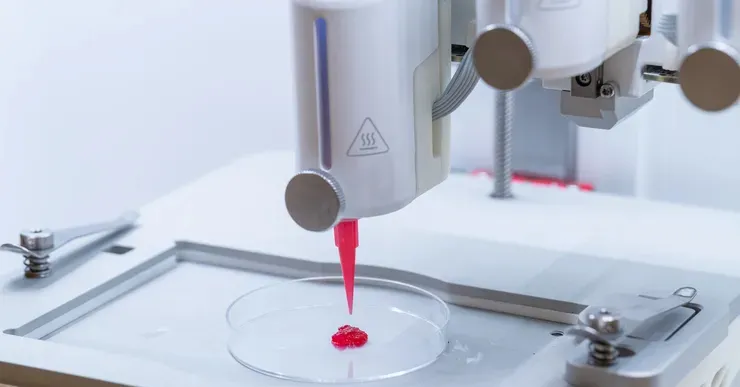
Swedish researchers have developed innovative 3D bioprinting techniques to create artificial skin with blood vessels, potentially revolutionizing treatment for severe burns and trauma by enabling more functional skin regeneration.
Scientists have developed a novel 3D bioprinting technique using a special bioink to create functional human islets, which could lead to less invasive and more effective treatments for type 1 diabetes by enabling implantations beneath the skin, potentially replacing traditional liver transplants and improving patient outcomes.
Researchers at Penn State have developed a new 3D bioprinting technique called High-throughput Integrated Tissue Fabrication System for Bioprinting (HITS-Bio), which can rapidly produce complex biological tissues using cell clusters known as spheroids. This method is ten times faster than existing techniques and maintains high cell viability, enabling the creation of functional tissues and potentially accelerating organ replacement and disease modeling. The technique has shown promising results in rat models, significantly speeding up bone repair.
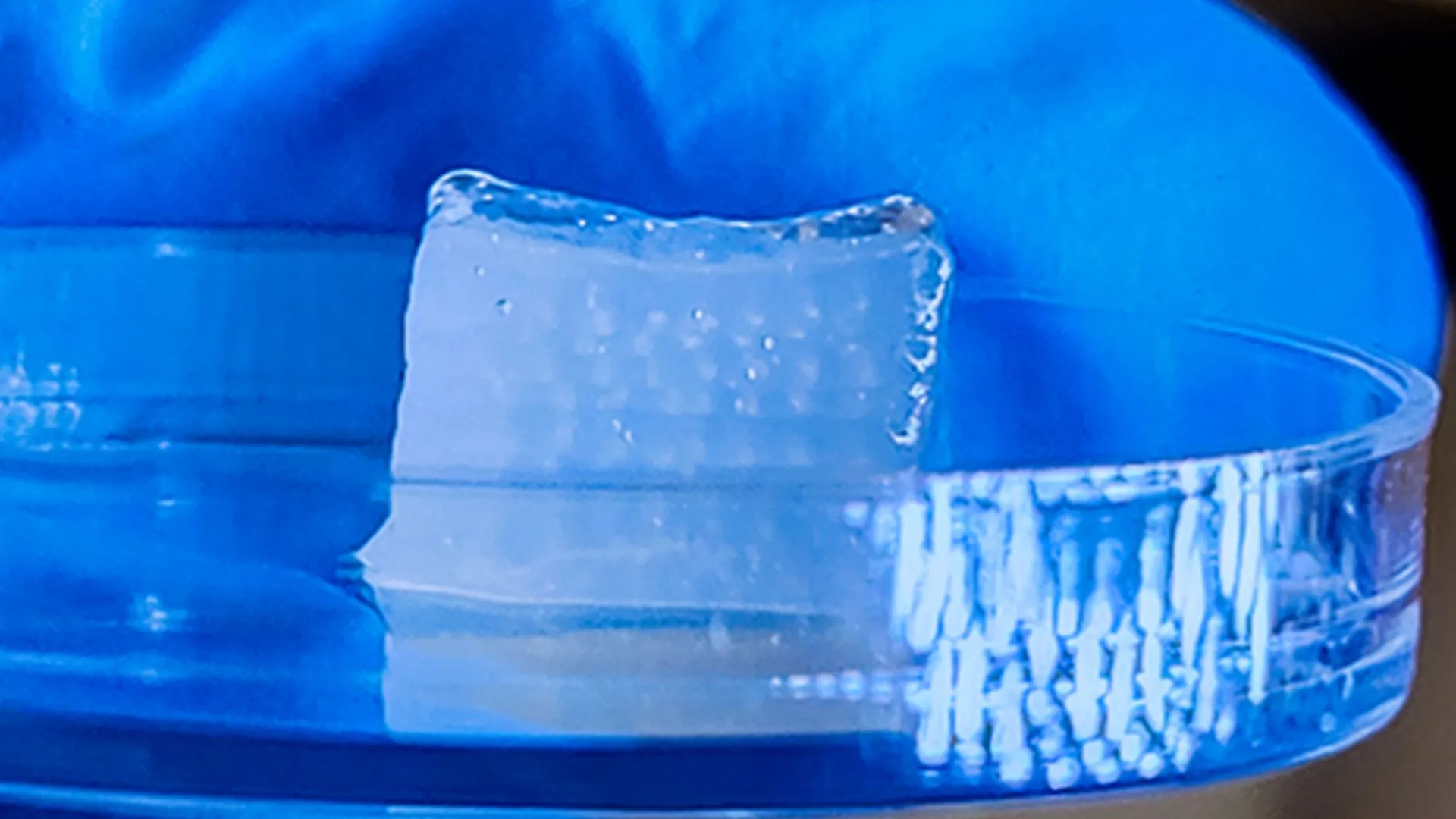
Researchers at the University of Wisconsin-Madison have developed a new 3D-printing approach for creating brain tissue cultures that mimic the functions of human brain tissue. By printing horizontally and using a bio-ink gel made with fibrinogen and thrombin, the team successfully created resilient yet malleable tissue that allowed neurons to grow and communicate with each other. The new structures formed connections across layers, produced neurotransmitters, and created support cell networks. This innovative technique could potentially be used to study various brain disorders and test new drugs, offering a deeper understanding of how healthy and affected parts of the brain interact.