Tag

Taste Buds

All articles tagged with #taste buds

science1 year ago

"Debunking the Myth: The Truth About Tongue Taste Buds"

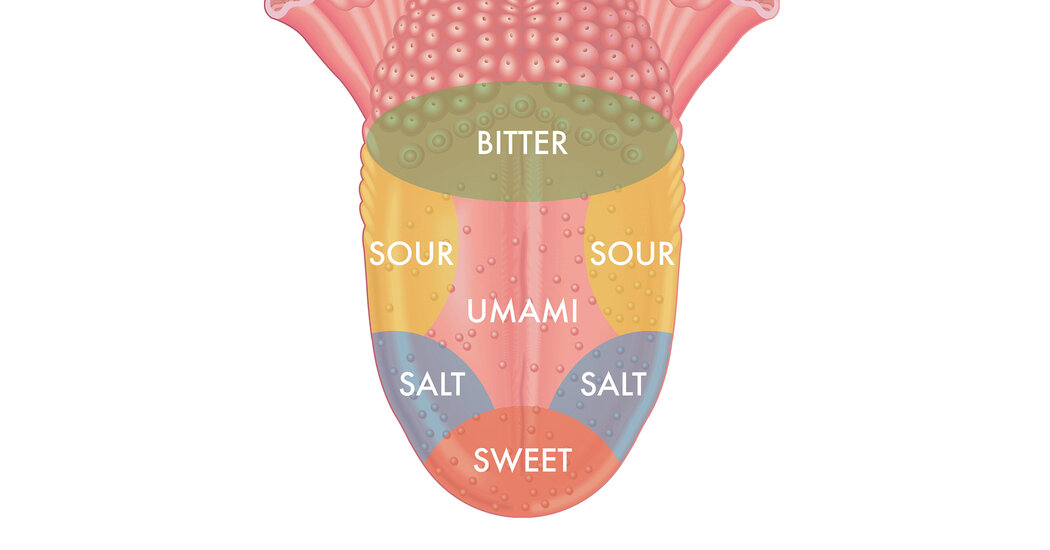
The long-held belief that specific tastes are confined to certain areas of the tongue is a myth, debunked by decades of research. The original 1901 study by David Hanig, often misinterpreted, actually measured sensitivity rather than segregation of tastes. Taste receptors are not limited to the tongue but are also found in various organs throughout the body, playing a complex role in signaling the brain about nutrients and toxins.

health-and-science2 years ago

"Taste Buds Uniquely Shape Our Food Preferences: The Influence of 'Tongue Prints'"

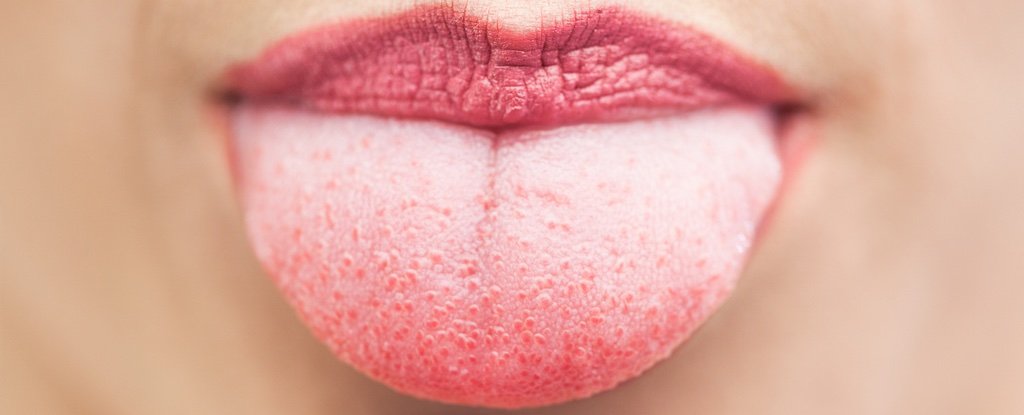
A study analyzing 3D images of human tongues suggests that each person may have a unique "tongue print" similar to fingerprints. The research could provide insights into why people have varied food preferences and help design healthier alternatives to fatty or sugary foods. The study found that a single papilla could predict someone's gender and age with moderate accuracy, and even identify specific individuals with about 48% accuracy. Understanding the distribution of papillae and their correlation with medical conditions could offer new insights, while personalized foods could be designed based on individual tongue features.

health-and-wellness2 years ago

"Mastering the Art of Enjoying Hated Foods: 7 Tips for Acquiring a Taste"

The ability to enjoy new flavors and expand one's palate is influenced by a combination of genetics and environmental factors. While taste buds play a role in detecting flavors, the overall experience of food is influenced by factors such as smell, texture, appearance, and sound. Children have a natural preference for sweet and salty tastes but can develop a liking for bitter foods as they grow older. Strategies for acquiring a taste for new foods include repeated exposure, masking bitterness with other ingredients, eating in positive contexts, and starting young. Understanding how food preferences form and evolve is important for maintaining a balanced and varied diet.

science-and-health2 years ago

The Surprising Sixth Taste: Toxic Ingredient Uncovered in Popular Candy

Researchers have discovered a sixth taste that responds to ammonium chloride, a chemical commonly found in Scandinavian candy. The taste, which is in addition to sweet, salty, bitter, sour, and umami, is detected by the OTOP1 protein in taste buds. The study found that mice lacking the OTOP1 protein did not mind the taste of ammonium chloride, while those with the protein were repulsed. Humans were also found to be sensitive to the taste. The presence of this taste is believed to be a biological trait for survival, as ammonium chloride can be toxic. Further research is needed to understand sensitivity differences between species.

science-and-health2 years ago

Unraveling the Enigma of Salt's Taste

The taste of salt is more complex than previously thought, with two separate salt-taste systems in our taste buds. One system detects low levels of salt that make food delicious, while the other registers high levels of salt that are offensive and deter overconsumption. Scientists have made progress in understanding the low-salt receptor, but the high-salt receptor remains a mystery. The balance between these two systems helps our bodies regulate salt levels, which is crucial for proper bodily function. Understanding salt perception is important for developing healthier salt alternatives or enhancers.

science2 years ago

The Science Behind Cats' Obsession with Tuna - Revealed!

Scientists have discovered that cats have the necessary taste bud receptors to detect umami, the savory flavor found in meats. In taste tests, cats showed a preference for compounds present in high levels in tuna, indicating their particular hankering for the fish. This research could help manufacturers develop more appealing cat food and medications. The evolution of cats' taste for fish, including tuna, remains a mystery, but it may have provided them with an advantage over their counterparts who relied solely on rodents and birds.

health2 years ago

The Science of Training Your Taste Buds for Health

The ability to sense sweetness and other tastes is a result of the interplay between genes and diet. Taste receptors, found on sensory cells in taste buds, allow us to detect the five basic taste qualities: sweetness, savoriness, bitterness, saltiness, and sourness. While genetics lays the groundwork for taste sensations and preferences, experiences with food can profoundly reshape them. Diet, especially sugar and salt intake, can shape how we perceive and potentially choose food. The adaptable nature of taste means we can train our taste buds and brains to prefer foods with lower quantities of sugar and salt, which could help promote health and decrease the burden of chronic disease.

food2 years ago

The Surprising Science Behind the Brussels Sprouts Craze

A TikTok video by user @rantsandrocks has gone viral, explaining the scientific reason why Brussels sprouts have become a popular vegetable in recent years. In the 1990s, a Dutch scientist identified the chemicals sinigrin and progoitrin that made Brussels sprouts bitter, and seed companies were able to breed them out. Combined with the rise of culinary celebrities and the Food Network, Brussels sprouts became more than just boiled little balls of bitterness and could be roasted, glazed, and cooked with bacon. TikTokers were shocked by this revelation and may be giving these veggies a second chance.