Sabrina Carpenter addressed controversy over her album cover on SNL, clarifying it was misinterpreted and joking about her public persona, emphasizing she's more than just a 'horny' pop star. She also performed and interacted with the audience in her monologue, showcasing her playful personality.
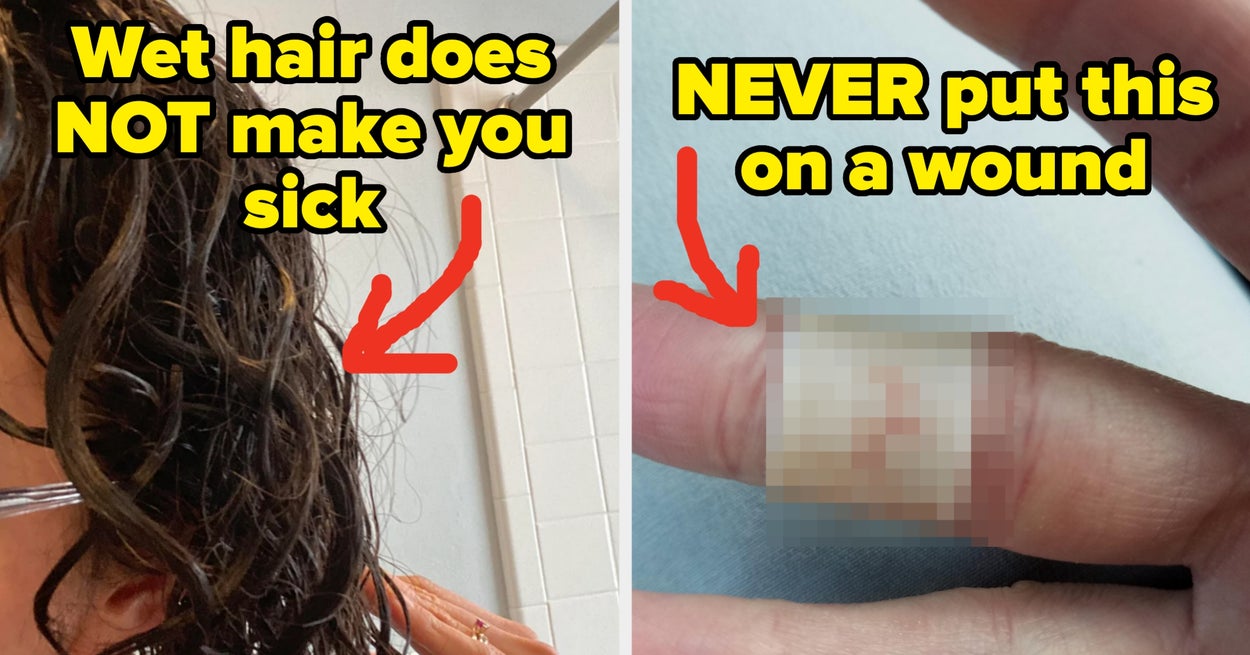
The article debunks common health misconceptions shared by medical professionals, emphasizing the importance of accurate information on topics like emergency responses, medication, dental procedures, mental health, and more, to promote better health decisions.
The article discusses how misconceptions that nicotine causes cancer are hindering public health efforts, emphasizing that the harm from smoking comes from combustion, not nicotine itself. It highlights the potential benefits of smoke-free nicotine products like e-cigarettes and patches for quitting smoking, and stresses the importance of accurate public education to correct false beliefs and promote harm reduction. The piece also warns against the commercialization of nicotine as a wellness product and the need for nuanced understanding of nicotine's risks and benefits.
Experts highlight and debunk common myths about menopause, emphasizing that symptoms and experiences vary widely and are often misunderstood, challenging stereotypes of hot flashes, hormonal chaos, and sexless partnerships.
The article highlights various facts that are commonly misunderstood or unknown, such as the true closest planet to Earth being Venus, the nature of the Underground Railroad, and that cows need to be pregnant to produce milk, among others, emphasizing the importance of accurate knowledge in everyday life.
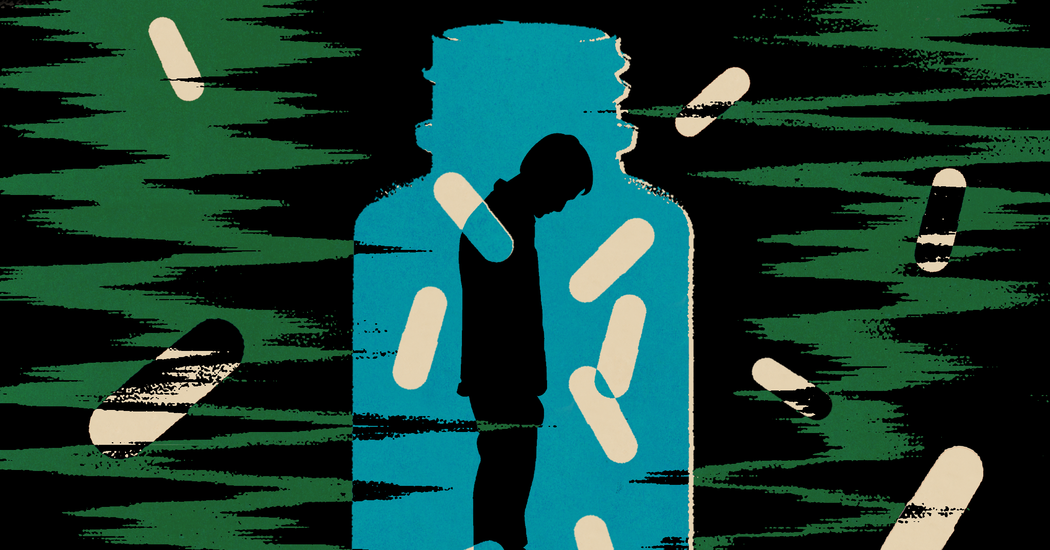
The article addresses common facts and misconceptions about antidepressants, highlighting their role in treating mental health conditions, the importance of understanding their effects, and the need for accurate information to dispel myths surrounding their use.
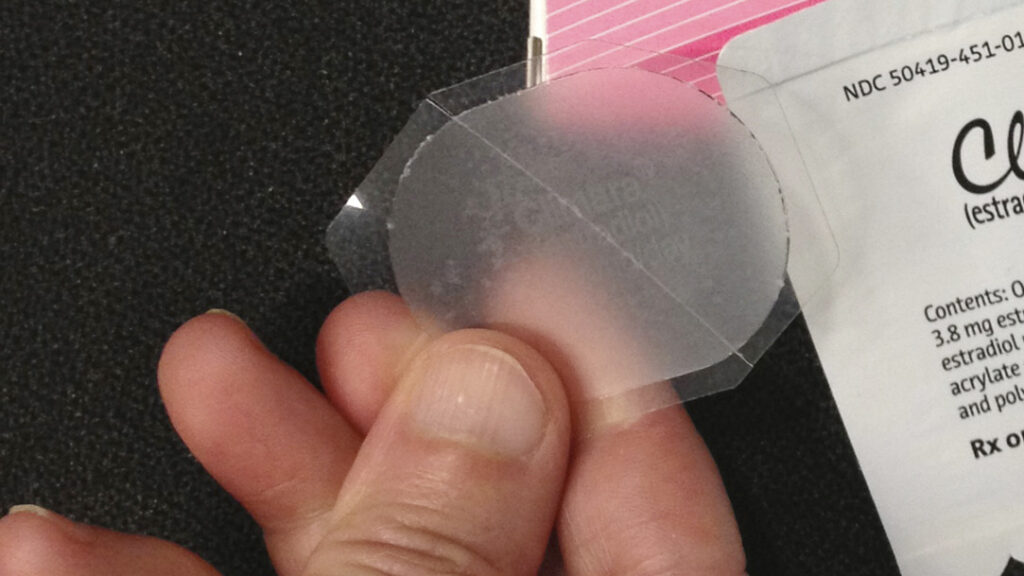
Despite evidence supporting hormone therapy's benefits for menopausal symptoms and heart health, its use has significantly declined due to misconceptions about risks and cultural taboos. The 2002 Women's Health Initiative study, which linked hormone therapy to increased risks of heart disease and breast cancer, led to FDA warnings that persist despite newer research showing low risks for women under 60. Experts advocate for informed decision-making and better education for both patients and healthcare providers to address the under-treatment of menopause symptoms.
Ellen DeGeneres and Portia de Rossi celebrated their 20th anniversary with a heartfelt social media post, dispelling rumors of a breakup and clarifying that their UK farmhouse was not affected by recent floods. The couple, who met in 2001 and married in 2008, continue to express their love and commitment to each other, countering misconceptions about their relationship.
A survey by The Ohio State University reveals widespread misconceptions about pancreatic cancer, with many under 50 unaware of early signs and a third believing only older adults are at risk. Despite a low 5-year survival rate, early-onset cases are rising, partly due to lifestyle factors like obesity and alcohol use. Experts emphasize that risk can be reduced by quitting smoking, managing diabetes, maintaining a healthy weight, and moderating alcohol consumption. Recognizing symptoms like abdominal pain and jaundice early is crucial for timely medical intervention.
Despite their negative reputation, certain "bad" foods like full-fat dairy, carb-rich grains, eggs, potatoes, and popcorn can actually aid in weight loss due to their high protein and fiber content. Research shows that these foods do not necessarily lead to weight gain and can be part of a balanced diet. It's important to focus on overall dietary patterns rather than labeling individual foods as good or bad.
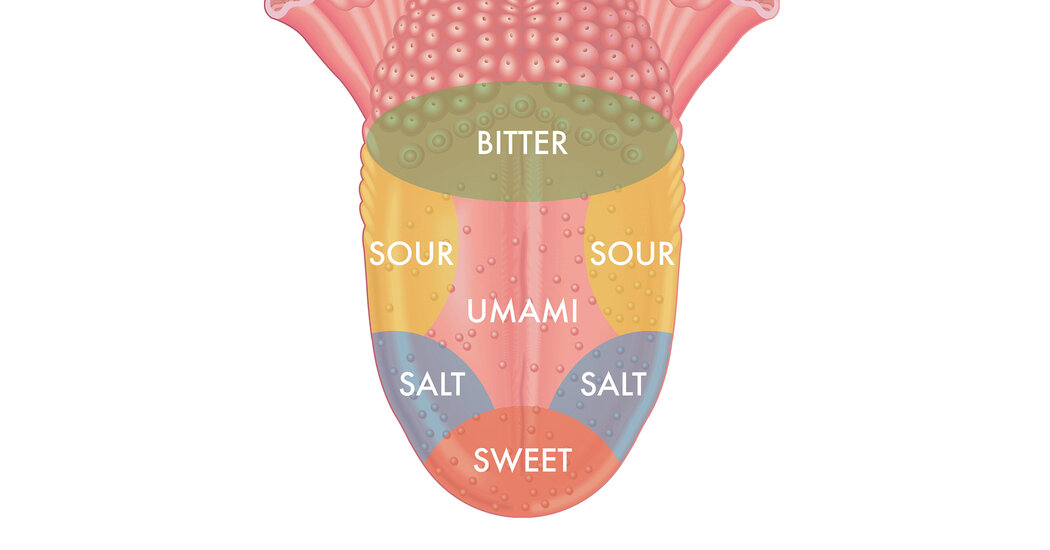
The long-held belief that specific tastes are confined to certain areas of the tongue is a myth, debunked by decades of research. The original 1901 study by David Hanig, often misinterpreted, actually measured sensitivity rather than segregation of tastes. Taste receptors are not limited to the tongue but are also found in various organs throughout the body, playing a complex role in signaling the brain about nutrients and toxins.
The "belly pooch" in women is often misunderstood and wrongly attributed to the uterus. Experts clarify that while the uterus is located in the pelvis, the pooch is typically due to fat, muscle, and other tissues. It's normal for women to have more abdominal fat, influenced by hormonal and reproductive factors. The rush to explain away belly fat highlights societal discomfort with body fat, but it's important to accept and care for our bodies as they are.
Ahead of the upcoming solar eclipse, Prevent Blindness is dispelling common misconceptions about eye safety during the event. President and CEO Jeff Todd addressed three myths, emphasizing that it's never safe to look at the sun without proper eye protection, including during a partial eclipse. He also warned against using smartphones or camera viewfinders to view the eclipse and clarified that while eclipses don't emit harmful rays that cause blindness, caution and proper eye protection are still essential.
A new report reveals that several foods often considered guilty pleasures, such as chocolate, cheese, coffee, potatoes, eggs, butter, whole milk, nuts, and fatty fish, actually contain nutrients beneficial to the body. These foods, when consumed in moderation, can provide essential vitamins, healthy fats, and immune-boosting functionality. Many misconceptions about the healthiness of these everyday foods exist, and it's important to reconsider their nutritional value and potential benefits for heart health, brain function, and overall well-being.
Misinformation about the safety and efficacy of hormonal birth-control methods has spread on social media, leading to misconceptions and fear-based contraceptive decisions among women. The lack of physician transparency and underfunding of women’s health research contribute to the proliferation of false narratives about birth control, potentially resulting in unintended pregnancies and other health complications. President Biden's recent executive order aims to address these issues by strengthening data collection and funding for women’s health research.