Tag

Stress Response

All articles tagged with #stress response

health3 months ago

Studies Show Anxiety's Broader Impact Beyond Mental Health

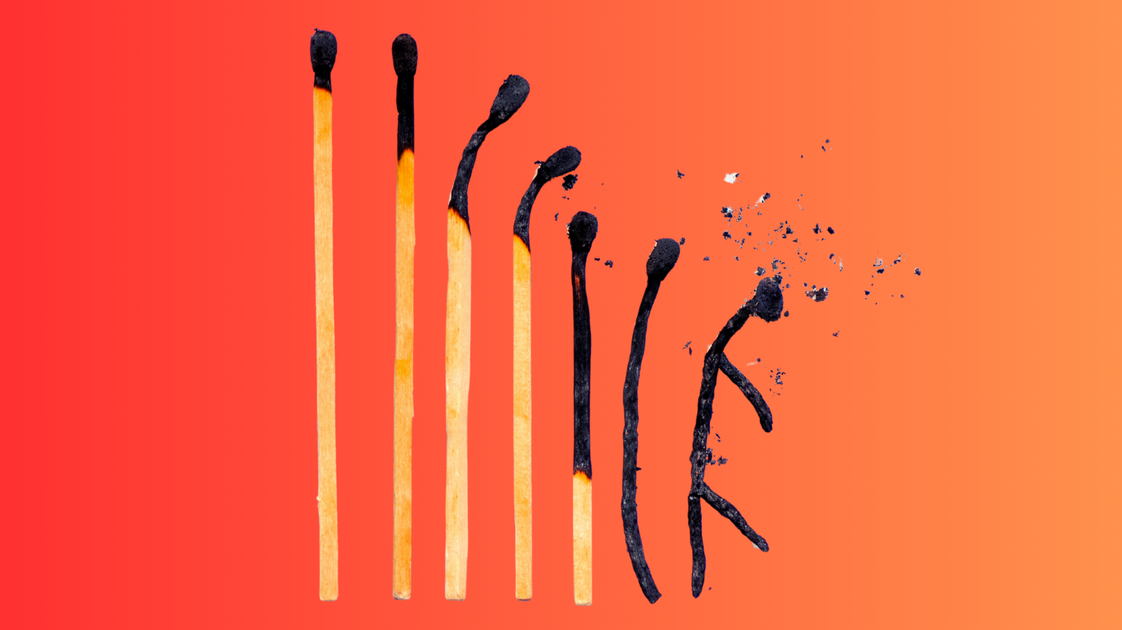
Anxiety is more than a mental health issue; it affects the entire body, increasing risks of cardiovascular problems, immune suppression, chronic pain, and digestive issues. Despite its prevalence, many suffer without treatment due to lack of awareness and services. Managing anxiety through healthy routines and self-awareness can mitigate its physical impacts.

science7 months ago

Study Finds Aging Neurons React Differently to Stress

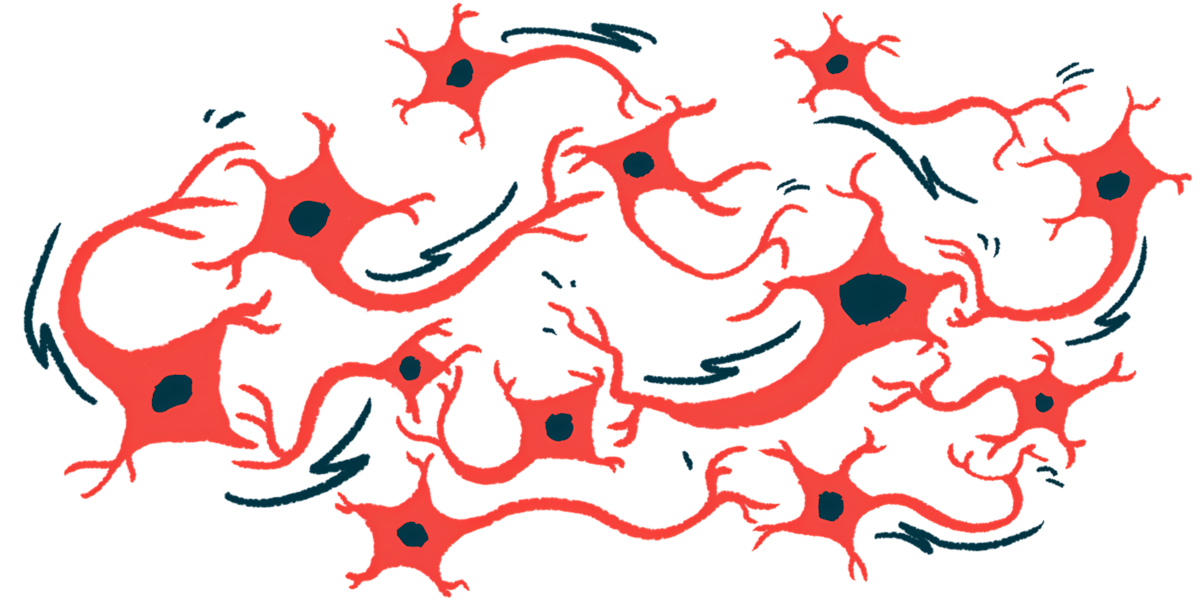
Aging impairs neurons' ability to respond to stress, leading to mislocalization of key proteins like TDP-43 and destabilizing RNA metabolism, which may contribute to neurodegenerative diseases such as Parkinson's. The study compared lab-grown aged neurons with human brain tissue, revealing chronic stress and protein mislocalization as key features of neuronal aging.

science1 year ago

Gut Microbes Influence Stress and Mental Health

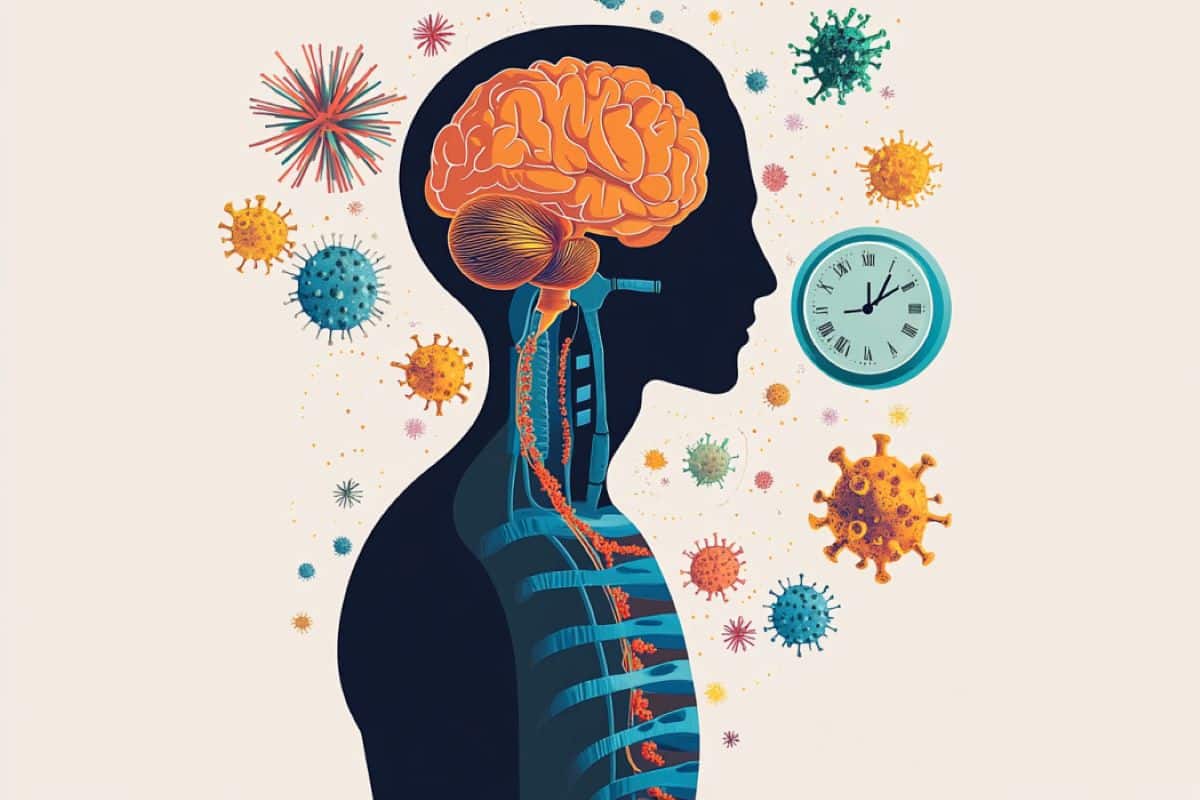
New research highlights the role of gut bacteria in regulating stress responses by interacting with circadian rhythms, suggesting potential for microbiome-based therapies for mental health. The study identifies specific bacteria, like Limosilactobacillus reuteri, as crucial in modulating stress hormones, emphasizing the importance of a balanced microbiome for mental well-being. This discovery opens avenues for developing treatments targeting the gut-brain axis to manage stress-related disorders.

health-and-science1 year ago

"The Science of 'Hysterical Strength' and the Body's Response to Extreme Stress"

The body's fight-or-flight response, triggered by extreme stress, can unlock extraordinary strength and heightened senses, but studying this phenomenon is challenging due to its danger. This response involves the release of adrenaline and noradrenaline, redirecting energy to immediate survival needs and temporarily reducing pain perception. While beneficial in emergencies, chronic stress and sustained hormone release can lead to detrimental physiological outcomes, affecting memory, causing high blood pressure, sleep disorders, and potentially leading to heart disease.

health1 year ago

"New Dementia Breakthrough: Uncovering the Role of Stressed Brain Cells in Neurodegenerative Disease"

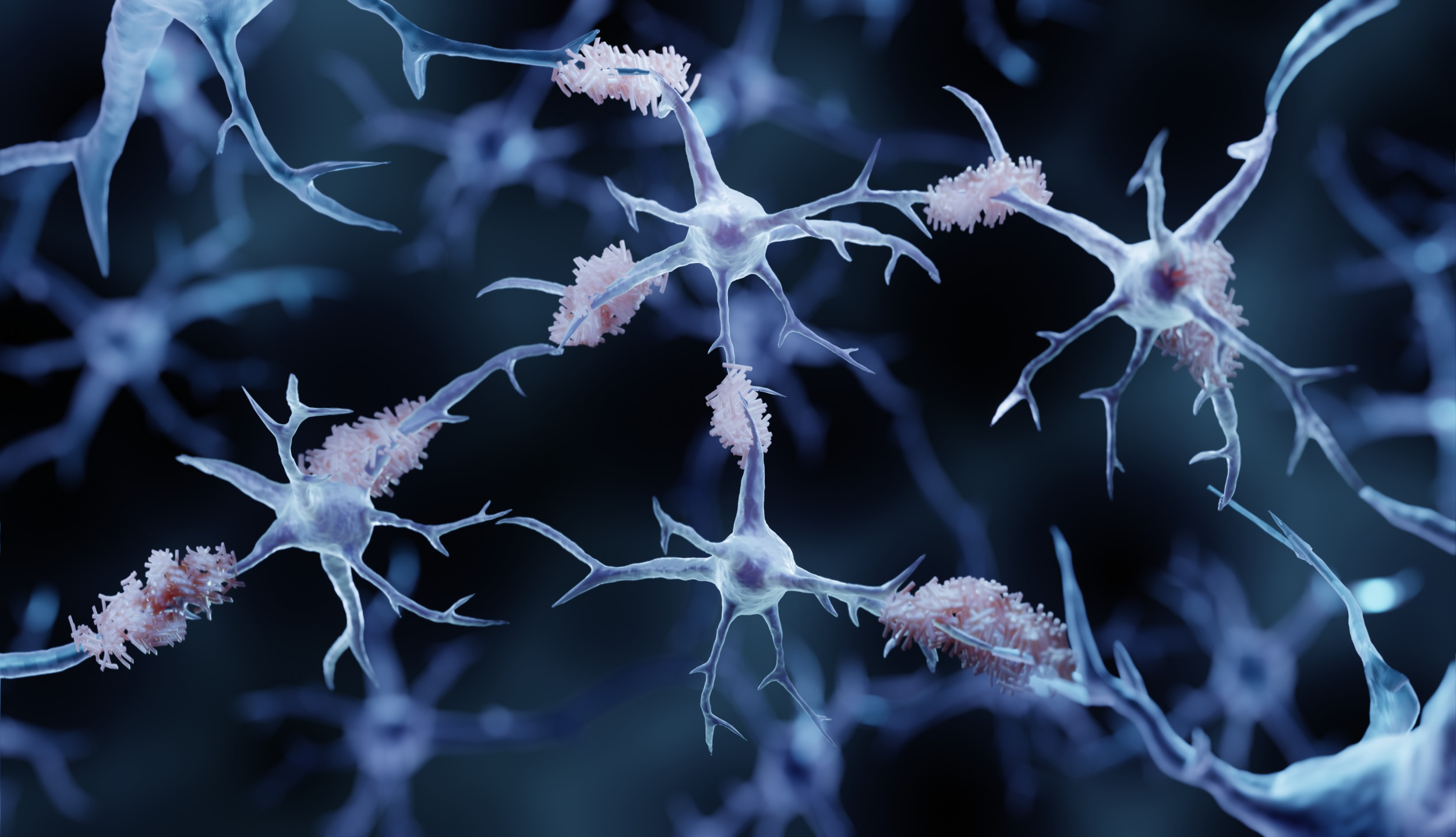
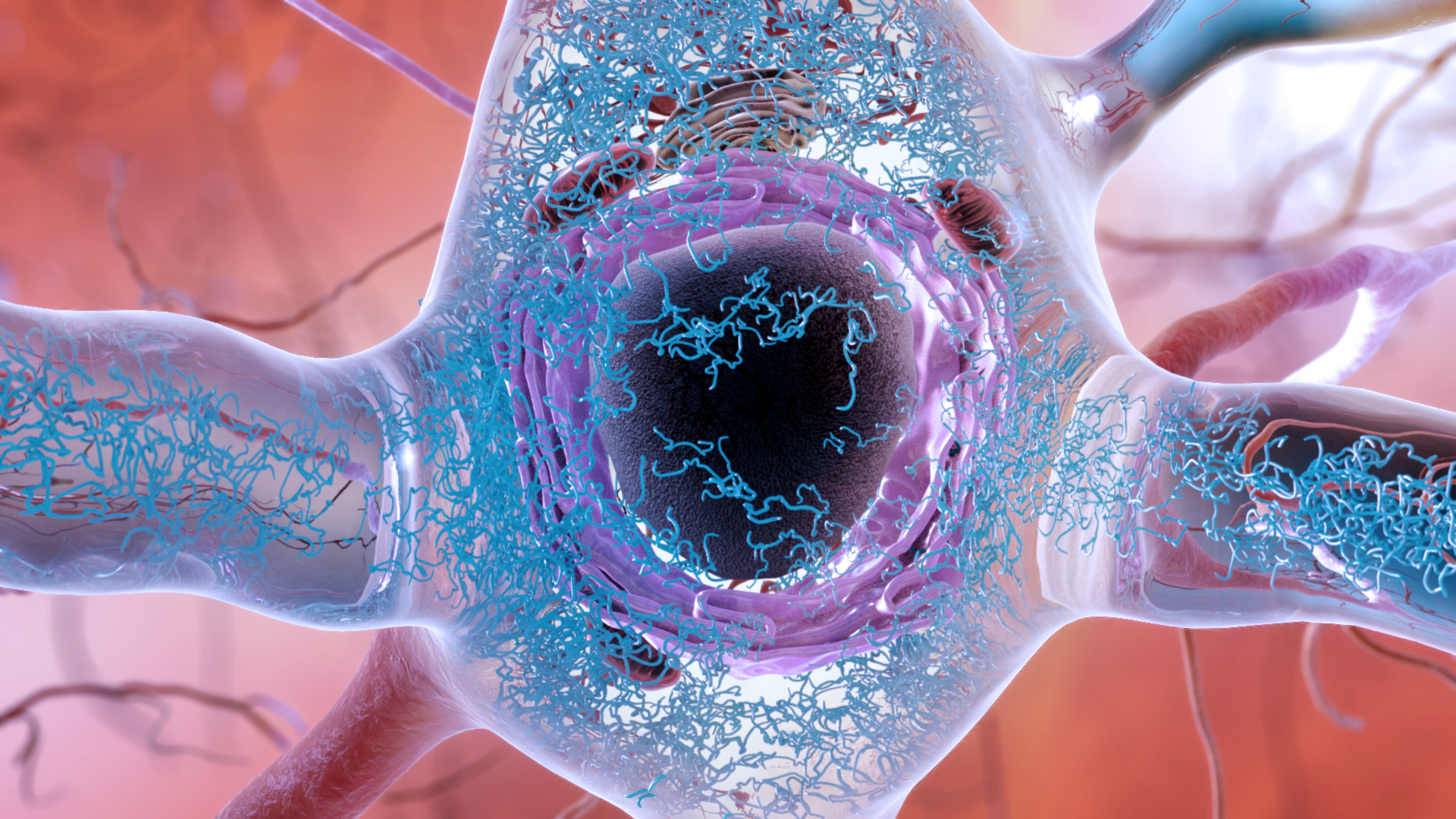
A breakthrough in dementia research from UC Berkely suggests that abnormal protein clumps may not directly kill brain cells, but rather keep the cells' stress response constantly activated, leading to their death. The discovery of a protein complex called SIFI, which both cleans up the clumps and switches off the stress response, could revolutionize treatment for neurodegenerative diseases like Alzheimer's and Parkinson's by focusing on turning off this stress response rather than solely targeting the protein accumulations. This new understanding could change the approach to treating these diseases and make it more feasible.

health1 year ago

"Linking Stress and Neurodegenerative Disease: Uncovering the Role of Brain Cells"

Researchers at the University of California, Berkeley, have discovered that the accumulation of aggregated proteins isn't what kills brain cells in neurodegenerative diseases, but rather the body's failure to turn off the cells' stress response. Their findings suggest that a drug forcing the stress response to shut down can save cells mimicking early-onset dementia, offering a potential treatment option for certain neurodegenerative diseases. The discovery of a protein complex called SIFI, which cleans up aggregates and turns off the stress response, could lead to the development of therapies to silence the stress response while maintaining the cell's cleanup of protein aggregates, potentially changing how neurodegenerative diseases are treated.

health-and-wellness1 year ago

"The Unrecognized Nighttime Sound: Your Body's Built-in Stress Response"

Many people experience a strange sound, known as pulsatile tinnitus, before falling asleep, which is a sign that the body is stuck in a stress response. This phenomenon, exacerbated by stress, can make it difficult to concentrate or sleep. While relaxation techniques, therapy, sound generators, dietary changes, and seeking professional help can alleviate this issue, it's important to address the underlying stress and anxiety causing these manifestations.

science-and-research1 year ago

"E3 Ligase Mutation Silences Stress Response in Neurodegeneration"

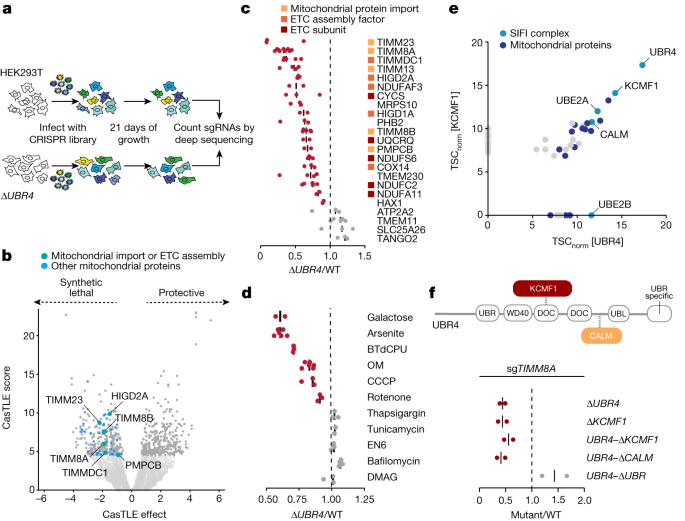
Researchers have discovered that stress response silencing is a regulated process linked to human disease, particularly neurodegeneration. They found that an E3 ligase called SIFI plays a crucial role in terminating the response to mitochondrial protein import stress by inducing the degradation of unimported mitochondrial precursors and stress response components. SIFI's dysfunction is associated with ataxia and early-onset dementia, and restoring stress response silencing could potentially offer new treatment approaches for neurodegenerative diseases caused by mitochondrial import defects.

neuroscience2 years ago

"Male Fruit Flies Show Increased Aggression and Stress After Sexual Rejection"

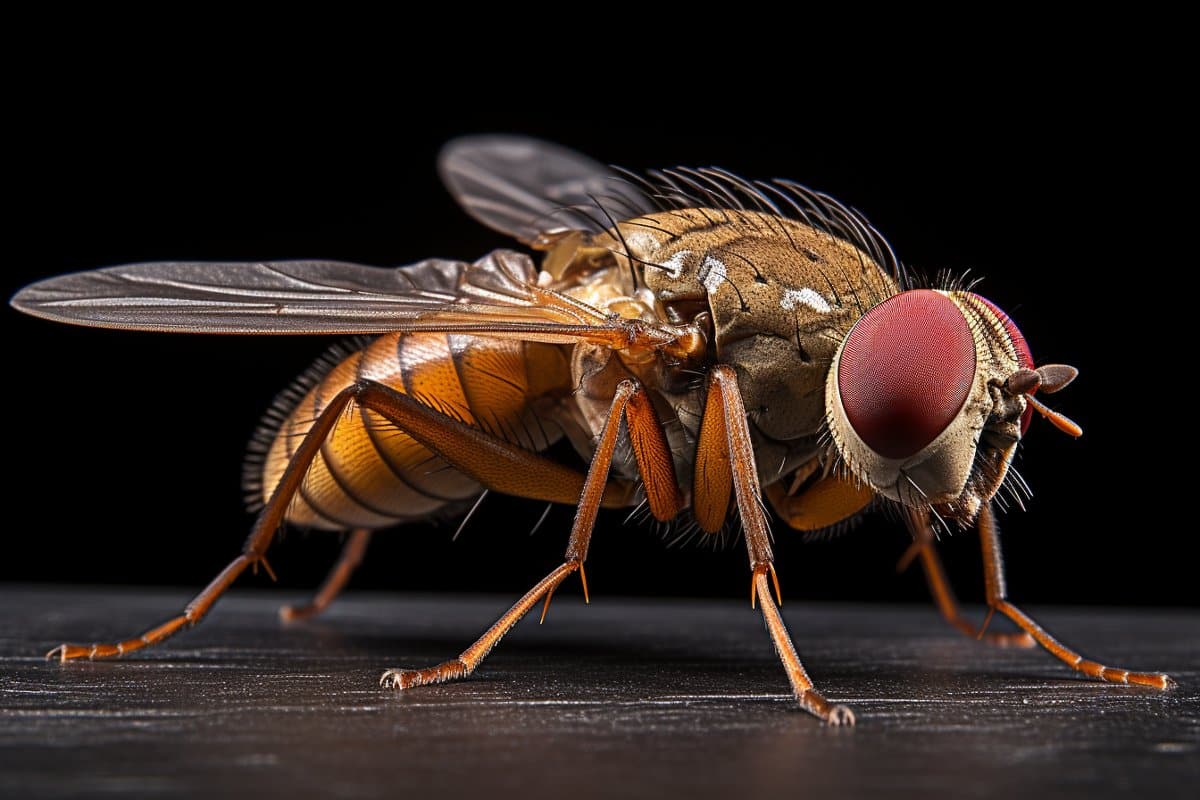
A study on male fruit flies reveals that repeated sexual rejection leads to increased activity, aggression, and anti-social behavior, indicating a frustration-like stress state mediated by the neuropeptide F signaling system in the brain. This social stress affects the flies' resilience to other stressors like starvation and toxic exposure, providing valuable insights into the neurobiological basis of social stress in a model organism.

health2 years ago

"10 Sleep Habits That Indicate Your Body Is Stuck in a Stress Response"

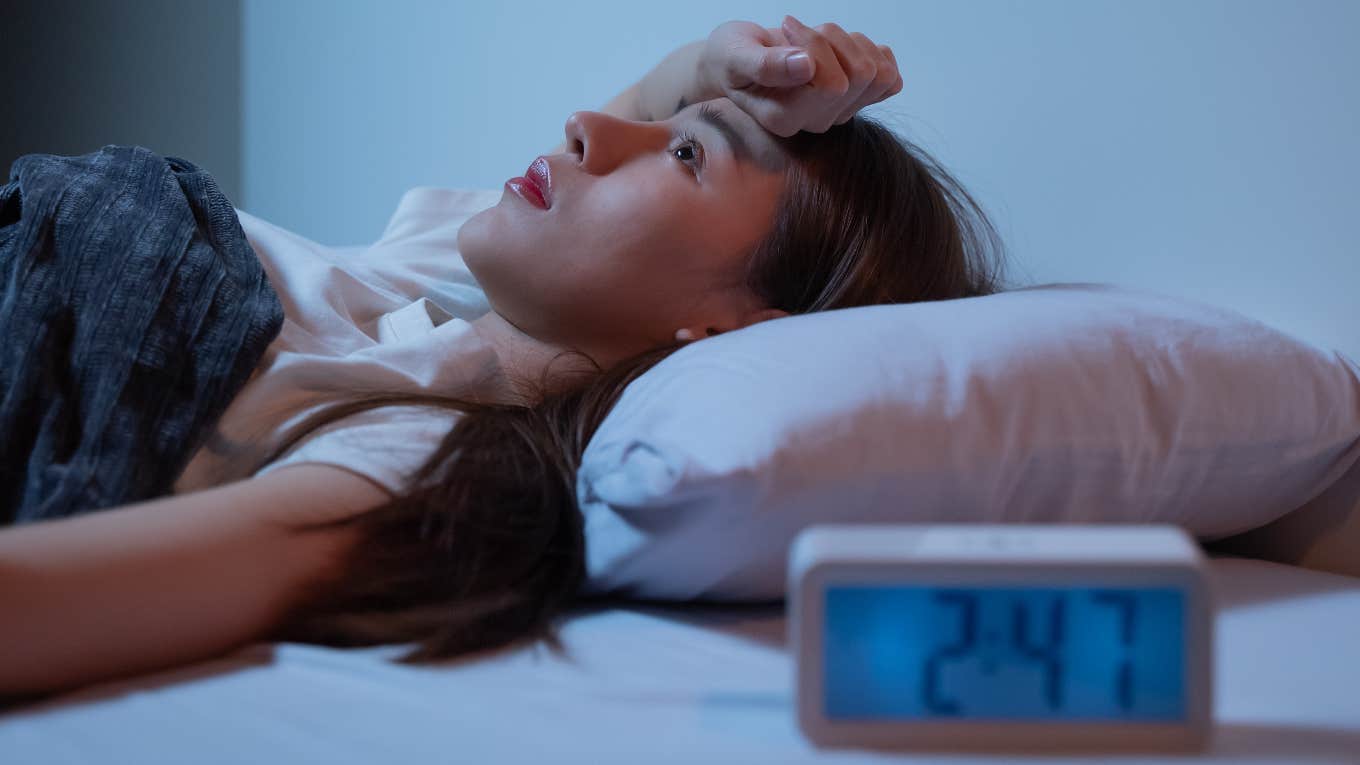
If you experience at least three of these ten things while sleeping, it may indicate that your body is stuck in a stress response. These signs include waking up covered in sweat, grinding your teeth, frequent nightmares, sleeping with t-rex arms, talking in your sleep, sleepwalking, waking up multiple times throughout the night, having a hard time falling asleep, feeling exhausted when you wake up, and waking up with unexplained pain and tension. These sleep habits can be connected to stress, anxiety, and trauma, and it is important to address them to promote better physical and mental well-being.

science-and-research2 years ago

Gender Differences in Brain Cell Response to Stress Uncovered by Study

A new study conducted on mice by researchers at the Weizmann Institute and the Max Planck Institute of Psychiatry has revealed sex differences in how the brains of males and females respond to stress. The study used RNA sequencing to analyze the cells of the paraventricular nucleus (PVN) of the hypothalamus, which coordinates the stress response. The researchers found that different types of cells in the PVN respond to stress in different ways, and there were sex differences in these responses. The study's findings may contribute to the development of sex-tailored therapies for stress-related psychiatric disorders.

neuroscience2 years ago

Unraveling the Genetic Basis of Stress Response in PTSD and Depression

Researchers have conducted a groundbreaking analysis of genes in over 575,000 brain cells from individuals with and without post-traumatic stress disorder (PTSD) and major depressive disorder (MDD), revealing new insights into the brain's stress response. The study identified specific gene expression changes in the dorsolateral prefrontal cortex (DLPFC) region of the brain, which could serve as potential biomarkers for PTSD and MDD and provide therapeutic targets. The findings may lead to the development of novel treatments and the use of stem cell-derived cells to further study these mechanisms.