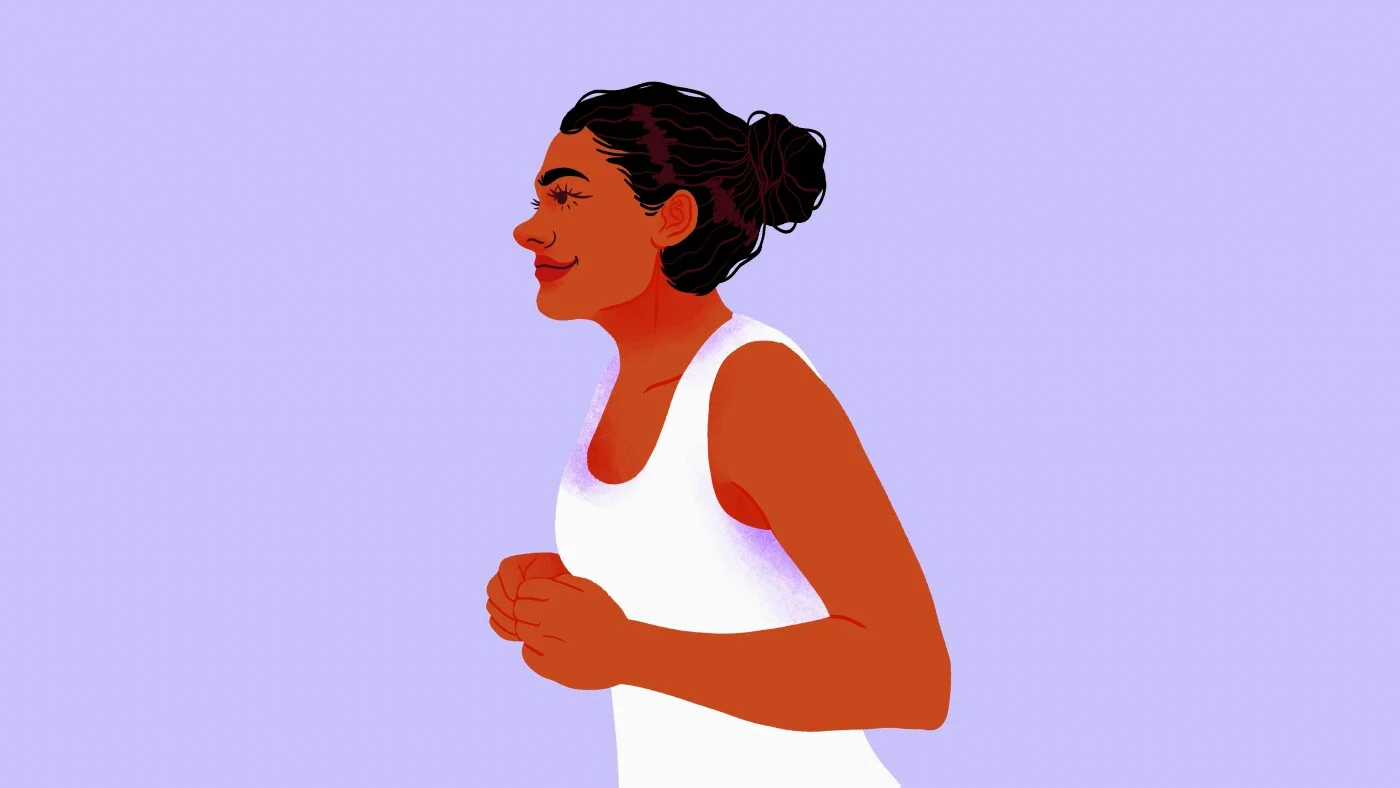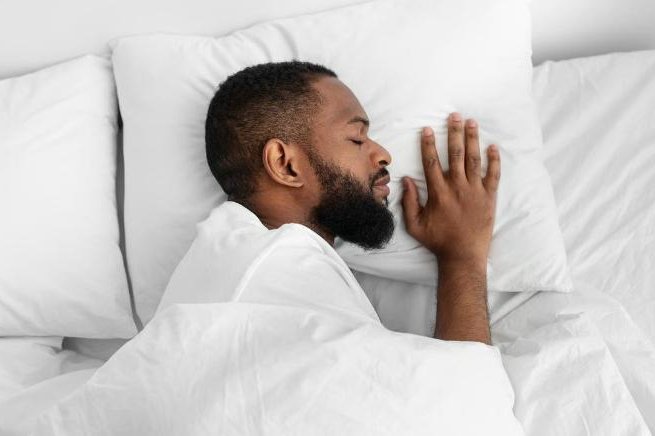
The article highlights seven simple daily habits of people who appear much younger than their age, including prioritizing sleep, regular movement, eating whole foods, managing stress, nurturing social connections, protecting skin from the sun, and continuous learning. These habits, rooted in consistent, healthy choices, contribute significantly to maintaining vitality and a youthful appearance over time.
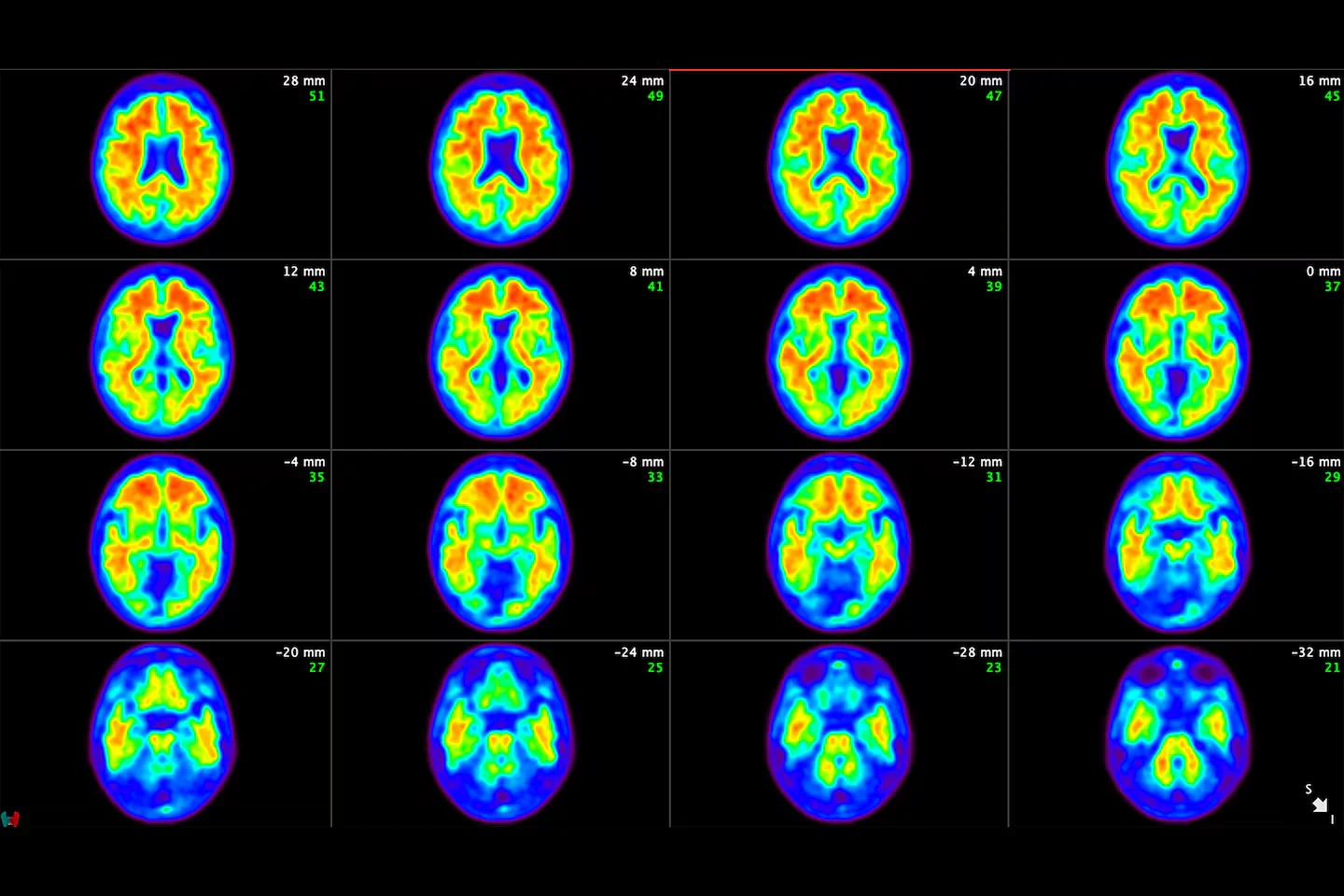
Research indicates that controllable lifestyle factors such as managing stress, getting quality sleep, maintaining a healthy weight, and fostering social connections can help keep the brain younger, with MRI-based estimates showing brains of individuals practicing these habits appearing up to 8 years younger and aging more slowly over time.
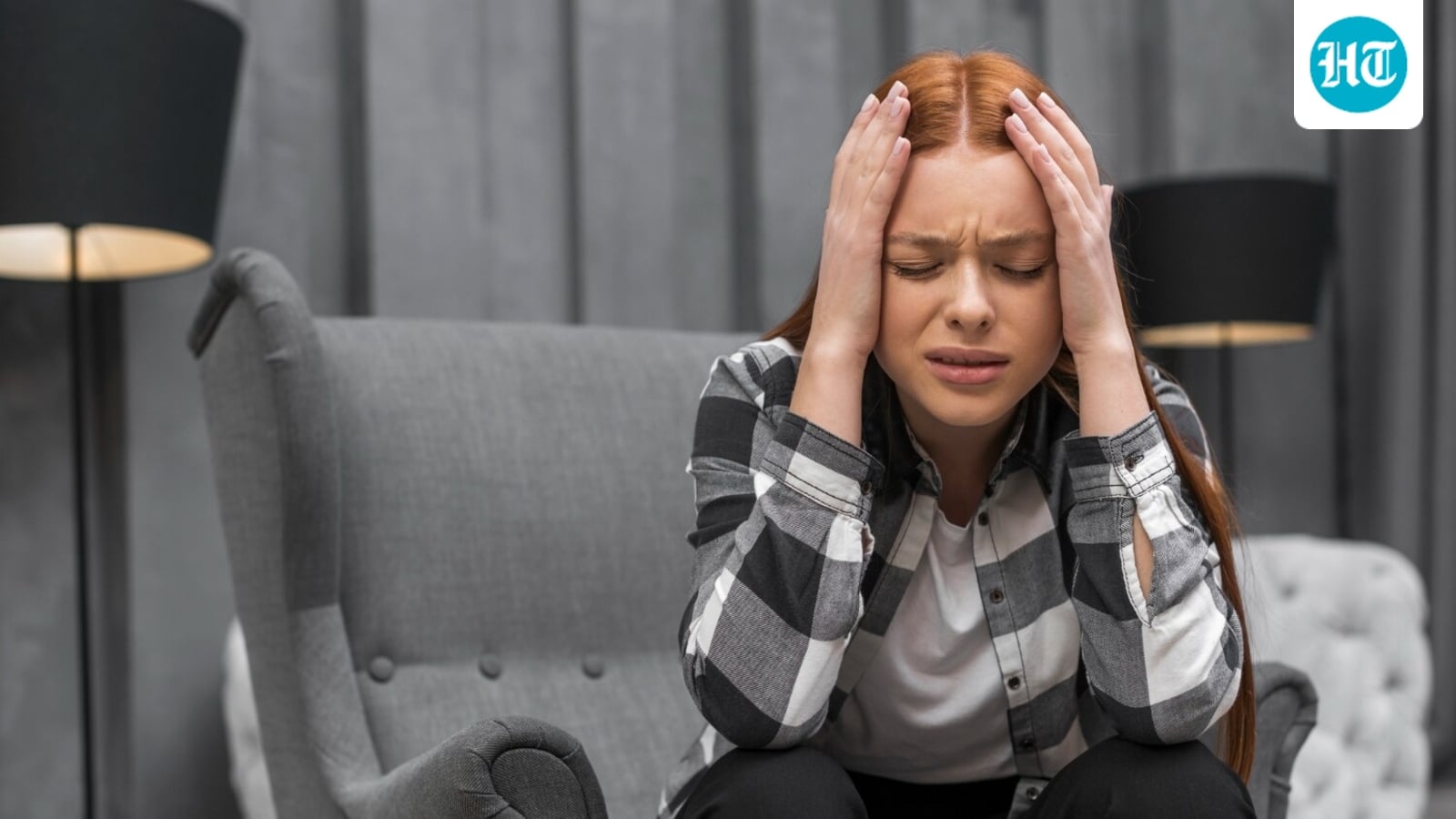
Anxiety affects both mind and body, leading to physical symptoms and health issues; a therapist shares 8 practical tips to manage anxiety, including breathing exercises, movement, creating safety rituals, and seeking professional help.
A 2024 study from Ohio State University challenges the common belief that venting anger helps reduce it, finding instead that calming activities like yoga, mindfulness, and relaxation techniques are more effective in lowering physiological arousal and managing anger, while venting may actually increase it.
A University of Florida study found that positive lifestyle factors such as optimism, good sleep, social support, and healthy habits can make the brain appear years younger and slow its aging process, even among those with chronic pain.
Renowned cardiologist Dr. Aseem Malhotra advocates a 21-day lifestyle plan emphasizing a Mediterranean diet, daily exercise, stress reduction through meditation, and quality sleep to significantly improve heart health naturally, reducing reliance on medication.
Taking care of health is a lifelong process that involves regular preventive measures, a balanced diet, physical activity, and stress management, with specific guidelines tailored to different age groups to promote a long, healthy, and productive life.
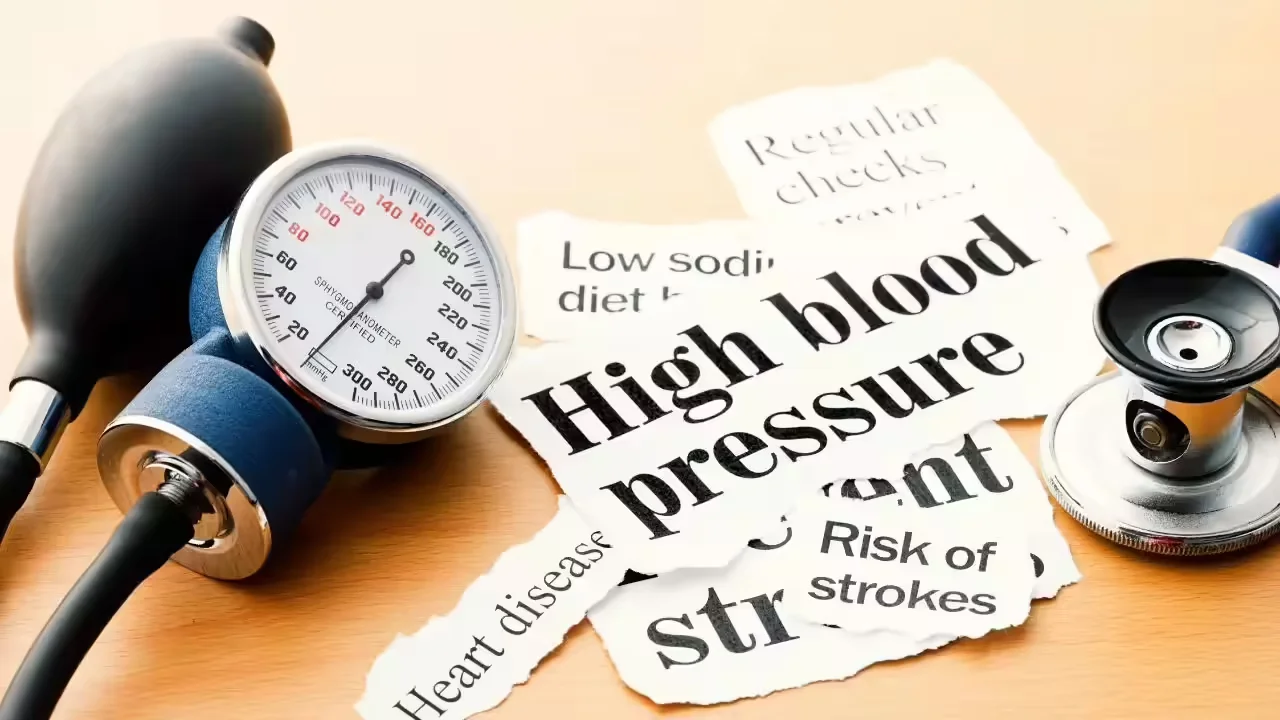
A doctor shares nine natural tips to reduce high blood pressure in 21 days, including reducing salt intake, eating potassium-rich foods like bananas, drinking hibiscus tea, adding garlic, walking 40 minutes daily, replacing coffee with green tea, eating walnuts, meditating before bed, and cutting processed foods, emphasizing consistency and small daily habits for effective management.
A heart surgeon advises people over 30 to avoid alcohol, smoking or vaping, poor sleep, and toxic relationships to reduce the risk of heart disease, emphasizing that habits in this decade can silently impact long-term heart health.
The article emphasizes the importance of post-work habits like physical activity, social connection, and mental unwinding to improve mental health, reduce stress, and promote better sleep, supported by expert advice and scientific research.
The article discusses eight signs of aging well, emphasizing that psychological factors like curiosity, stress management, strong relationships, humor, adaptability, and a sense of purpose are key indicators of thriving as we age, rather than external appearances or superficial measures.
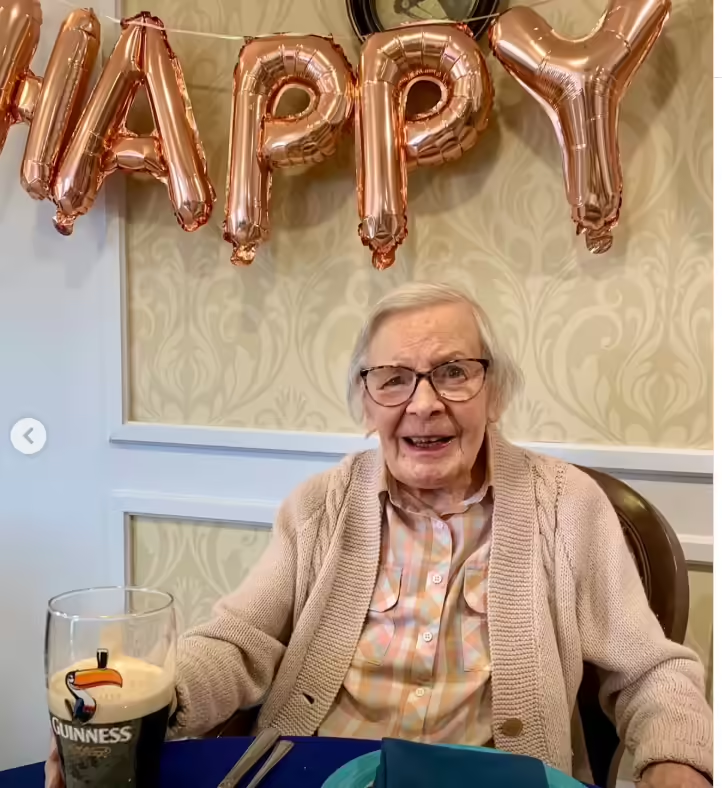
105-year-old Kathleen Hennings from England shares her secrets to a long life, emphasizing stress avoidance through independence and happiness, maintaining a sense of humor, staying socially active, and enjoying life’s pleasures, with a quirky mention of her Guinness stout consumption. Her lifestyle aligns with scientific findings that stress reduction, physical activity, and social engagement promote healthy aging.
Sleep bruxism, or teeth grinding during sleep, affects about 8% of adults and can cause dental damage, jaw pain, and sleep disruption. It is often linked to stress, medical conditions, and genetics. Detection includes observing tooth wear and symptoms like jaw pain, with diagnosis confirmed through sleep studies. Treatment options range from dental guards and stress reduction techniques to Botox injections for severe cases.
The article discusses how beta blockers like propranolol can help alleviate physical symptoms of anxiety, especially in stressful situations, and shares personal and public examples of their use, while also noting their limitations and the importance of addressing underlying psychological issues.
The article explores various surprising ways to boost gut health beyond diet, including kissing, gardening, cooling carbs, breathing exercises, eating dark chocolate, gargling, and having pets, emphasizing the importance of lifestyle habits in maintaining a diverse and balanced microbiome.