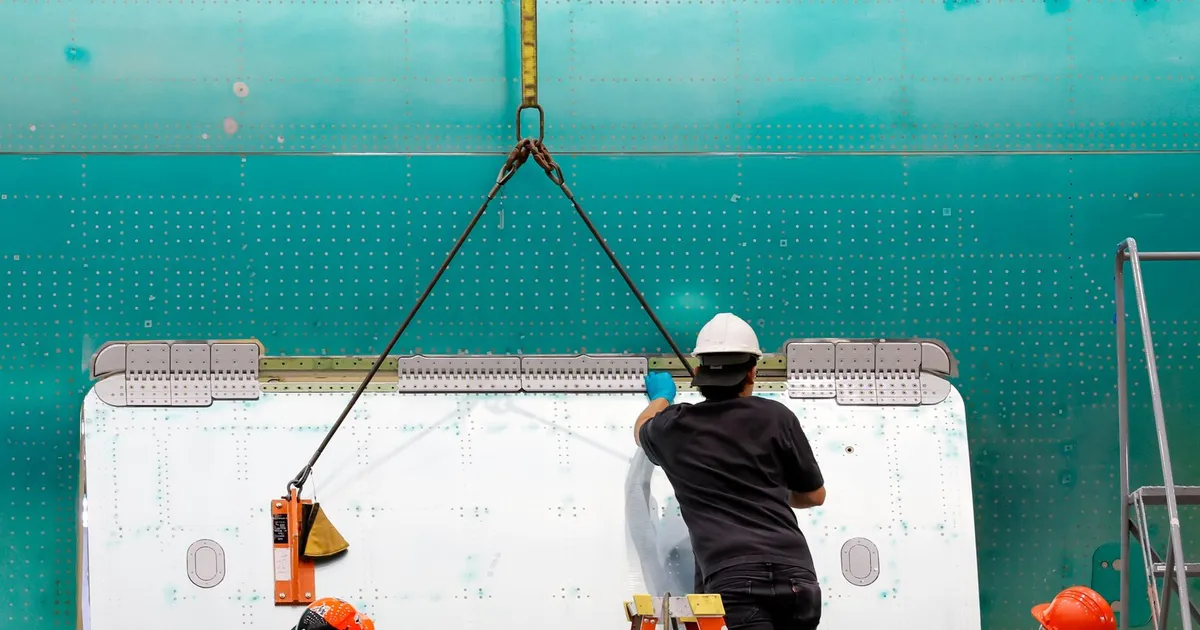
Boeing has laid off 2,199 workers in Washington as part of a broader effort to reduce its workforce by 10%, or 17,000 employees, across the company. The layoffs, which affect all three of Boeing's divisions and various locations, are aimed at addressing overstaffing and inefficiencies, not related to a recent strike. Affected employees will receive severance pay and career transition support. Boeing may consider further job cuts if necessary.
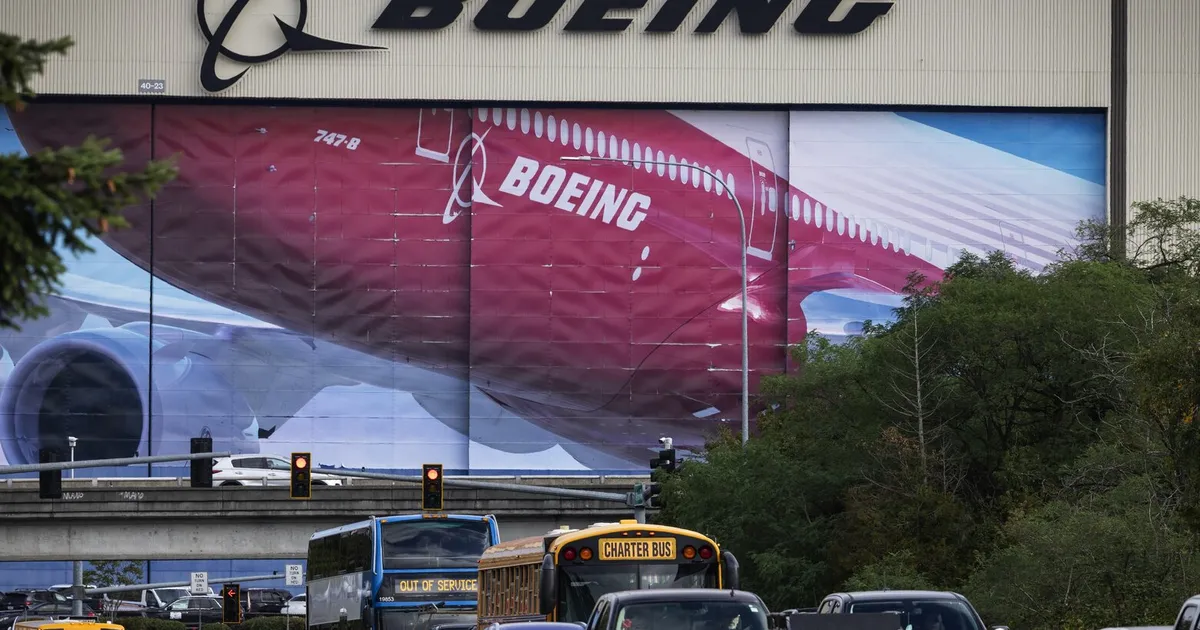
Boeing has begun notifying employees of layoffs as part of a 10% workforce reduction, affecting various divisions and locations across the U.S. The cuts, announced by CEO Kelly Ortberg, aim to align workforce levels with financial realities and are not related to a recent strike. Affected employees will receive severance and support services, but the lack of transparency in the selection process has led to frustration. The layoffs are part of broader efforts to focus resources and address financial losses, including a $6.2 billion loss in Q3.
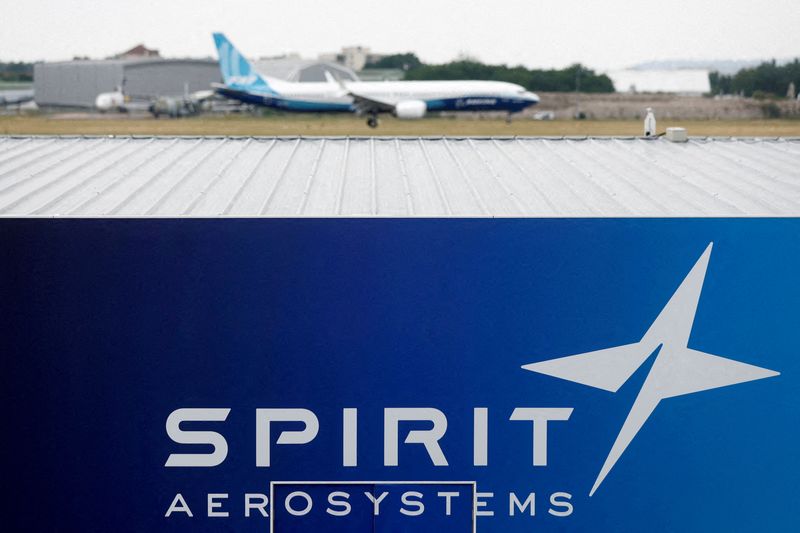
Spirit AeroSystems is set to receive up to $350 million in advance payments from Boeing to help stabilize its finances after years of losses and a recent strike. The company is also negotiating funding with Airbus. As a key supplier to both Boeing and Airbus, Spirit Aero has faced inventory and delivery challenges, impacting its cash flow. Boeing's support aims to ensure Spirit can meet production demands, while Airbus remains silent on its potential assistance.
Spirit AeroSystems has expressed 'substantial doubt' about its ability to continue operating due to financial strain exacerbated by a recent strike by Boeing machinists. The company, which is Boeing's largest supplier, is facing cash flow issues and requires additional liquidity to sustain operations over the next year. Boeing's plans to acquire Spirit in an all-stock deal come as it seeks to resume production of the 737 MAX following the strike's conclusion. Spirit is exploring options to address its financial challenges, while hundreds of its workers face furloughs.
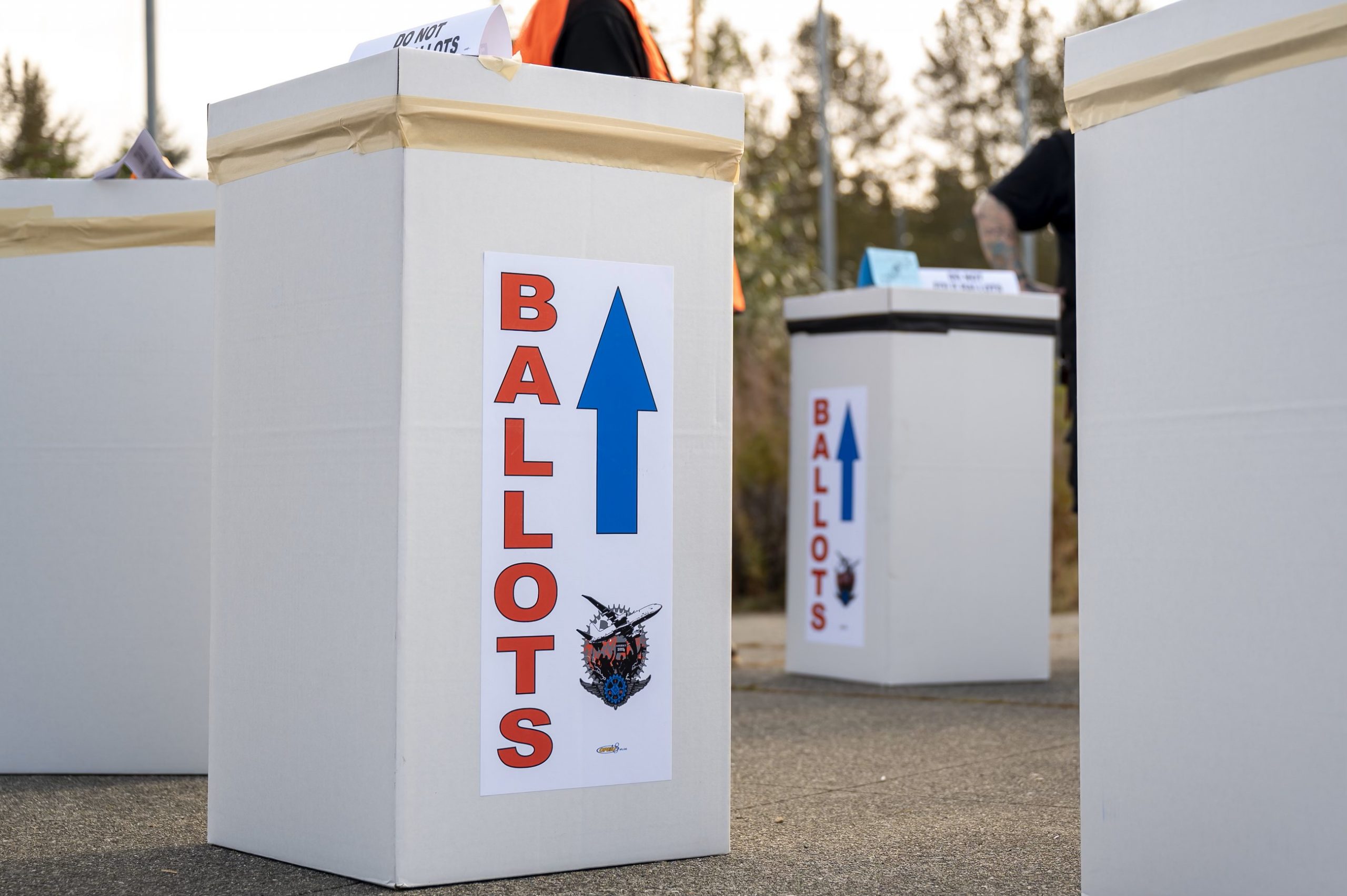
Boeing workers have ratified a new contract after a seven-week strike, securing a 43.65% wage increase over four years, a $12,000 ratification bonus, and improved benefits. The contract was approved by a 59%-41% vote, following the rejection of a previous offer. Union leaders and supporters, including Rep. Pramila Jayapal, praised the agreement as a significant victory for workers, emphasizing the importance of fair wages and benefits. The deal is seen as setting a new standard in the aerospace industry, highlighting the power of collective bargaining.
The International Association of Machinists and Aerospace Workers (IAM) union members at Boeing have ratified a new contract, achieving a 43.65% compounded wage increase over four years. This agreement, facilitated by U.S. Secretary of Labor Julie Su, follows a two-month strike and sets a new standard for the aerospace industry. The contract includes a $12,000 ratification bonus, improved retirement contributions, and enhanced job security provisions, marking a significant victory for the 33,000 frontline workers involved.
Boeing machinists, represented by IAM District 751, have voted on a new contract proposal aimed at ending a nearly two-month-long strike. The proposal includes a 38% wage increase, improved 401(k) contributions, and a $12,000 ratification bonus, but does not reinstate pension plans. Union leaders have urged acceptance of the offer, describing it as one of the strongest contracts in aerospace history. The strike has significantly impacted Boeing's production, with potential losses of $1 billion per month, and has drawn attention from political leaders urging a fair resolution.
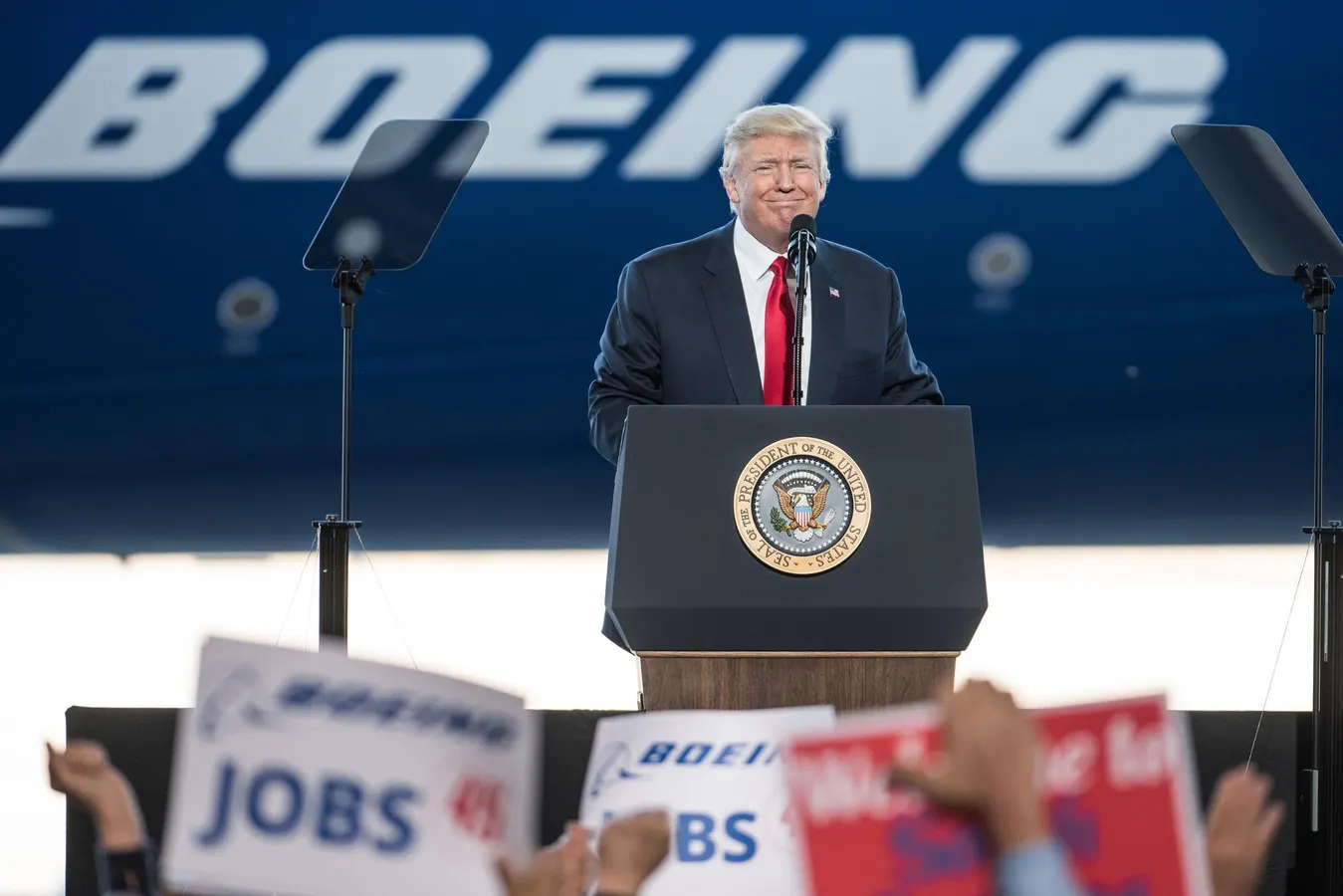
A potential return of Donald Trump to the presidency could pose significant challenges for Boeing and the U.S. aerospace industry. Trump's proposed tariffs on imports, particularly from China, could lead to trade wars, increasing costs for Boeing's global supply chain and threatening its $47 billion trade surplus. Additionally, changes in defense spending and potential alterations to the Federal Aviation Administration could create further uncertainty. While some regulatory relaxations might benefit Boeing, the overall impact of Trump's policies could be detrimental to the aerospace sector.
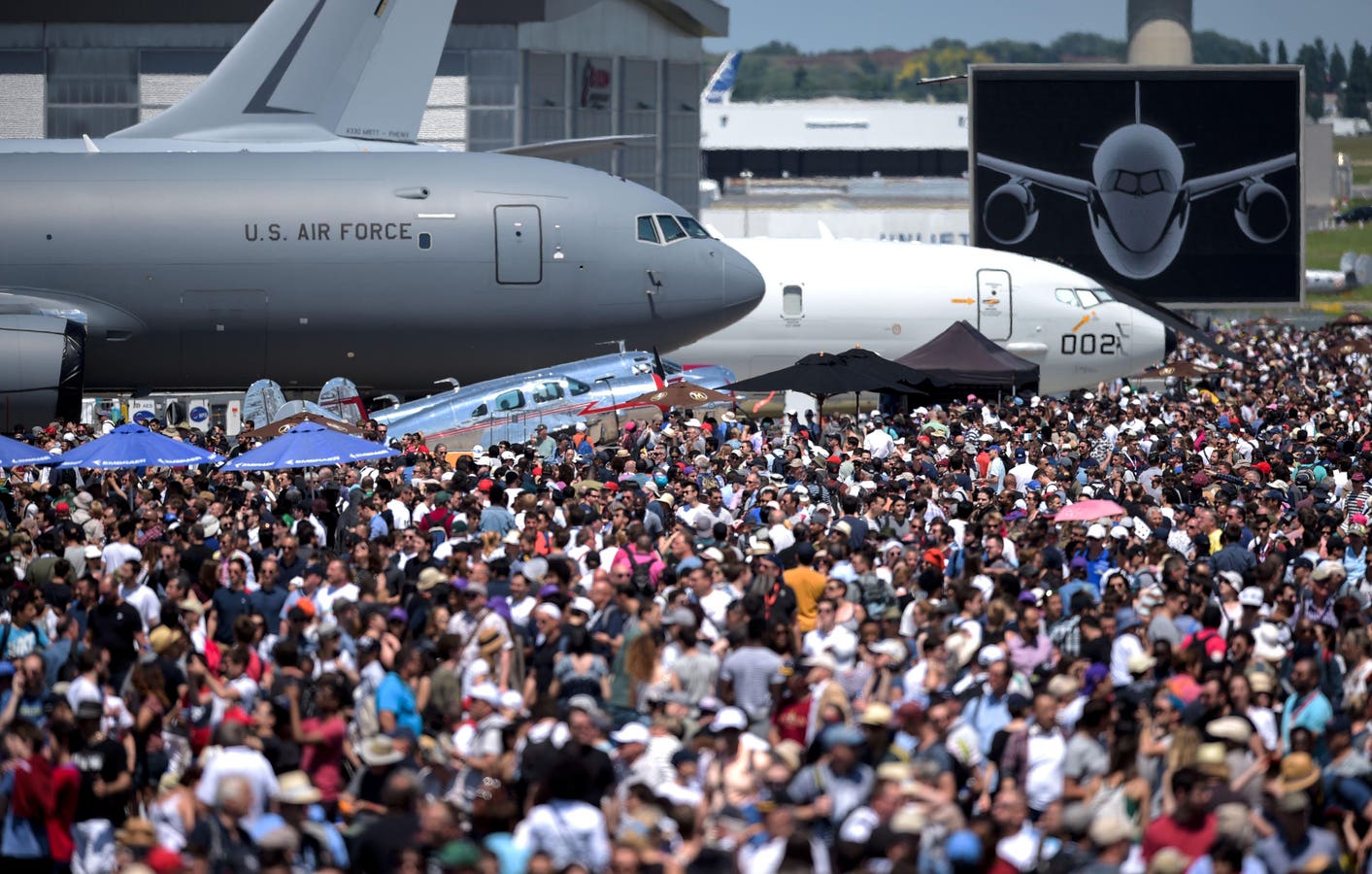
The 2024 Farnborough International Airshow will gather 80,000 visitors, including top aerospace and defense leaders, to discuss industry trends and challenges. The event will highlight issues such as commercial aircraft backlogs, supply chain strains, and the impact of geopolitical tensions on defense budgets. Boeing's recent acquisition of Spirit AeroSystems and its legal troubles over the 737 MAX crashes will be focal points, alongside Airbus's supply chain difficulties. The show will also feature advancements in electric Vertical Take Off and Landing (eVTOL) aircraft and sustainability efforts, despite setbacks like the closure of Universal Hydrogen.
The Denver-Boulder area has become a thriving hub for the aerospace industry, with 191 aerospace businesses supporting 29,000 jobs in the region. Companies range from established prime contractors like Lockheed Martin and Boeing to innovative startups such as Voyager Space and Orbit Fab. The area's proximity to the Rocky Mountains and its robust military presence, including three U.S. Space Force bases, have contributed to its growth. With a focus on national security needs and commercial space ventures, the region has seen significant expansion and is poised to continue attracting talent and investment.
Hexcel Corp., a major Boeing supplier, saw a significant stock drop after announcing Tom Gentile as its new CEO, drawing concern on Wall Street due to his previous abrupt resignation from Spirit AeroSystems Holdings Inc. Analysts expressed unease over Gentile's hiring, citing his history at Spirit and the company's quality problems, cash generation issues, and margin expansion challenges. Hexcel's shares plunged as much as 13% following the CEO announcement.
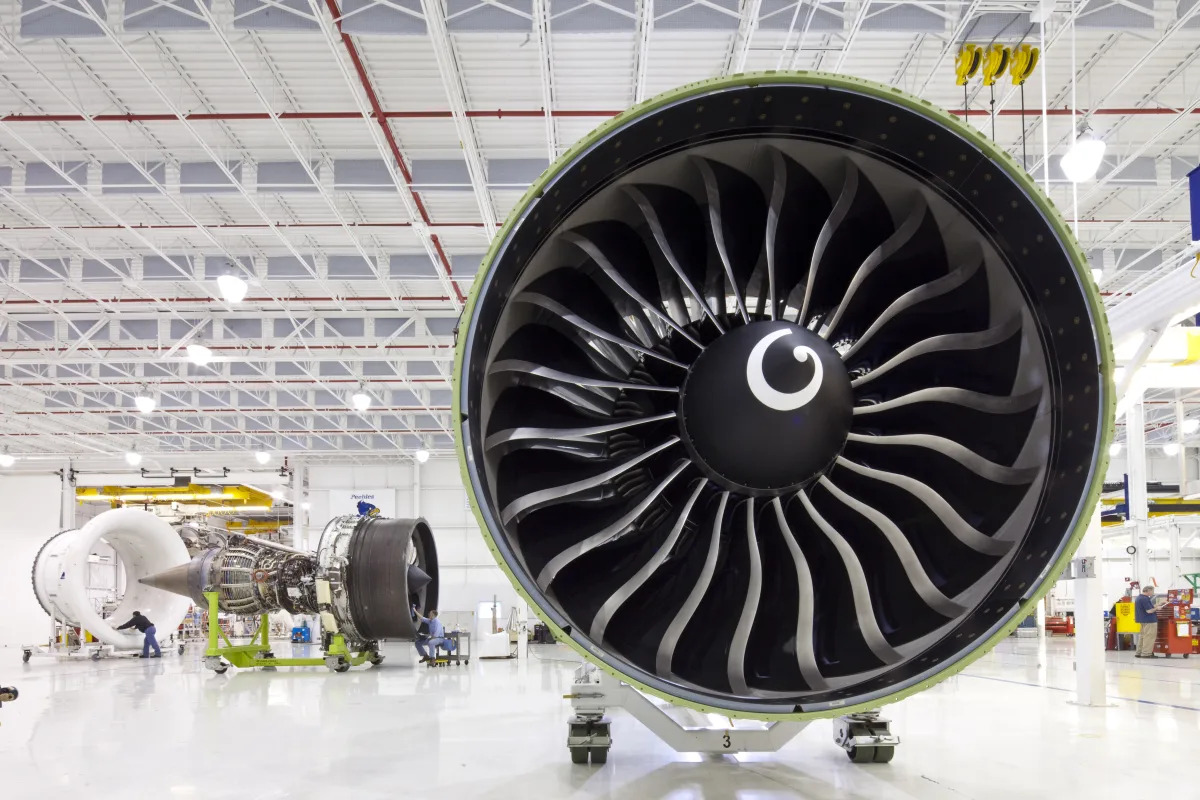
Shares of GE Aerospace (NYSE: GE) traded up 5% as investors reevaluate the potential of the aircraft-focused part of the business following the breakup of General Electric. GE Aerospace, with exposure to popular aviation platforms and potential market share gains, faces near-term headwinds but offers long-term growth potential. Despite some analysts adjusting price targets downward, the stock is climbing back toward previous highs, making it an attractive opportunity for long-term focused investors.
Shares of GE Aerospace surged 6% following positive updates from Wall Street analysts, with Barclays initiating coverage with a $185 price target and an overweight rating, and Deutsche Bank adjusting its price target to $190, implying a 31% premium to the current price. Analysts are bullish on GE Aerospace's prospects due to the commercial aerospace recovery, aggressive production of LEAP engines, and potential market share gains from RTX.
General Electric's stock, now known as GE Aerospace, surged by 11.9% in March ahead of the successful spinoff of GE Vernova, a new aerospace and defense company. The spinoff has been well-received, with GE Vernova's market cap exceeding expectations. Investors are optimistic about GE Aerospace's potential for long-term growth, particularly due to its joint venture with Safran and the expected increase in engine production. Management's guidance suggests strong operating profit growth in the coming years, making the stock a potential candidate for long-term investment.
Satellites and spacecraft burning up in the atmosphere are leaving metal particles in the stratosphere, raising concerns about potential impacts on climate and the ozone layer. These particles could seed polar stratospheric clouds, potentially damaging the ozone layer. Scientists are worried about the implications of these particles, which could also affect cloud formation and climate. With the aerospace industry rapidly growing, understanding the effects of these particles is becoming increasingly urgent.