Tag

Aerosols

All articles tagged with #aerosols

NASA Reports Significant Decline in Earth's Sunlight Reflection Over Two Decades

Originally Published 3 months ago — by Indian Defence Review

Featured image for NASA Reports Significant Decline in Earth's Sunlight Reflection Over Two Decades
Source: Indian Defence Review

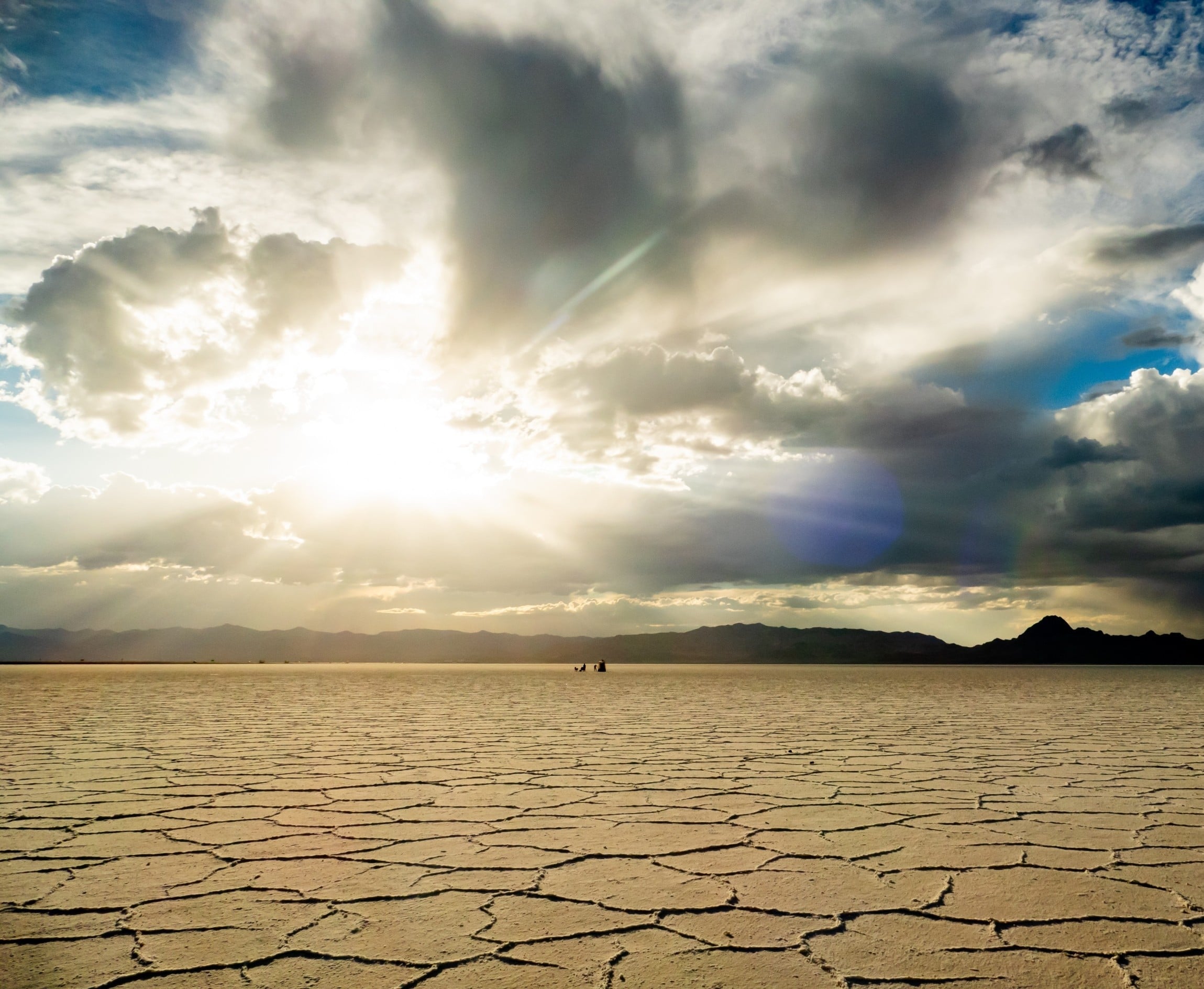
A study shows that Earth's reflectivity has declined over 20 years, with the northern hemisphere experiencing a net loss of solar energy due to reduced snow and ice cover and fewer aerosols, while the southern hemisphere's reflectivity has increased due to natural aerosol events, impacting climate dynamics.

Can Closing the Toilet Lid Reduce Disease Transmission?

Originally Published 1 year ago — by The Mainichi

Featured image for Can Closing the Toilet Lid Reduce Disease Transmission?
Source: The Mainichi

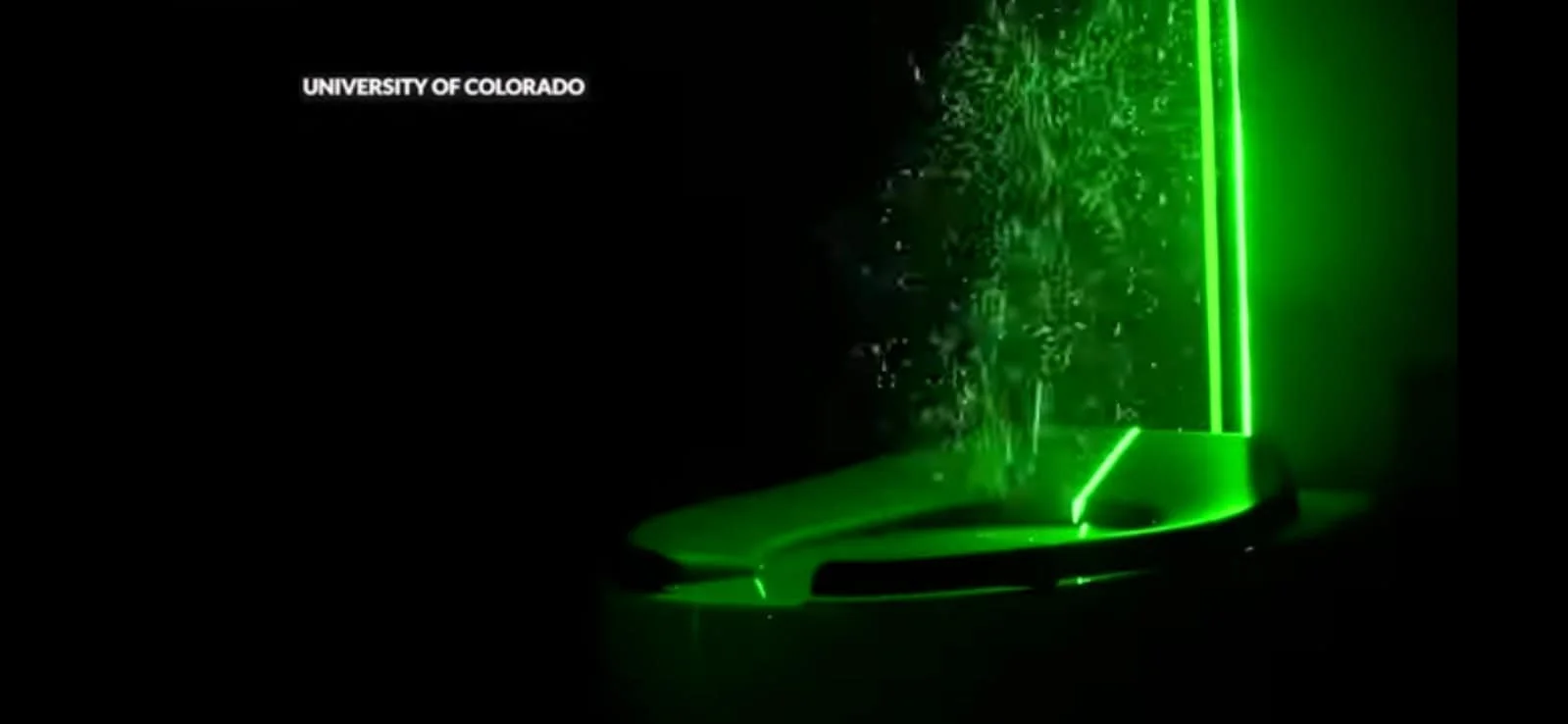
A Japanese research team led by Takashi Fukuda at the National Institute of Advanced Industrial Science and Technology conducted a study to assess the effectiveness of closing toilet lids in preventing disease spread. Using a water-saving Japanese toilet, they found that closing the lid reduced aerosol generation to a quarter of that with the lid open, though some particles still escaped. Virus samples placed in the bowl showed minimal risk of infection from surfaces like toilet seats or walls. The team recommends closing the lid, standing 15 cm away when flushing, and cleaning nearby walls regularly.

Oceans' Sulfur Emissions Play Key Role in Climate Cooling

Originally Published 1 year ago — by Phys.org

Featured image for Oceans' Sulfur Emissions Play Key Role in Climate Cooling
Source: Phys.org

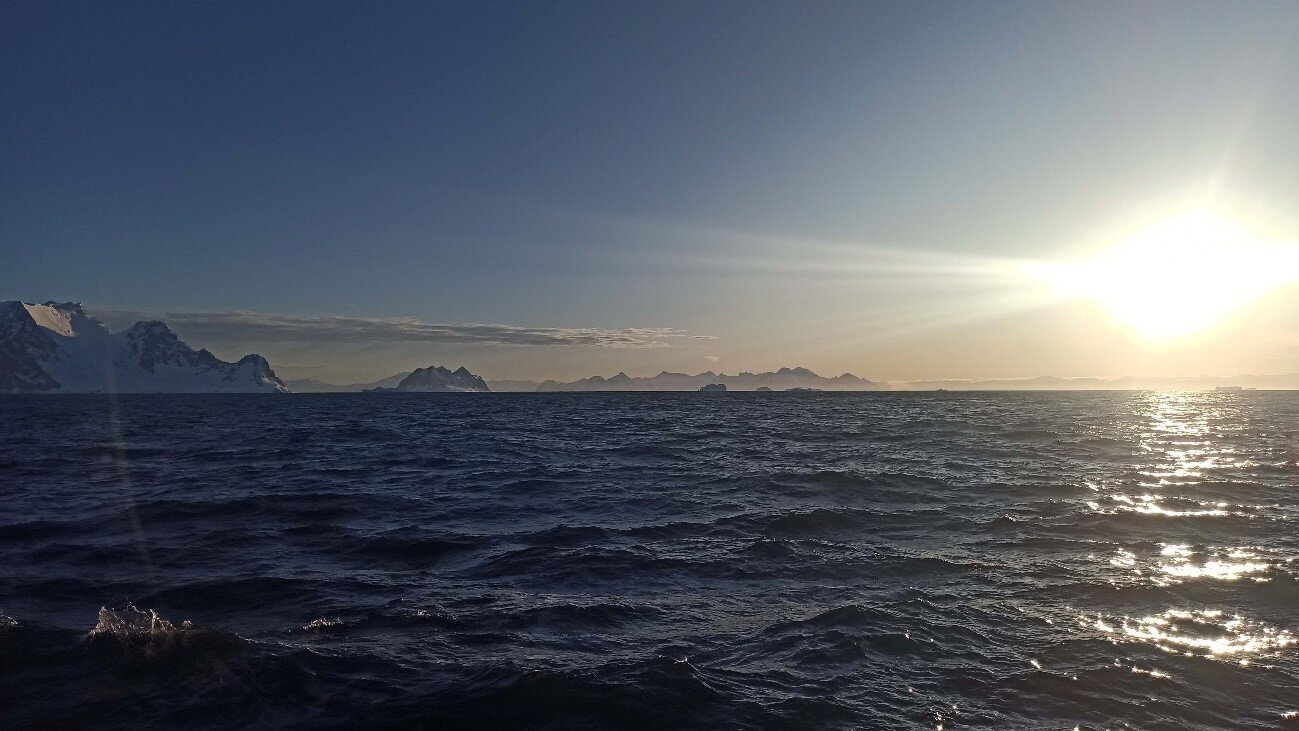
Researchers have quantified global emissions of methanethiol, a sulfur gas from marine life, revealing it cools the climate more than previously thought, especially over the Southern Ocean. This discovery, led by scientists from ICM-CSIC and IQF-CSIC, highlights the significant role of sulfur aerosols in climate regulation and improves climate models by addressing a gap in understanding the cooling effects of oceanic emissions. The study suggests that methanethiol emissions increase known marine sulfur emissions by 25%, enhancing the accuracy of climate predictions.

"NASA's PACE Mission: Observing Earth's Invisible Universe from Space"

Originally Published 1 year ago — by The Verge

Featured image for "NASA's PACE Mission: Observing Earth's Invisible Universe from Space"
Source: The Verge

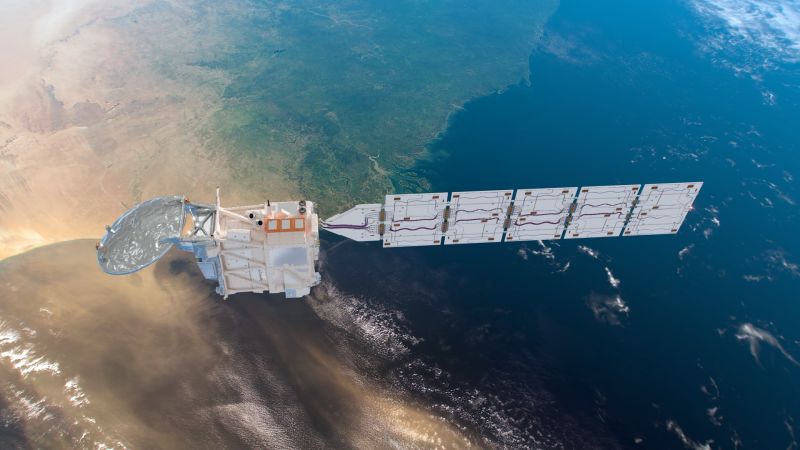
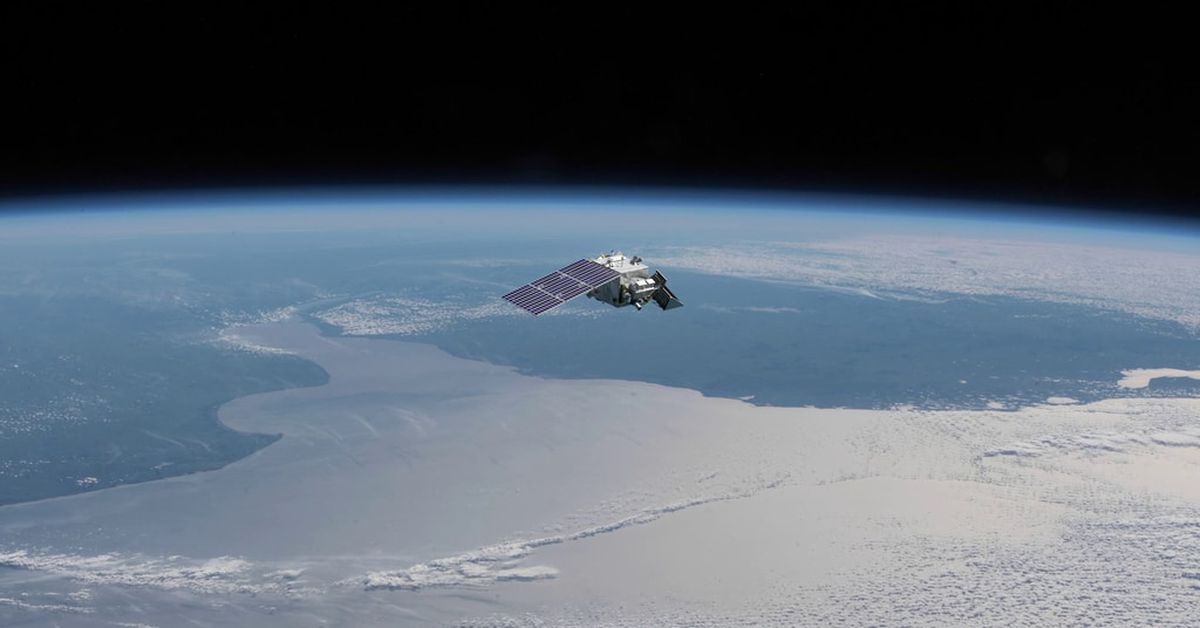
NASA has launched the PACE mission to study microscopic plankton and aerosols from space, aiming to understand their impact on the planet's climate. The mission will use advanced instruments to observe phytoplankton and aerosols, which play crucial roles in ocean ecosystems and atmospheric processes. The data collected will enhance knowledge of the ocean's influence on the climate cycle and aid in improving climate models. Additionally, the research may support potential strategies for carbon dioxide absorption and address concerns related to geoengineering.

Study predicts rise in extreme weather events by 2050 due to carbon neutrality

Originally Published 2 years ago — by Phys.org

Featured image for Study predicts rise in extreme weather events by 2050 due to carbon neutrality
Source: Phys.org

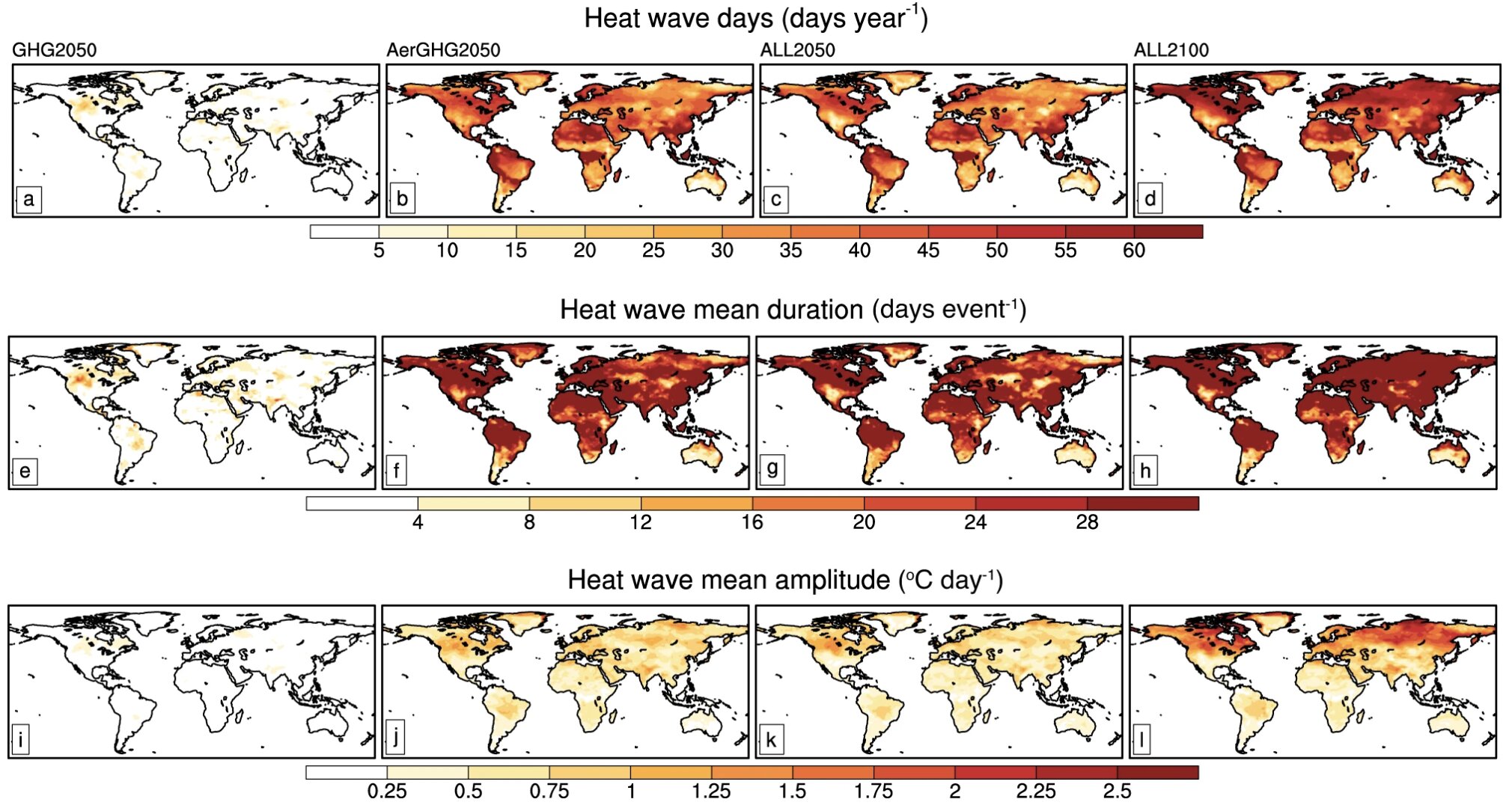
A study published in Nature Communications warns that achieving carbon neutrality by 2050 may lead to an increase in extreme weather events by that same year. The research highlights the negative impact of declining atmospheric aerosols on global climate, exacerbating the occurrence of extreme weather more than changes in greenhouse gases or the tropospheric ozone layer. The study emphasizes the need to find sustainable solutions to reduce greenhouse gas emissions and associated pollutants to mitigate the environmental, economic, and social impacts of global warming.

Space Debris: A Silent Threat to Earth's Atmosphere

Originally Published 2 years ago — by Livescience.com

Featured image for Space Debris: A Silent Threat to Earth's Atmosphere
Source: Livescience.com

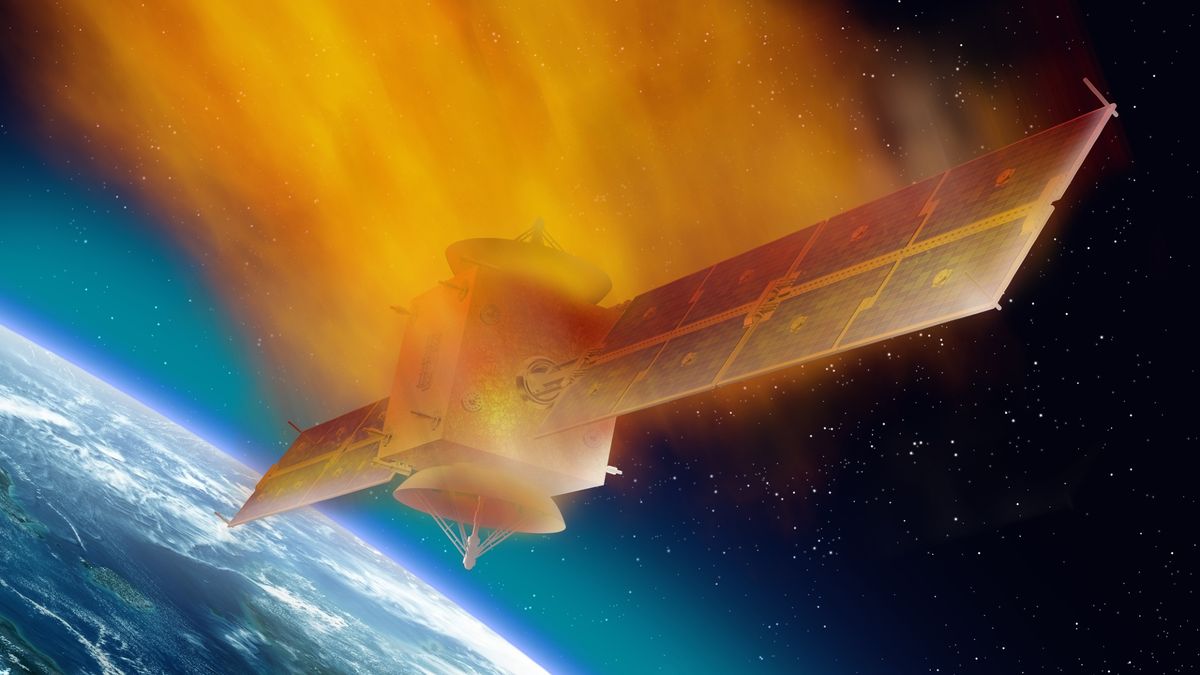
A new study reveals that the Earth's upper atmosphere is being contaminated by metal pollution from space junk that burns up upon reentry. This unexpected level of contamination, which is expected to increase in the future, could have unknown effects on our planet's atmosphere. Researchers discovered high levels of metallic elements, including rare earth metals used in technological components, in the stratosphere. The main source of pollution is believed to be rocket boosters ejected by rockets and falling satellites. The study highlights the need to understand the implications of these metals in the atmosphere.

Space Junk from Satellites and Spacecraft Pollutes Earth's Atmosphere, Study Reveals

Originally Published 2 years ago — by The Washington Post

Featured image for Space Junk from Satellites and Spacecraft Pollutes Earth's Atmosphere, Study Reveals
Source: The Washington Post

Researchers from the National Oceanic and Atmospheric Administration (NOAA) have discovered rare elements, including niobium and hafnium, in aerosol particles in Earth's stratosphere. These elements are commonly found in spacecraft manufacturing and are released as metal vapors during reentry into the atmosphere. The study suggests that the number of aerosols linked to space debris could outnumber those produced by meteors, potentially impacting cloud formation and the composition of the stratosphere. While direct health or environmental impacts are unlikely, the researchers warn that the increasing number of satellite launches could lead to a significant increase in trace metals in the stratosphere.

Unveiling the Impact of Biological Particles on Climate Calculations

Originally Published 2 years ago — by Ars Technica

Featured image for Unveiling the Impact of Biological Particles on Climate Calculations
Source: Ars Technica

Scientists at CERN have discovered that trees release a type of chemical called sesquiterpenes, which are more effective than expected in seeding clouds. This finding suggests that trees play a significant role in cloud formation and could help refine estimates of the atmosphere before industrialization. The research highlights the need to better understand the composition of a "pristine" atmosphere and may require adjustments to climate models.

"Unveiling the Impact: Trees' Revelation Disrupts Climate Calculations, while AI Advances Hurricane Forecasting"

Originally Published 2 years ago — by Ars Technica

Featured image for "Unveiling the Impact: Trees' Revelation Disrupts Climate Calculations, while AI Advances Hurricane Forecasting"
Source: Ars Technica

Scientists at CERN have discovered that trees release a type of chemical called sesquiterpenes, which are more effective than expected in seeding clouds. This finding suggests that trees play a significant role in cloud formation and could help refine estimates of the atmosphere before industrialization. The research highlights the need to better understand the composition of a "pristine" atmosphere and may require adjustments to climate models.

Unveiling the Impact of Trees on Climate Calculations

Originally Published 2 years ago — by WIRED

Featured image for Unveiling the Impact of Trees on Climate Calculations
Source: WIRED

Scientists at CERN have discovered that trees release a type of chemical called sesquiterpenes, which are more effective than expected at seeding clouds. This finding suggests that trees play a significant role in cloud formation and could help refine estimates of the atmosphere before industrialization. The research also raises questions about the accuracy of climate models, as it may have underestimated the prevalence of natural aerosols from trees and plants. Understanding how trees contribute to cloud formation is crucial for predicting future climate changes and developing effective mitigation strategies. However, incorporating the physics of tree aerosols into climate models poses computational challenges. Further research is needed to investigate the interaction between anthropogenic emissions and tree aerosols in cloud formation.

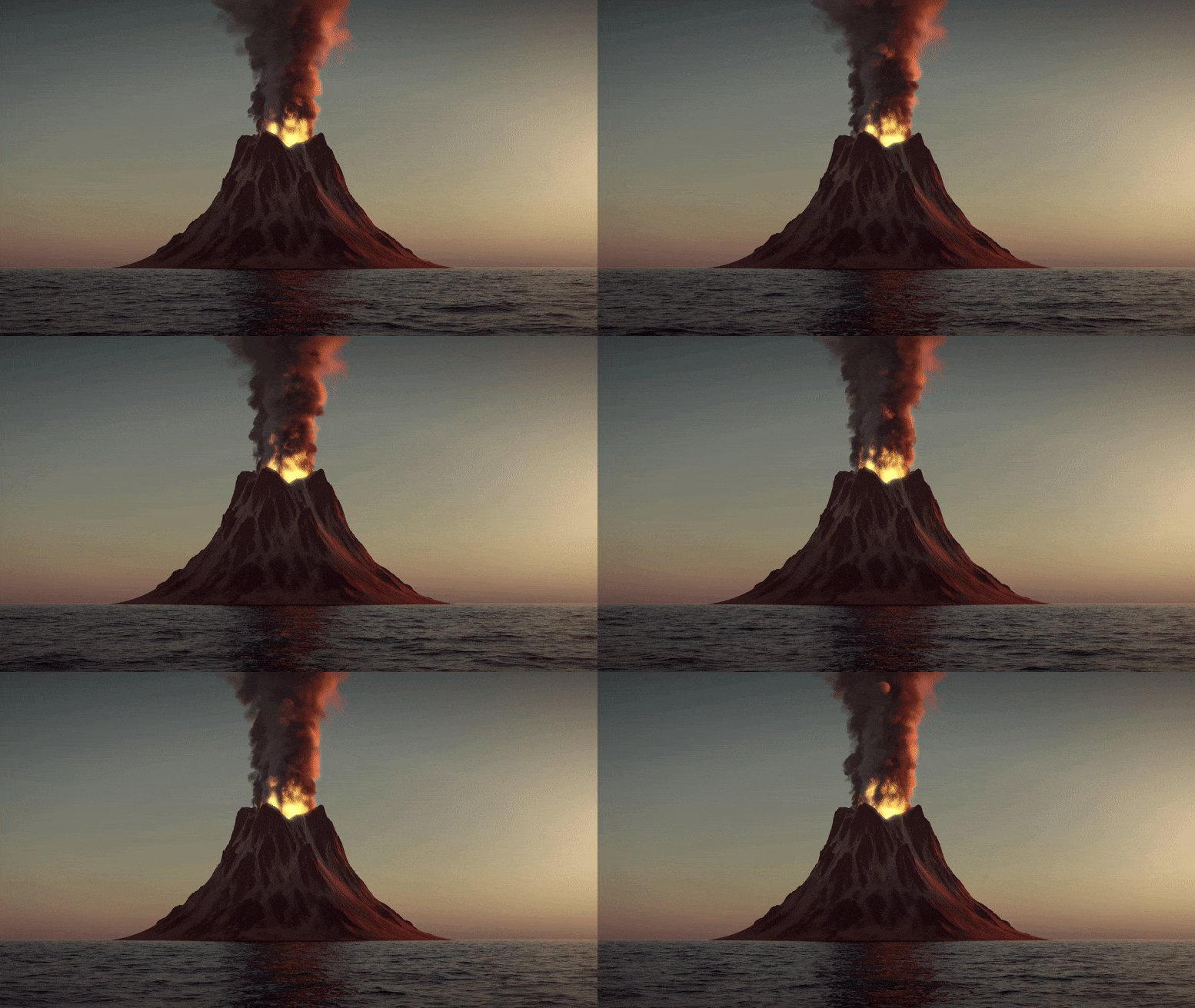
Volcanic Eruptions Have Greater Impact on Climate Than Previously Thought, Cambridge Study Finds

Originally Published 2 years ago — by SciTechDaily

Featured image for Volcanic Eruptions Have Greater Impact on Climate Than Previously Thought, Cambridge Study Finds
Source: SciTechDaily

A study led by the University of Cambridge suggests that the cooling effect of volcanic eruptions on Earth’s surface temperature is likely underestimated in standard climate projections, possibly by up to four times. The researchers discovered that small-magnitude eruptions, which occur more frequently than large ones, contribute significantly to volcanic cooling effects by emitting sulphur gases into the atmosphere, highlighting the need for improved representation of all volcanic activities in climate modeling. Although the cooling effect of volcanoes is being underestimated in climate projections, the researchers stress that it does not compare with human-generated carbon emissions.

The Underestimated Impact of Volcanic Eruptions on Earth's Climate.

Originally Published 2 years ago — by Phys.org

Featured image for The Underestimated Impact of Volcanic Eruptions on Earth's Climate.
Source: Phys.org

The cooling effect of volcanic eruptions on Earth's surface temperature is likely underestimated by a factor of two to four in standard climate projections, according to a study led by the University of Cambridge. Small-magnitude eruptions are responsible for as much as half of all sulfur gases emitted into the upper atmosphere by volcanoes. The researchers generated 1,000 different scenarios of future volcanic activity and found that the impacts of volcanic eruptions on climate, including global surface temperature, sea level, and sea ice extent, are underestimated because current climate projections largely overlook the effects of small-magnitude eruptions.

The Risks of Skydiving Through Clouds.

Originally Published 2 years ago — by Livescience.com

Featured image for The Risks of Skydiving Through Clouds.
Source: Livescience.com

Skydiving through clouds can result in varying experiences depending on the cloud type, protective gear, and weather conditions. Stratus and cumulus clouds are the most likely types to be encountered, and passing through them can leave skydivers soaking wet, freezing, or even unconscious. Thunderstorms pose the greatest danger, with warm air rising at speeds of over 100 mph and lightning strikes occurring frequently. Only two people are known to have survived such a trip through a lightning storm-bearing cloud.