Scientists propose a climate intervention strategy to reduce water vapor in the stratosphere by injecting it with ice-forming nuclei, aiming to allow more heat to escape into space. The idea, described in a study published in Science Advances, targets a small amount of water vapor to mitigate the greenhouse effect. While models suggest the idea can work, technical challenges remain in implementing the strategy, and further research is needed to identify potential risks and unintended effects.
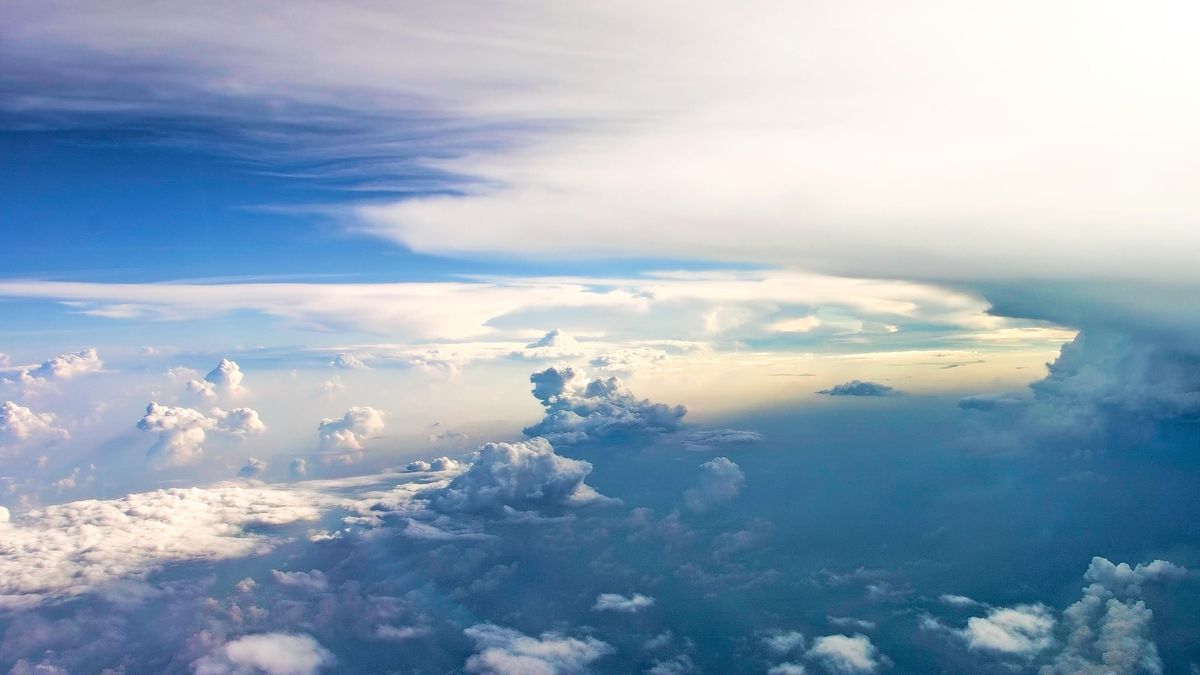
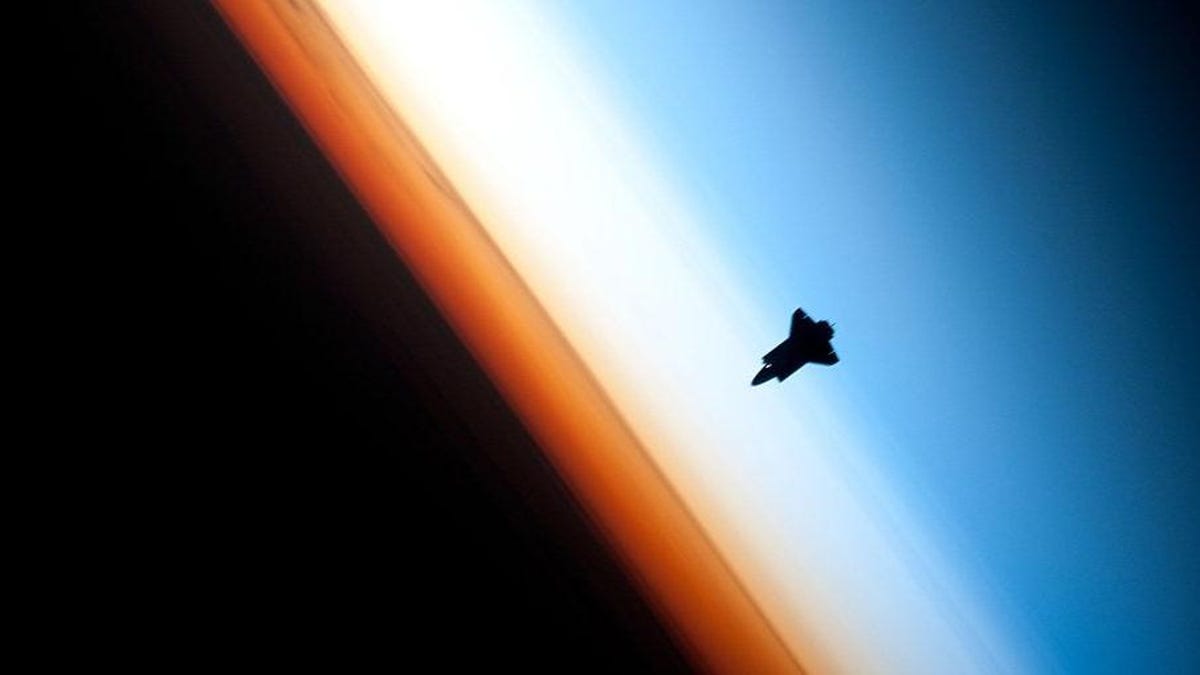
Scientists are exploring the possibility of dehydrating the stratosphere to combat climate change by preventing water vapor from forming a barrier that traps heat in the atmosphere. By targeting a specific region above Australia with ice-nucleating particles, they aim to create short-lived clouds that fall to lower altitudes, reducing water vapor in the stratosphere. This approach could potentially offset a fraction of climate change-induced warming, but the details and potential side effects of the strategy remain uncertain.
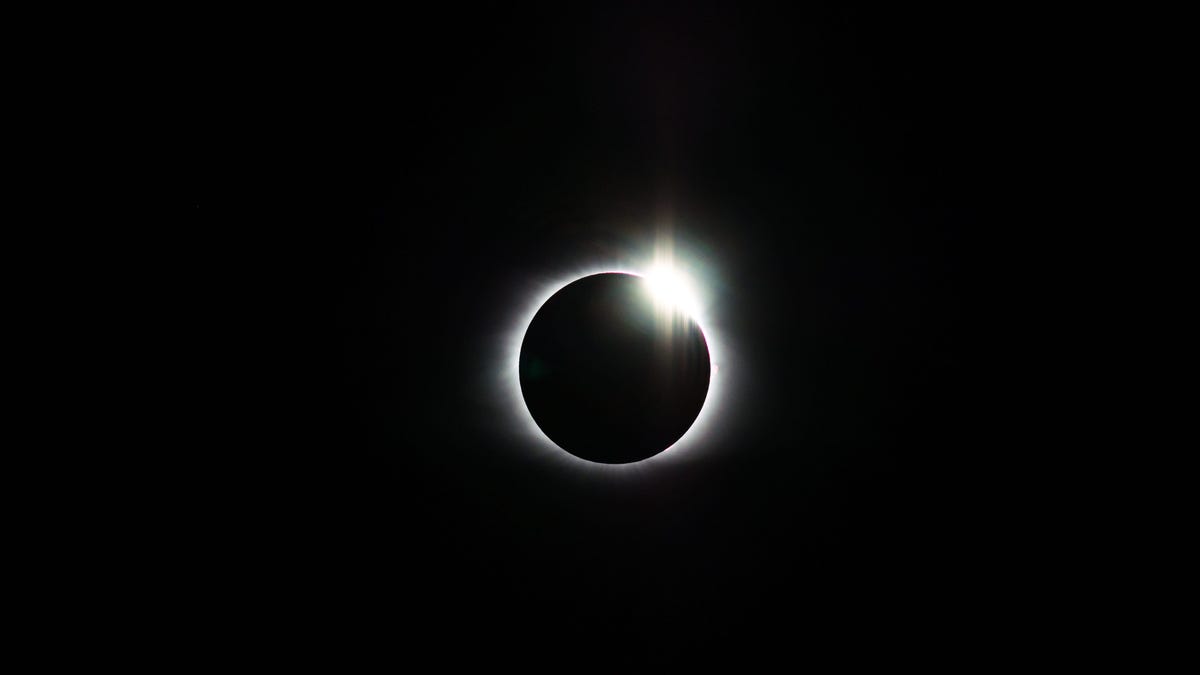
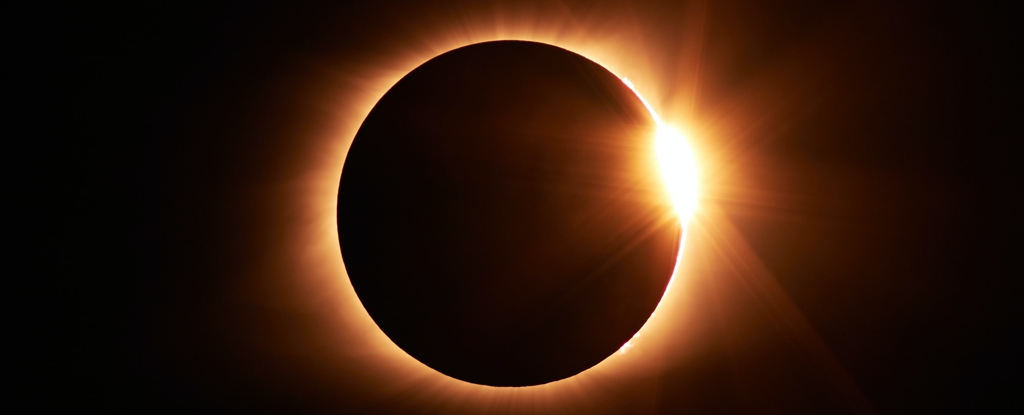
Scientists have found that cumulus clouds tend to vanish during a solar eclipse, with just 15% of the sun obscured causing their dissipation, which has implications for climate engineering efforts to mitigate global warming. The research, using a new method to recover satellite measurements during eclipses, suggests that blocking sunlight could affect weather patterns and precipitation, potentially undermining the intended effect of climate engineering. This finding calls for further research into the phenomenon as strategies to artificially cool a warming planet are being proposed.
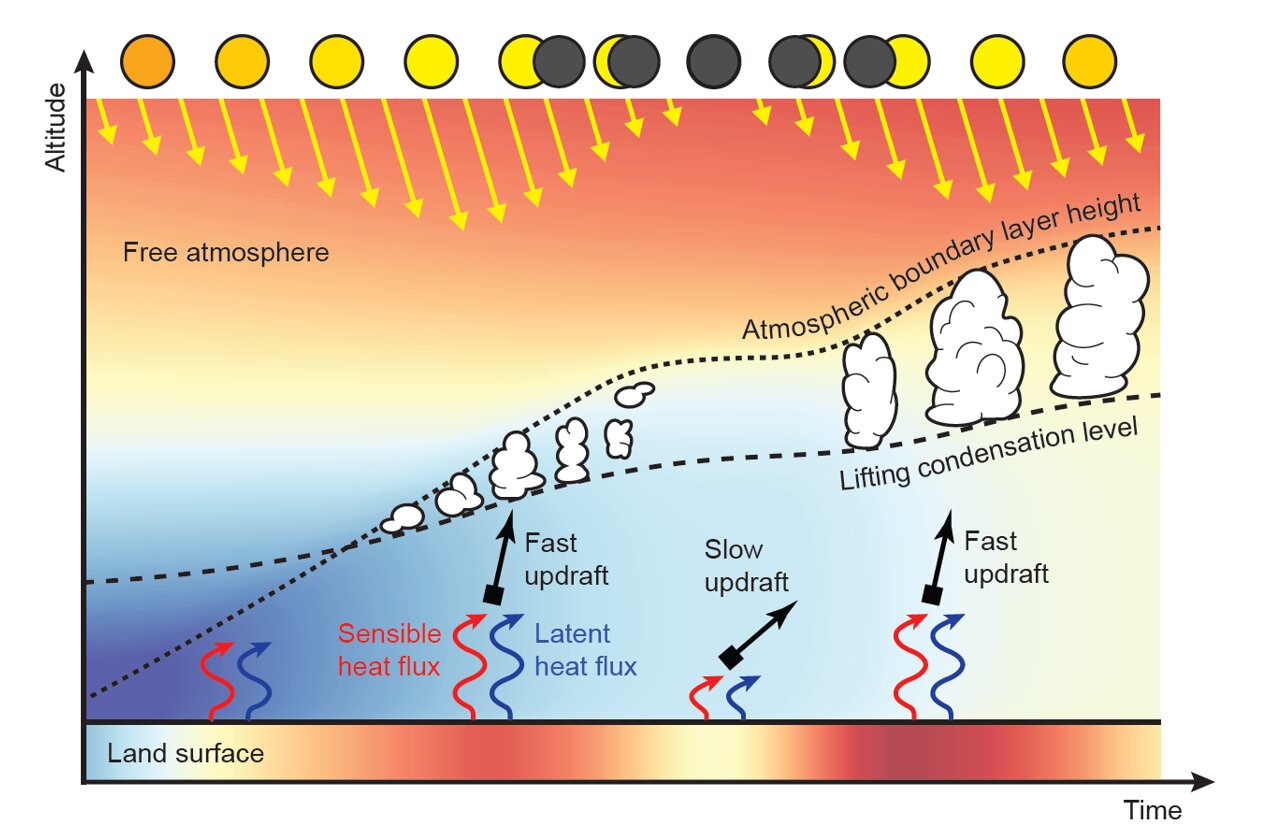
Researchers have discovered that during a solar eclipse, shallow cumulus clouds over land dissipate rapidly when just 15 percent of the Sun is obscured by the Moon, due to the cooling effect on the surface reducing warm air updrafts necessary for cloud formation. This finding has implications for climate engineering, as blocking sunlight could have detrimental effects on weather patterns, opposing the intended cooling effect. The study suggests the need for further investigation into the impact of solar dimming on cloud behavior and weather patterns.
A study has found that cumulus clouds over land start to disappear almost instantly during a partial solar eclipse, with new cumulus clouds often forming once the eclipse is over. Satellite measurements during eclipses were previously unreliable, resulting in dark spots in cloud maps, but researchers have now developed a method to recover these measurements. The study's findings have implications for climate engineering, as disappearing clouds can oppose the cooling effect of artificial solar eclipses, potentially affecting local precipitation patterns.