Tag

Stem Cells

All articles tagged with #stem cells

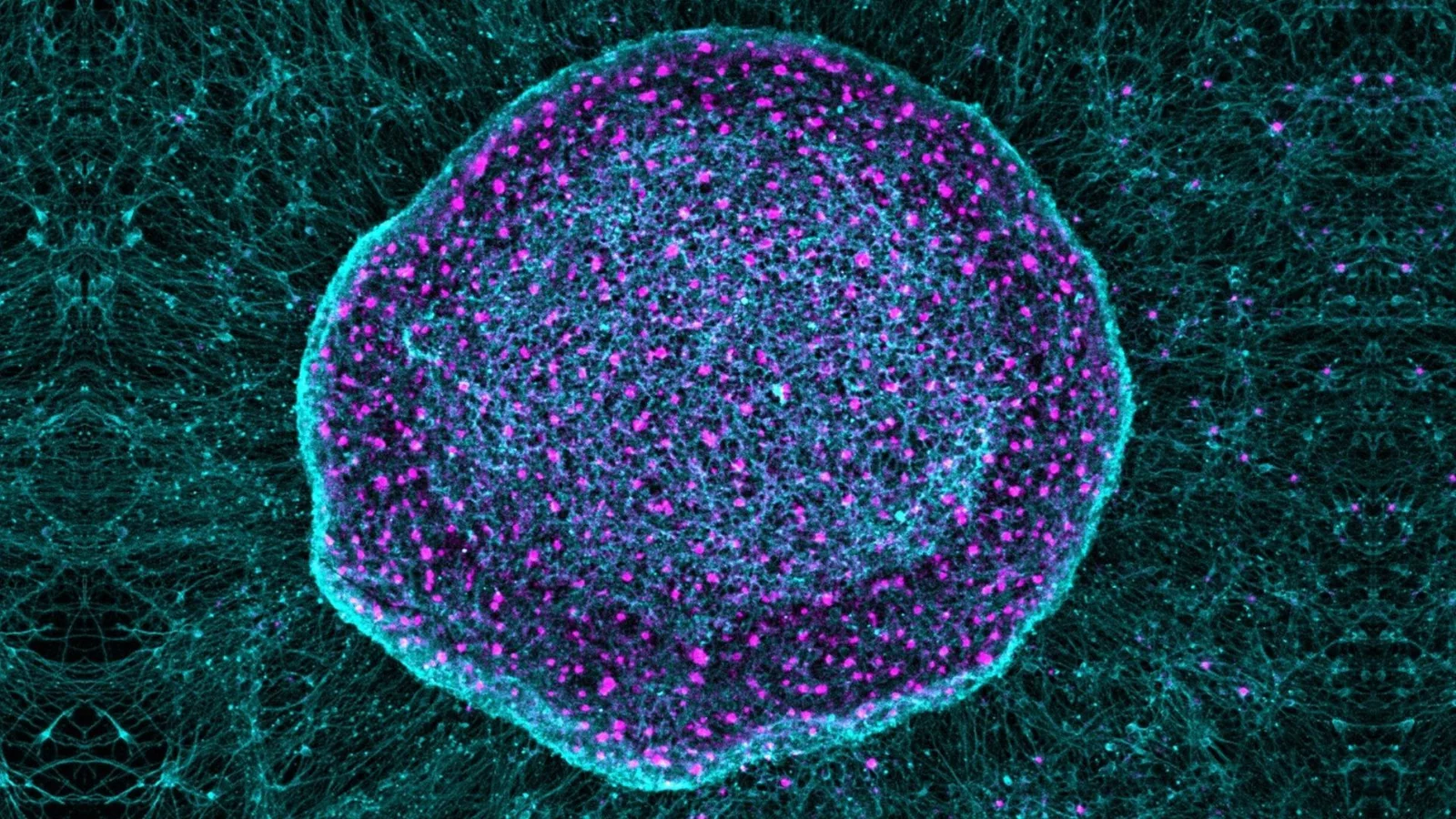
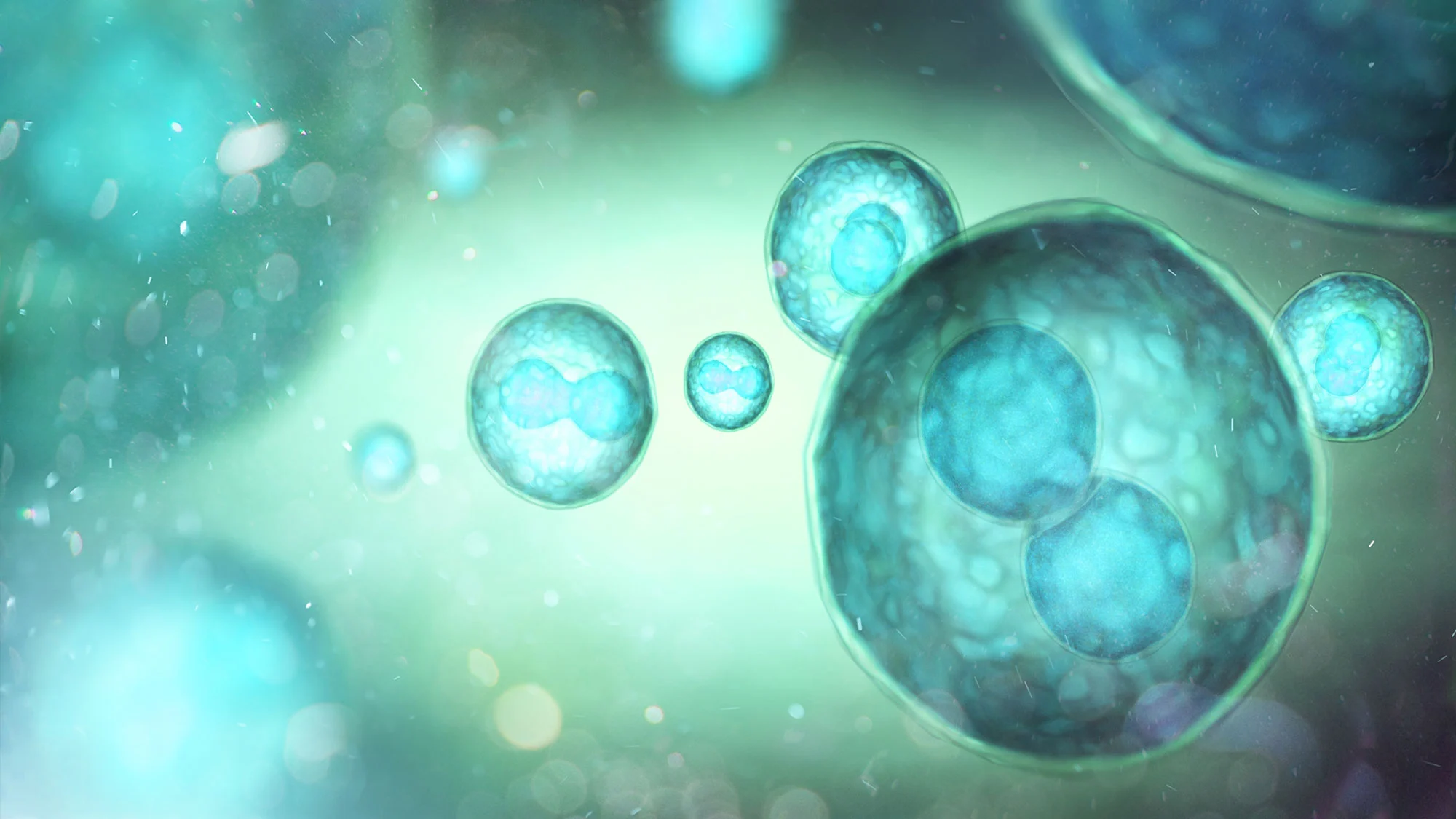
Scientists Develop Method to Mass-Produce Cancer-Fighting Natural Killer Cells

Originally Published 9 days ago — by SciTechDaily

Featured image for Scientists Develop Method to Mass-Produce Cancer-Fighting Natural Killer Cells
Source: SciTechDaily

Chinese researchers have developed a new scalable and cost-effective method to produce engineered natural killer cells from cord blood stem cells, enhancing cancer immunotherapy potential by improving efficiency and reducing costs, with successful tumor-killing activity demonstrated in preclinical models.

Study Reveals Potential Link Between Grey Hair and Cancer

Originally Published 12 days ago — by tyla.com

Featured image for Study Reveals Potential Link Between Grey Hair and Cancer
Source: tyla.com

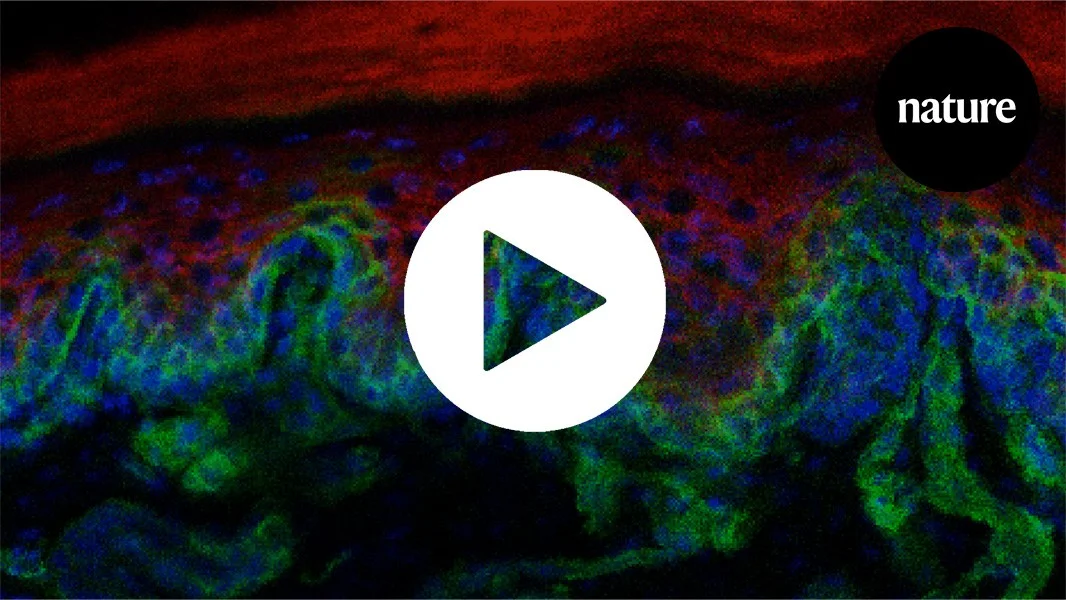
A new study suggests a link between grey hair and cancer risk, indicating that the process of hair greying, driven by stress and DNA damage in melanocyte stem cells, may be a protective response to prevent harmful mutations that could lead to cancer, although bypassing this mechanism might increase melanoma risk.

Gray Hair May Offer Unexpected Cancer Protection, Study Finds

Originally Published 2 months ago — by StudyFinds

Featured image for Gray Hair May Offer Unexpected Cancer Protection, Study Finds
Source: StudyFinds

Research suggests that gray hair in mice indicates a natural process of eliminating DNA-damaged cells, which may protect against cancer, though carcinogens can hijack this system to promote cell survival and potentially lead to melanoma; similar mechanisms may exist in humans, highlighting a complex relationship between aging, hair graying, and cancer risk.

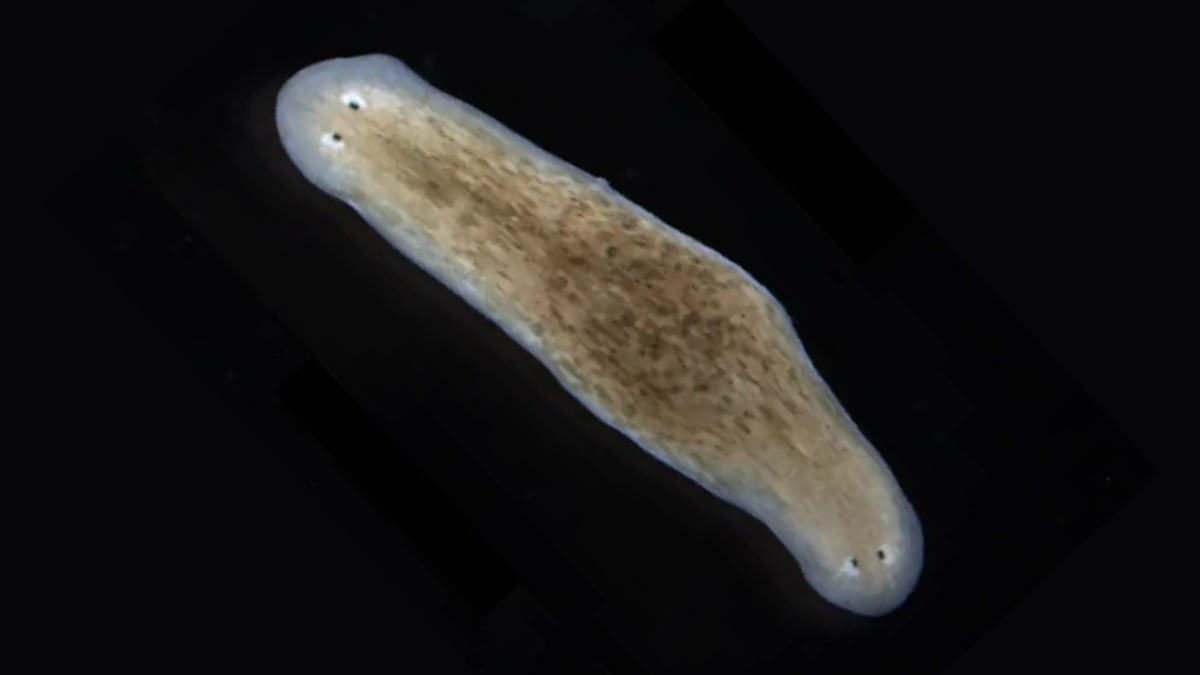
Two-Headed Flatworms Generate Unusual Offspring, Scientists Find

Originally Published 2 months ago — by ScienceAlert

Featured image for Two-Headed Flatworms Generate Unusual Offspring, Scientists Find
Source: ScienceAlert

Scientists discovered that certain flatworms can naturally develop two heads and reverse their body axis without impairing their survival or reproduction, thanks to their remarkable regenerative abilities and pluripotent stem cells, revealing extreme physiological flexibility.

Gray Hair Might Signal Natural Cancer Defense, Study Finds

Originally Published 2 months ago — by Science Daily

Featured image for Gray Hair Might Signal Natural Cancer Defense, Study Finds
Source: Science Daily

Scientists have discovered that DNA damage in melanocyte stem cells can lead to hair graying through senescence, but in the presence of carcinogens, these cells avoid this process and expand, increasing cancer risk. The study links the biological pathways of aging, hair color change, and cancer development, highlighting how stem cell stress responses can diverge into either protective exhaustion or dangerous expansion, with implications for understanding melanoma and aging.

Scientists Accelerate Lab-Grown Human Teeth Development

Originally Published 2 months ago — by Yahoo News New Zealand

Featured image for Scientists Accelerate Lab-Grown Human Teeth Development
Source: Yahoo News New Zealand

Researchers at King's College London have made significant progress in growing lab-based human teeth using innovative scaffolds and cell interactions, aiming to develop biological replacements that could be more natural and accepted by the body than current implants. While challenges remain, this research paves the way for future dental treatments that could fully regenerate teeth from a patient's own cells within the next decade.

Gray Hair May Offer Unexpected Health Benefits

Originally Published 2 months ago — by IFLScience

Featured image for Gray Hair May Offer Unexpected Health Benefits
Source: IFLScience

Research suggests that hair graying may be linked to a natural defense mechanism against cancer, with stem cells in hair follicles responding to DNA damage by either differentiating and causing graying or avoiding differentiation to prevent tumor formation, based on a mouse study. However, further research is needed to understand implications for humans.