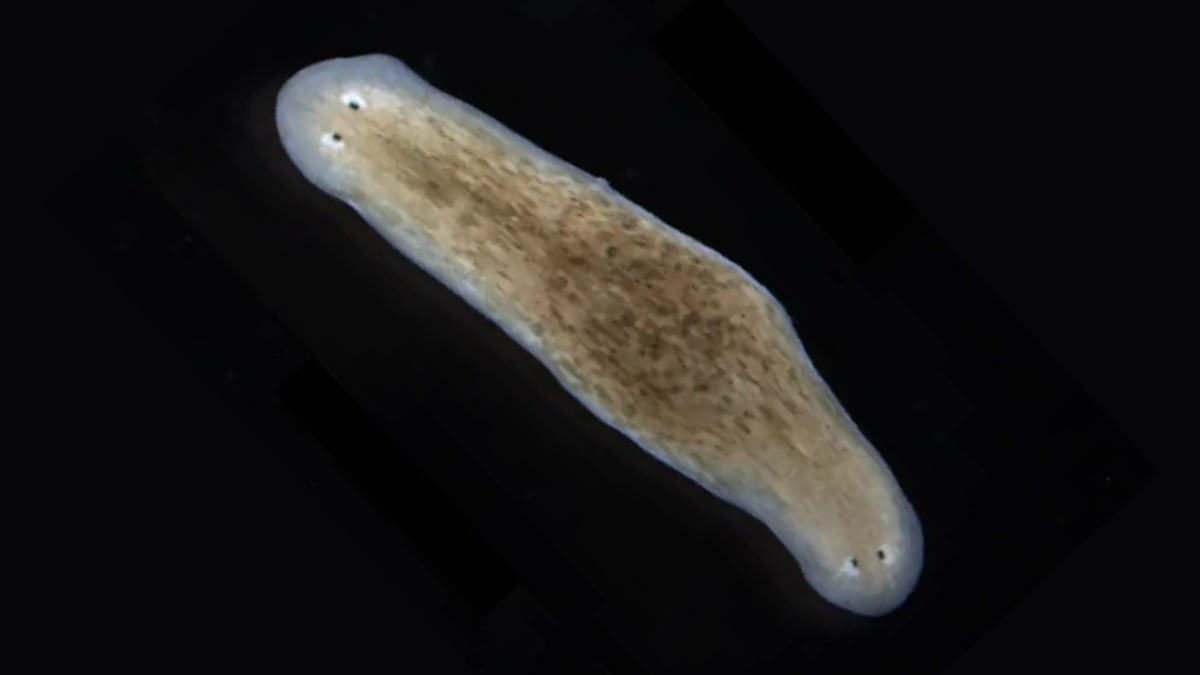
Scientists discovered that certain flatworms can naturally develop two heads and reverse their body axis without impairing their survival or reproduction, thanks to their remarkable regenerative abilities and pluripotent stem cells, revealing extreme physiological flexibility.
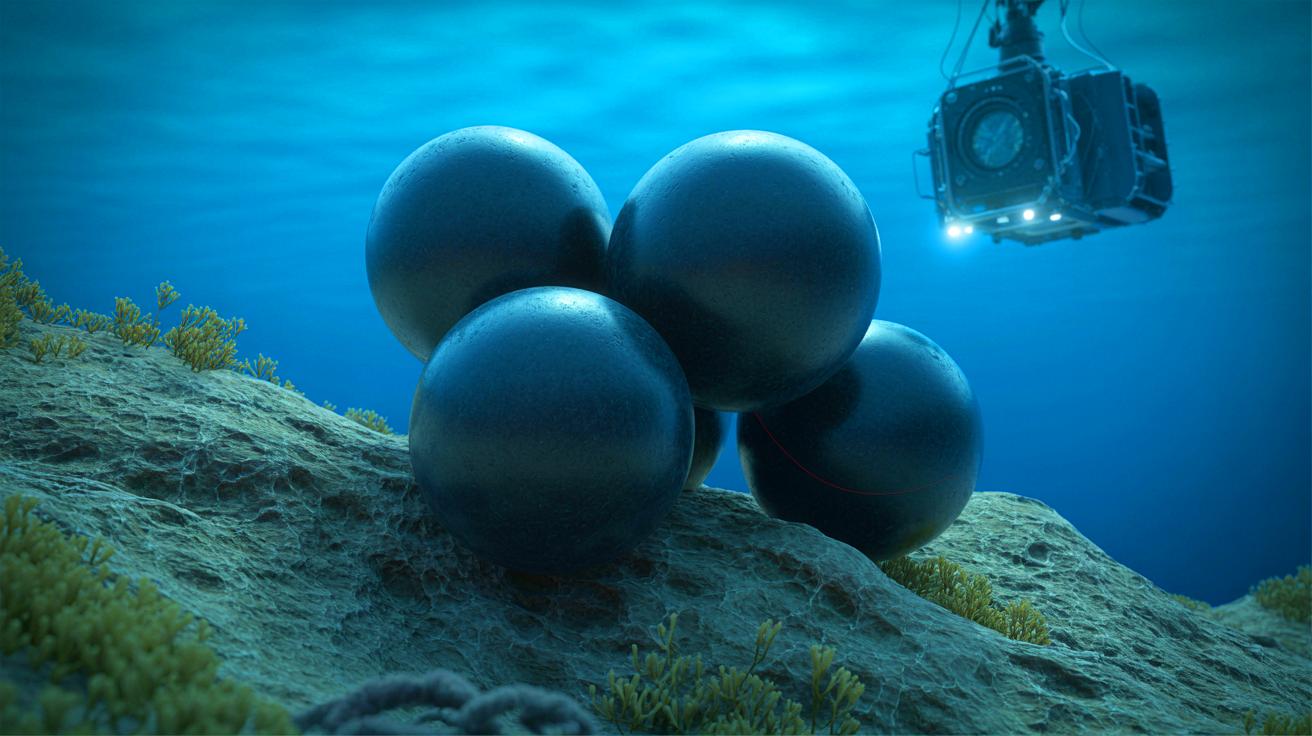
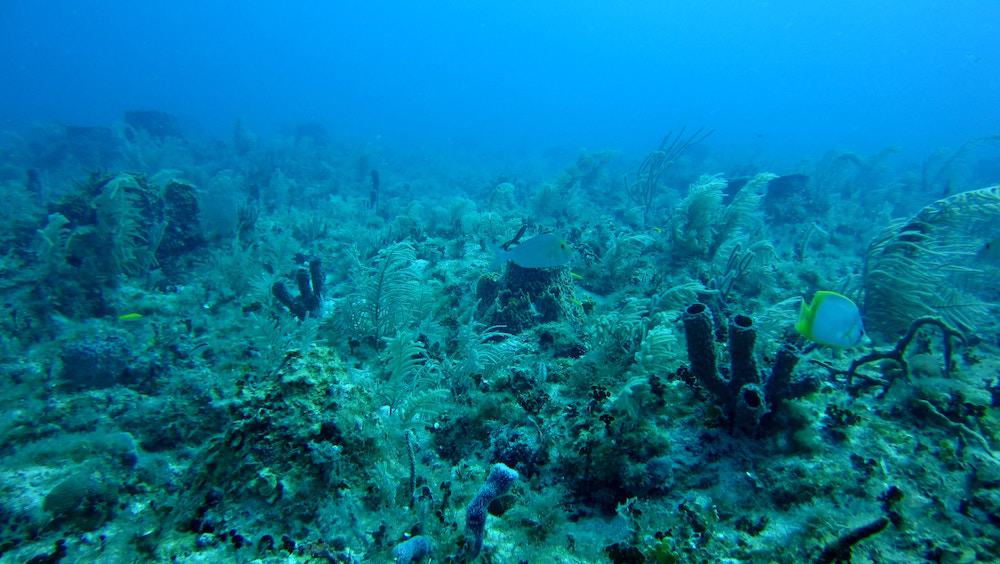
Scientists discovered the deepest known flatworm reproduction at 20,300 feet in the Kuril-Kamchatka Trench, revealing that these organisms likely descended from shallow waters and adapted to extreme conditions, highlighting the resilience and biodiversity of deep-sea life.
Scientists discovered the deepest known flatworm reproduction at over 20,000 feet in the Pacific Ocean, revealing that simple organisms can survive and reproduce in extreme deep-sea conditions without significant evolutionary changes, highlighting the resilience and adaptability of life in Earth's harshest environments.
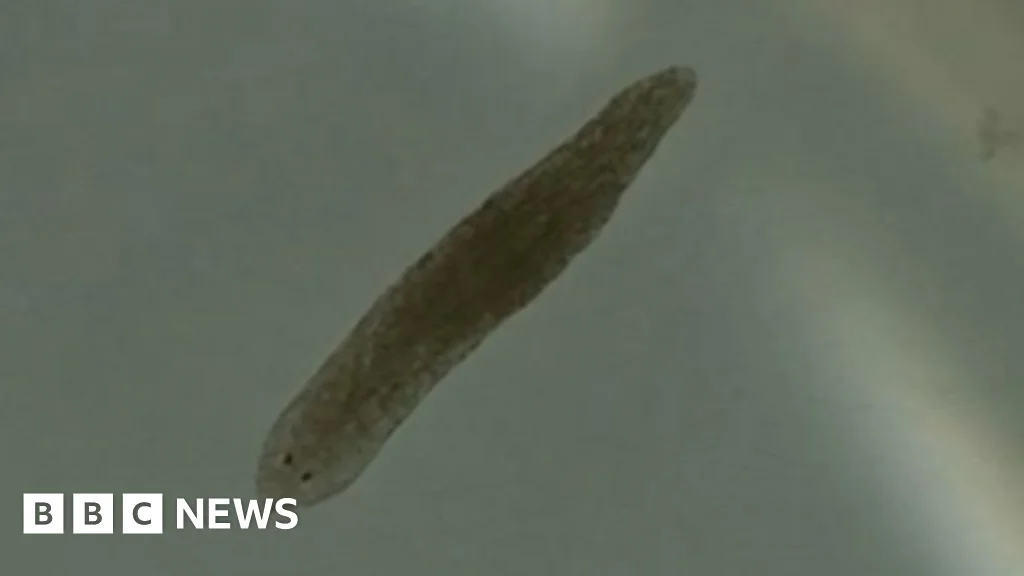
Research at the University of Reading suggests that flatworms called planaria could be used to study mental health treatments like schizophrenia, potentially replacing rodents in experiments and reducing ethical concerns, as they react to brain medicines similarly to rodents.
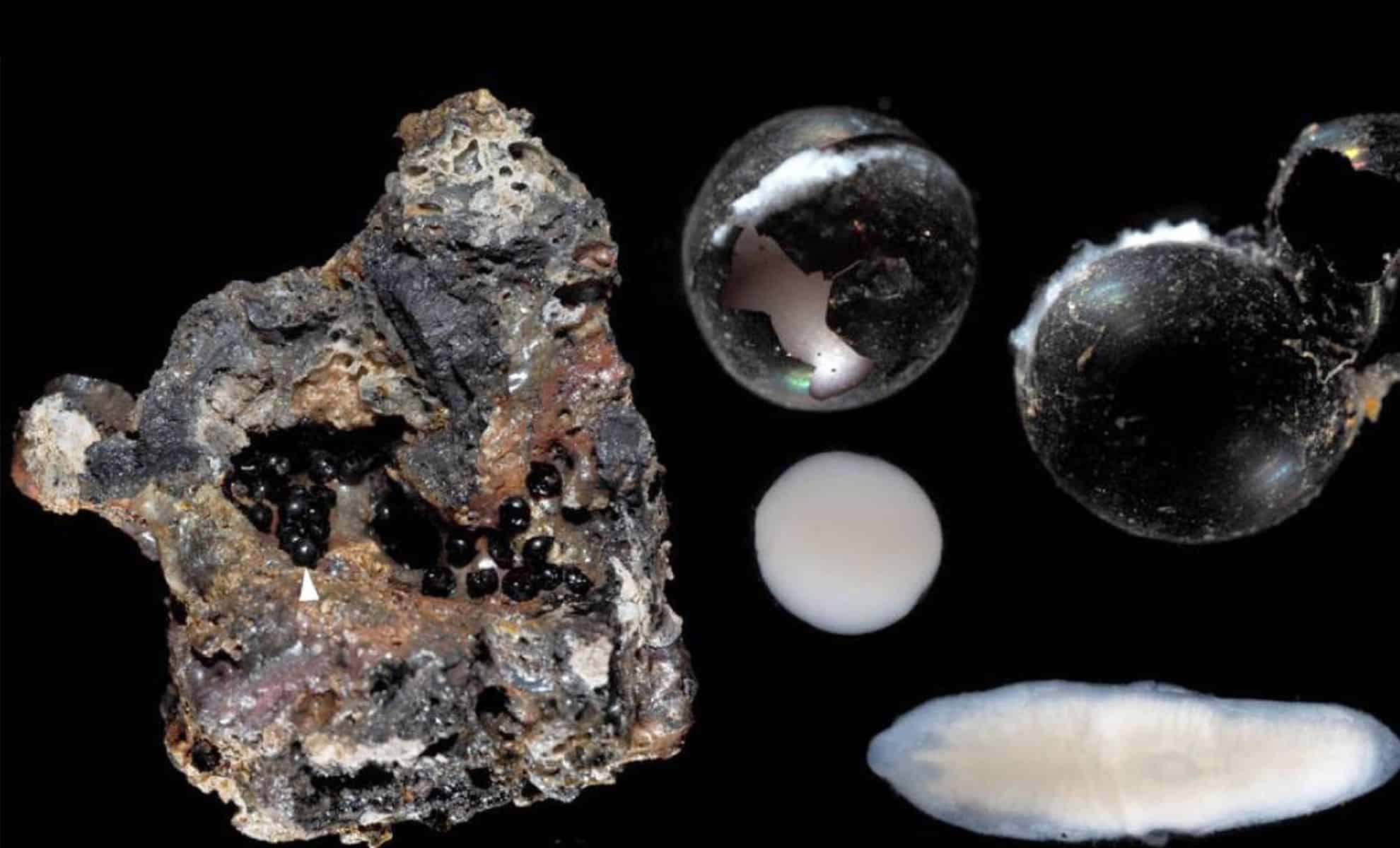
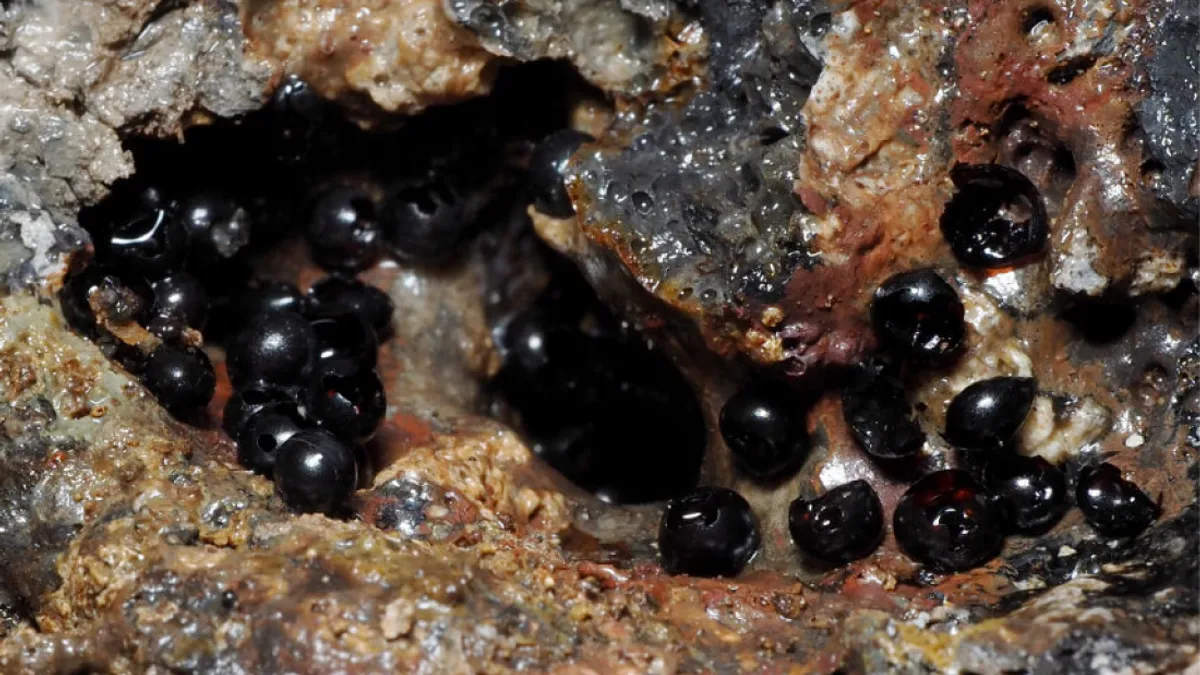
Researchers in Japan discovered mysterious black eggs, believed to be laid by flatworms, in the depths of the Kuril-Kumchatka Trench in the northwest Pacific Ocean, exceeding 20,000 feet. DNA analysis revealed flatworm embryos inside the eggs, challenging previous depth limits for the species. This discovery highlights the vast unknowns of ocean depths and the potential for countless undiscovered species.
Researchers in Japan have discovered jet black egg capsules belonging to flatworms at a depth of 20,000 feet in the Kuril-Kumchatka Trench, marking the first clear evidence of these creatures living at such extreme depths. The eggs, found attached to rock fragments, contained embryos at varying stages of development and were virtually indistinguishable from their surface-dwelling counterparts. This suggests that flatworms from shallow waters may have gradually colonized deep ocean environments over time.