Tag

Osteoarthritis

All articles tagged with #osteoarthritis

Stable Shoes Help Knee OA More Than Flat Flexible Shoes; Hip OA Results Remain Mixed
health2 days ago

Stable Shoes Help Knee OA More Than Flat Flexible Shoes; Hip OA Results Remain Mixed

Two clinical trials show knee osteoarthritis patients benefit more from stable, supportive shoes, reducing walking pain by about 63% over six months compared with flat flexible shoes; flat flexible footwear may lower knee forces but can increase foot pain and did not outperform stability for hip OA. For hip OA, neither shoe type clearly improves hip pain. Older adults should avoid ill-fitting or high heels due to fall risk, while younger individuals not at fall risk should also avoid high heels to minimize joint forces. Consult a healthcare professional for personalized footwear advice and combine choices with exercise and weight management.
Exercise Eases OA Pain, but Benefits Depend on Type and Consistency
health6 days ago

Exercise Eases OA Pain, but Benefits Depend on Type and Consistency

An umbrella review of systematic reviews finds that exercise provides small pain relief for osteoarthritis (about 6–12 points on a 100-point scale) vs no treatment or placebo, with little consistent improvement in function. For knee/hip OA, exercise can match NSAIDs and corticosteroid injections for pain reduction (roughly 5–10%), but total joint replacement generally offers greater relief. Limitations include lumping all exercise types together, not differentiating supervised vs unsupervised programs, short study durations (~12 weeks), and not accounting for exercise dose. Despite these caveats, any sustainable exercise (e.g., walking or resistance training) offers broader health benefits and should be pursued as a long-term, individualized plan.

Osteoarthritis Exercise Benefits Are Smaller and Shorter-Lasting, Study Finds
health9 days ago

Osteoarthritis Exercise Benefits Are Smaller and Shorter-Lasting, Study Finds

A large umbrella review and data analysis find that exercise therapy for osteoarthritis provides only small, short‑term reductions in pain and function—often comparable to doing nothing in some comparisons—challenging the idea of exercise as a universal first‑line treatment. Effects are smallest for hip and hand OA and diminish further in longer-term or larger studies. While exercise offers other health benefits and may suit some patients, care should be personalized with shared decision‑making, considering alternatives and individual goals rather than universally promoting exercise as the sole first option.

Consistency Over Intensity: Exercise Eases Osteoarthritis Pain, But Benefits Vary
health11 days ago

Consistency Over Intensity: Exercise Eases Osteoarthritis Pain, But Benefits Vary

A large umbrella review of systematic reviews and new trials finds that exercise modestly reduces pain in knee, hip, and hand osteoarthritis (about 6–12 on a 100-point scale) but often does not improve function more than doing nothing or placebo; exercise can be as effective as NSAIDs for knee/hip pain and is usually less effective than total joint replacement for pain and function. Limitations include lumping all exercise types together, not distinguishing supervised vs. unsupervised training, short study durations (~12 weeks), and not accounting for total weekly dose. Despite these caveats, regular exercise likely offers meaningful pain relief and broad health benefits, with long-term adherence and a target around 150 minutes of moderate activity per week providing the greatest gains; the best approach is the activity you can maintain consistently.

Early markers could spot osteoarthritis risk in young adults before symptoms
health19 days ago

Early markers could spot osteoarthritis risk in young adults before symptoms

The article highlights that osteoarthritis is increasingly diagnosed in younger, active individuals and discusses how emerging diagnostic techniques—such as spectral fingerprinting using spectroscopy to analyze blood biomarkers—could detect risk before pain or joint damage appears. This early detection could enable preventive actions like targeted exercise, weight management, and injury prevention, potentially reducing long-term disability and healthcare costs. Current treatments focus on symptom management and may involve injections or, in severe cases, joint replacement, but early identification could shift care toward prevention and preservation of joint health.

Enzyme Inhibition Reverses Cartilage Degeneration Without Stem Cells
science24 days ago

Enzyme Inhibition Reverses Cartilage Degeneration Without Stem Cells

Scientists have shown in mice that inhibiting the aging enzyme 15-PGDH can regrow cartilage without stem cells, with treated cartilage thickening into hyaline cartilage and reprogramming existing joint cells to build tissue. Early tests on human cartilage also show reduced enzyme activity and initial matrix rebuilding, suggesting a potential, less invasive path to treating osteoarthritis, though research is in early stages.

Blocking an Aging Enzyme Sparks Cartilage Regrowth Without Stem Cells
science24 days ago

Blocking an Aging Enzyme Sparks Cartilage Regrowth Without Stem Cells

Scientists inhibited the aging-associated enzyme 15-PGDH in aged mice with cartilage damage, triggering regeneration of hyaline cartilage without stem cells and showing early repair signals in human cartilage samples; if these findings translate to humans, treatments for osteoarthritis could shift toward direct cartilage restoration rather than surgery, though safety and clinical trials are still needed.

Blocking an Aging Enzyme Reawakens Cartilage Regeneration Without Stem Cells
science27 days ago

Blocking an Aging Enzyme Reawakens Cartilage Regeneration Without Stem Cells

Researchers inhibited the aging-associated enzyme 15-PGDH in mice, thickening previously thinned cartilage and shifting local cells toward healthier cartilage formation; early tests on human osteoarthritic cartilage showed reduced enzyme activity and initial signs of matrix rebuilding, suggesting a potential upstream therapy for cartilage loss that doesn’t rely on stem cells.

Move More, Heal More: Exercise as Osteoarthritis’s First-Line Treatment
health1 month ago

Move More, Heal More: Exercise as Osteoarthritis’s First-Line Treatment

New evidence argues that exercise—not pills or surgery—is the most effective, underused treatment for osteoarthritis. Regular movement protects cartilage, strengthens muscles, and can reduce inflammation and pain, with programs like GLA:D showing lasting improvements. Yet health systems often underrefer exercise and push surgical options before non-surgical options are explored. OA is a whole-joint disease influenced by weight and metabolism, and there are no disease-modifying drugs, so an 'exercise first' approach is recommended to improve joint health and overall wellbeing.

Stem-cell derived 'pain sponge' targets pain at the source in arthritis
health1 month ago

Stem-cell derived 'pain sponge' targets pain at the source in arthritis

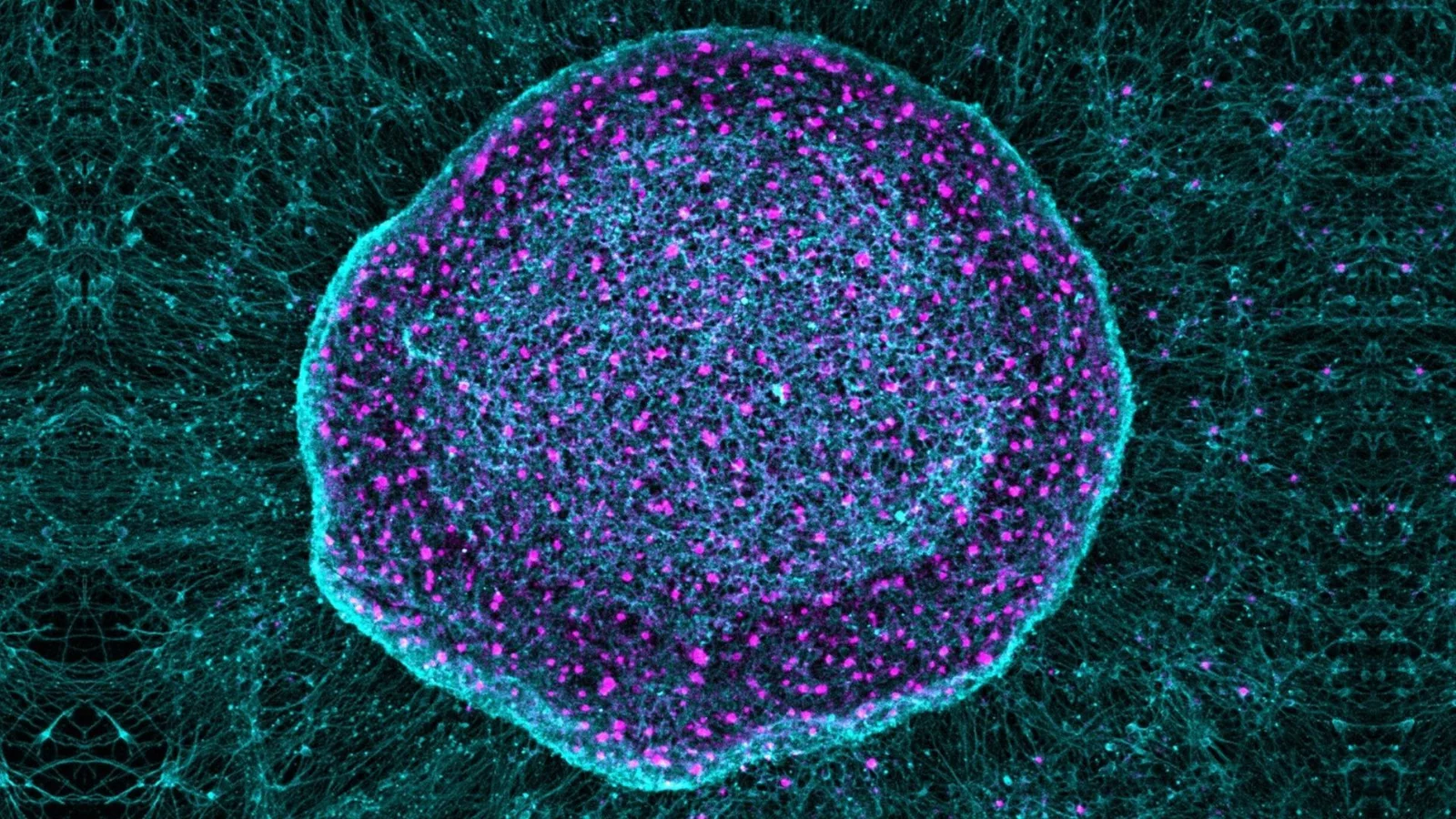
Researchers engineered human pluripotent stem cell–derived sensory neurons that act as a biological "pain sponge," soaking up inflammatory pain signals at the site of inflammation in mice with osteoarthritis and also promoting bone and cartilage repair. The SN101 approach is in preclinical stages, with safety, immune response and translation to humans unresolved and no peer‑reviewed human data yet.

Aging Enzyme Inhibitor Rebuilds Knee Cartilage, Could Change Arthritis Therapy
health1 month ago

Aging Enzyme Inhibitor Rebuilds Knee Cartilage, Could Change Arthritis Therapy

Stanford researchers showed that blocking the aging‑associated enzyme 15-PGDH with a small molecule regenerates hyaline cartilage in aged mice and prevents arthritis after ACL‑like knee injuries. The treatment also prompted cartilage regeneration in human knee tissue samples ex vivo and could be taken as a pill or injected locally; early‑phase trials in muscle weakness suggest safety and activity in humans, with potential to reduce or delay joint replacement if proven in people.

Move First, Heal Better: Exercise as the Primary Osteoarthritis Therapy
health1 month ago

Move First, Heal Better: Exercise as the Primary Osteoarthritis Therapy

Regular movement is the most effective treatment for osteoarthritis, yet many patients aren’t referred to exercise or physiotherapy; supervised programs like GLA:D improve pain and function and can provide benefits for months. There are no disease-modifying drugs, and surgery is often considered only after non-surgical options fail, while obesity and inflammation influence risk but can be countered by ongoing activity.