The article discusses the best hair coloring options for older women to cover gray hair and maintain hair health, emphasizing the importance of choosing moisturizing formulas, professional advice, and proper application techniques for a youthful, natural look.
Research suggests that gray hair in mice indicates a natural process of eliminating DNA-damaged cells, which may protect against cancer, though carcinogens can hijack this system to promote cell survival and potentially lead to melanoma; similar mechanisms may exist in humans, highlighting a complex relationship between aging, hair graying, and cancer risk.
A Japanese study suggests that gray hair may be a sign of the body's natural defense mechanism against skin cancer, specifically melanoma, by promoting the differentiation and loss of melanocyte stem cells in response to DNA damage, thereby reducing the risk of tumor development.
Scientists have discovered that DNA damage in melanocyte stem cells can lead to hair graying through senescence, but in the presence of carcinogens, these cells avoid this process and expand, increasing cancer risk. The study links the biological pathways of aging, hair color change, and cancer development, highlighting how stem cell stress responses can diverge into either protective exhaustion or dangerous expansion, with implications for understanding melanoma and aging.
Research suggests that hair graying may be linked to a natural defense mechanism against cancer, with stem cells in hair follicles responding to DNA damage by either differentiating and causing graying or avoiding differentiation to prevent tumor formation, based on a mouse study. However, further research is needed to understand implications for humans.
A study suggests that the process of hair turning gray is linked to how pigment-producing stem cells respond to stress, with damaged cells either dying off or surviving and potentially turning into melanoma, highlighting a biological trade-off between aging and cancer risk.
New research suggests that graying hair may be a biological response to DNA damage that helps protect against melanoma, with stem cells either differentiating and leading to gray hair or avoiding differentiation and increasing tumor risk, highlighting a potential natural cancer defense mechanism.
A study from the University of Tokyo suggests that gray hair may serve as a natural defense mechanism against skin cancer, with the same skin stem cells either fading hair color or risking melanoma depending on the type of damage and microenvironmental signals, highlighting a complex balance between aging, protection, and disease risk.
Certain nutrients like copper, iron, vitamin D, B12, and folate may help slow premature gray hair by supporting melanin production, but overall health practices like reducing stress and getting enough sleep are also important.
A groundbreaking study suggests that gray hair may be reversibly colored by restoring the proper movement and timing of pigment stem cells within hair follicles, potentially leading to treatments that can reverse or prevent graying by fixing cellular traffic issues, based on research in mice and applicable to humans.
Sally Field, at 78, showcased her stunning gray hair on the red carpet, exemplifying confidence and style, and continues to have an active career with upcoming film projects, all while embracing her age with pride.
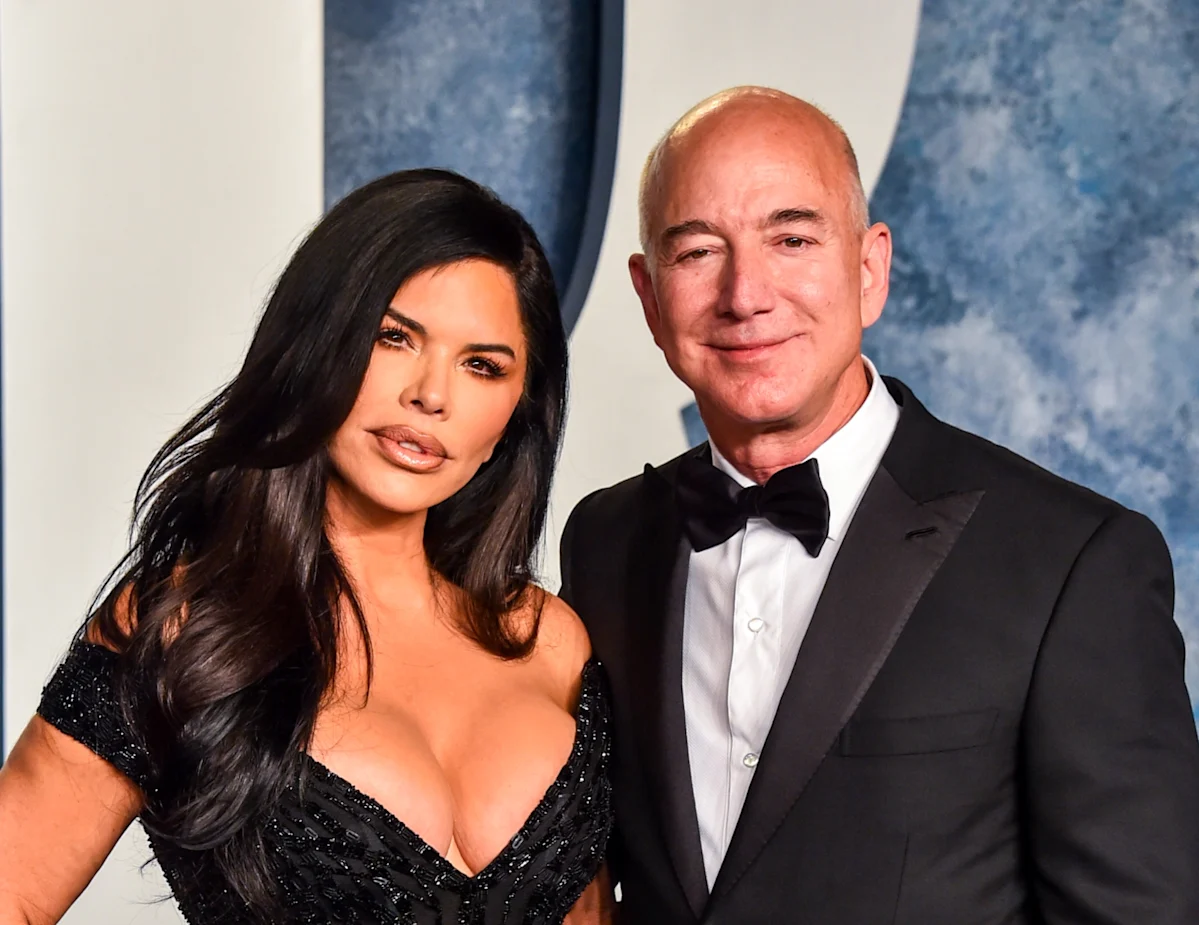
Jeff Bezos has unexpectedly changed his hairstyle from his signature bald look to embracing his natural gray hair, shortly after his controversial $50 million wedding with Lauren Sánchez, sparking curiosity about the timing and reasons behind the change.
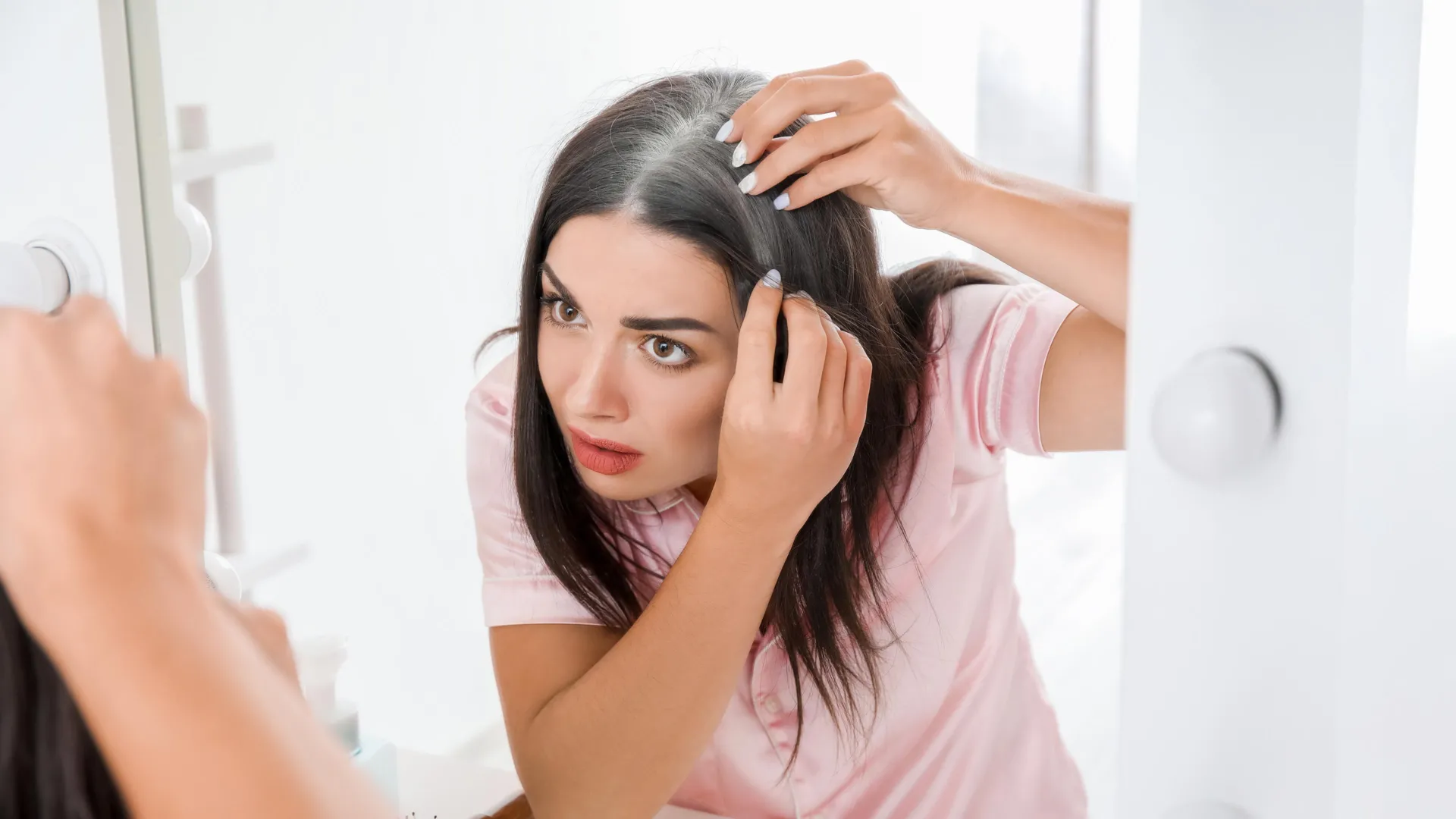
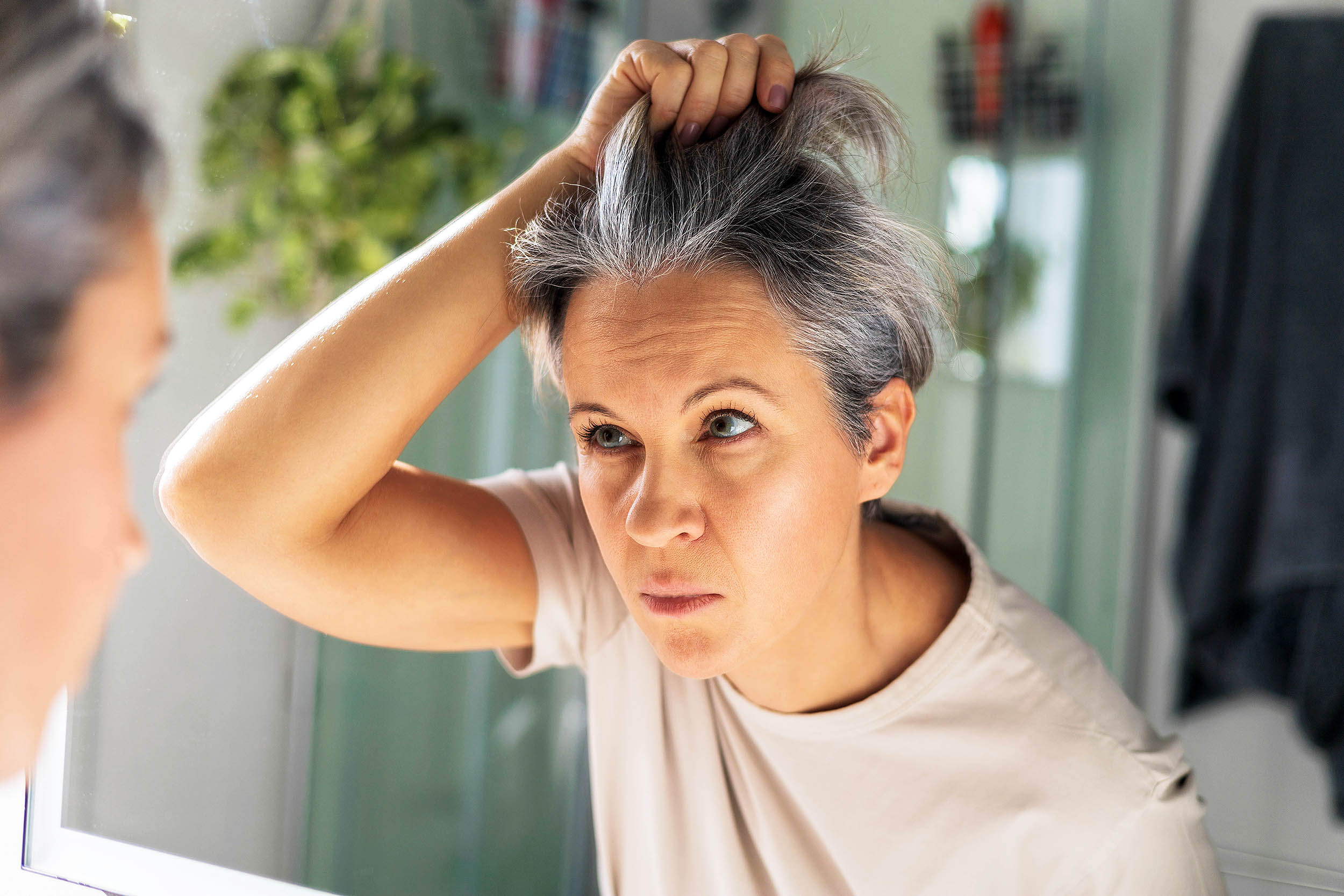
As women age past 40, their hair often becomes finer, drier, more brittle, less shiny, and may turn gray due to hormonal changes and environmental factors. Proper hair care, including hydration and gentle styling, can help manage these changes.
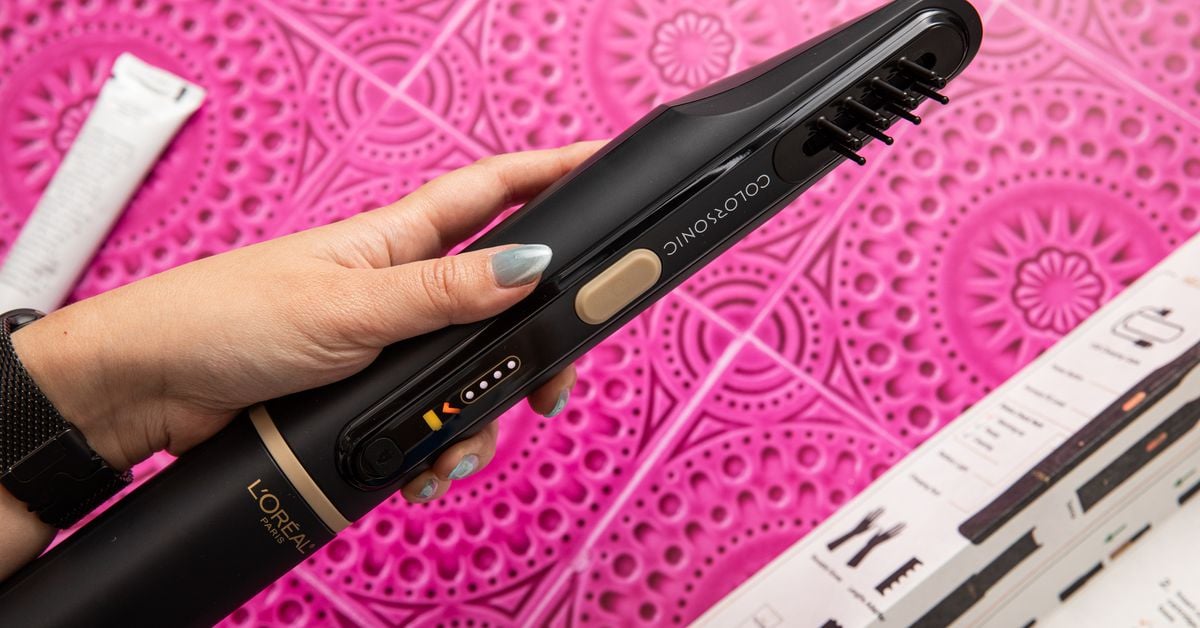
The L'Oréal Colorsonic is a high-tech hair dyeing device designed to simplify the process of coloring hair at home. Priced at $124.99, it uses refillable cartridges and oscillating bristles to apply dye evenly. While it offers convenience and is less messy than traditional methods, it may not fully cover gray hair, and results can vary. The device is more cost-effective than salon visits but more expensive than box dyes. Ultimately, its value depends on whether users prioritize cost, convenience, or results.
While a 2021 study suggests that gray hair can temporarily reverse under specific conditions, experts largely agree that reversing gray hair permanently is unlikely. Factors like genetics and environmental stressors, such as oxidative stress from smoking or pollution, play significant roles in graying. Although potential treatments involving melanocytes and antioxidants are being explored, the most effective current solution remains hair coloring.