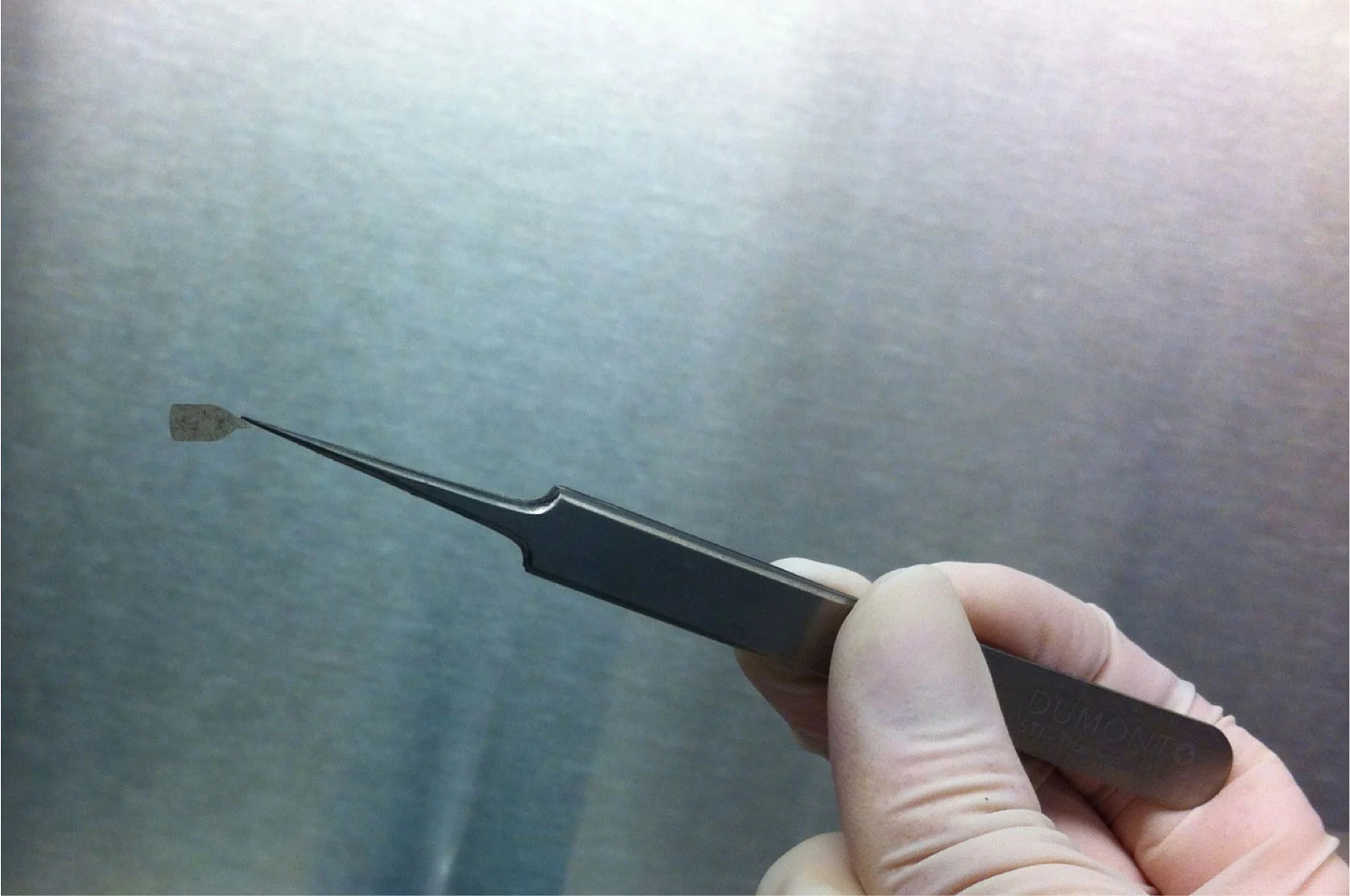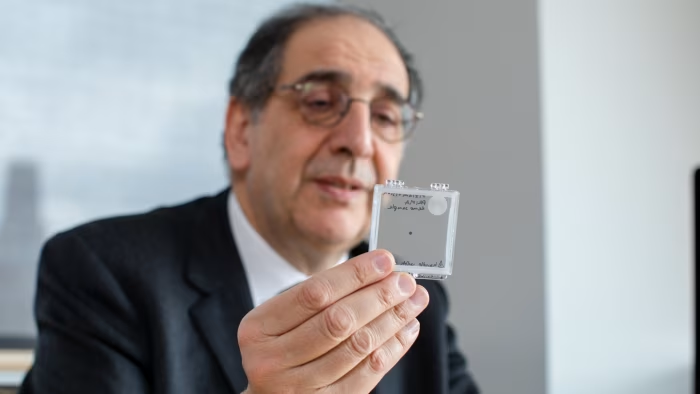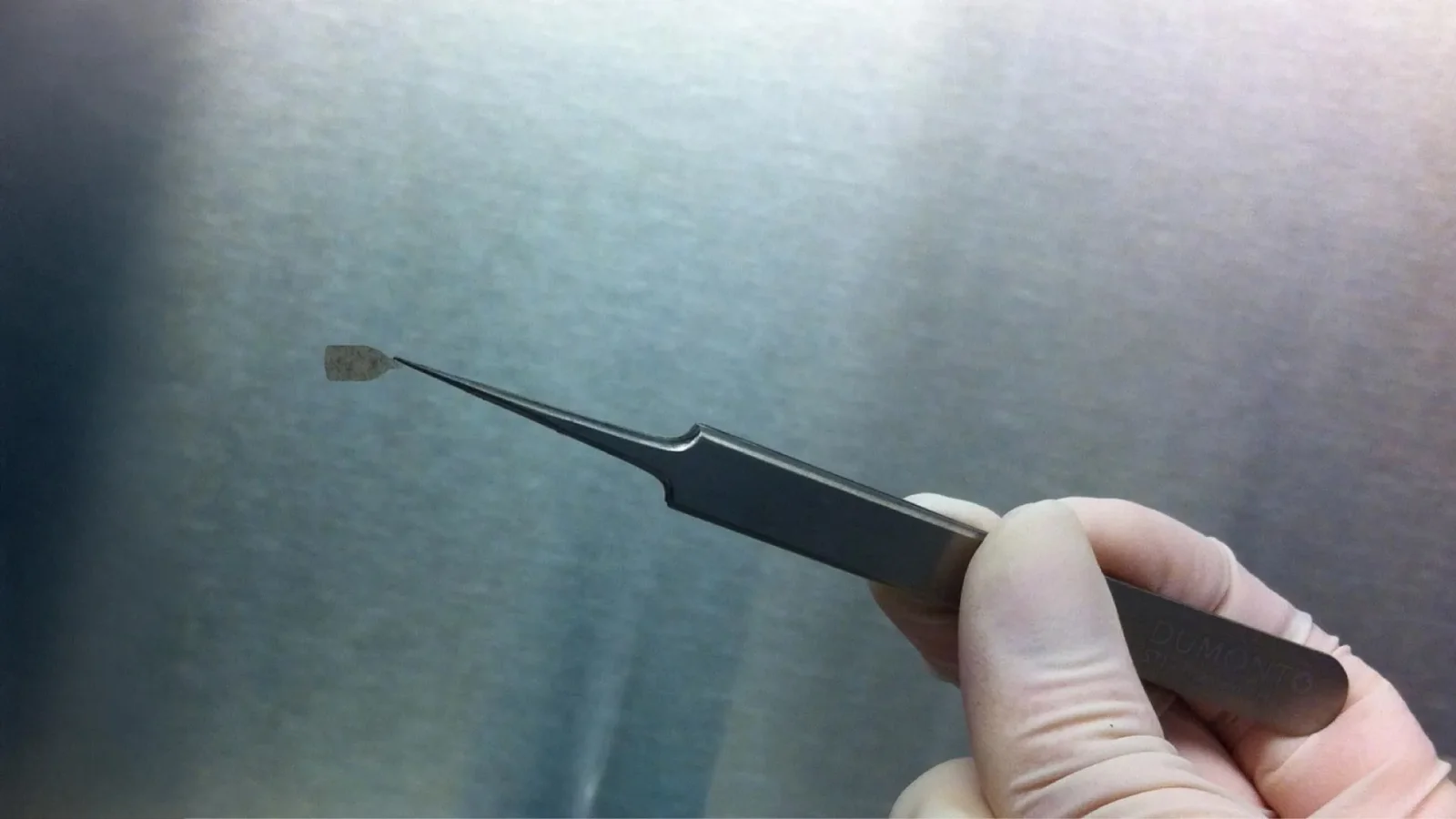
Scientists at USC are testing a tiny stem cell-based retinal implant in a phase 2b clinical trial to potentially restore vision in patients with advanced dry age-related macular degeneration, building on earlier promising safety and efficacy results.

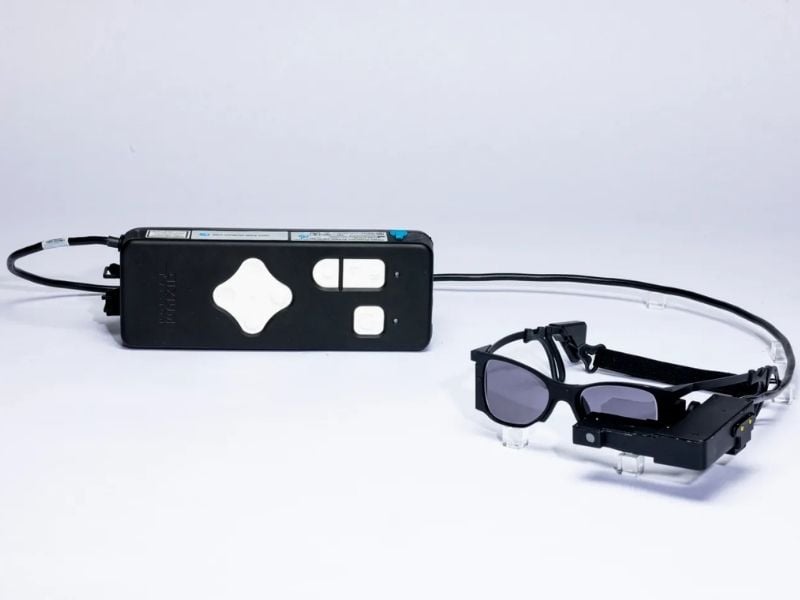
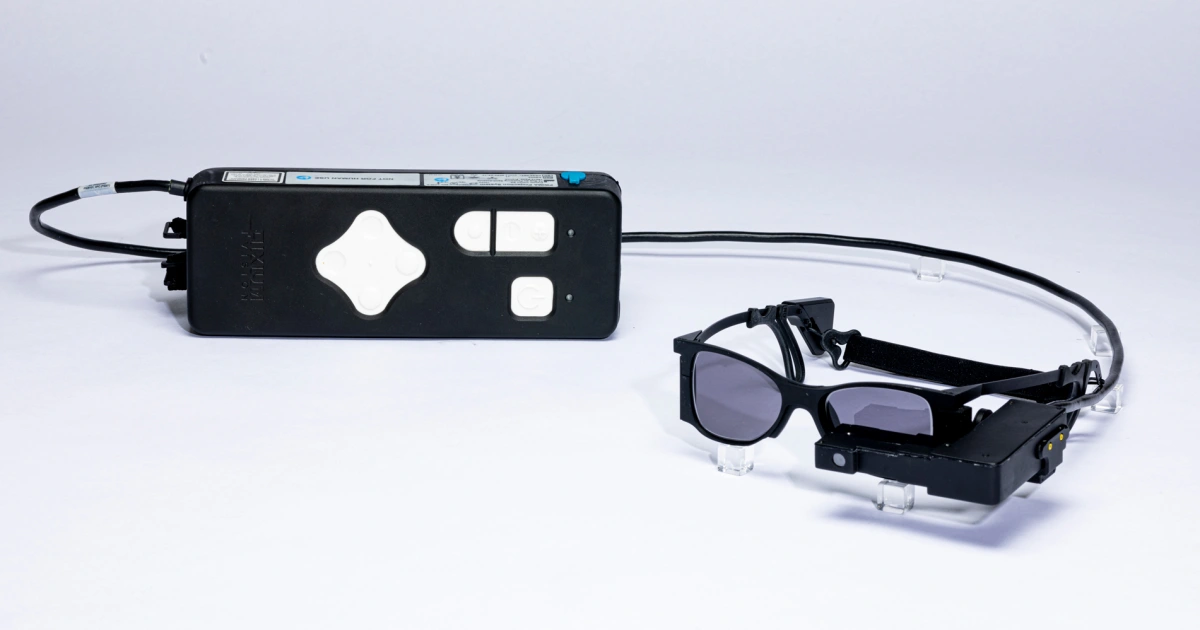
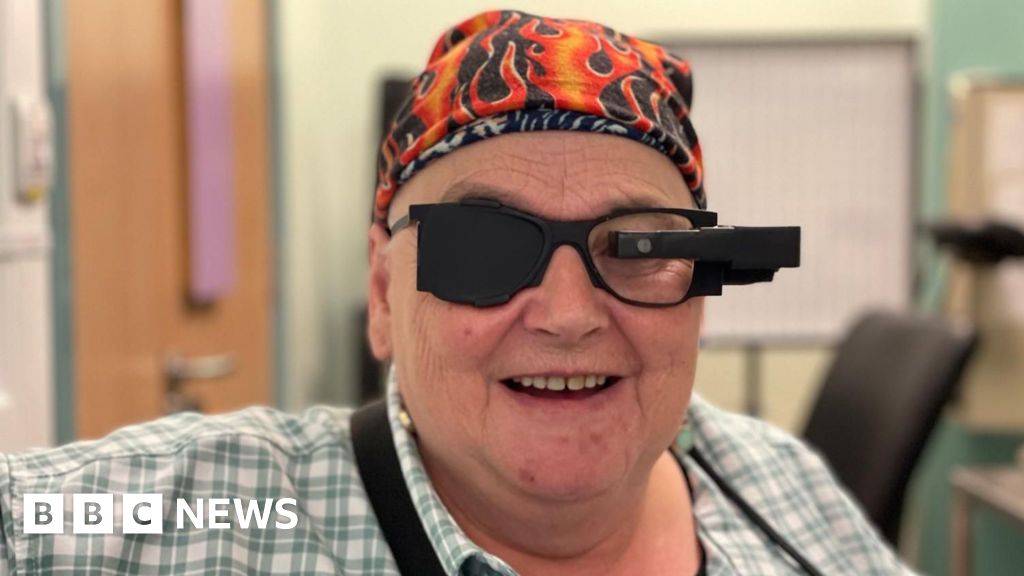
The eSight Go is a pair of smart glasses designed for people with central vision loss, such as macular degeneration, allowing them to see better by zooming in and enhancing their peripheral vision. Priced at $4,950 and not widely covered by insurance, the device offers features like zoom, contrast adjustment, and freeze-frame, significantly improving users' ability to read and recognize faces. It has a four-hour battery life and includes access to a coaching service to help new users learn its features.
Researchers at USC are conducting a phase 2b clinical trial to test a stem cell-derived retinal implant aimed at reversing damage caused by dry age-related macular degeneration, potentially restoring vision in affected patients.
A new combined implant and augmented reality glasses system called PRIMA has successfully restored reading ability to patients with untreatable macular degeneration, marking a significant advancement in artificial vision technology, with promising results from a European clinical trial involving 38 patients.
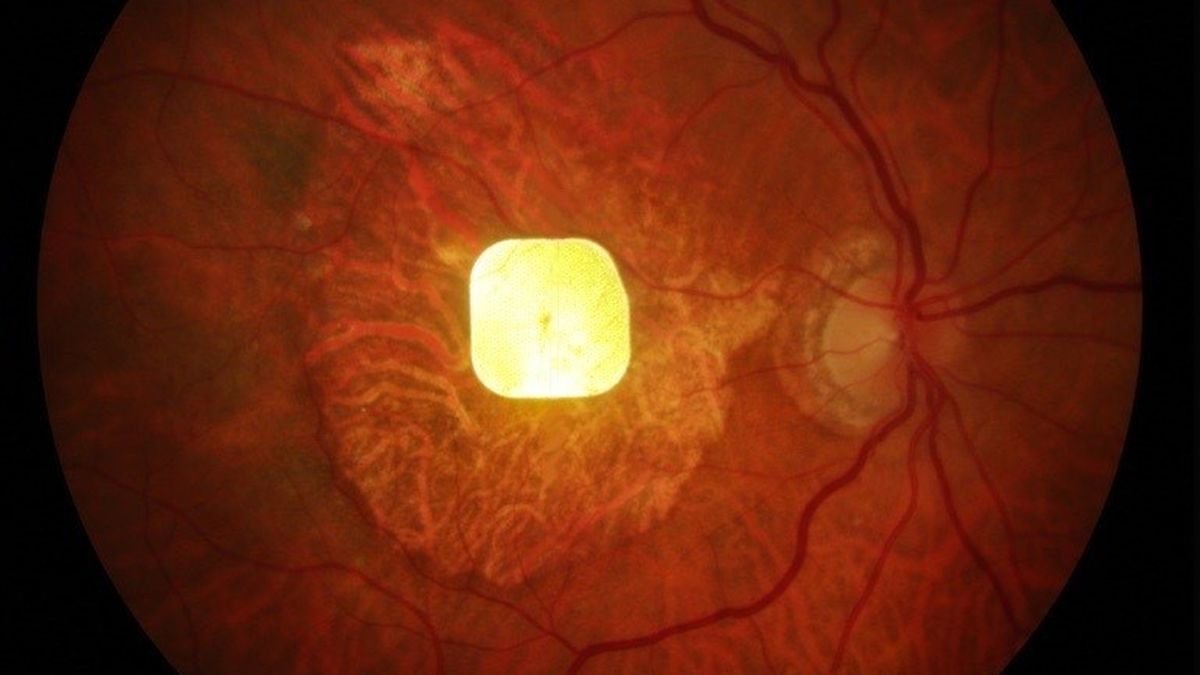
A new tiny retinal implant called PRIMA has shown promising results in helping people with advanced age-related macular degeneration regain some central vision, marking a significant step toward restoring sight in cases previously considered irreversible.
A small clinical trial demonstrates that a combination of surgically implanted chips and augmented-reality glasses can help some patients with age-related macular degeneration regain the ability to read, showing promising results despite current limitations such as black-and-white vision and uncertain long-term effectiveness.
A groundbreaking implant called the PRIMA system has successfully restored central vision in patients with age-related macular degeneration, allowing many to read again, marking a significant advancement in vision loss treatment.
A study shows that a tiny wireless eye implant combined with special glasses can help some patients with advanced dry age-related macular degeneration regain the ability to read, representing a significant breakthrough in vision restoration technology, despite some risks and limitations.
Scientists have developed an eye implant that significantly improves vision in patients with advanced age-related macular degeneration, with 81% experiencing meaningful improvements, marking a major breakthrough in restoring central vision for the blind.
A groundbreaking electronic eye implant, the Prima device, has successfully helped 84% of elderly patients with incurable dry age-related macular degeneration regain the ability to read, marking a significant advancement in artificial vision and offering new hope for those with sight loss.
A new microchip implant developed at Moorfields Eye Hospital has enabled five patients with advanced dry age-related macular degeneration to regain some central vision, allowing them to read and perform daily tasks, representing a significant breakthrough in vision restoration technology.
Researchers at UC Irvine have discovered that injecting a specific fatty acid can reverse age-related vision decline in mice, offering potential new treatments for age-related eye diseases like macular degeneration, and possibly impacting immune system aging as well.
A study suggests that drinking instant coffee, especially in individuals with certain genetic predispositions, may increase the risk of developing dry age-related macular degeneration (AMD), a leading cause of vision loss, highlighting the importance of lifestyle and dietary choices in eye health.
A new study from WashU Medicine suggests that increasing levels of apolipoprotein M (ApoM) could prevent or slow age-related macular degeneration by fixing cholesterol processing issues, which are linked to both eye and heart diseases, offering a potential new treatment approach.
A study suggests that drinking instant coffee may increase the risk of developing age-related macular degeneration (AMD), a leading cause of vision loss in older adults, especially for those genetically predisposed or with early signs of the disease. The research highlights potential risks associated with chemicals in instant coffee and recommends switching to ground coffee for at-risk individuals.