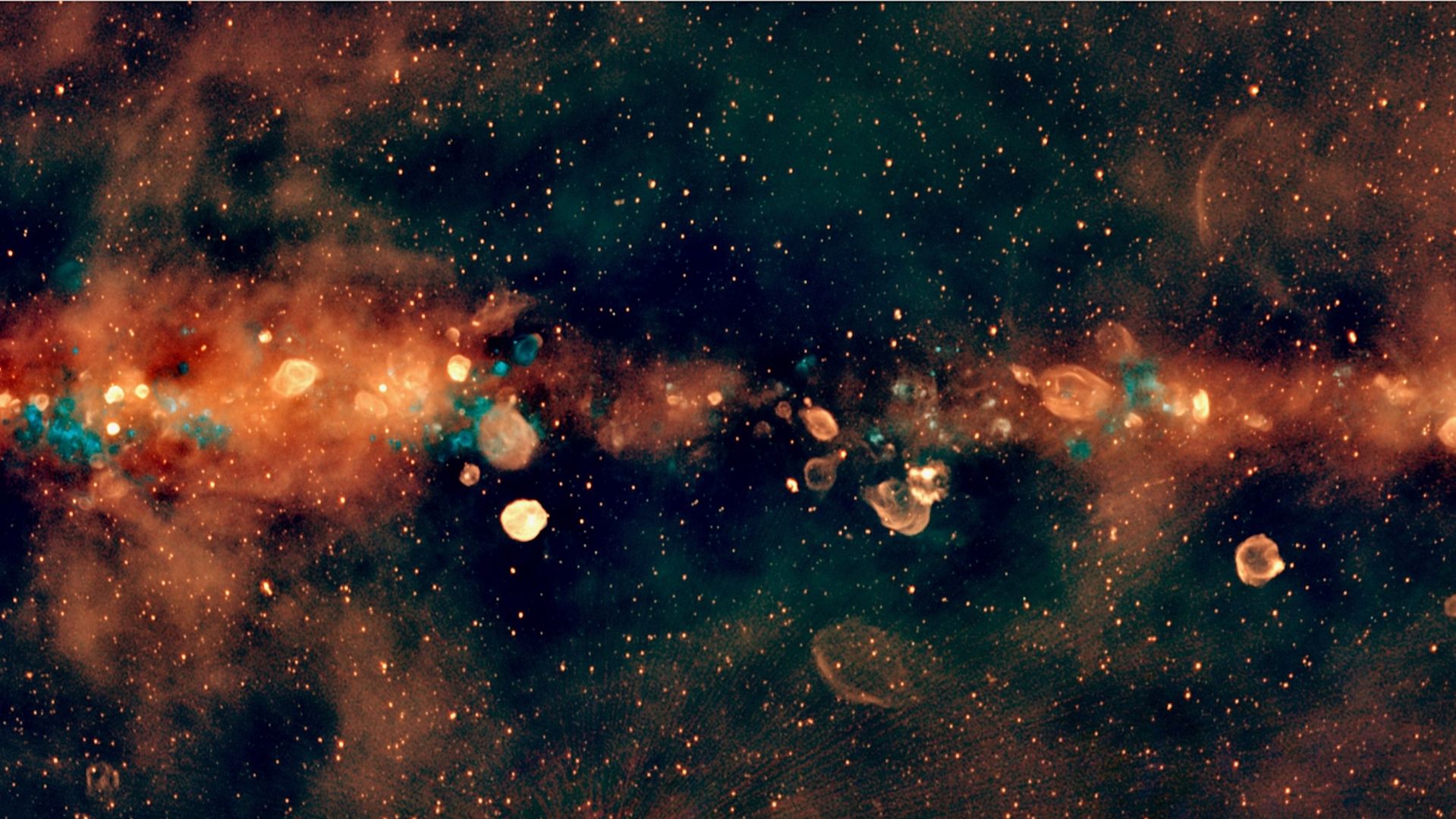
Astronomers have released the largest low-frequency radio color image of the Milky Way, revealing detailed structures like supernova remnants, star-forming regions, and pulsars, created from data by the Murchison Widefield Array in Australia, providing new insights into our galaxy's hidden features and setting the stage for future observations with the upcoming SKA-Low telescope.
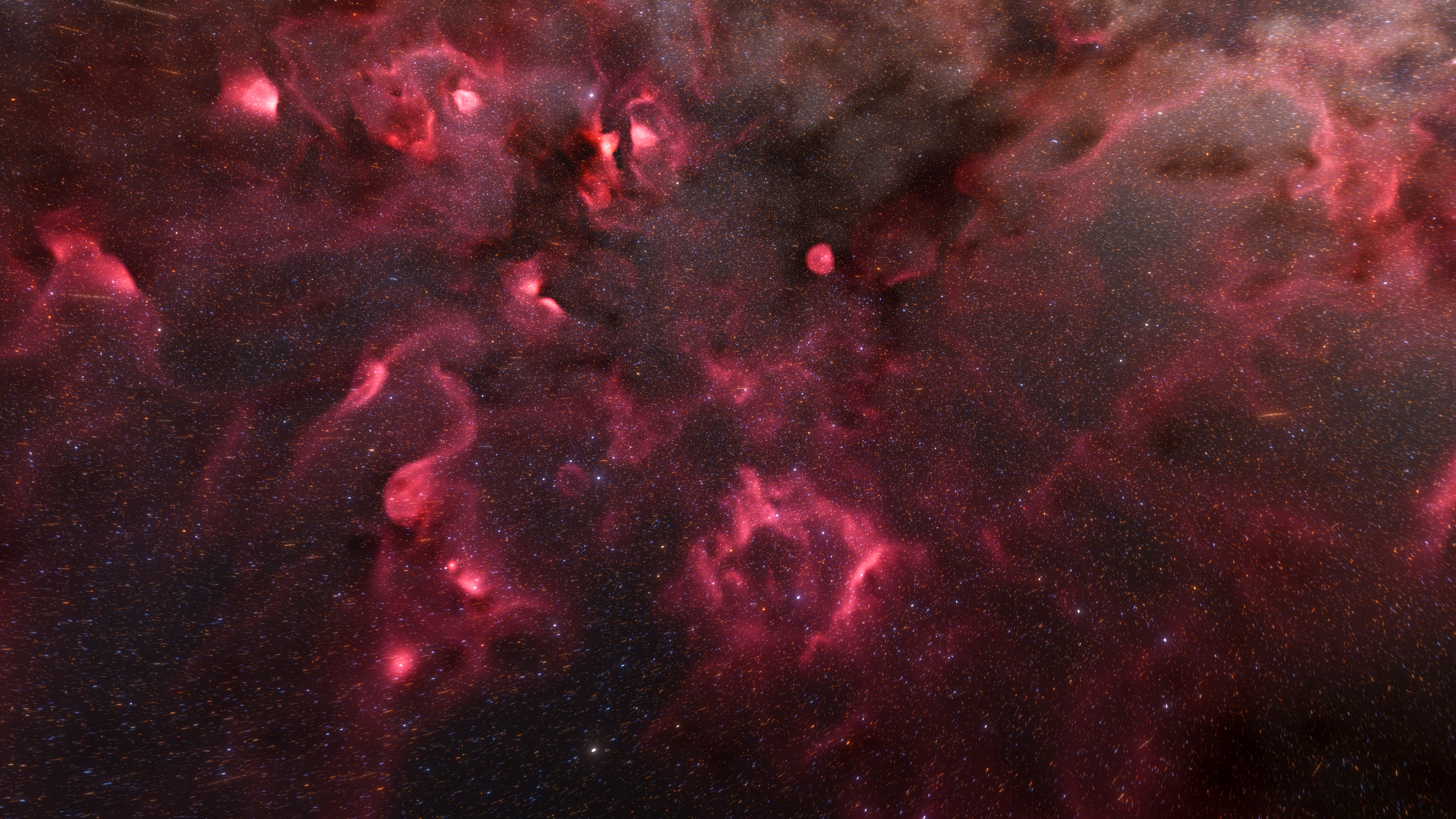
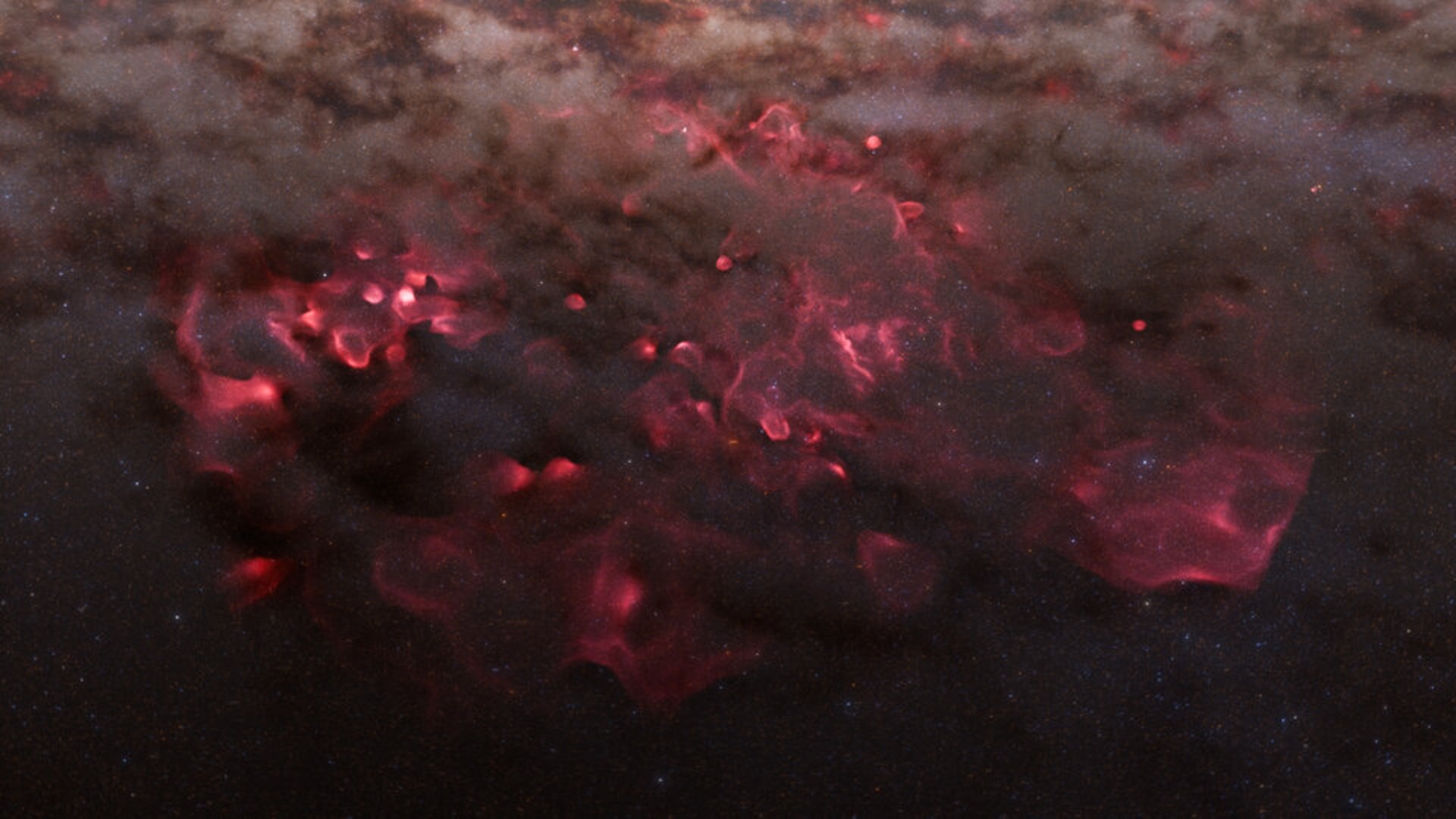
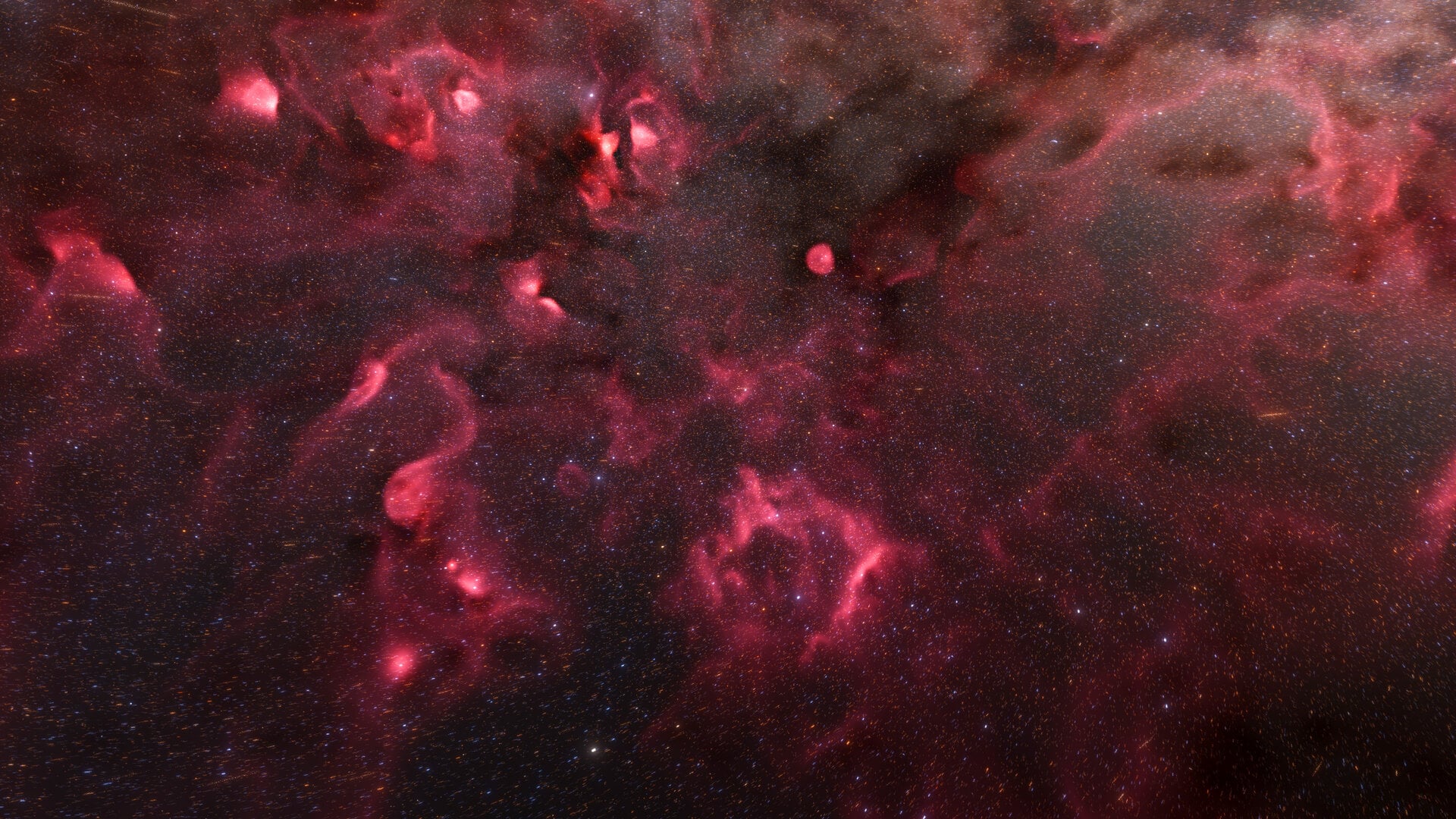
The Gaia Space Telescope has created a detailed 3D map of the Milky Way's star-forming regions up to 4000 light-years away, revealing new insights into stellar nurseries, including the presence of 44 million stars and 87 rare O-type stars, captured in a stunning space image and accompanying video.
Astronomers have created the most detailed 3D map of star-forming regions in the Milky Way using data from the Gaia telescope, revealing the structure and influence of massive stars in our galaxy's stellar nurseries, with future data expected to expand this view.
Scientists have created the most accurate 3D map of star-forming regions in the Milky Way using data from the Gaia space telescope, revealing detailed structures of stellar nurseries up to 4000 light-years away and providing new insights into how massive stars influence their surrounding interstellar medium.
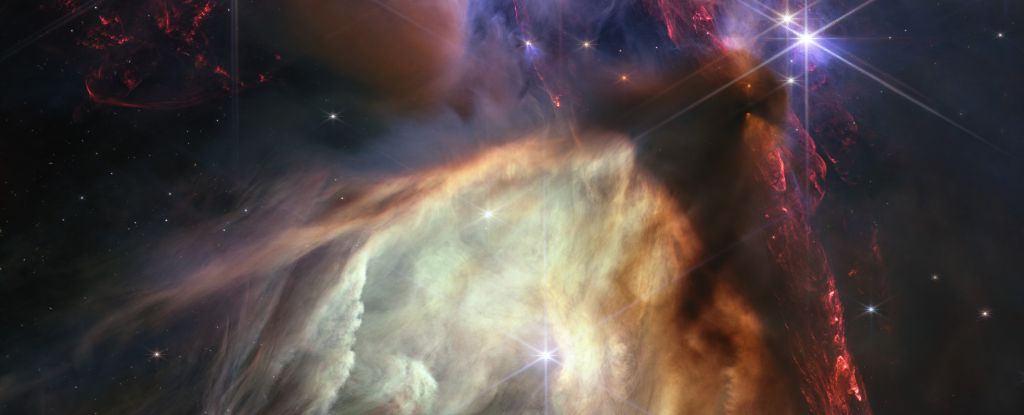
The James Webb Space Telescope (JWST) has captured a stunning image of the Rho Ophiuchi cloud complex, revealing a dense region of baby stars hidden within the dust. The JWST's infrared vision allows it to penetrate the dust clouds and observe the star formation process, providing new insights into the early stages of stellar lifecycle. The image shows 50 stars, including one significantly more massive than the Sun, as well as red bipolar jets of molecular hydrogen and a star carving out a glowing cave of dust. The JWST has revolutionized our understanding of the Universe, from our Solar System to the farthest reaches of space and time.
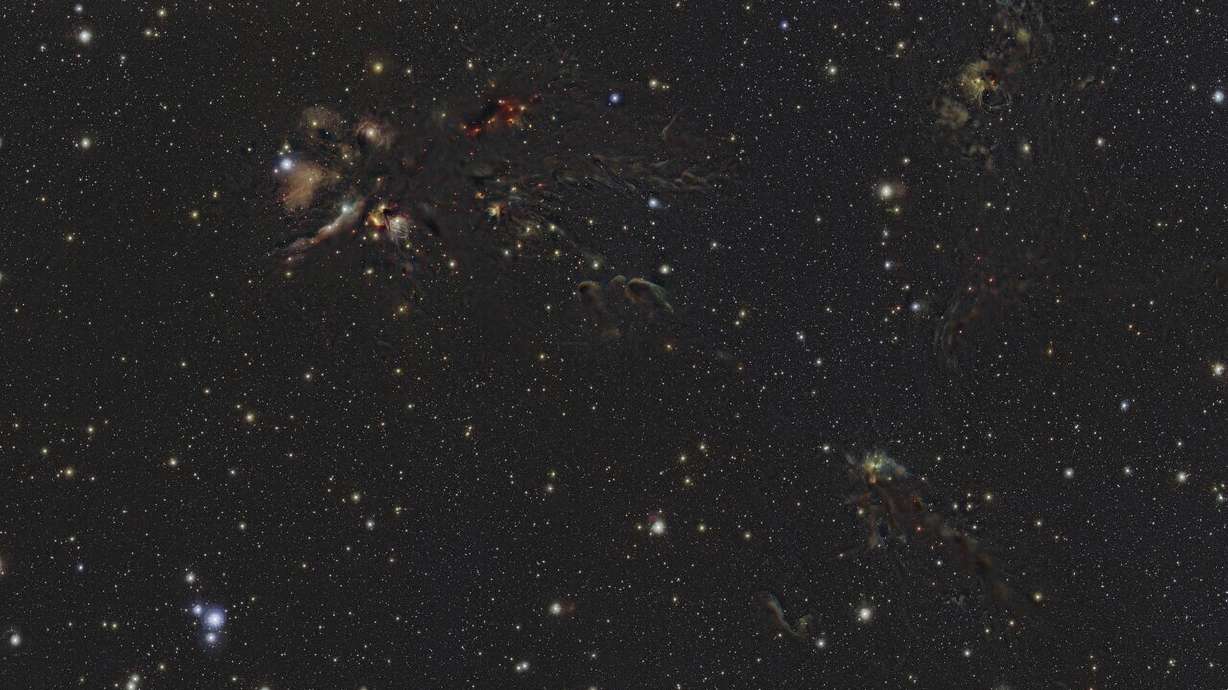
Astronomers have created a stunning mosaic of five vast stellar nurseries less than 1,500 light-years away, revealing objects that no one has ever seen before. To come up with their atlas, scientists pieced together more than 1 million images taken over five years by the European Southern Observatory in Chile. The observations, conducted from 2017 to 2022, will help researchers better understand how stars evolve from dust.