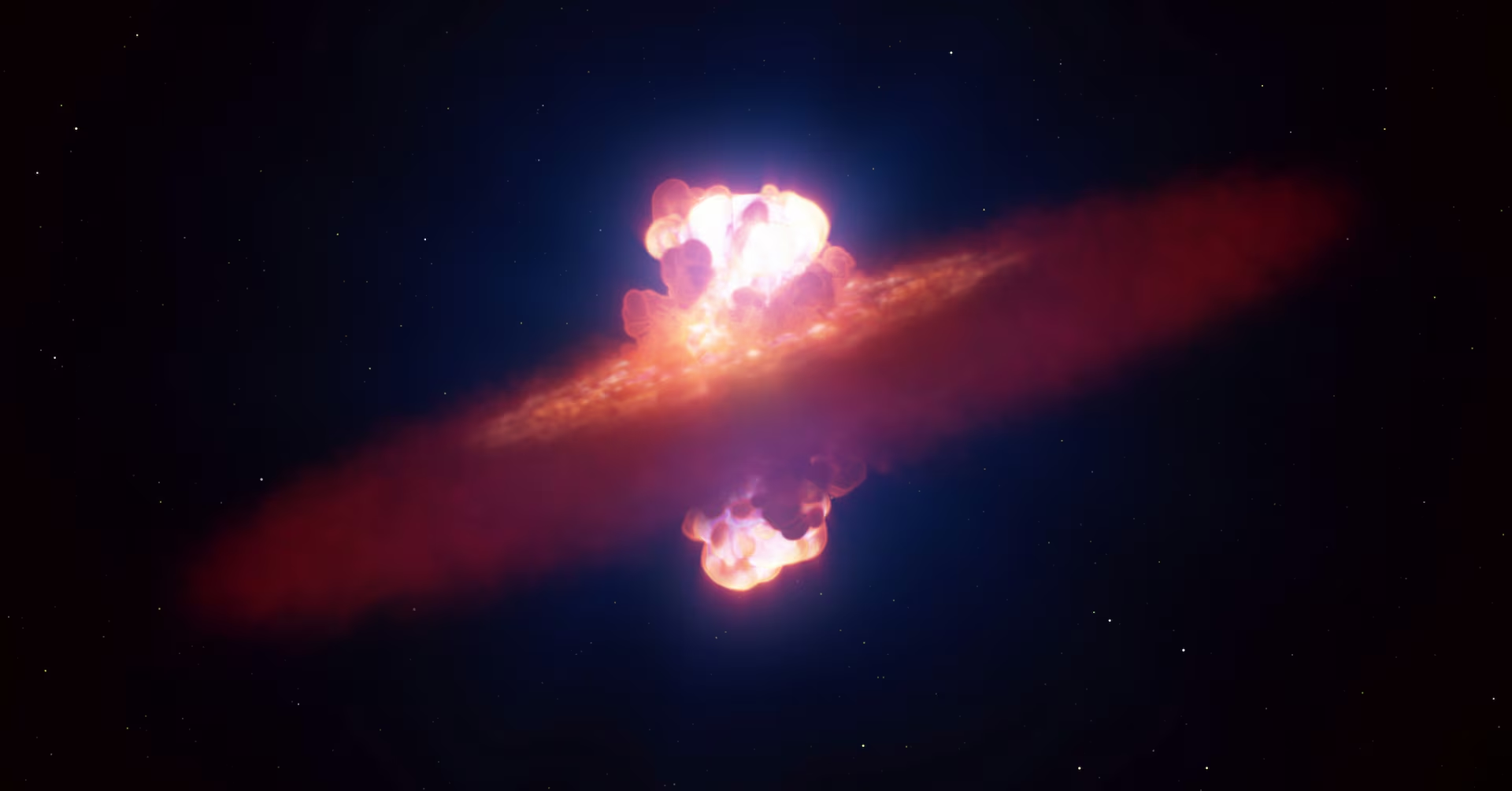
Scientists have for the first time observed the very early stages of a supernova, capturing a distinctive olive-like shape of a star explosion in galaxy NGC 3621, which provides new insights into the mechanisms of such cosmic events.
Astronomers have captured a stunning image of the Black Wolf Nebula, a dark nebula in the Scorpius constellation, using the European Southern Observatory's Very Large Telescope. Located 5,300 light-years from Earth, this nebula's wolf-like shape is an optical illusion created by dense dust clouds blocking light from behind. Dark nebulae, like the Black Wolf, are stellar nurseries where new stars form. The image highlights the contrast between the dark nebula and surrounding glowing gas clouds, showcasing the cosmic interplay of light and shadow.
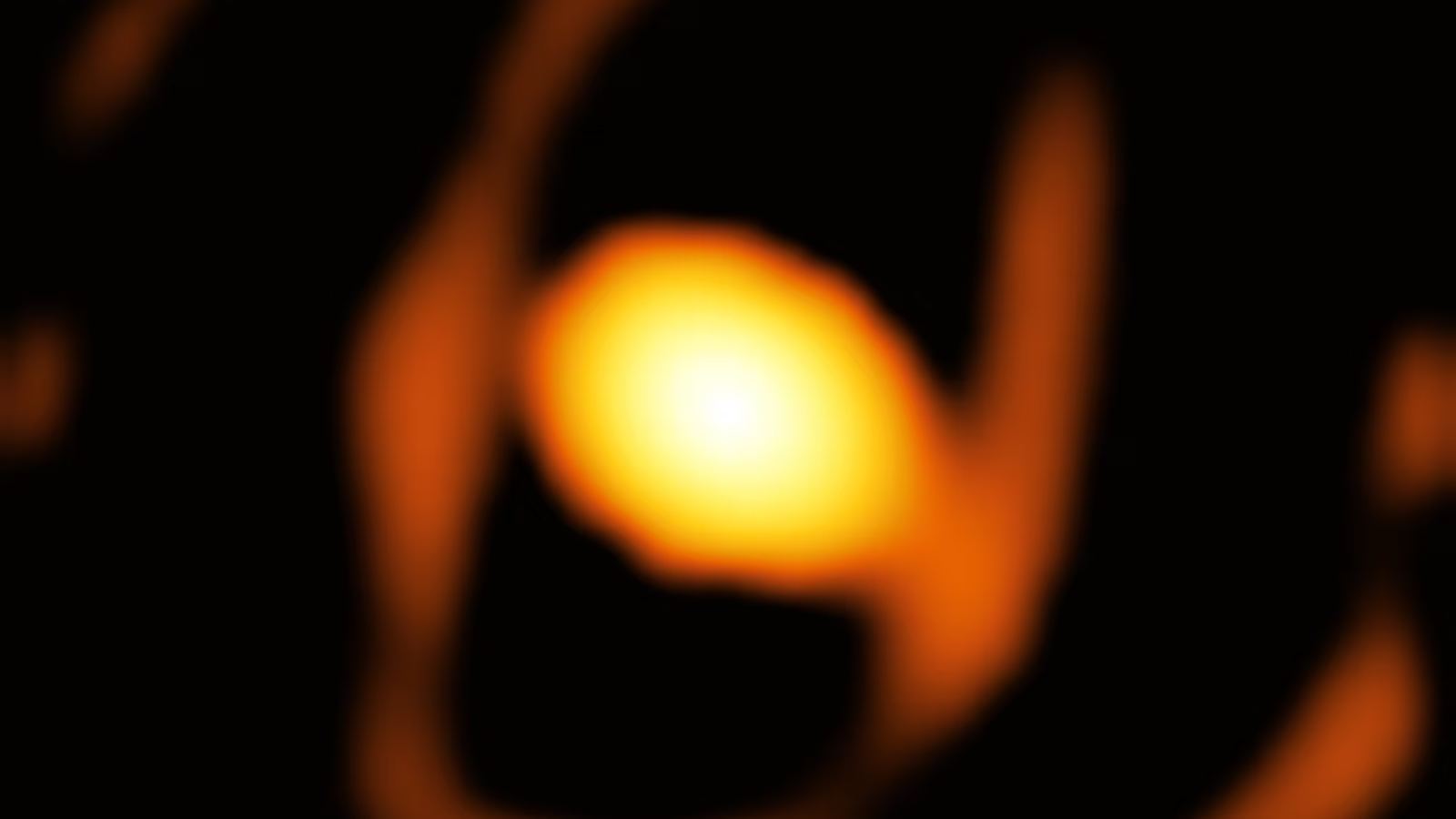
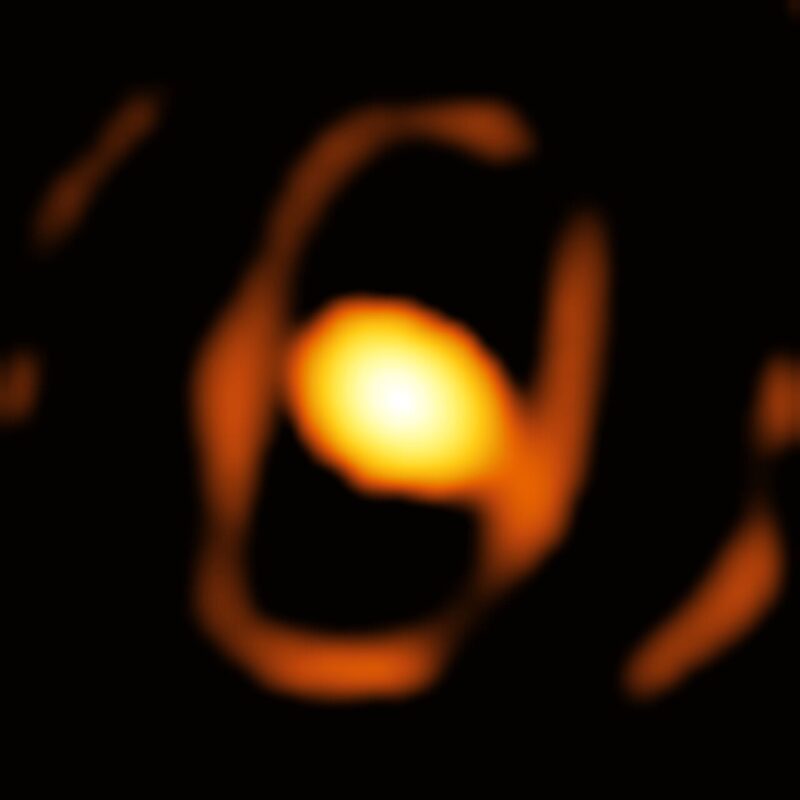
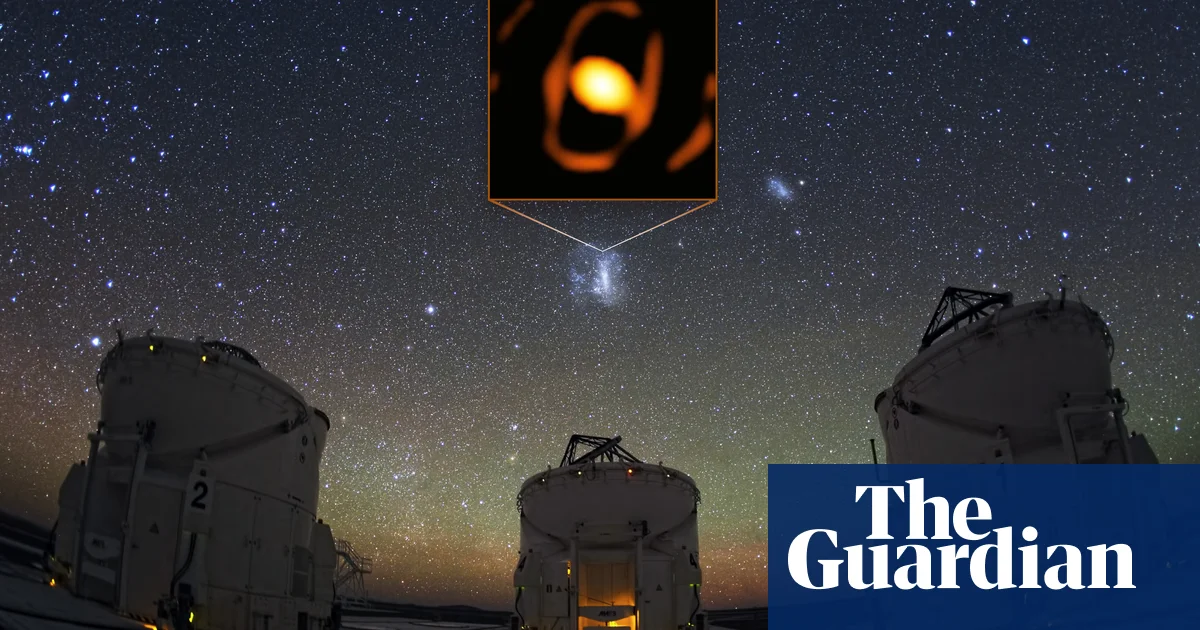
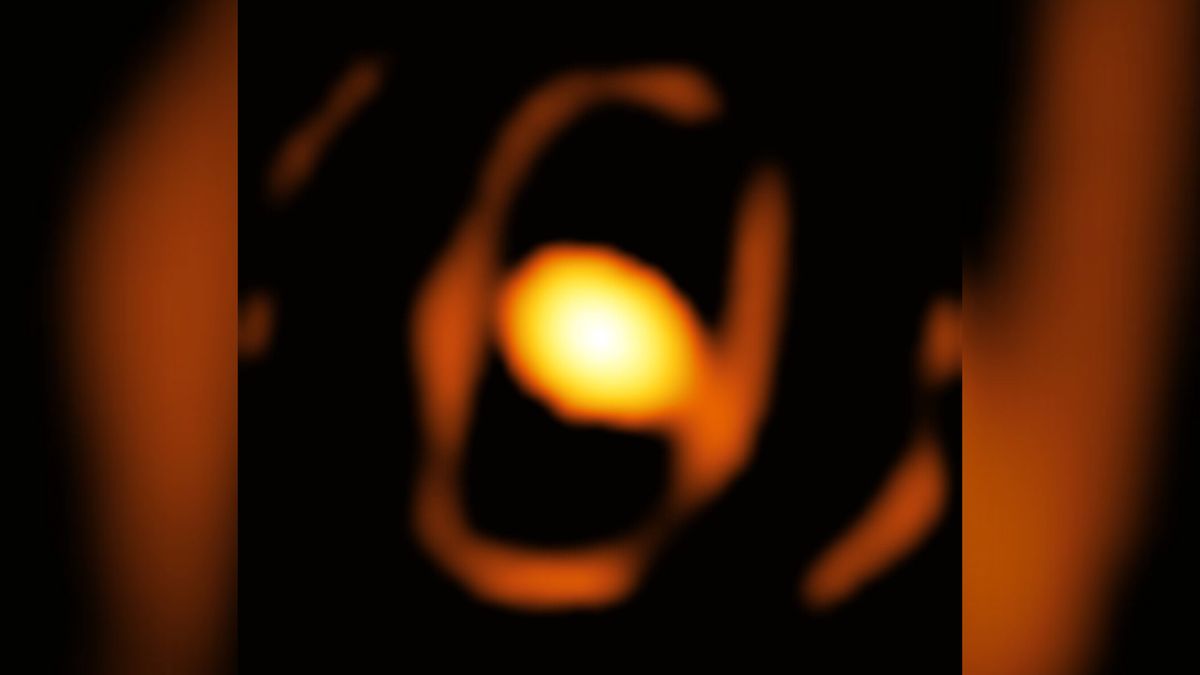
Astronomers have captured the first close-up image of WOH G64, a massive red supergiant star located in the Large Magellanic Cloud, using the European Southern Observatory's Very Large Telescope Interferometer. This star, 1,500 times wider than the sun, is nearing the end of its life and may soon explode in a supernova. The image reveals an egg-shaped cocoon of gas and dust surrounding the star, which has dimmed significantly over the past decade. This discovery provides a rare opportunity to observe a star's life cycle in real time.
Astronomers have captured the first close-up image of a star outside the Milky Way, specifically the red supergiant WOH G64, located 160,000 light-years away in the Large Magellanic Cloud. This star, about 2,000 times larger than the sun, is in its final stages before becoming a supernova, shedding gas and dust. The image, taken by the European Southern Observatory's Very Large Telescope Interferometer, reveals an egg-shaped cocoon around the star, indicating significant changes in its structure.
Astronomers have captured the first-ever close-up image of a star outside the Milky Way, WOH G64, located in the Large Magellanic Cloud. Using the GRAVITY instrument on the European Southern Observatory's Very Large Telescope Interferometer, they observed a dusty cocoon around the star, indicating it is in the final stages before a supernova. This red supergiant, over 1,500 times the size of the sun, has shown significant changes over the past decade, providing a rare opportunity to study a star's life in real time.
Astronomers have captured the first detailed image of a star outside the Milky Way, revealing a red supergiant star, WOH G64, enveloped in an egg-shaped cocoon of gas and dust. This observation, made using the European Southern Observatory's Very Large Telescope Interferometer, suggests the star is in a transitional phase, potentially leading to a supernova. The star, located 160,000 light years away in the Large Magellanic Cloud, has recently ejected its outer layer, a process that may be influenced by its rotation or a companion star.
Astronomers have captured the first detailed image of WOH G64, a dying red supergiant star located 160,000 light-years away in the Large Magellanic Cloud, using the European Southern Observatory's Very Large Telescope Interferometer. The image reveals the star's expulsion of gas and dust, forming a cocoon-like structure around it, providing insights into the end stages of stellar life. This breakthrough allows scientists to better understand the dynamics of such stars as they approach a supernova explosion.
Astronomers have discovered magnetic stars beyond the Milky Way for the first time, located in the Magellanic Clouds. This breakthrough, achieved using advanced telescopic technologies, provides new insights into stellar magnetism and its impact on star formation and evolution in different galactic environments. The discovery enhances our understanding of cosmic magnetism and suggests that such stars might be more common in the universe than previously thought.
The European Southern Observatory's Extremely Large Telescope, the world's largest visible- and infrared-light telescope, has reached a milestone with the completion of its dome's steel skeleton in Chile's Atacama Desert. A new nighttime photo shows the progress with the Milky Way overhead. The telescope, expected to be operational by 2028, will feature insulated cladding and air conditioning to protect it from the harsh desert environment.
The European Southern Observatory's Extremely Large Telescope, under construction in Chile's Atacama Desert, has reached a milestone with the completion of its dome's steel skeleton. A new nighttime photo shows the telescope's progress under the Milky Way. The structure is now being outfitted with protective panels and features a concrete foundation to minimize vibrations. The telescope is expected to begin operations by 2028.
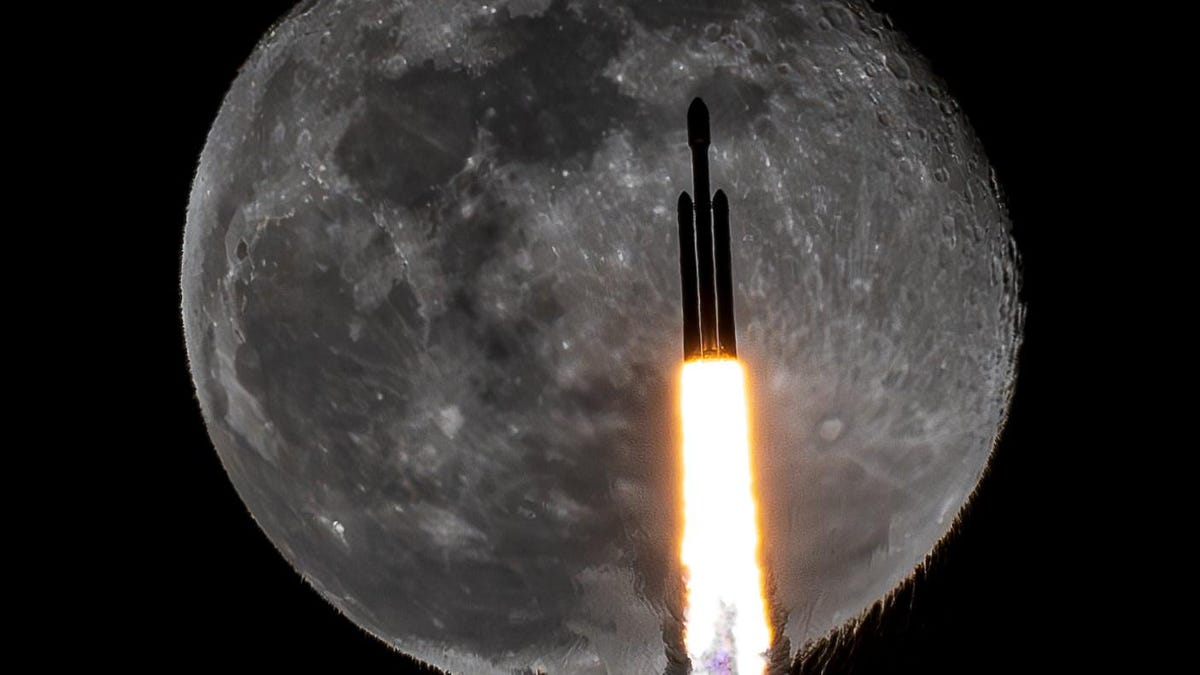
This week in space, SpaceX launched Crew-8 to the ISS, Hubble captured stunning images of distant galaxies, Blue Origin conducted tests for its New Glenn launch vehicle, and NASA completed a hot fire test for the Space Launch System rocket. Additionally, the European Southern Observatory revealed intricate images of planet-forming discs around young stars, and researchers studied the extremely bright galaxy GN-z11 using the Webb Space Telescope. Lastly, a breathtaking image of a SpaceX Falcon Heavy rocket photobombing the Moon won top prize in Sony’s World Photography Awards 2024.
This week in space, SpaceX launched a new crew to the International Space Station, while the European Southern Observatory shared images of planet-forming discs around young stars. Other highlights include the Hubble Space Telescope capturing a distant spiral galaxy, Blue Origin's tanking tests for the New Glenn launch vehicle, and NASA's successful completion of a full-duration RS-25 engine hot fire for the Space Launch System rocket. Additionally, stunning images of Ireland, a photobombing SpaceX Falcon Heavy rocket, and studies on the extremely bright galaxy GN-z11 were also featured.
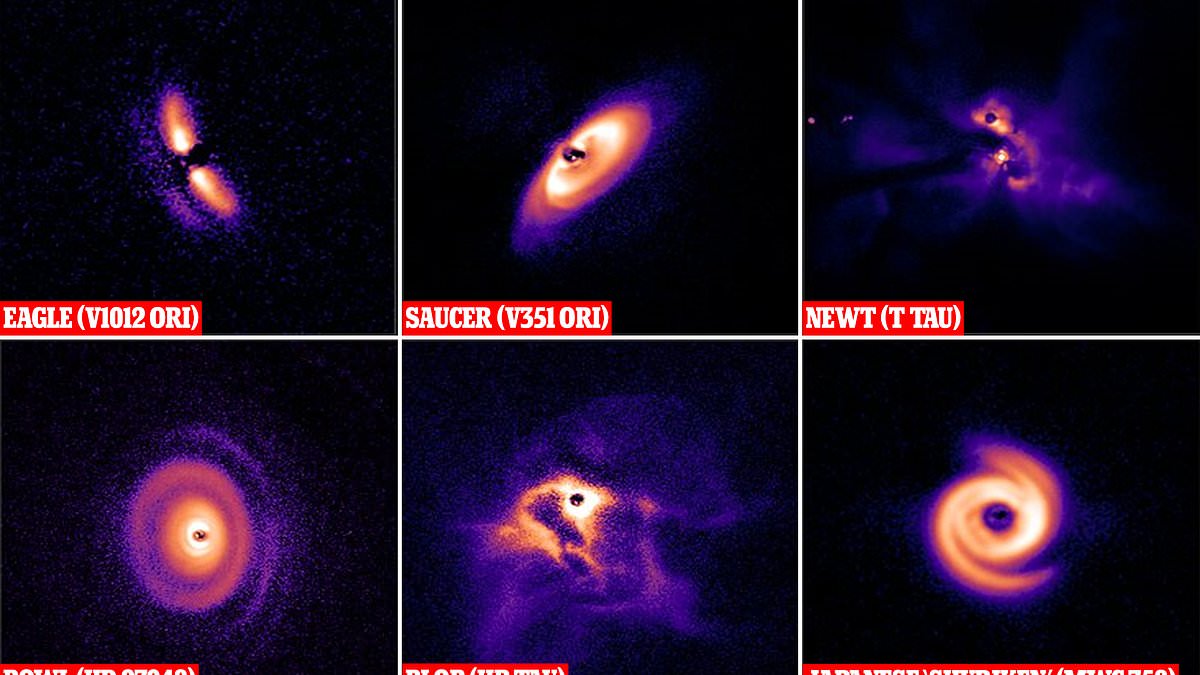
Stunning new images released by the European Southern Observatory's Very Large Telescope reveal the incredible variety of planet-forming discs surrounding young stars in the Milky Way, with swirling rings of gas and dust resembling bizarre objects like an eagle spreading its wings or a Japanese 'shuriken' throwing weapon. These planet-forming or 'protoplanetary' discs, located hundreds of light-years away, represent one of the largest surveys of their kind and show extraordinary diversity, with some appearing as perfect circles and others as asymmetrical blobs. The images, captured in infrared light, provide fascinating insights into star systems and suggest the possibility of massive planets embedded within the discs, potentially causing them to warp and become misaligned.
Researchers from the European Southern Observatory and various other institutions have used the Very Large Telescope to measure the mass of a black hole in a quasar located 11 billion light-years away. This marks the furthest distance at which a black hole's mass has been directly measured. The study provides valuable insights into the early universe and the formation of massive black holes.
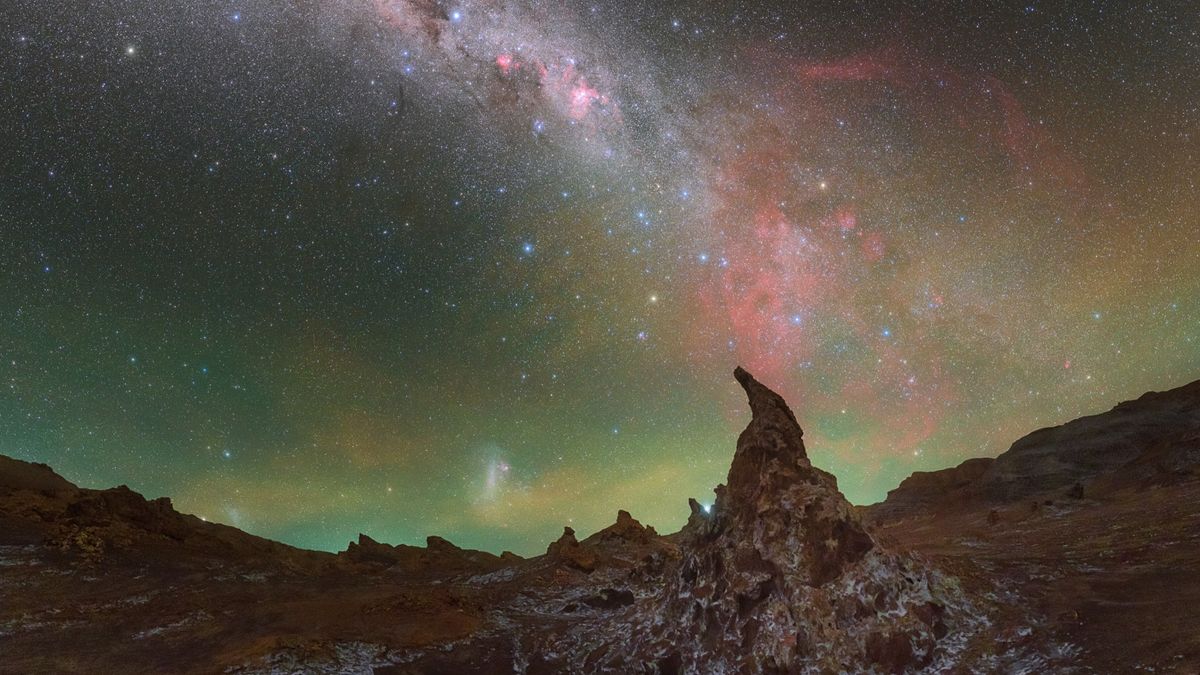
A stunning new photo from the European Southern Observatory captures the Milky Way galaxy illuminating the picturesque Valle de la Luna, also known as the "Valley of the Moon," in Chile's Atacama Desert. The valley's moon-like landscapes and rock formations create a mystical scene, while its high altitude, dry air, and distance from civilization make it an ideal location for stargazing. The photo showcases the Milky Way arcing over a prominent rock spire, with bright blue stars surrounded by pink clouds of gas and dust.