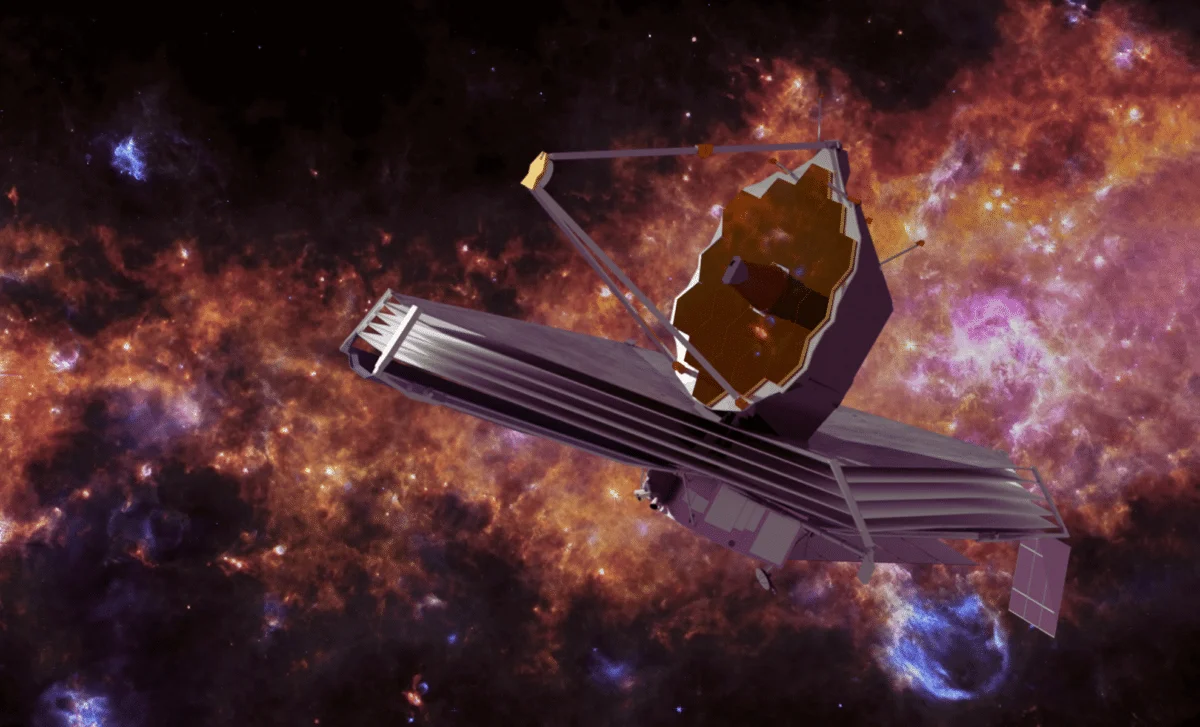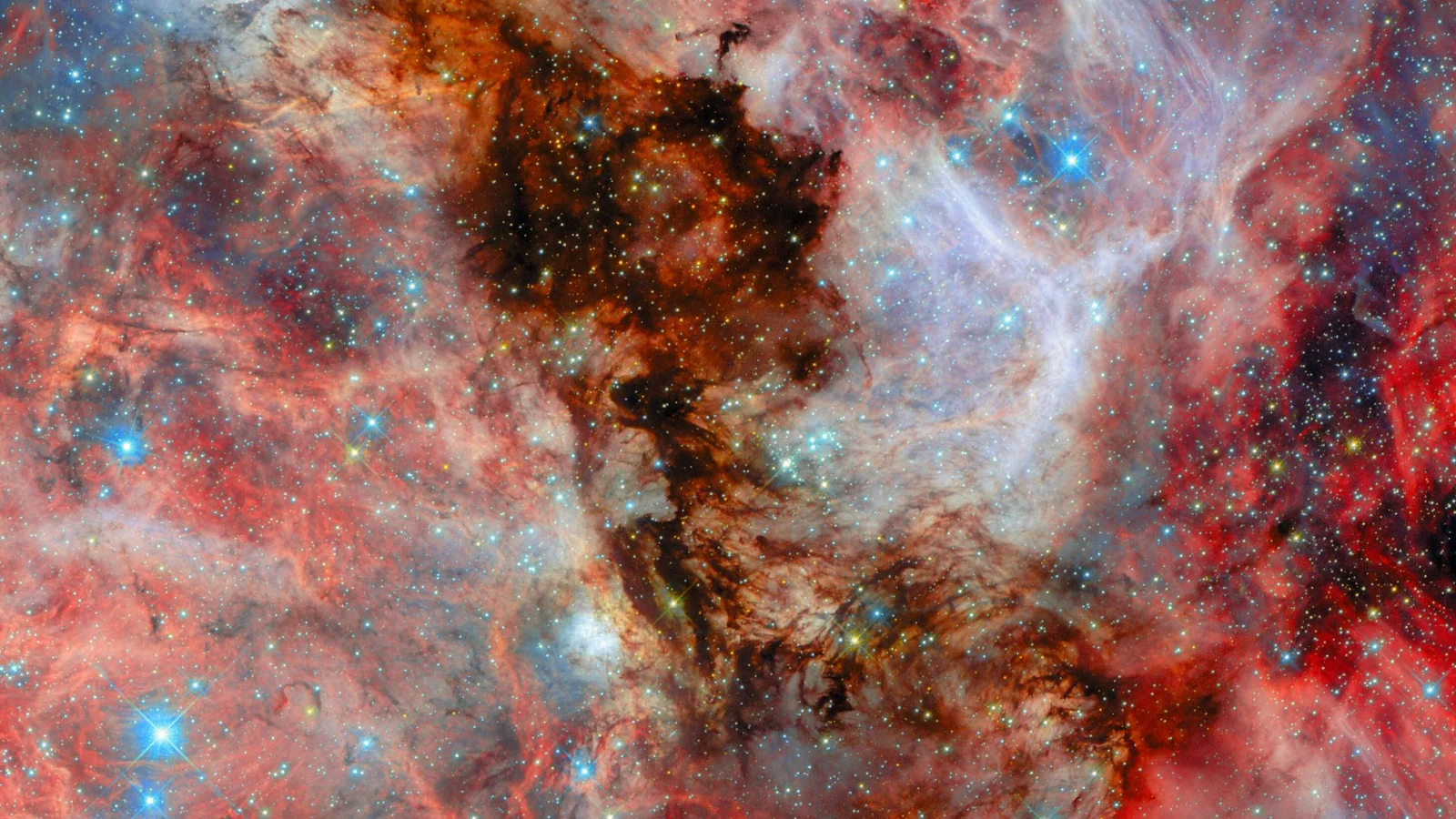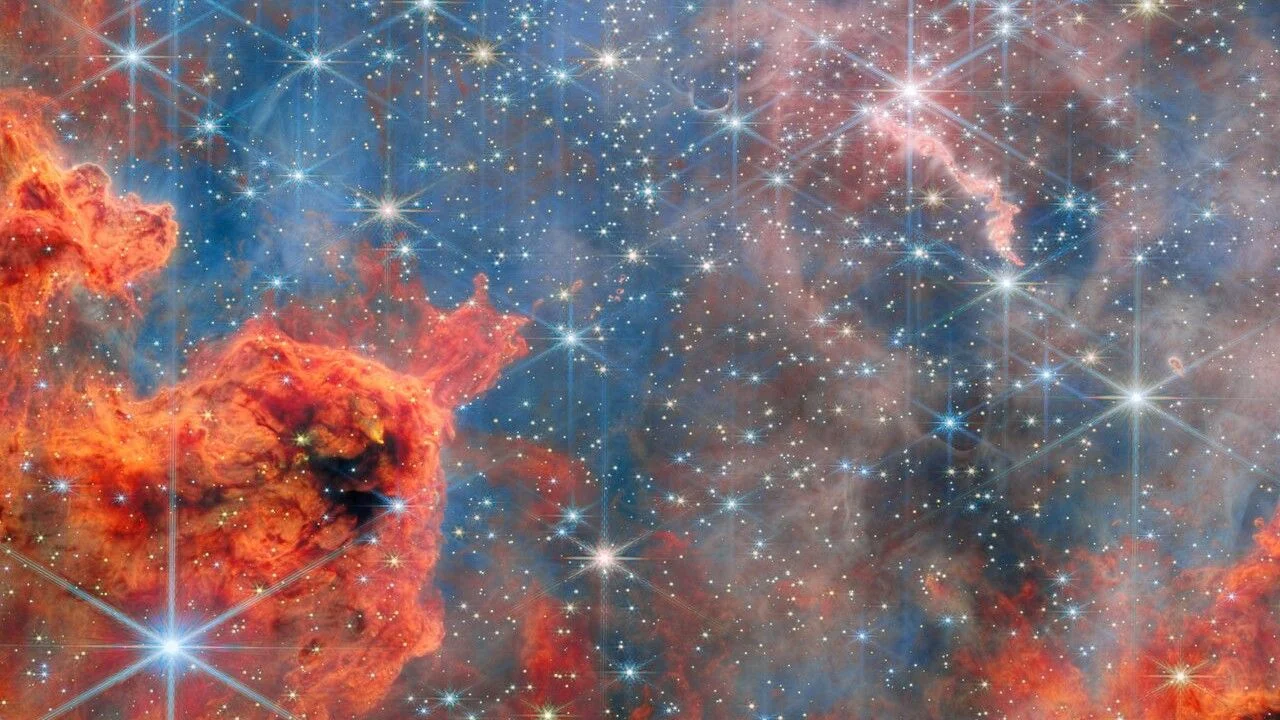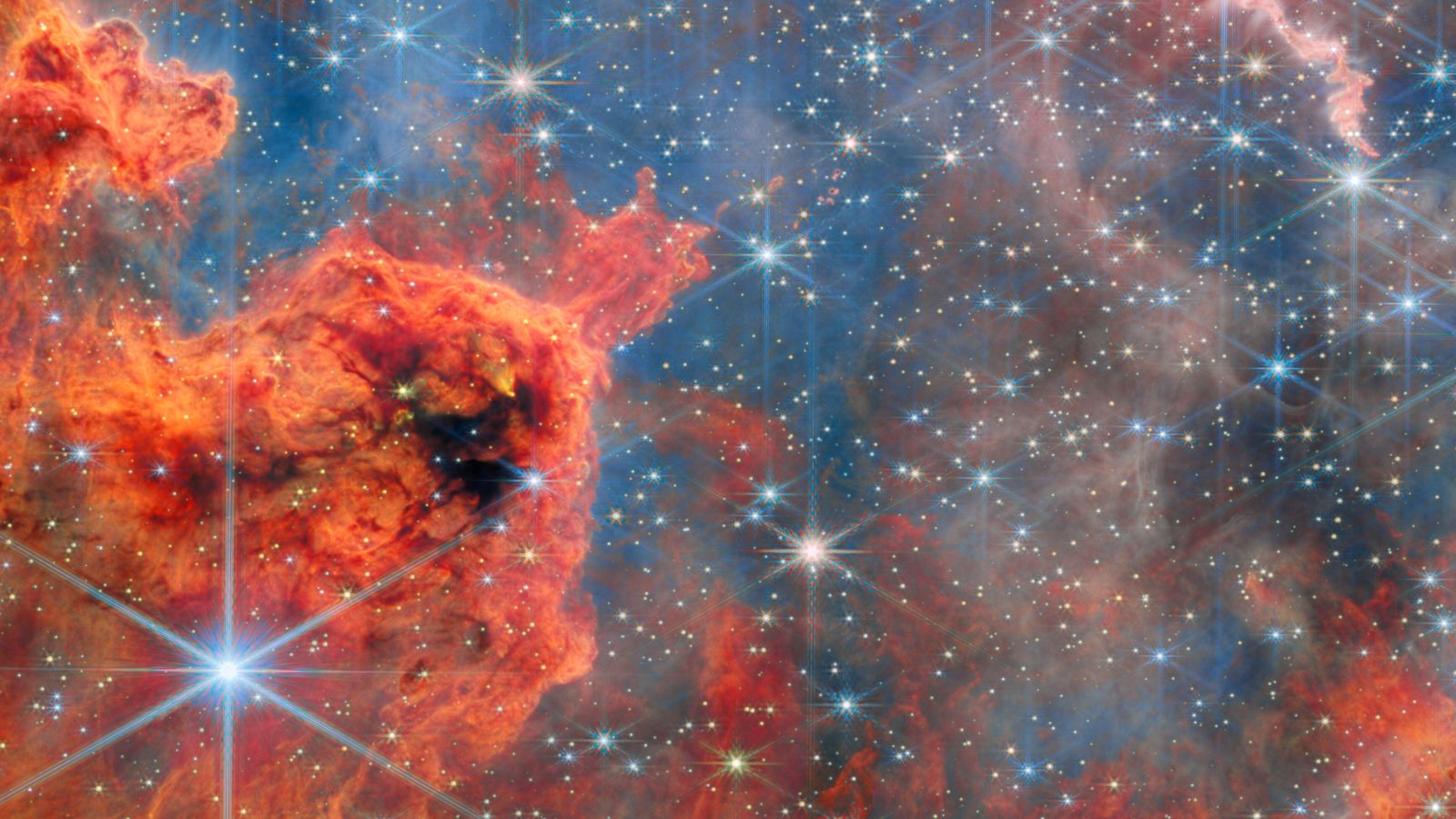
The James Webb Space Telescope captured a stunning image of the Westerlund 2 star cluster in the Carina Nebula, revealing for the first time the full population of brown dwarfs in this massive star-forming region, which helps astronomers understand star formation under extreme conditions.
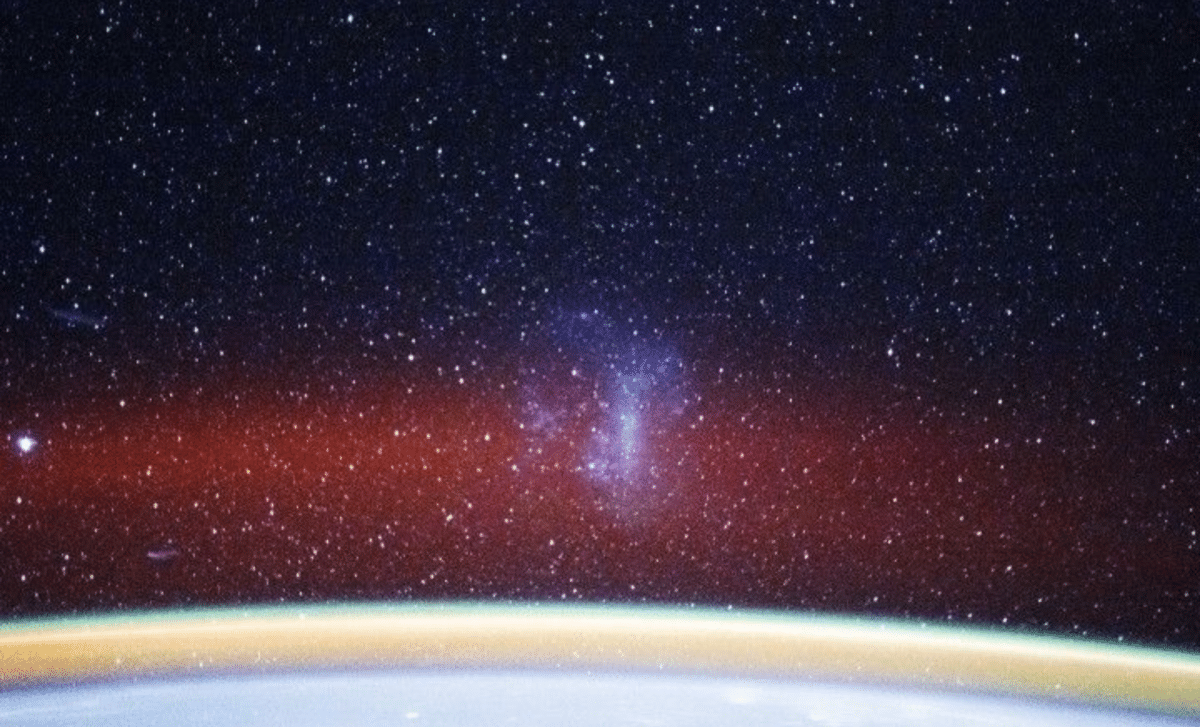
A recent image captured by an astronaut aboard the ISS shows the Large Magellanic Cloud, a nearby dwarf galaxy rich in star-forming regions and supernova remnants, highlighting its significance in understanding stellar evolution and its dynamic role within the Local Group. The image emphasizes the contrast between Earth's atmosphere and the galaxy's energetic activity, inspiring public interest in cosmic exploration.
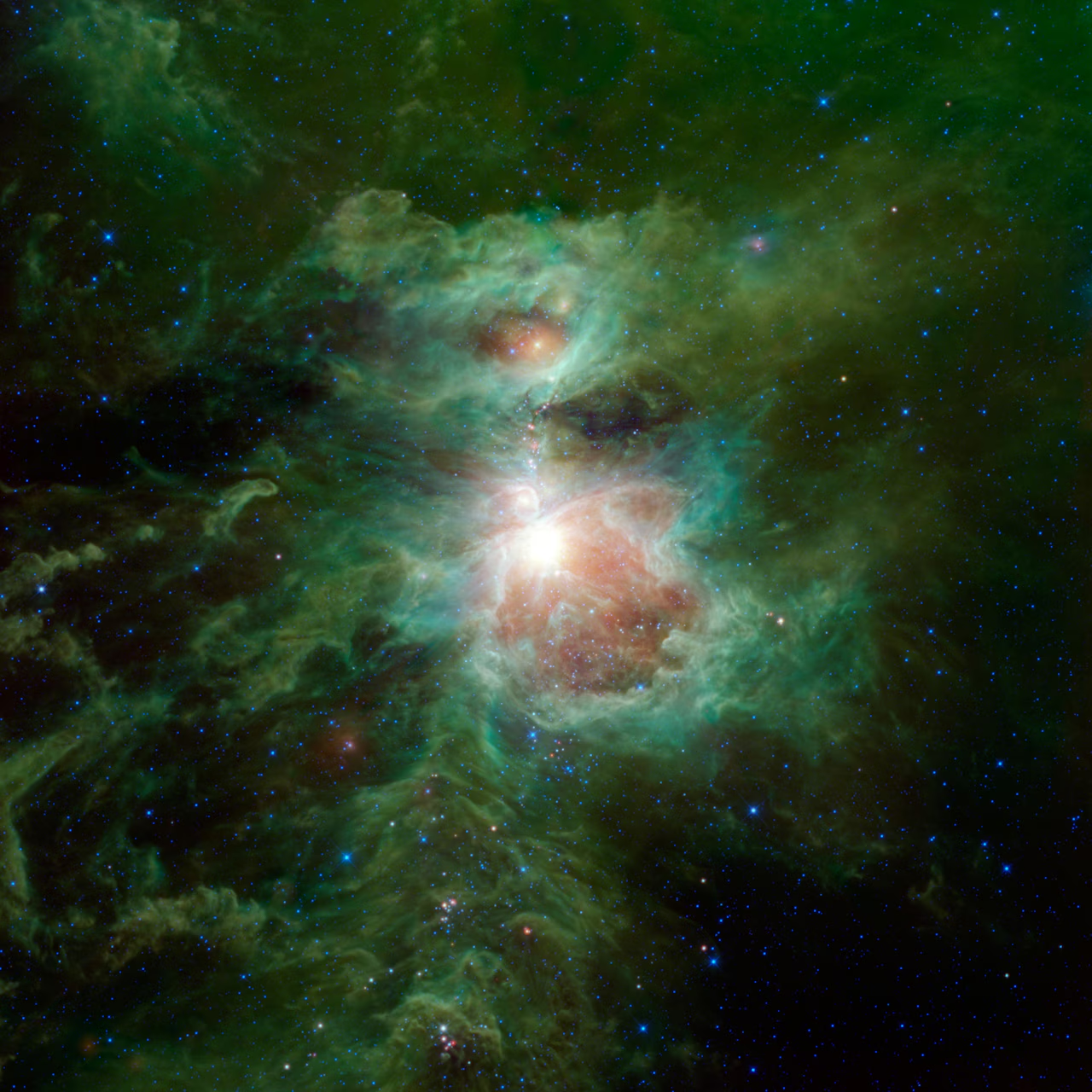
The Orion Nebula, known as the 'cosmic fire of creation,' is a prominent and easily visible star-forming region in the night sky, best seen from November to March, and can be observed with binoculars or a telescope, offering a spectacular view of the universe's birthplaces.
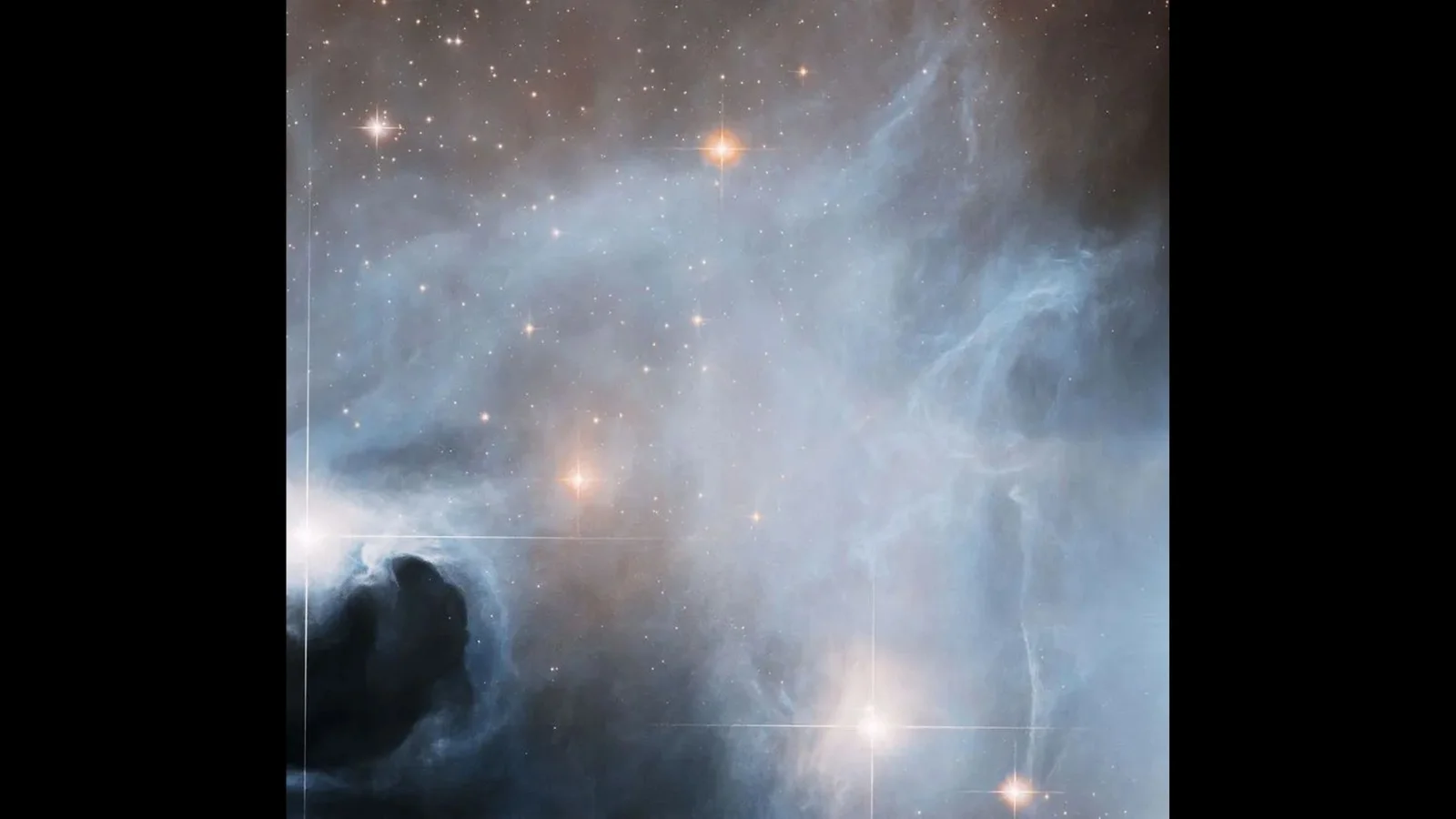
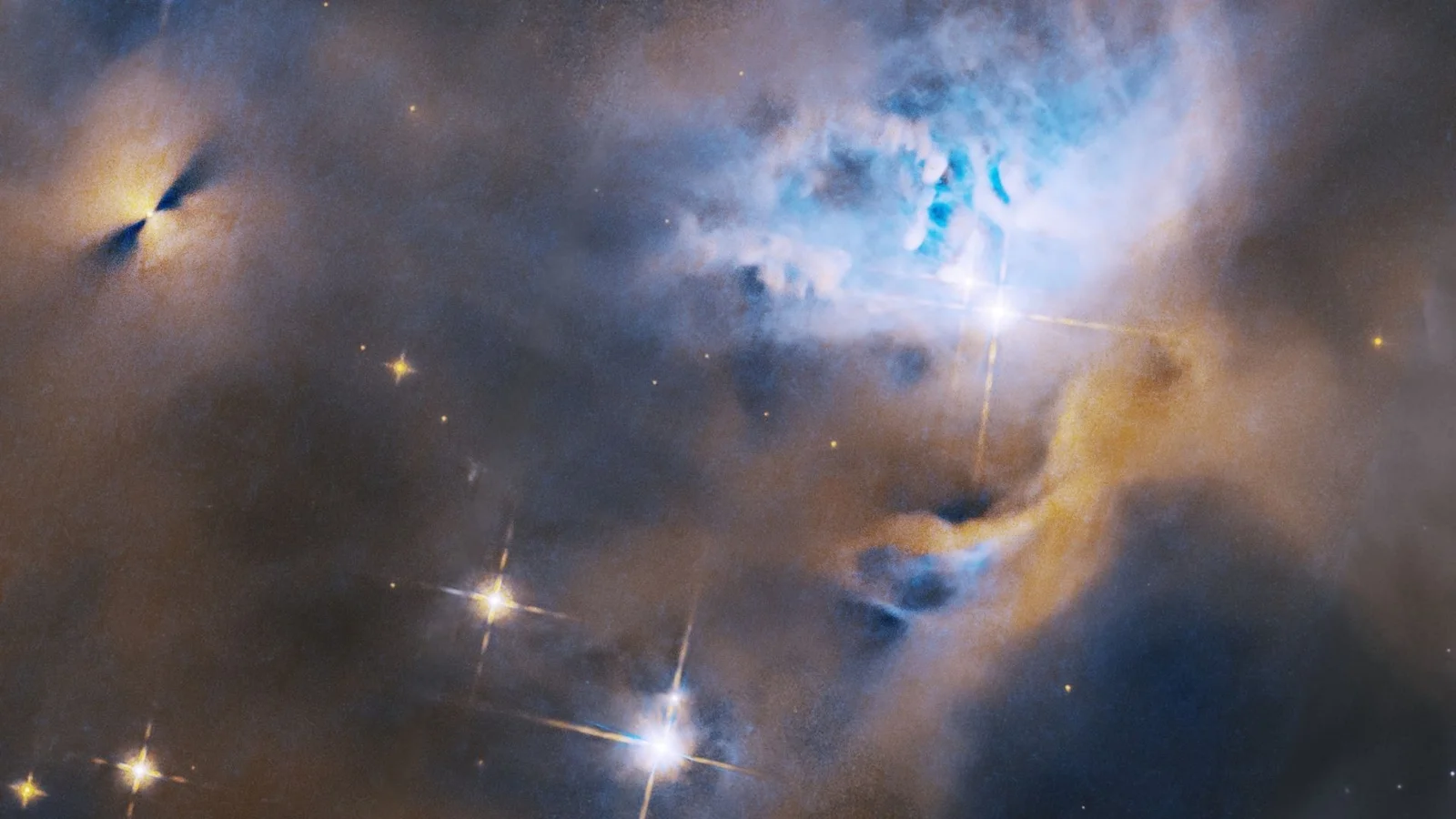
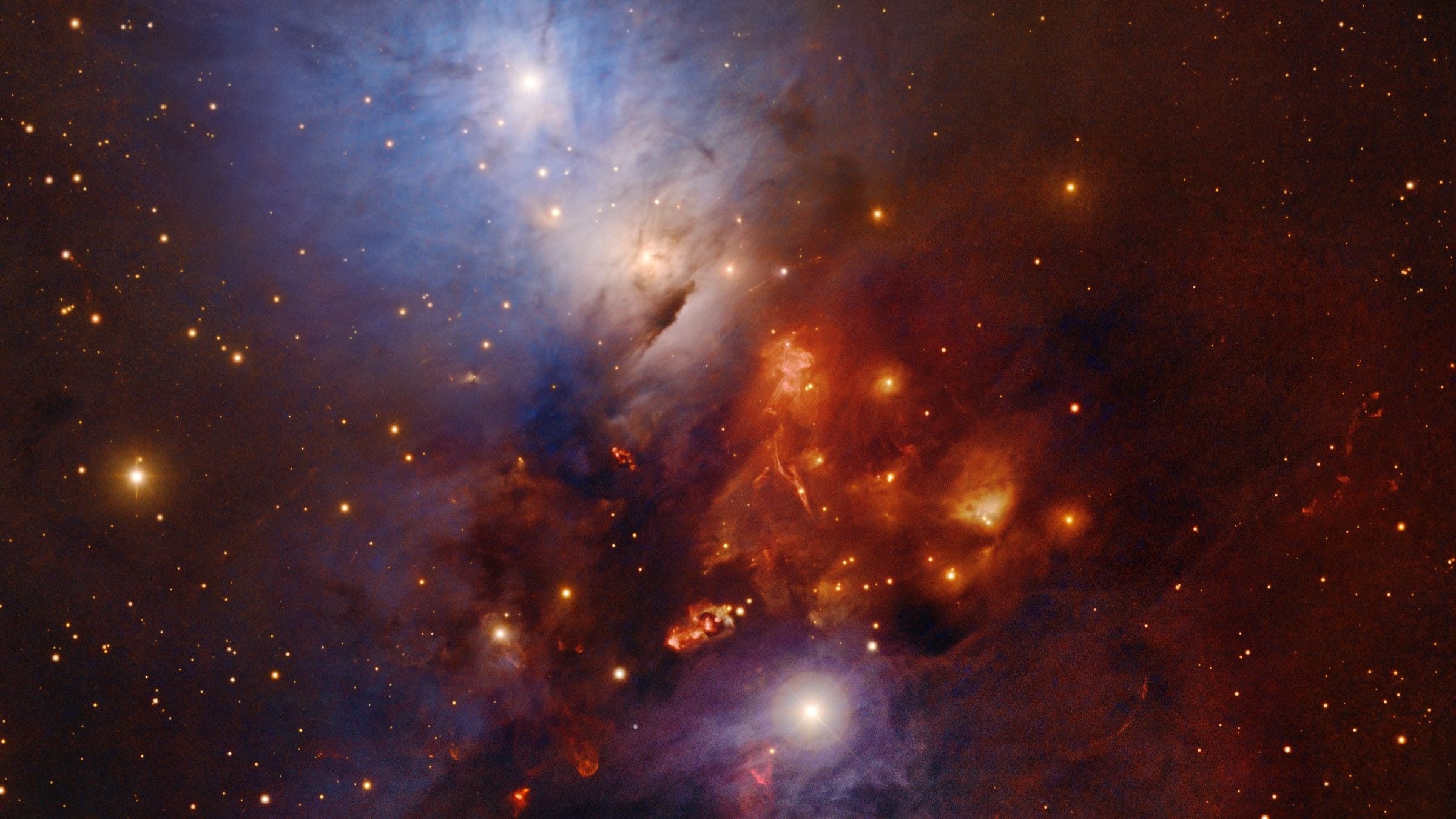
A new high-resolution image of the reflection nebula NGC 1333 and the binary star system SVS 13 reveals over 400 molecular rings, each marking past energetic outbursts from a young star, providing direct observational evidence of star formation processes and the history of stellar activity.
The James Webb Space Telescope captured a detailed image of the Sagittarius B2 molecular cloud, a highly efficient star-forming region about 26,000 light-years away, revealing complex chemical areas and offering clues to its extraordinary star production despite limited gas resources.
A star-forming region called NGC 2264, located 2,700 light-years away in Monoceros, resembles a Christmas tree with glowing clouds, young stars, and nebulae, creating a festive cosmic display nearly 80 light-years across.
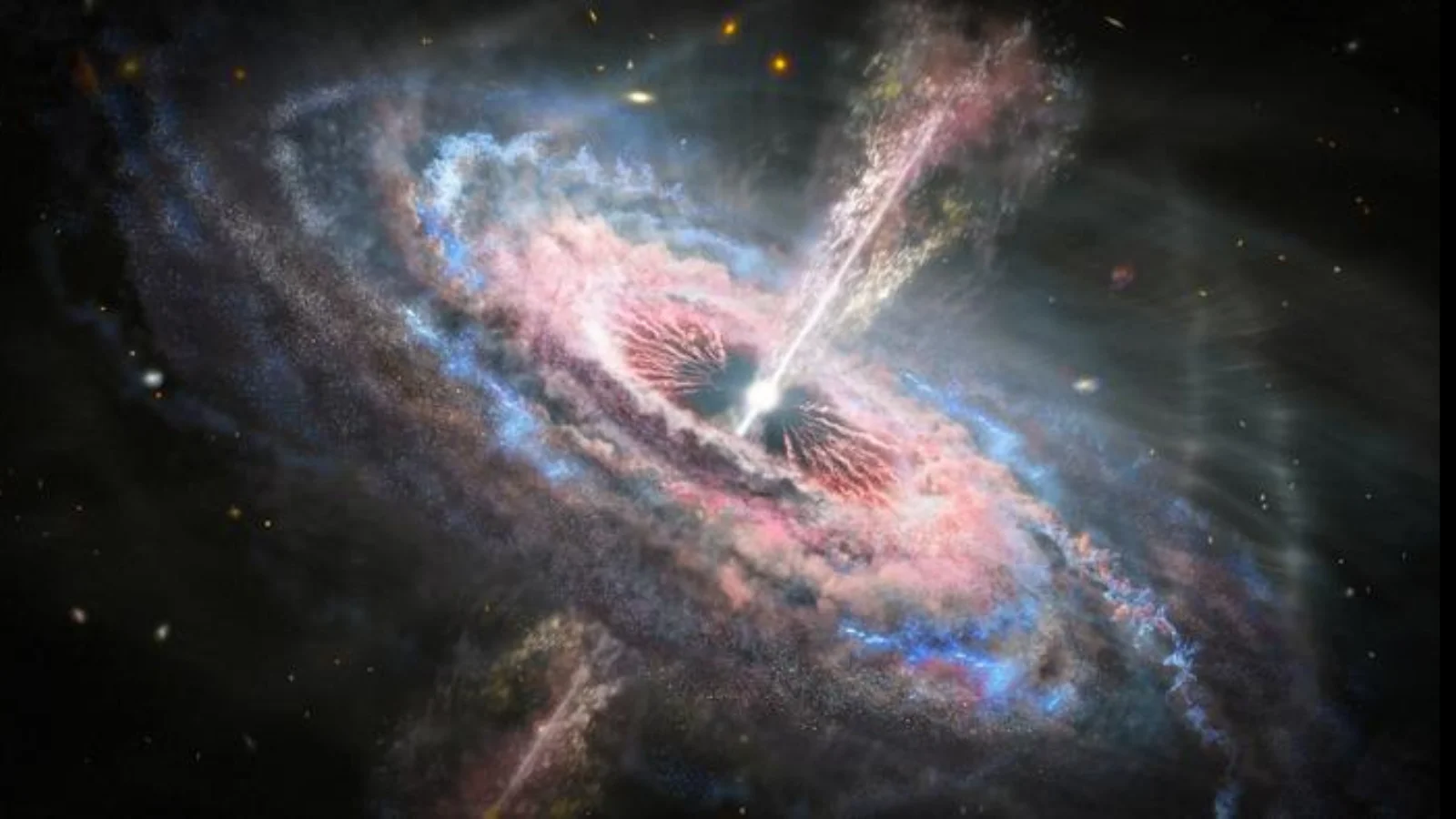
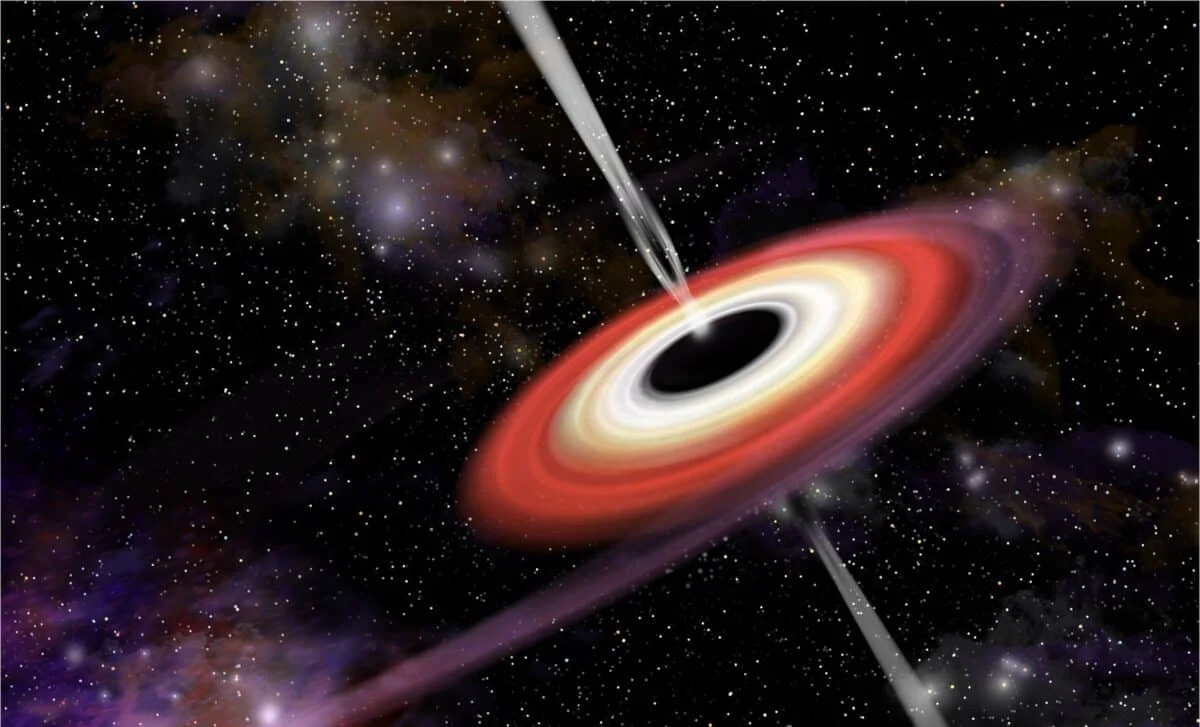
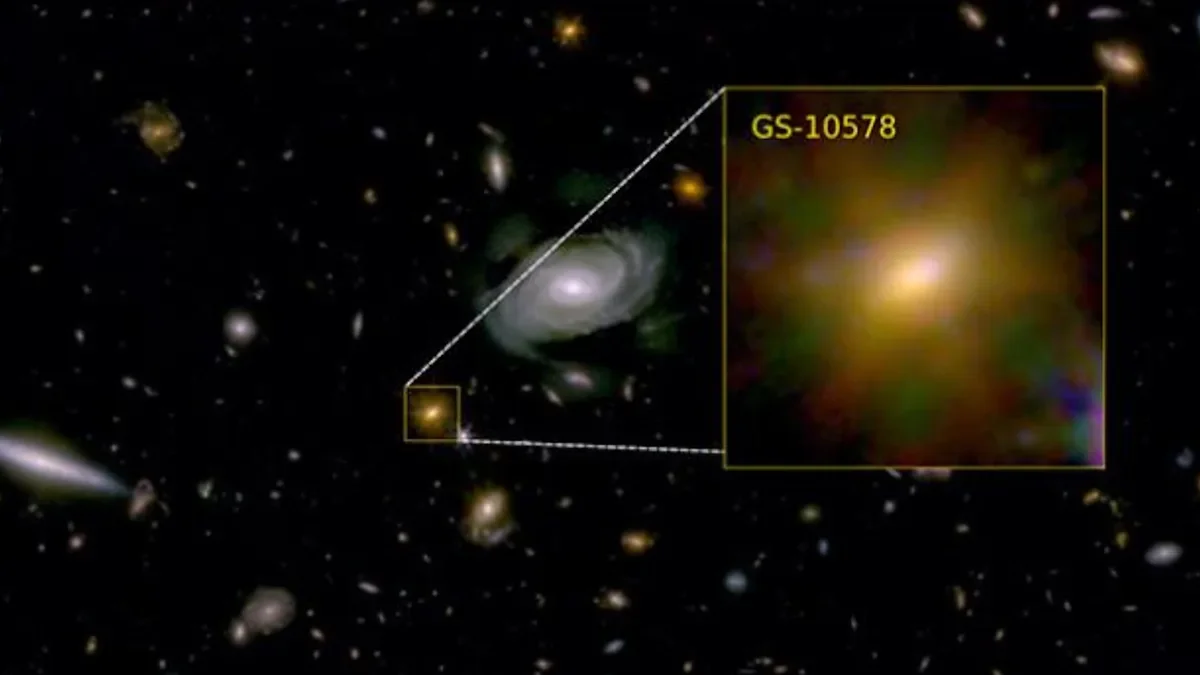
Astronomers using the Webb space telescope have observed the first known runaway supermassive black hole, which is traveling at 2.2 million mph and leaving a trail of gas that is forming new stars over 200,000 light-years long, likely ejected from its galaxy due to a galaxy merger or binary black hole interaction.
Astronomers have observed a supermassive black hole, RBH-1, escaping its galaxy at nearly 1,000 km/s, leaving a trail of newborn stars and a shock front, confirming long-standing theories about black hole ejections during galaxy mergers, with implications for galaxy evolution and future discoveries.
On December 18, after dark, viewers can observe Orion's Sword, featuring the Orion Nebula, a nearby and prominent star-forming region in the Milky Way, visible as a faint haze surrounding the middle star of Orion's Belt.
Astronomers using the James Webb Space Telescope confirmed the existence of a runaway supermassive black hole, 10 million times the sun's mass, moving at 2.2 million mph through the Cosmic Owl galaxies, leaving a trail of star-forming gas and shock waves, and providing new insights into black hole ejections during galaxy mergers.
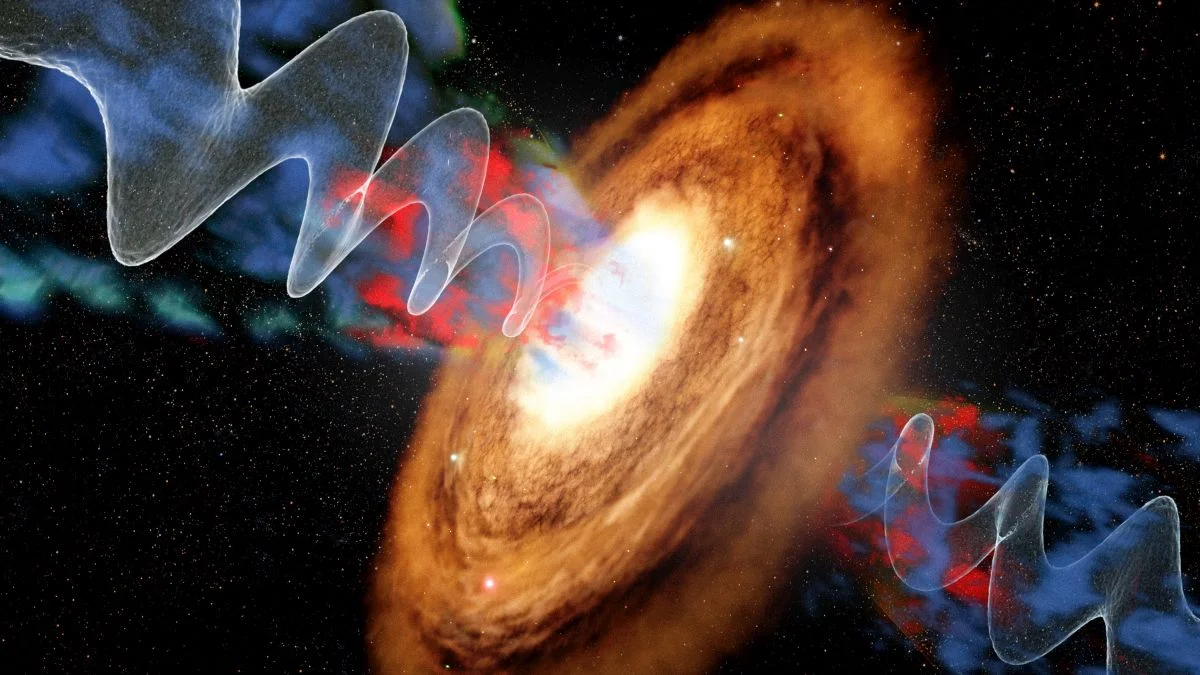
Astronomers using the James Webb Space Telescope discovered unexpected high-energy ultraviolet radiation around five protostars in the Ophiuchus star-forming region, challenging previous assumptions that young stars do not produce such radiation. The findings suggest the radiation is likely generated internally, possibly from shocks during material infall or jets from the protostars, prompting a reevaluation of star formation models.
Astronomers analyzing data from the Euclid telescope and Herschel mission have concluded that the universe's star formation has peaked and is now declining, with galaxies gradually cooling down, suggesting the universe is becoming 'colder and deader' over billions of years.
Observations from ESA's Euclid and Herschel space telescopes reveal that galaxies have gradually cooled and experienced declining star formation rates over the past 10 billion years, indicating that the universe's growth phase is ending, though it will take trillions of years before it becomes completely quiescent.
A groundbreaking radio image of the Milky Way, created from over 40,000 hours of data, reveals detailed views of star death and birth, marking a significant milestone in galactic imaging and understanding stellar life cycles.
Astronomers have discovered a rogue planet, Cha 1107-7626, that is rapidly accreting gas and dust at a record rate of 6.6 billion tons per second, exhibiting behavior similar to young stars and raising questions about its formation and evolution.