Tag

Supernova Remnants

All articles tagged with #supernova remnants

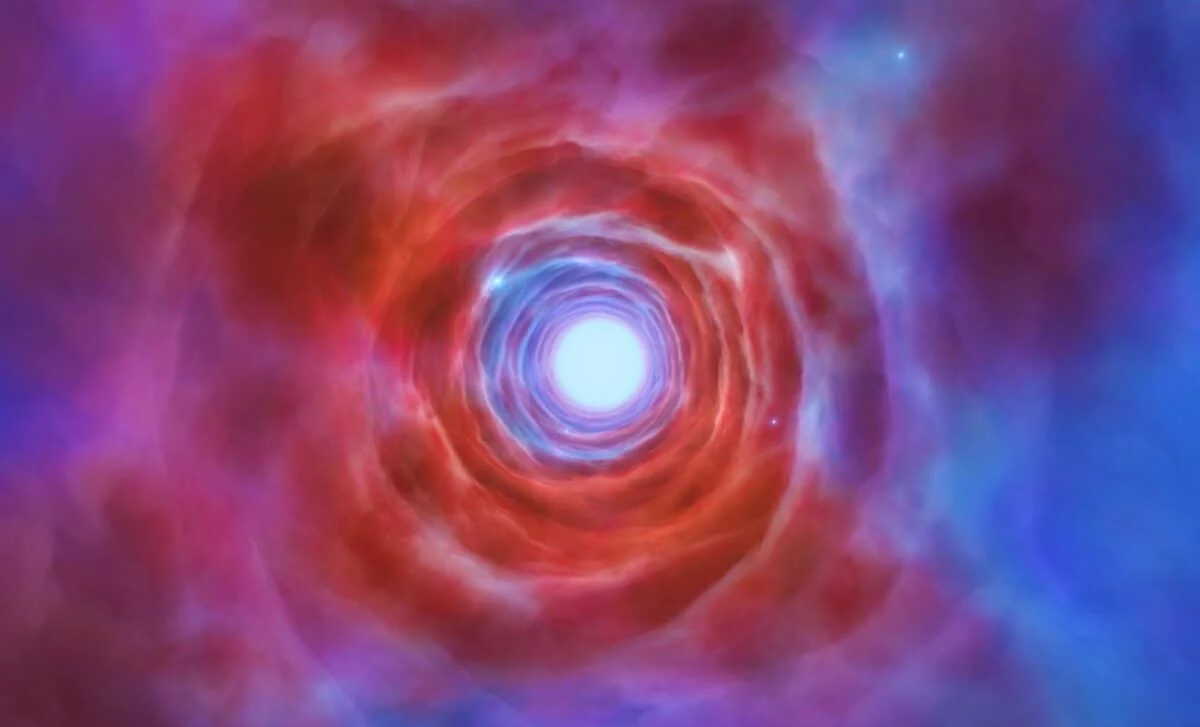
Astronomers Discover Interstellar Tunnel Linking Our Solar System to Distant Stars

Originally Published 15 days ago — by The Daily Galaxy

Featured image for Astronomers Discover Interstellar Tunnel Linking Our Solar System to Distant Stars
Source: The Daily Galaxy

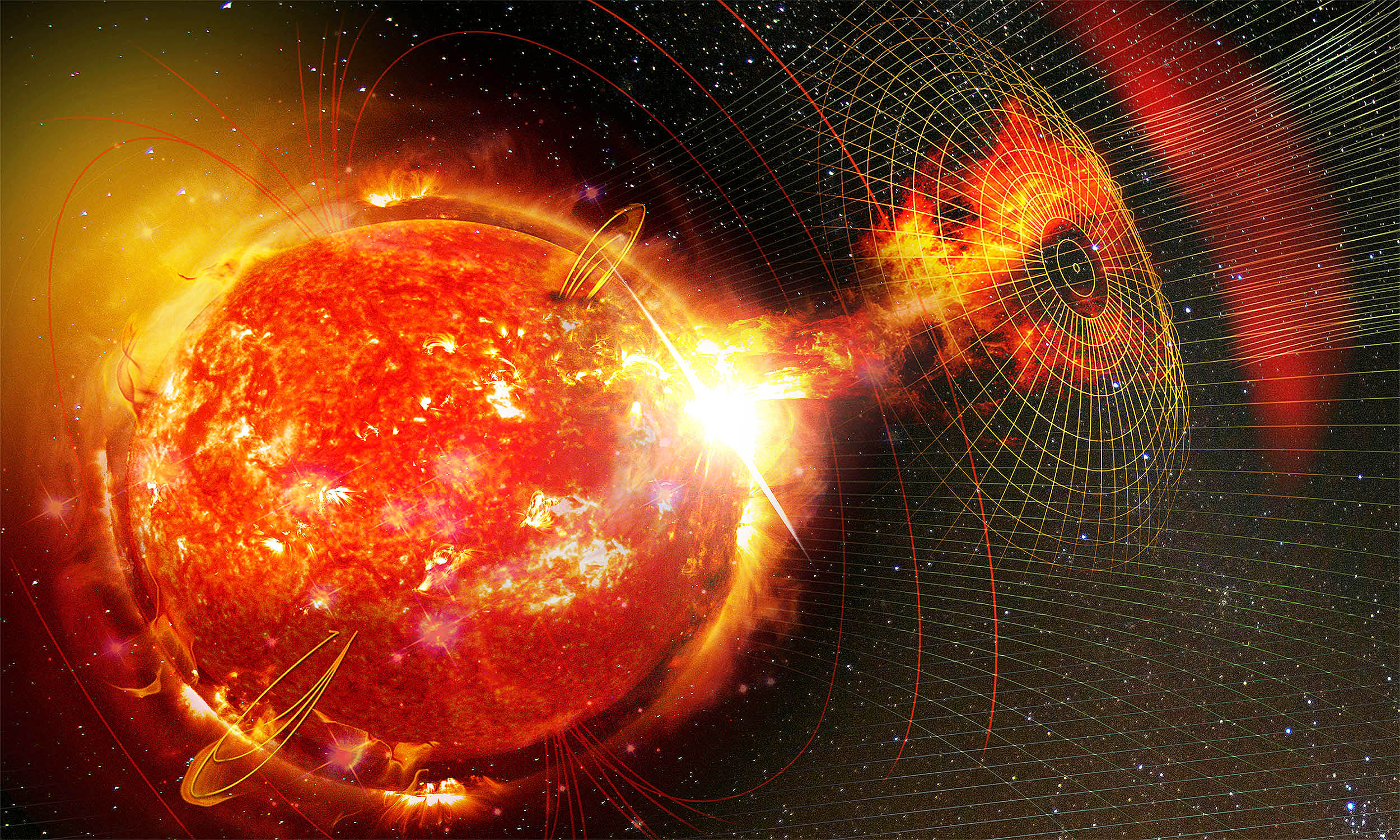
Scientists using eROSITA data have discovered narrow, tunnel-like plasma structures within the Local Hot Bubble, potentially shaped by ancient supernova explosions, which may connect our solar system to distant regions of the galaxy and support models of interconnected superbubbles in the Milky Way.

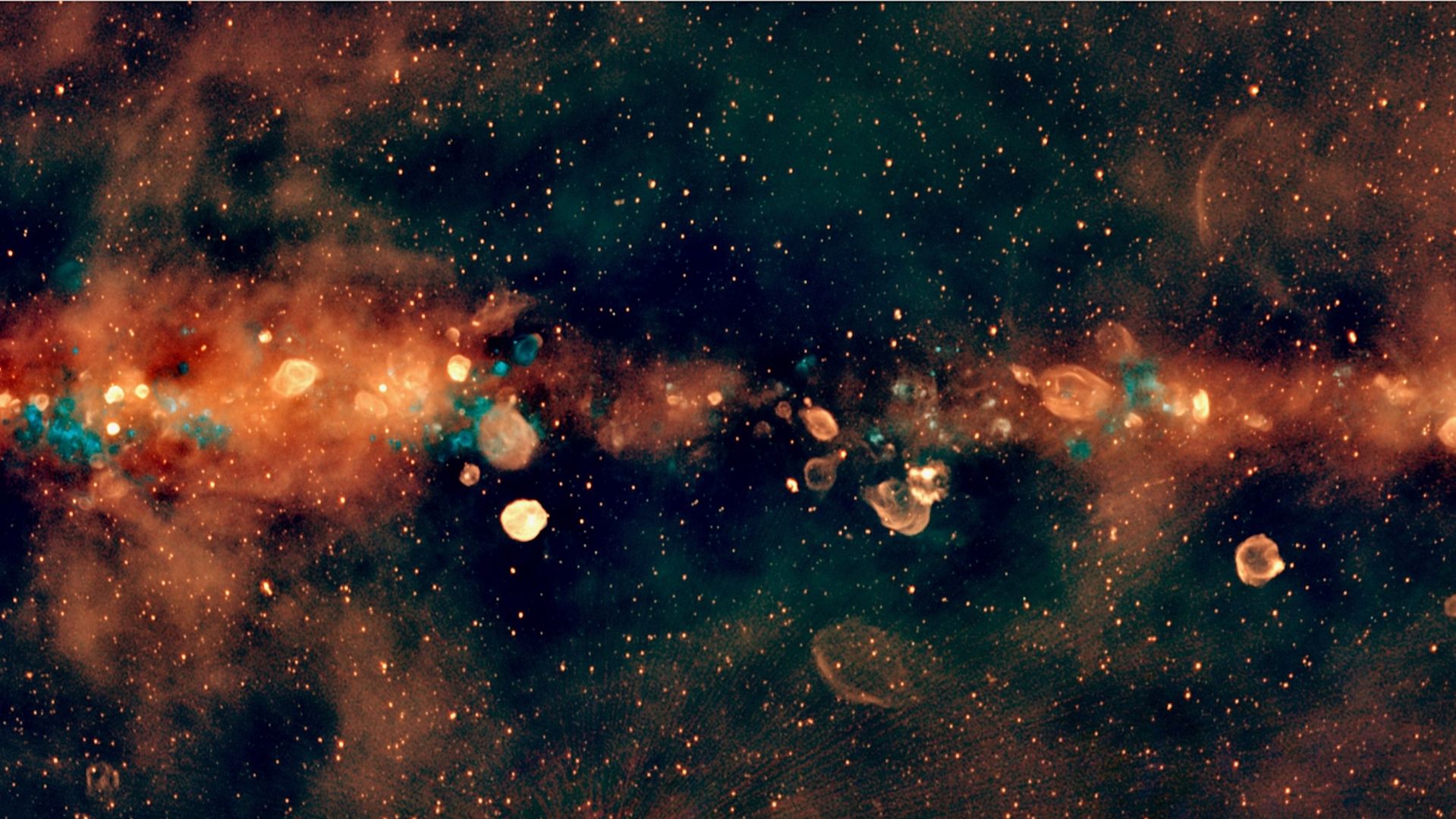
Revolutionary Radio Color Map Offers Unprecedented View of the Milky Way

Originally Published 2 months ago — by Space

Featured image for Revolutionary Radio Color Map Offers Unprecedented View of the Milky Way
Source: Space

Astronomers have released the largest low-frequency radio color image of the Milky Way, revealing detailed structures like supernova remnants, star-forming regions, and pulsars, created from data by the Murchison Widefield Array in Australia, providing new insights into our galaxy's hidden features and setting the stage for future observations with the upcoming SKA-Low telescope.

Astronomers Find Interstellar Tunnel Linking Solar System to Other Stars

Originally Published 5 months ago — by Earth.com

Featured image for Astronomers Find Interstellar Tunnel Linking Solar System to Other Stars
Source: Earth.com

Astronomers have discovered a cosmic 'interstellar tunnel' connecting our solar system to distant stars, revealed through X-ray observations that map hot, low-density plasma regions shaped by ancient supernovae, challenging previous notions of space as empty and suggesting a complex network of interstellar pathways.

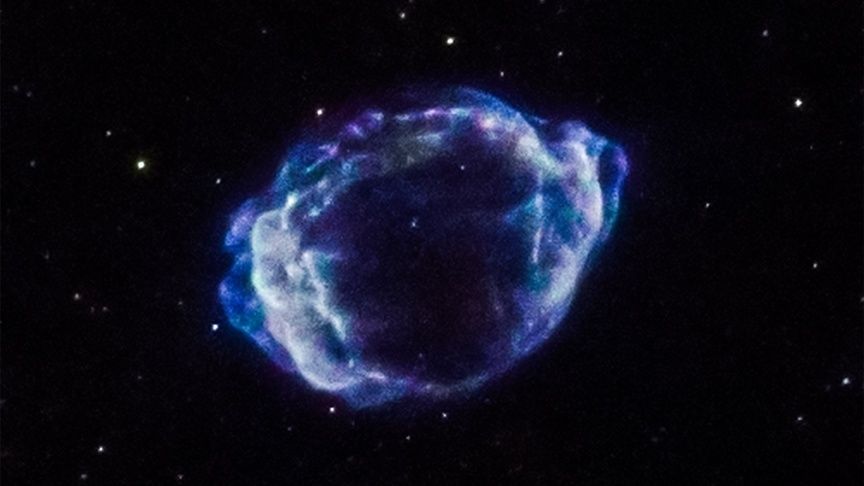
"Neutron Stars: Unlocking Exotic Physics with Ultra-Dense Matter"

Originally Published 1 year ago — by NASA

Featured image for "Neutron Stars: Unlocking Exotic Physics with Ultra-Dense Matter"
Source: NASA

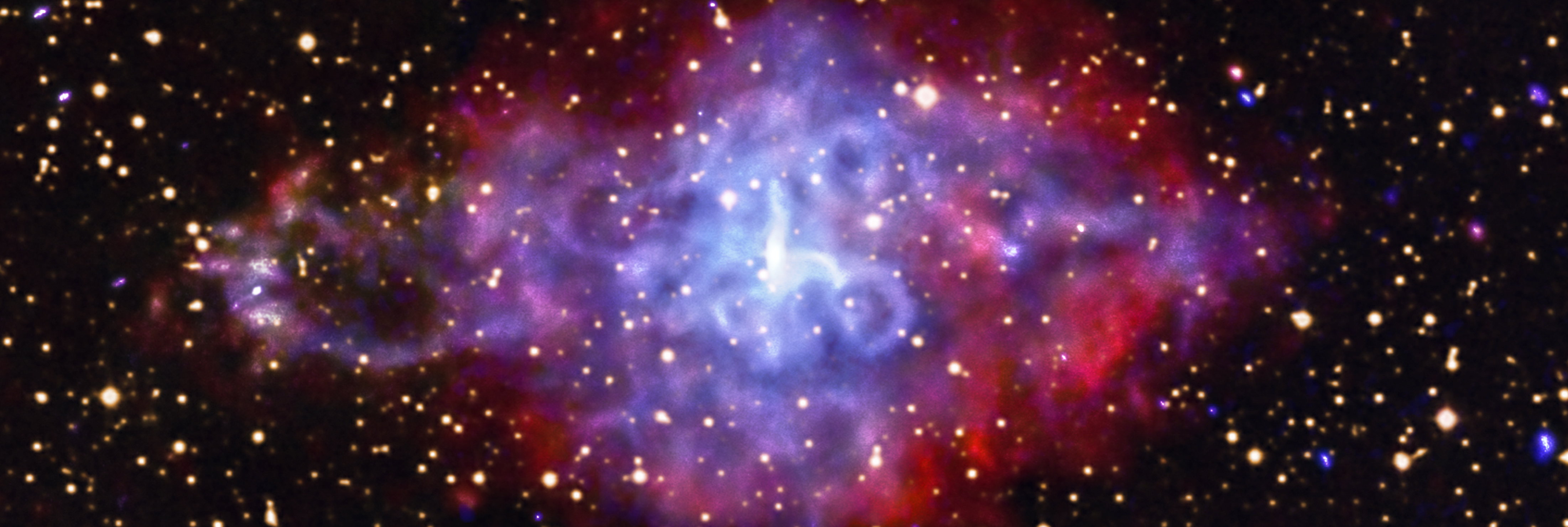
NASA's Chandra X-ray Observatory and ESA’s XMM-Newton have revealed that neutron stars, such as the one in the supernova remnant 3C 58, may contain ultra-dense matter not found elsewhere in the Universe. Using machine learning, researchers analyzed data to determine the equation of state for these stars, finding that more massive neutron stars cool rapidly due to special processes, possibly involving exotic matter or radioactive decay.

"Stunning 14-Year Timelapse Captures Gamma-Ray Sky's Beauty"

Originally Published 2 years ago — by ScienceAlert

Featured image for "Stunning 14-Year Timelapse Captures Gamma-Ray Sky's Beauty"
Source: ScienceAlert

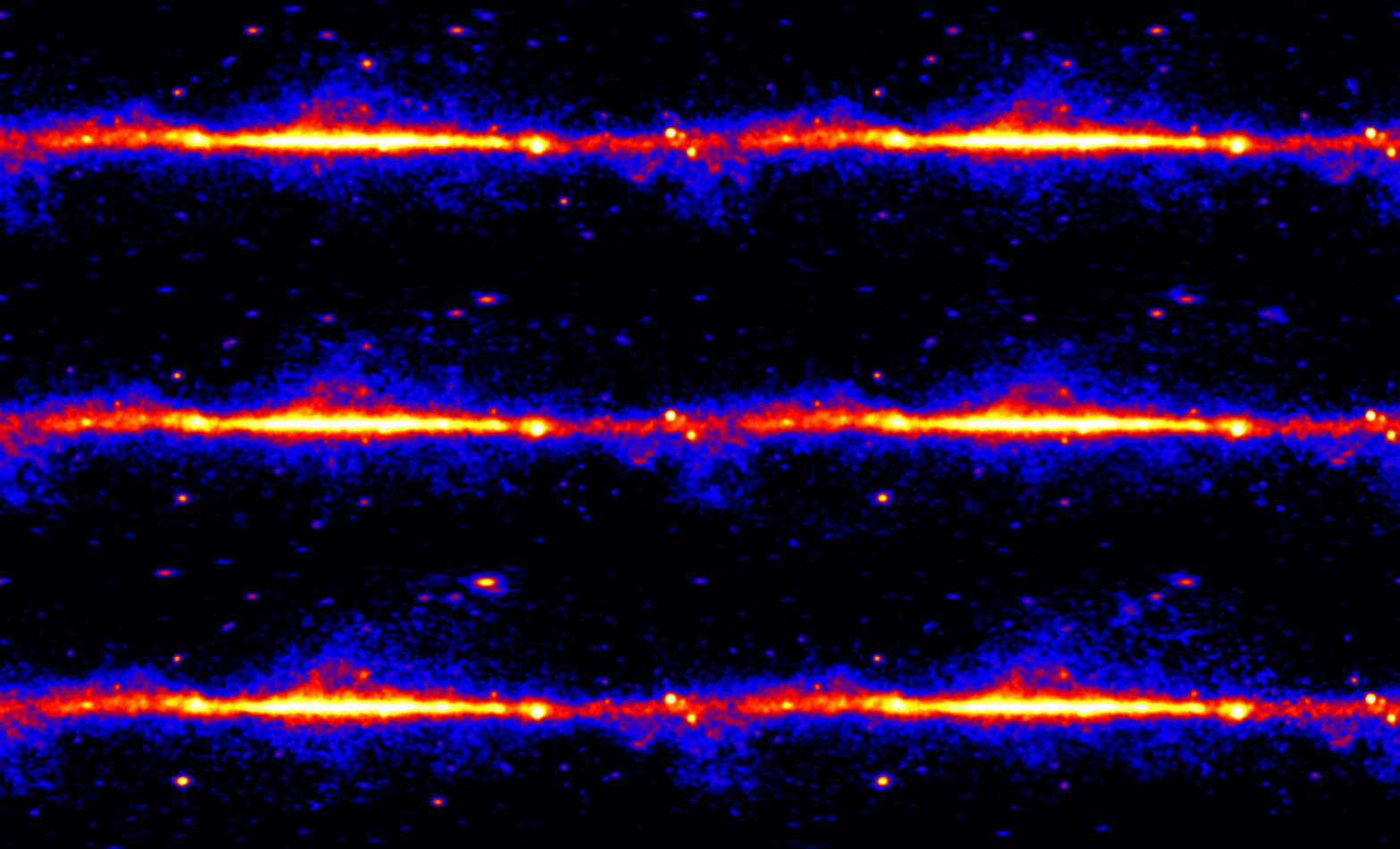
NASA's Fermi Gamma-Ray Space Telescope has compiled a timelapse of its data collected between August 2008 and August 2022, revealing the sources of gamma radiation in the Universe. The timelapse showcases the Sun's steady arc across the screen, blazar galaxies with active supermassive black holes, and other sources such as supernova remnants. Fermi's observations provide insights into the most energetic events and objects in the cosmos, despite the challenges of studying gamma radiation from Earth's surface.

Unveiling the Elusive Origins of High-Energy Cosmic Rays

Originally Published 2 years ago — by Space.com

Featured image for Unveiling the Elusive Origins of High-Energy Cosmic Rays
Source: Space.com

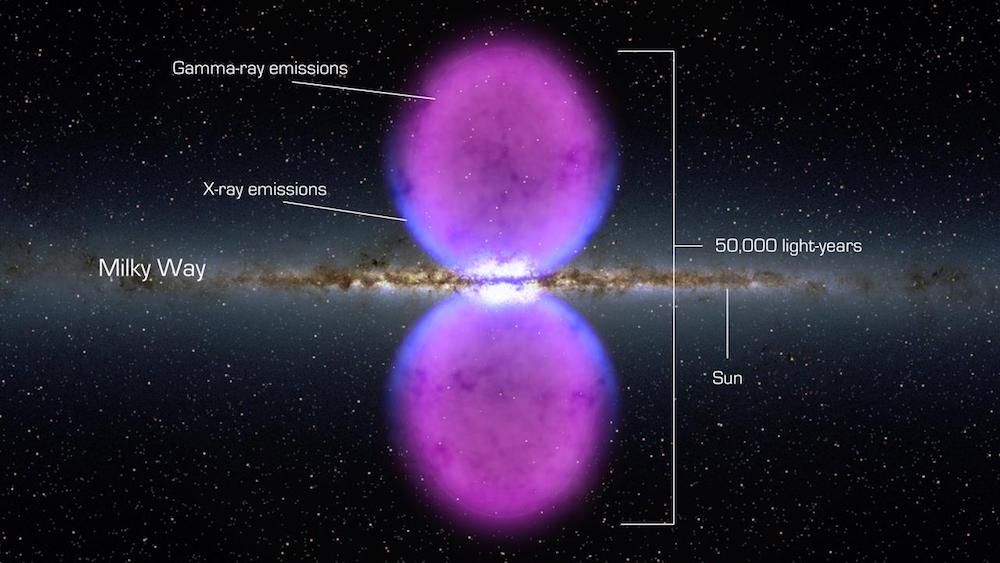
A new study suggests that the most energetic cosmic rays in the universe originate from within the Milky Way galaxy, specifically from the remnants of exploded stars known as supernova remnants. The findings were made possible by the Calorimetric Electron Telescope (CALET), a sensitive instrument mounted on the International Space Station (ISS) that has detected over seven million ultra-high-energy cosmic ray particles since 2015. The recorded high-energy rays provide convincing evidence that they originated from sources nearby our solar system, possibly from at least three of the 12 supernova remnants within 3,000 light-years of us. The research supports the current understanding of high-energy electrons and offers insights into the galaxy and its sources.

Uncovering Hidden Supernova Remnants: Astronomers on the Hunt

Originally Published 2 years ago — by Space.com

Featured image for Uncovering Hidden Supernova Remnants: Astronomers on the Hunt
Source: Space.com

Astronomers are conducting a new search for supernova remnants in our galaxy using radio observations captured with the Very Large Array (VLA) and the MeerKAT array. Between 300 and 400 supernova remnants have been found in the Milky Way so far, but based on observations of other galaxies, astronomers believe there could be as many as 1,000 in our galaxy. The researchers aim to use machine learning and visual inspection to distinguish the remnants from other forms of nebulosity in the galaxy and study their shape and element distribution to understand how supernovae eject debris and interact with the interstellar medium.

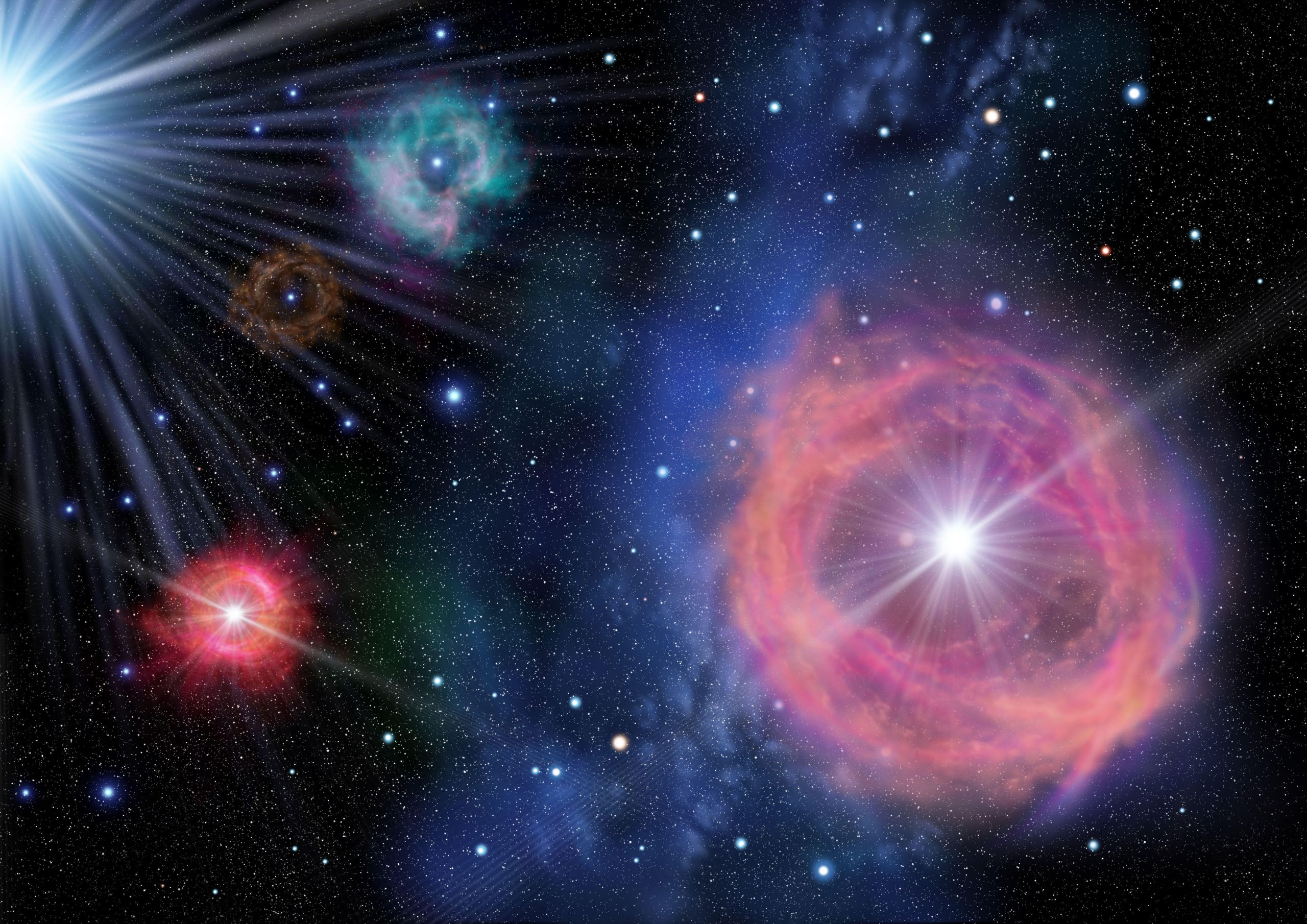
Possible Discovery of Universe's First Massive Stars

Originally Published 2 years ago — by Universe Today

Featured image for Possible Discovery of Universe's First Massive Stars
Source: Universe Today

A recent study published in Nature has found evidence of massive first-generation stars in the early universe. The team looked at a distant star known as J1010+2358, which is low in metals, and found it had extremely low abundances of sodium and cobalt, but higher abundances of magnesium and nickel. This split between even and odd abundances is exactly the kind of thing you would expect to see in the remnant of a pair-instability supernova. Based on the observations, the team estimates that J1010+2358 formed from the remnant of a 260 solar mass progenitor, which was likely a first-generation Population III star.