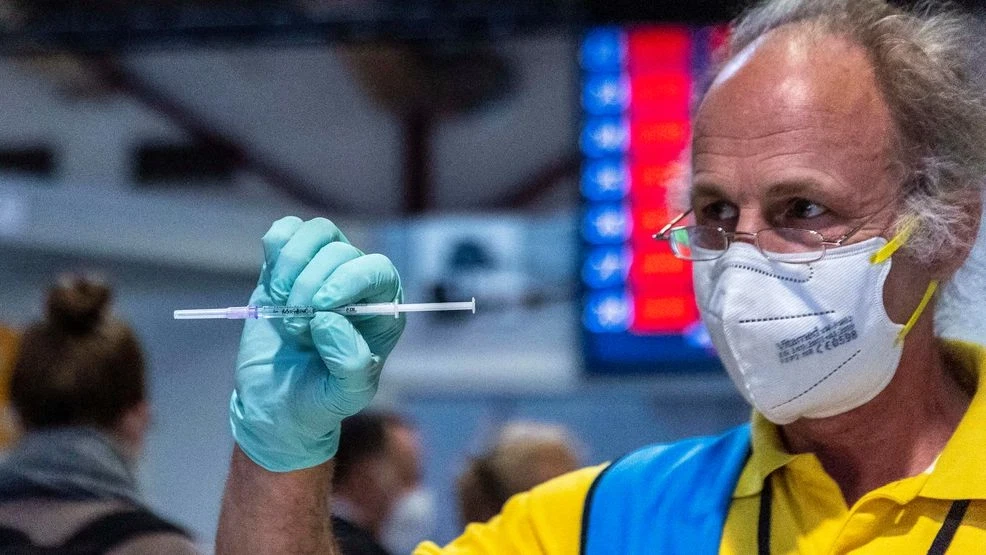
A Stanford Medicine study indicates that mRNA COVID-19 vaccines can cause myocarditis, especially in young men and adolescents, with a very low incidence rate, but most cases recover fully and the benefits of vaccination outweigh the risks.
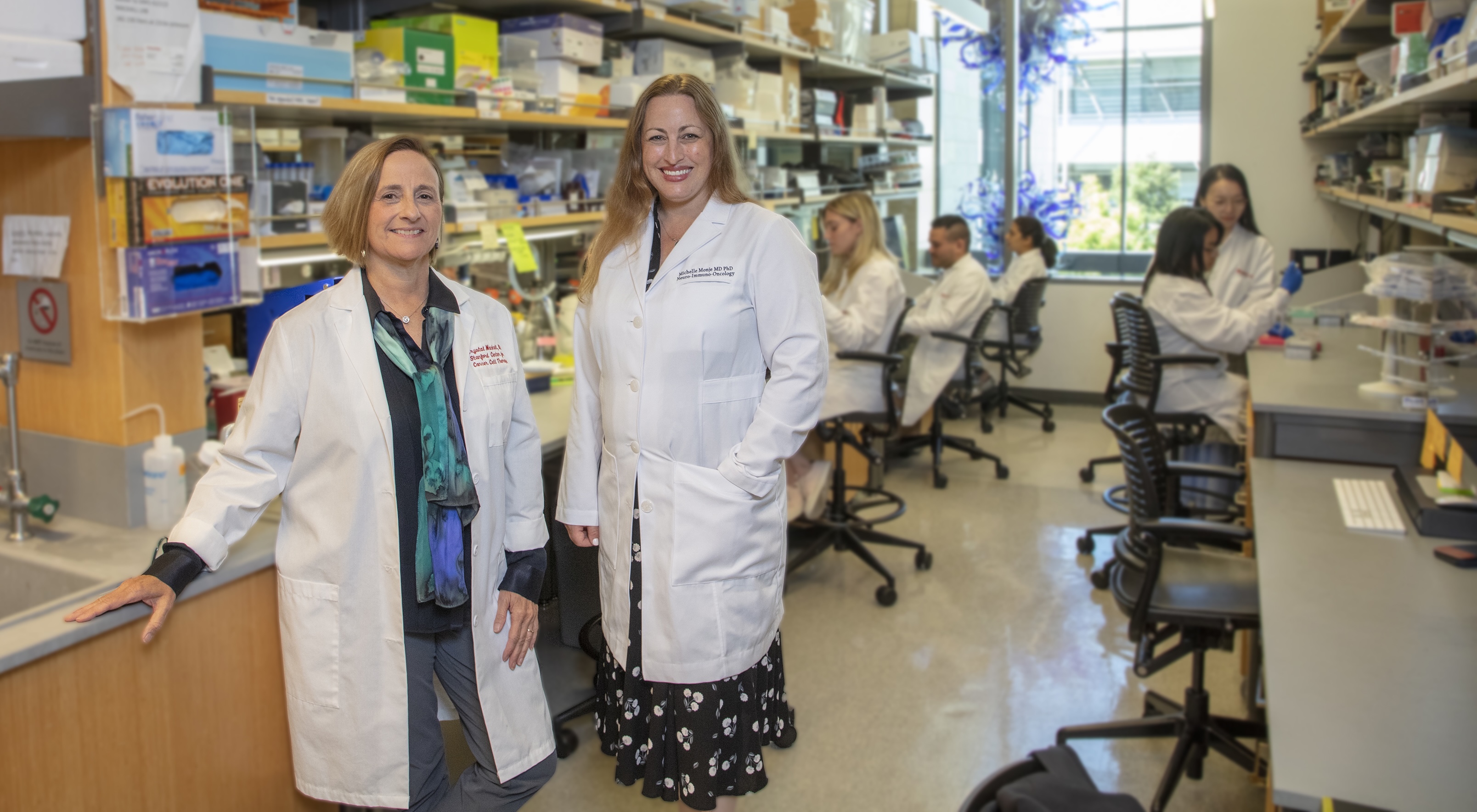
A Stanford Medicine clinical trial has shown promising results using CAR-T cell therapy to treat diffuse intrinsic pontine glioma (DIPG), a typically incurable childhood brain cancer. Of 11 participants, nine showed benefits, with one experiencing a complete tumor disappearance. The trial, which received a regenerative medicine advanced therapy designation from the FDA, marks a significant step forward in treating solid tumors with engineered immune cells. Researchers aim to refine the therapy to enhance its effectiveness and reduce side effects.
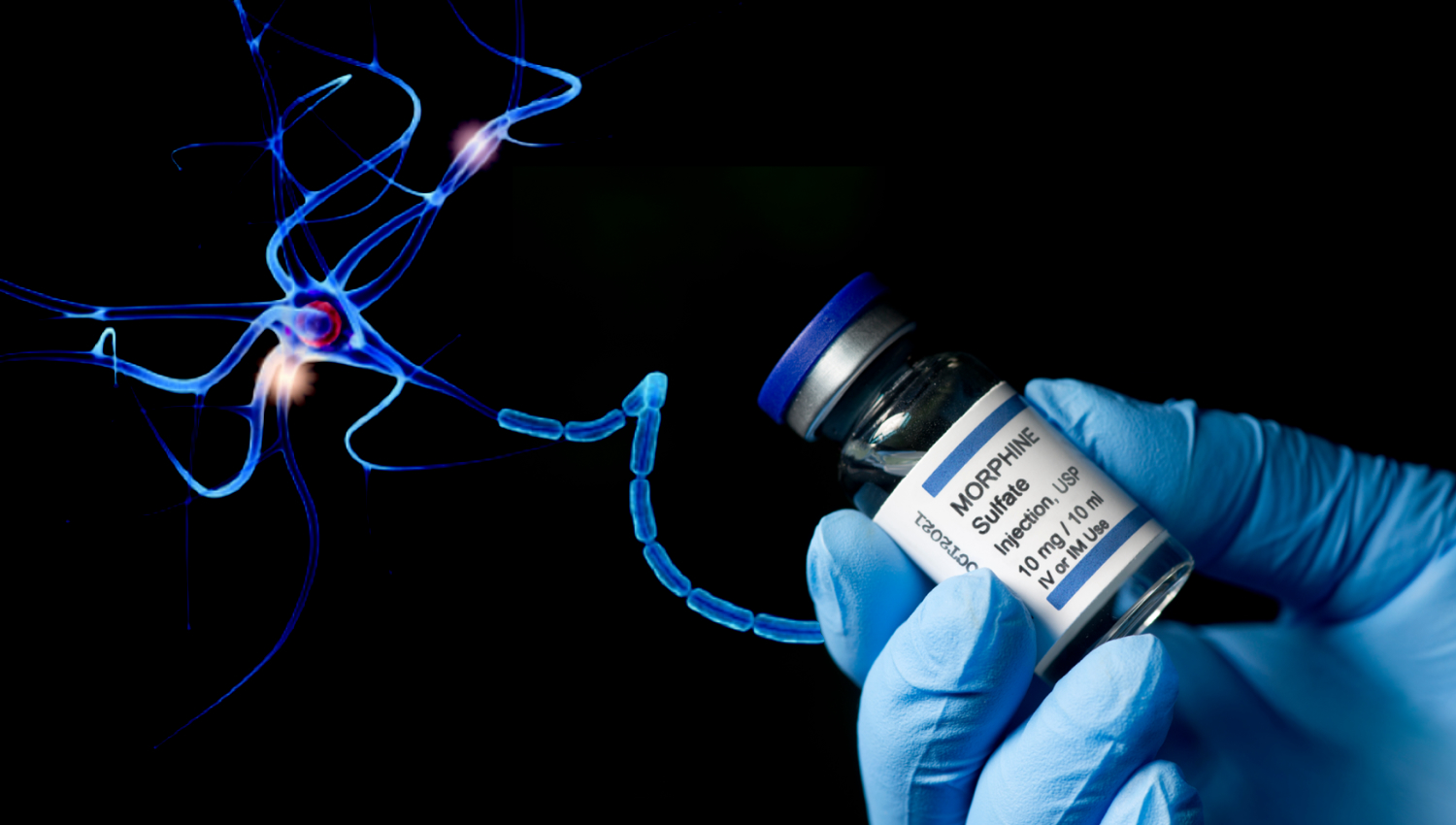
Stanford Medicine research reveals that adaptive myelination, a process crucial for learning and skill acquisition, can also promote opioid addiction by enhancing the brain's reward circuitry. In mice, a single dose of morphine triggered myelination of dopamine-producing neurons, leading to drug-seeking behavior. Blocking myelination prevented addiction, suggesting potential strategies for treating opioid dependence.
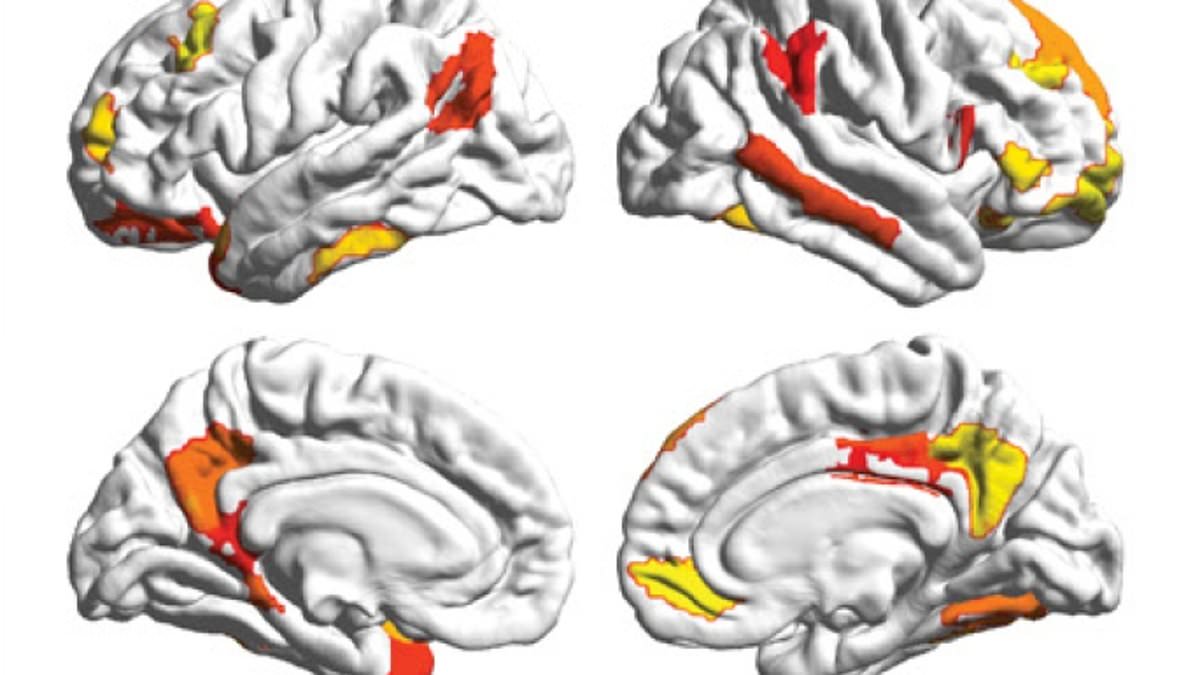
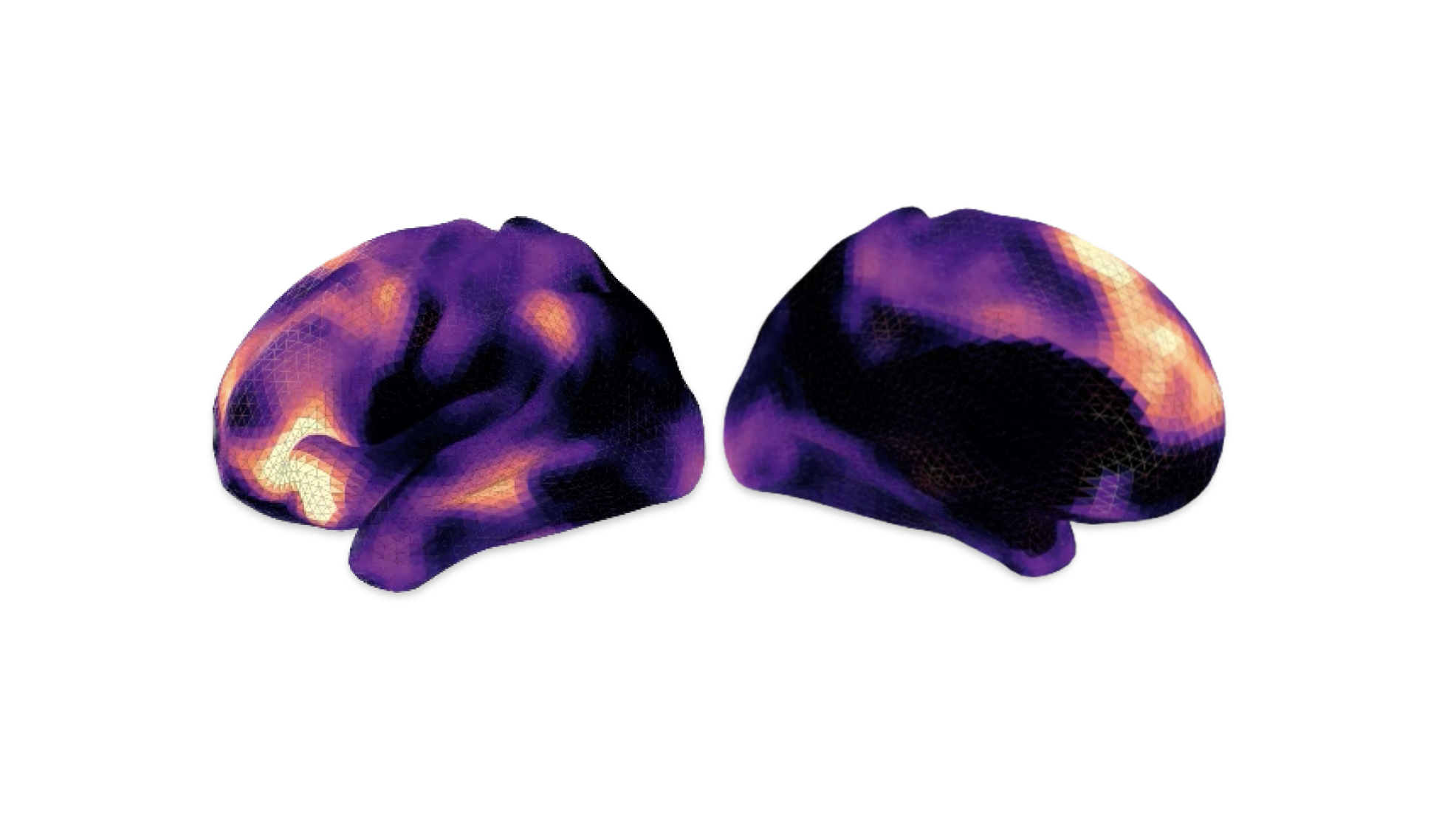
Stanford Medicine researchers have developed a new artificial intelligence model that can distinguish between male and female brains with over 90% accuracy, revealing distinct brain organization patterns. The study, published in the Proceedings of the National Academy of Sciences, suggests that understanding these differences is crucial for addressing neuropsychiatric conditions affecting women and men differently. The model identified key brain networks contributing to the differences and successfully predicted cognitive performance based on sex-specific brain features. The research was sponsored by the National Institutes of Health and aims to make the model publicly available for broader applications.
A new study using an artificial intelligence model has shown that there are distinct differences in brain activity between men and women, particularly in areas such as the default mode network, striatum, and limbic network. These findings support the idea that biological sex shapes the brain and may help shed light on brain conditions that affect men and women differently. The AI model was able to distinguish between male and female brain scans with over 90% accuracy, and the study's "explainable" nature allowed researchers to identify which brain regions were most important in determining a person's sex.
A new study conducted by researchers at Stanford Medicine has found compelling evidence that a vegan diet can significantly improve heart health in just two months. The study involved 22 pairs of identical twins, with one twin following a vegan diet and the other an omnivorous diet. After eight weeks, the vegan group showed lower LDL cholesterol, insulin, and body weight compared to the omnivorous group. The results suggest that a healthy plant-based diet offers a protective advantage for cardiometabolic health. This randomized controlled trial provides strong evidence supporting the health benefits of a vegan diet, which has been linked to lower rates of Type 2 diabetes, heart disease, and obesity in previous observational studies.
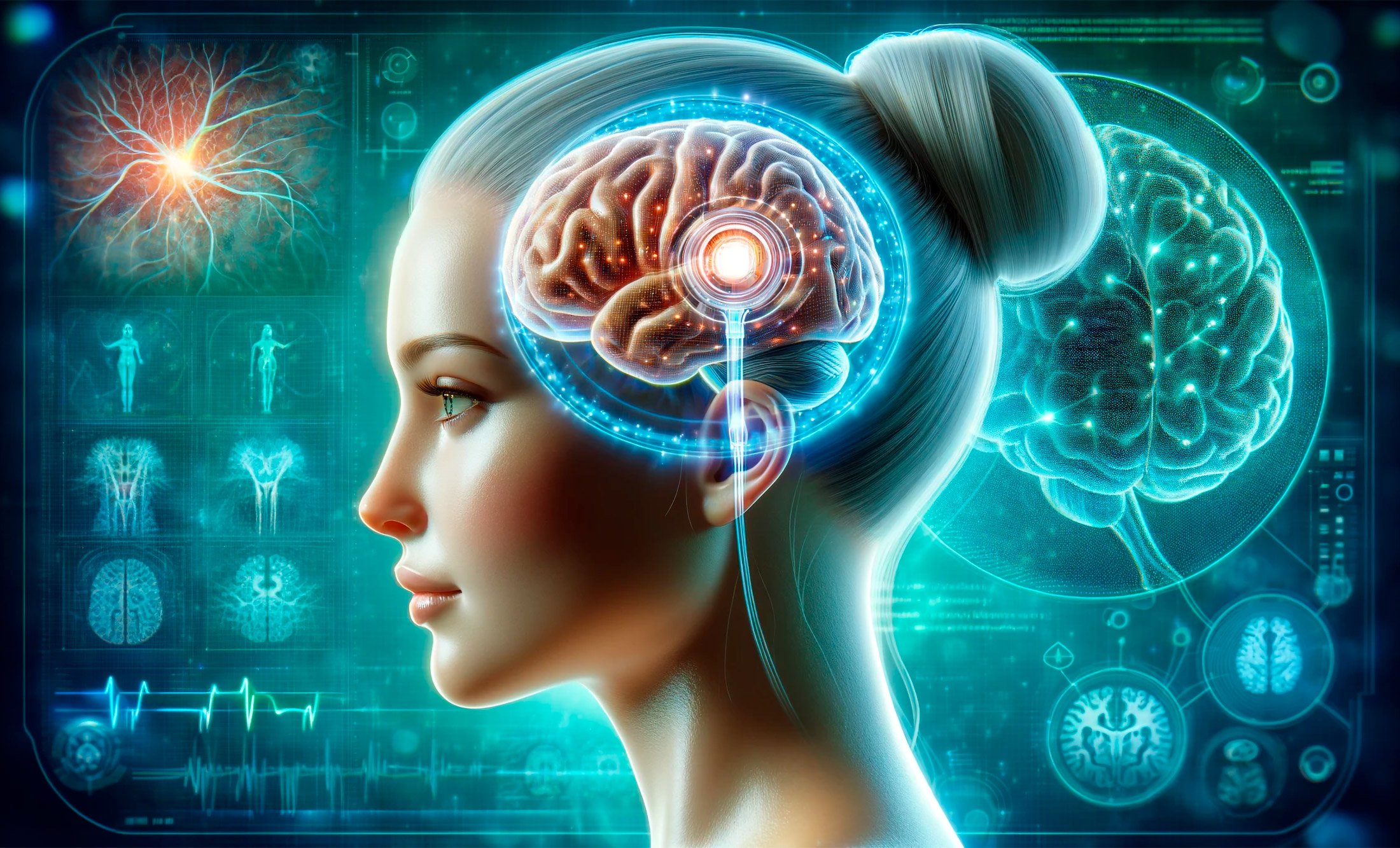
A clinical trial conducted by Stanford Medicine using deep-brain stimulation has shown promising results in restoring cognitive functions and improving daily life activities for individuals with moderate to severe brain injuries. The technique, tailored to each patient, exceeded expectations and is the first to offer hope for long-lasting impairments caused by traumatic brain injuries. The trial involved five participants who experienced significant improvements in cognitive abilities after the implantation of a device that stimulated specific brain networks. The success of the trial highlights a breakthrough in brain injury treatment and paves the way for further advancements in this field.
A clinical trial conducted by Stanford Medicine and other institutions has shown promising results in restoring cognitive abilities in individuals with moderate to severe traumatic brain injuries. The trial involved the surgical implantation of a deep-brain-stimulation device that stimulated the brain networks affected by the injury. Participants experienced improvements in focus, memory, and emotional regulation. The technique targets the central lateral nucleus in the thalamus, which plays a crucial role in consciousness. The study offers hope for individuals who have long-lasting impairments from traumatic brain injuries.
Researchers at Stanford Medicine have discovered that transcranial magnetic stimulation (TMS), a treatment for severe depression, works by reversing abnormal brain signals. The study also identified a potential biomarker for diagnosing depression - the backward flow of neural activity between key areas of the brain. By applying magnetic pulses to stimulate the brain, TMS can rapidly alleviate symptoms in individuals for whom traditional treatments have been ineffective. The research team used functional magnetic resonance imaging (fMRI) to analyze brain activity and found that the flow of signals between specific brain regions was reversed in depressed patients. However, after receiving TMS treatment, the flow of neural activity shifted back to normal, coinciding with an improvement in depression symptoms. This discovery could help develop personalized treatments and biomarkers for depression.
Researchers at Stanford Medicine have discovered that transcranial magnetic stimulation (TMS) treats severe depression by reversing the direction of abnormal brain signals. The study found that the flow of neural activity between the anterior insula and anterior cingulate cortex was reversed in three-quarters of participants with depression. TMS treatment corrected the abnormal flow of signals within a week, coinciding with a lifting of depression. The researchers also found that the abnormal flow of signals could serve as a biomarker for depression and a method of personalized targeting to treat its underlying cause.
A clinical trial by Stanford Medicine to study the use of Paxlovid to fight long COVID was disrupted when patients left the trial due to staff not wearing masks. Though masking is no longer mandated by the California Department of Public Health and Santa Clara County Public Health, patients expected clinical trial staff to continue masking around them to reduce the chances of reinfection or exposure to other infectious diseases. The lack of protections for participants has undermined their trust in the medical staff and researchers behind the study.