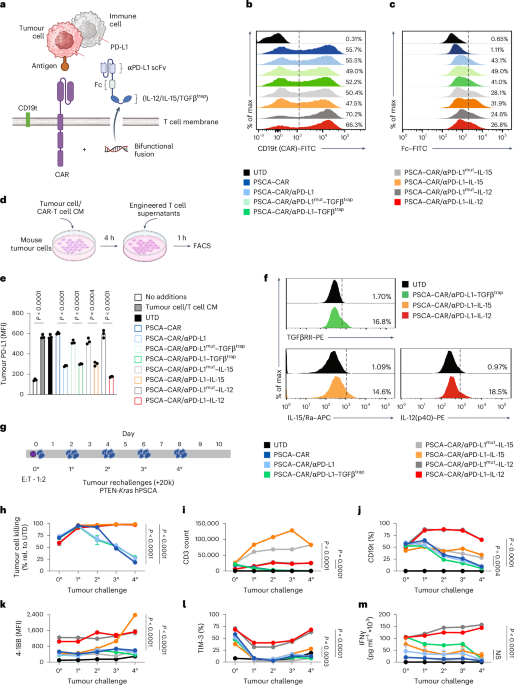
Researchers engineered CAR-T cells to secrete bifunctional fusion proteins targeting PD-L1 for localized IL-12 delivery, enhancing antitumor activity and safety in solid tumor models by modulating the tumor microenvironment and reducing systemic toxicity.
Advances in cancer treatment are focusing on harnessing the body's immune system, including vaccines, genetically engineered immune cells like CAR-T, and preventive vaccines targeting pre-cancerous cells, which could revolutionize cancer prevention and therapy.
A phase 2 clinical trial demonstrated that the CAR T cell therapy satricabtagene autoleucel (satri-cel) significantly extended survival in patients with advanced stomach cancers, with patients living 40% longer on average and showing higher tumor shrinkage, although side effects are notable but manageable.
Researchers at UCSF have developed a 'molecular GPS' to guide immune cells to brain tumors, such as glioblastoma, allowing precise targeting while sparing healthy tissue. This innovative approach, tested successfully in mice, uses a protein code to direct immune cells to attack cancer cells, offering a safer alternative to traditional treatments. The technology also reduced brain inflammation in multiple sclerosis models and holds promise for treating various hard-to-reach brain diseases. Human trials are anticipated, potentially benefiting millions with cancer or neurological conditions.
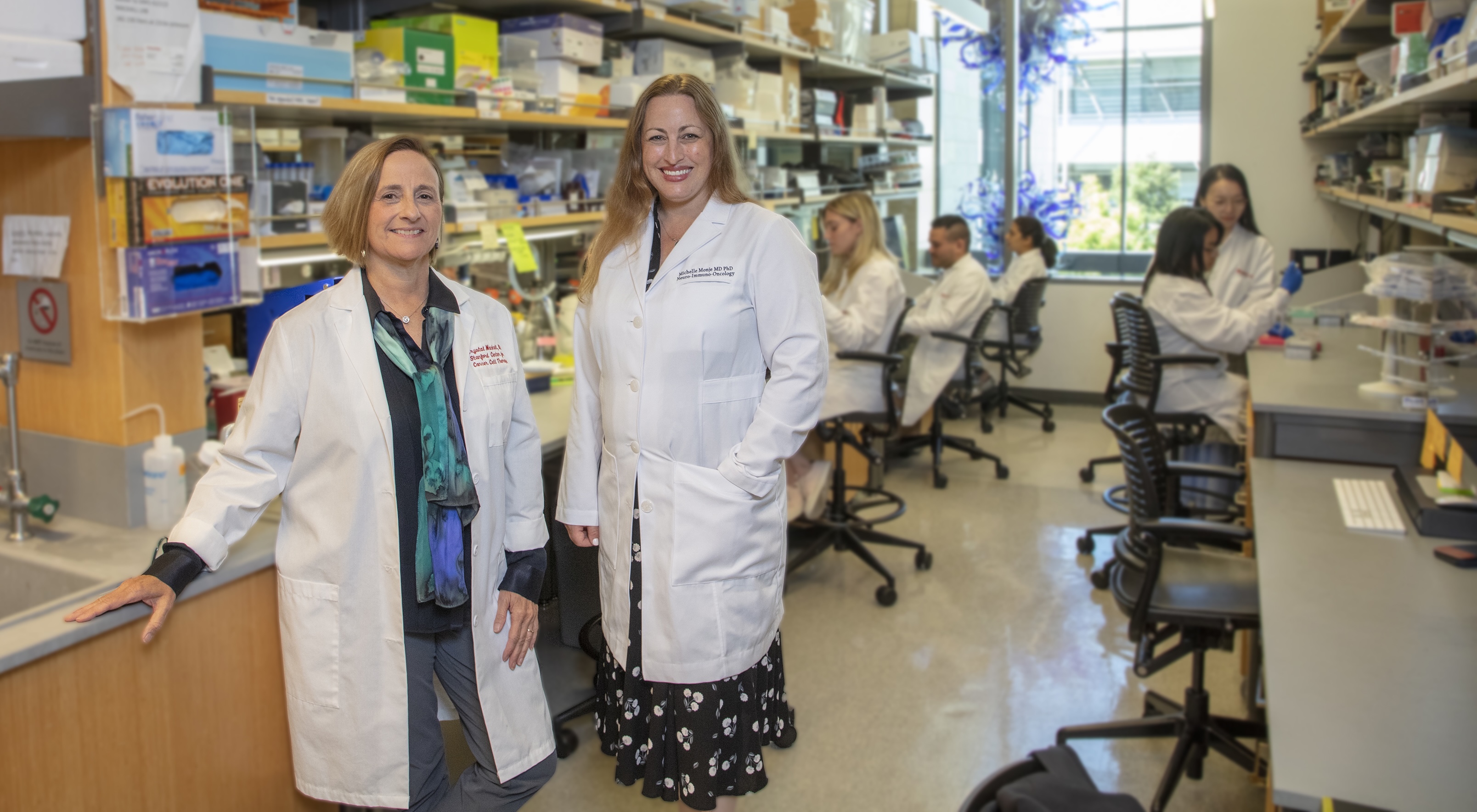
A Stanford Medicine clinical trial has shown promising results using CAR-T cell therapy to treat diffuse intrinsic pontine glioma (DIPG), a typically incurable childhood brain cancer. Of 11 participants, nine showed benefits, with one experiencing a complete tumor disappearance. The trial, which received a regenerative medicine advanced therapy designation from the FDA, marks a significant step forward in treating solid tumors with engineered immune cells. Researchers aim to refine the therapy to enhance its effectiveness and reduce side effects.
A new CRISPR-based system called MEGA (multiplexed effector guide arrays) targets a cell’s short-lived messenger RNA instead of DNA, providing a more precise and reversible way of designing cell therapies. This system, developed by researchers at Stanford University, uses an RNA-cutting enzyme called Cas13d to shut down the production of multiple proteins, effectively turning off up to ten genes at a time. By targeting mRNA molecules involved in T-cell exhaustion, the system rejuvenates exhausted CAR T cells, making them more effective at shrinking tumors in mice. The ability to tune gene expression with MEGA allows scientists to vary the levels of a wide array of mRNAs, revealing how different combinations of genes work together to carry out cellular functions.
Scientists from UC San Francisco and Northwestern University have successfully used a mutation found in cancer cells to enhance CAR-T cell therapy, enabling it to effectively target and destroy solid tumors in mice. By inserting this mutation into CAR-T cells, the researchers created a "Judo T-cell therapy" that can thrive in the harsh conditions of tumor microenvironments. While the approach shows promise, concerns about potential risks, such as the development of secondary cancers, remain. The researchers have founded a startup to further develop this supercharged CAR-T cell therapy, with lung cancer as their initial target for clinical trials.
A study in mice has shown that engineered CAR-T cells carrying a mutation found in cancerous T cells can effectively eliminate tumors that do not respond to current CAR-T therapies. The mutation, known as CARD11–PIK3R3, enhances the T-cell function and enables them to infiltrate tumors and exhibit long-lasting cancer-killing activity. The supercharged cells were able to melt away tumors in mice with both blood and solid cancers, and the researchers hope to move these cells towards clinical trials in the next two to three years. This approach opens the door for better CAR-T therapies in the future and provides an opportunity to discover other cancer mutations that can enhance T-cell therapies.
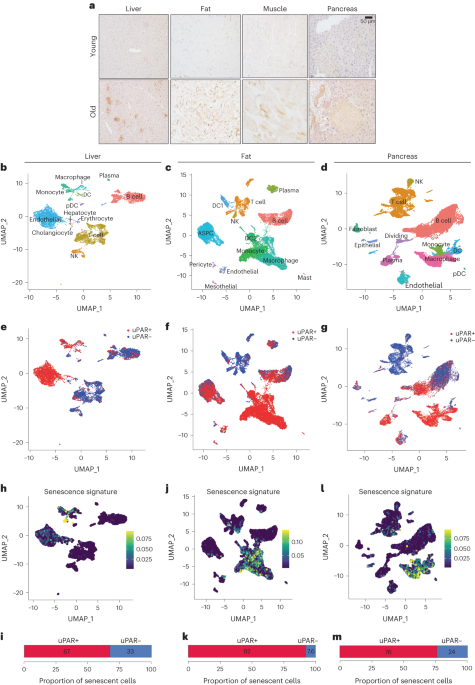
A new study led by Dr. Corina Amor Vegas at Cold Spring Harbor Laboratory describes a potential anti-aging therapy using CAR T cells, which are genetically engineered to target and destroy senescent cells linked to age-related health problems. In mice, a single injection of these senolytic CAR T cells in young adulthood slowed aging, improved metabolic profiles, and rejuvenated elderly mice. The treatment shows promise for addressing age-related diseases, but further research is needed to determine its long-term effects and potential side effects in humans.
Researchers at Cold Spring Harbor Laboratory have reprogrammed T cells to fight aging by targeting senescent cells, which are linked to age-related diseases. Using CAR T cells, the team found that a single treatment in mice led to lifelong effects, including improved metabolism and physical activity without tissue damage or toxicity. This breakthrough could potentially offer a one-time treatment for chronic conditions like obesity and diabetes, with implications for human longevity.
Researchers in New York have developed a revolutionary cell therapy using CAR T-cells to target and eliminate senescent cells, which contribute to age-related decline. This therapy has shown long-term effectiveness with a single treatment, potentially improving metabolic function and physical health in mice without noticeable side effects. While more research is needed before human application, the therapy's potential to revolutionize aging and age-related disease treatment is immense.
Researchers have developed senolytic CAR T cells targeting the cell-surface protein uPAR, which is upregulated on senescent cells in aged tissues. These CAR T cells were found to effectively eliminate senescent cells in aged mice, leading to a reduction in pro-inflammatory cytokines and improved metabolic function. The treatment was well tolerated and resulted in improved glucose tolerance and exercise capacity in the aged mice. The study suggests that senolytic CAR T cells have the potential to address age-related metabolic dysfunction and improve healthspan.
Scientists have discovered a breakthrough in anti-ageing research, revealing that reprogrammed T cells known as CAR T cells can slow and even reduce the effects of ageing by targeting and eliminating senescent cells responsible for age-related conditions and diseases. The treatment, dubbed the 'living drug', has shown promising results in mice, with potential long-lasting effects after a single dose. This discovery could revolutionize anti-ageing therapies and pave the way for a healthier and potentially longer life.
Researchers have found that CAR T cells can be genetically modified to target and eliminate senescent cells, which accumulate in the body as we age and contribute to age-related diseases. In mouse studies, treatment with these modified T cells resulted in slower aging, improved metabolism, glucose tolerance, and increased physical activity. The effects were long-lasting, with a single treatment offering lifelong protection against conditions like obesity and diabetes. This discovery suggests a potential new approach to combating age-related diseases and may offer insights into extending healthy lifespan.
Researchers are making progress in developing a method to produce CAR T cells within the body, potentially making cancer therapies more accessible. Instead of the current process of removing T cells from patients, engineering them to target cancer cells, and reintroducing them, the new approach involves injecting a virus that infects T cells and inserts the necessary genes to guide them to tumor cells. Results from experiments on monkeys showed promising reductions in B-cell counts, mimicking the action of approved CAR-T therapies. The technique could expand the use of CAR-T therapies, which are currently expensive and difficult to access. However, challenges remain, including ensuring the process targets only T cells and leaves other cells untouched.