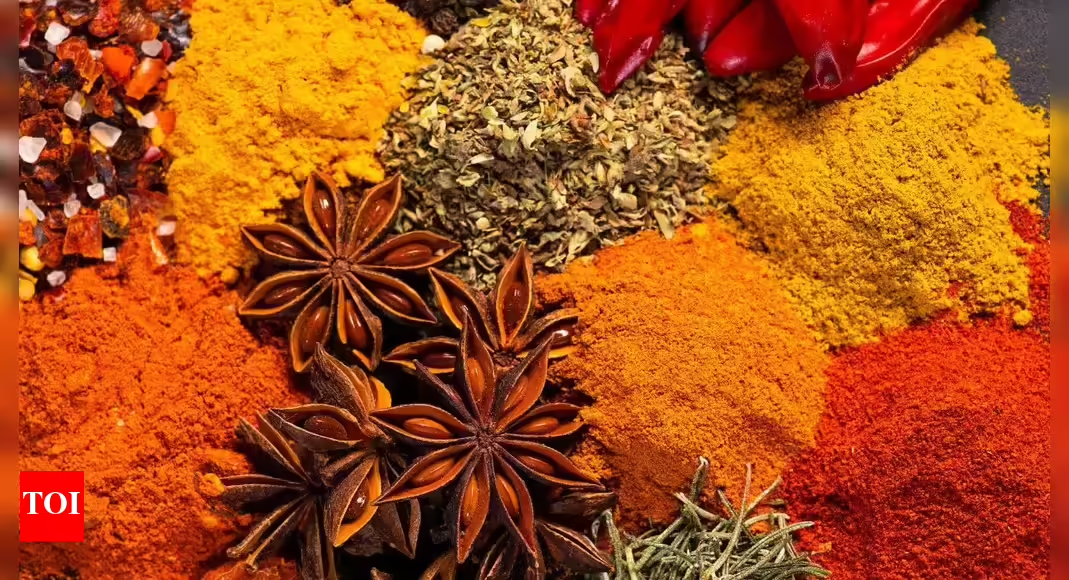
Dr. Prashant Katakol highlights six common Indian spices—turmeric, black pepper, ginger, cinnamon, cumin, and cardamom—that support long-term brain and body health through their anti-inflammatory, digestive, metabolic, and antioxidant properties, emphasizing their role in preventive health.,

The FDA has found radioactive cesium 137 in spices and shrimp imported from Indonesia, prompting recalls and investigations into potential contamination sources, possibly linked to industrial or recycling activities, raising concerns about long-term health risks.
Federal regulators have found radioactive cesium 137 in Indonesian-imported shrimp and spices, prompting recalls and ongoing investigations into the contamination source, which may stem from recycled metal or industrial waste in Indonesia. Consumers are advised to avoid affected products, though current contamination levels are below health concern thresholds.
Federal regulators have found radioactive cesium 137 in Indonesian-imported shrimp and spices, prompting recalls and investigations into potential contamination sources, with health risks being low but long-term exposure possibly increasing cancer risk.
The FDA has found radioactive cesium 137 in imported Indonesian shrimp and spices, prompting recalls and investigations into potential contamination sources, with health risks considered low but long-term exposure possibly increasing cancer risk.
As you enter your 30s, metabolism slows down due to changes in muscle mass, hormones, and lifestyle, but it can be boosted through strategies like increasing protein intake, weight training, staying hydrated, managing stress, getting quality sleep, limiting processed foods, focusing on non-exercise activities, incorporating metabolism-boosting spices, and maintaining gut health.
Incorporating a variety of herbs and spices like black pepper, cinnamon, garlic, turmeric, and others into daily meals can offer significant health benefits, including potential prevention of cancer, diabetes, and heart disease, thanks to their antioxidant, anti-inflammatory, and bioactive properties.
Dietitians recommend ginger as the top spice to help alleviate constipation by promoting intestinal movement and digestion, and it can be easily incorporated into meals or drinks. Managing constipation also involves staying hydrated, exercising, eating fiber-rich foods, and maintaining a regular bathroom routine. Ginger's active compound gingerol offers digestive benefits, but moderation is key, and consulting a healthcare provider is advised for persistent issues.
The article explores the potential health benefits of spices like chilli pepper and turmeric, which have been part of diets for centuries. While some studies suggest that capsaicin in chillies may reduce mortality risk and aid in weight management, the evidence is mixed and not of high quality. Turmeric's curcumin is noted for its anti-inflammatory properties, but its bioavailability in the human body is low. The health benefits of spices may often be linked to their ability to replace less healthy ingredients like salt, rather than direct health effects.
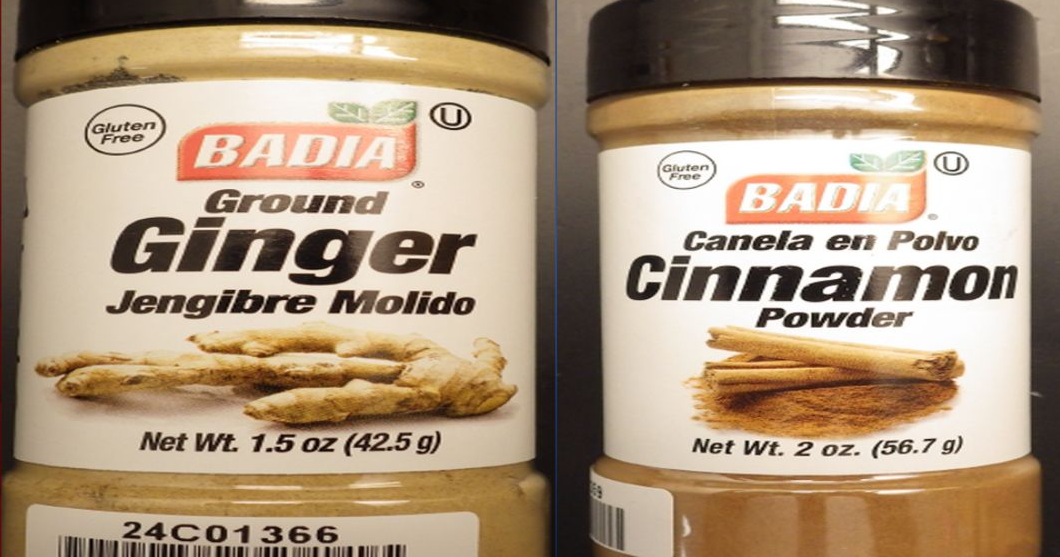
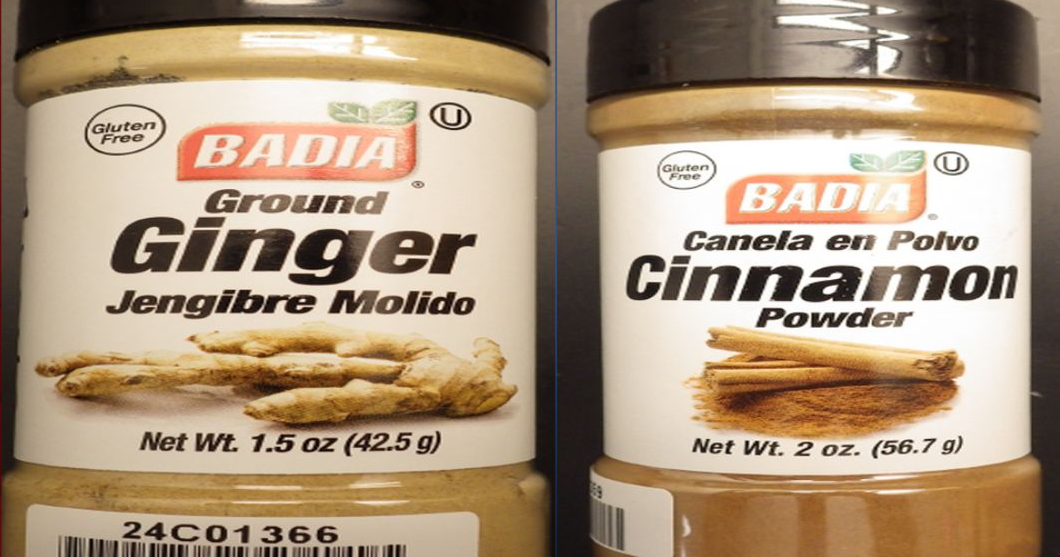
The New York State Department of Agriculture has issued a consumer alert after elevated lead levels were found in Badia Spices' ground ginger and cinnamon powder. Consumers are advised to discard these products immediately.
The New York State Department of Agriculture has issued a consumer alert after elevated lead levels were found in Badia Spices' ground ginger and cinnamon powder. Consumers are advised to discard the affected products, which were sold at multiple retailers in New York State.
Health experts recommend incorporating turmeric, ginger, cinnamon, and black pepper into your diet to boost brain health and potentially lower the risk of Alzheimer's disease. These spices contain compounds that protect against oxidative stress, improve cognitive function, and have neuroprotective properties. Adding these spices to meals such as curries, stews, and smoothies can provide a range of brain health benefits, including enhancing memory, reducing brain fog, and protecting healthy brain cells from damage.
Top Chef's Kristen Kish shares her experiences as a contestant, judge, and host, discussing her nerves, self-care routine, and favorite foods in Wisconsin. She reveals that toasted black pepper is her underrated spice choice and discusses her exercise routine and food hot takes, including her dislike for black truffles and smoked salmon.
Certain herbs and spices such as cinnamon, fenugreek, turmeric, garlic, ginger, and cardamom have been found to aid in managing cholesterol levels due to their various properties such as reducing blood sugar, containing soluble fiber, anti-inflammatory and antioxidant effects, and cholesterol-lowering compounds. However, it's important to consult a healthcare professional before using these as substitutes for professional medical advice, diagnosis, or treatment.
Ginger has been identified as the #1 spice to help lower blood pressure, with research showing significant reductions in both systolic and diastolic blood pressure. The spice may work by blocking calcium channels and acting as an ACE inhibitor, as well as through its antioxidant properties. Ginger can be incorporated into various recipes, from ginger tea to ginger salad, to reap its potential health benefits. While spices like ginger can offer unique health benefits, it's important to maintain a balanced diet and active lifestyle for overall heart health.