Tag

Cholesterol Management

All articles tagged with #cholesterol management

health1 year ago

Overlooked Facial Signs of High Cholesterol Revealed by Doctors

Dr. Ahmed highlights subtle signs of high cholesterol that can appear on the hands, feet, and face, such as tendon xanthomata, xanthelasma, and corneal arcus. These symptoms may indicate familial hypercholesterolemia, a genetic condition often treated with statins. High cholesterol is typically confirmed through a blood test, and managing it is crucial to prevent serious health issues like heart attacks and strokes. Lifestyle changes and medication may be recommended to lower cholesterol levels.

health1 year ago

Key Symptom Linked to High Cholesterol You Mustn't Overlook

High cholesterol, often symptomless, may be linked to tendon pain, according to a study in the British Journal of Sports Medicine. The research, which analyzed 17 studies with 2,612 participants, found that individuals with tendon pain or altered tendon structure had higher cholesterol levels. While the study suggests a relationship between cholesterol and tendon health, further research is needed to establish causation. To manage cholesterol, the NHS recommends reducing saturated fat intake and opting for unsaturated fats.

health-and-wellness1 year ago

"Managing Cholesterol: Herbs, Spices, and Diets That Work"

Certain herbs and spices such as cinnamon, fenugreek, turmeric, garlic, ginger, and cardamom have been found to aid in managing cholesterol levels due to their various properties such as reducing blood sugar, containing soluble fiber, anti-inflammatory and antioxidant effects, and cholesterol-lowering compounds. However, it's important to consult a healthcare professional before using these as substitutes for professional medical advice, diagnosis, or treatment.

health2 years ago

"Unlocking the Potential of Low-Dose Statins: Definition, Examples, and Uses"

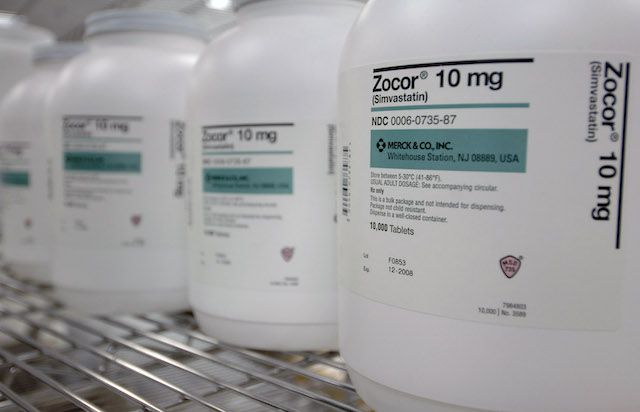
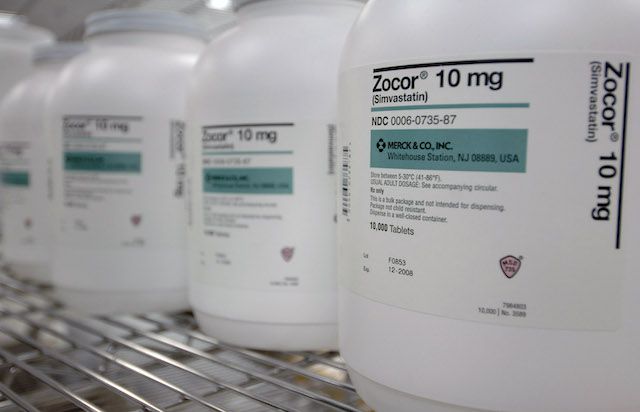
Low-dose statins are a class of medications used to manage high cholesterol and reduce the risk of heart attack, stroke, and death. They work by lowering LDL cholesterol and increasing HDL cholesterol. Common examples of low-dose statins include Zocor, generic pravastatin, and generic lovastatin. These medications are recommended for adults aged 40-75 who have at least one risk factor for cardiovascular disease. While low-dose statins are generally safe and well-tolerated, they can have side effects such as muscle pain. Pregnant and breastfeeding individuals should avoid statin use. Regular cholesterol monitoring, a healthy diet, and exercise are important for managing cholesterol levels.

health2 years ago

Understanding Low-Dose Statins: Definition, Examples, and Uses

Low-dose statins are a class of medications used to treat high cholesterol and reduce the risk of heart attack, stroke, and death. They work by lowering LDL cholesterol levels and increasing HDL cholesterol. Common low-dose statins include Zocor, generic pravastatin, and generic lovastatin. They are recommended for adults aged 40-75 who have at least one risk factor for cardiovascular disease. Low-dose statins are generally well-tolerated, but side effects may include muscle pain. They should be avoided during pregnancy and breastfeeding. Regular cholesterol monitoring, a healthy diet, and exercise are important for managing cholesterol levels.

health2 years ago

"Unlocking a Healthy Heart: Proven Strategies to Prevent Blockages and High Cholesterol"

With 6 in 10 Indians suffering from high LDL cholesterol, it is important to prioritize heart health during the festive season. High levels of LDL cholesterol can lead to blockages and increase the risk of heart disease. Monitoring your diet, choosing sleep over stress, educating yourself about cholesterol, and consulting with a cardiologist are key steps to prevent heart blockages and maintain a healthy heart.

health2 years ago

"Portfolio Diet: A Heart-Healthy Investment for Disease Prevention"

The American Heart Association has approved the "Portfolio diet" as an effective way to manage cholesterol and reduce the risk of heart disease and stroke. Similar to diversifying investments in the financial world, this diet emphasizes a variety of plant-based foods such as fruits, vegetables, nuts, seeds, whole grains, legumes, and soy protein. It also encourages the use of supplements like psyllium fiber and plant sterols. Processed foods, refined carbs, sweets, sugar, and sugary beverages should be minimized. Research has shown that the Portfolio diet can lower LDL cholesterol and reduce the risk of heart disease and stroke. Following this diet, even with small changes, can provide cardiovascular benefits.