Tag

Space Observatory

All articles tagged with #space observatory

science4 months ago

Scientists Excited by Interstellar Comet 3I/ATLAS and Its Mysteries

Recent observations of interstellar object 3I/ATLAS by NASA's SPHEREx reveal a large CO2 cloud with no detectable water vapor, suggesting it may not be a water-rich comet as previously thought, and indicating a potentially large nucleus around 46 km in diameter. The findings challenge earlier claims and raise questions about the object's composition and origin.
science5 months ago

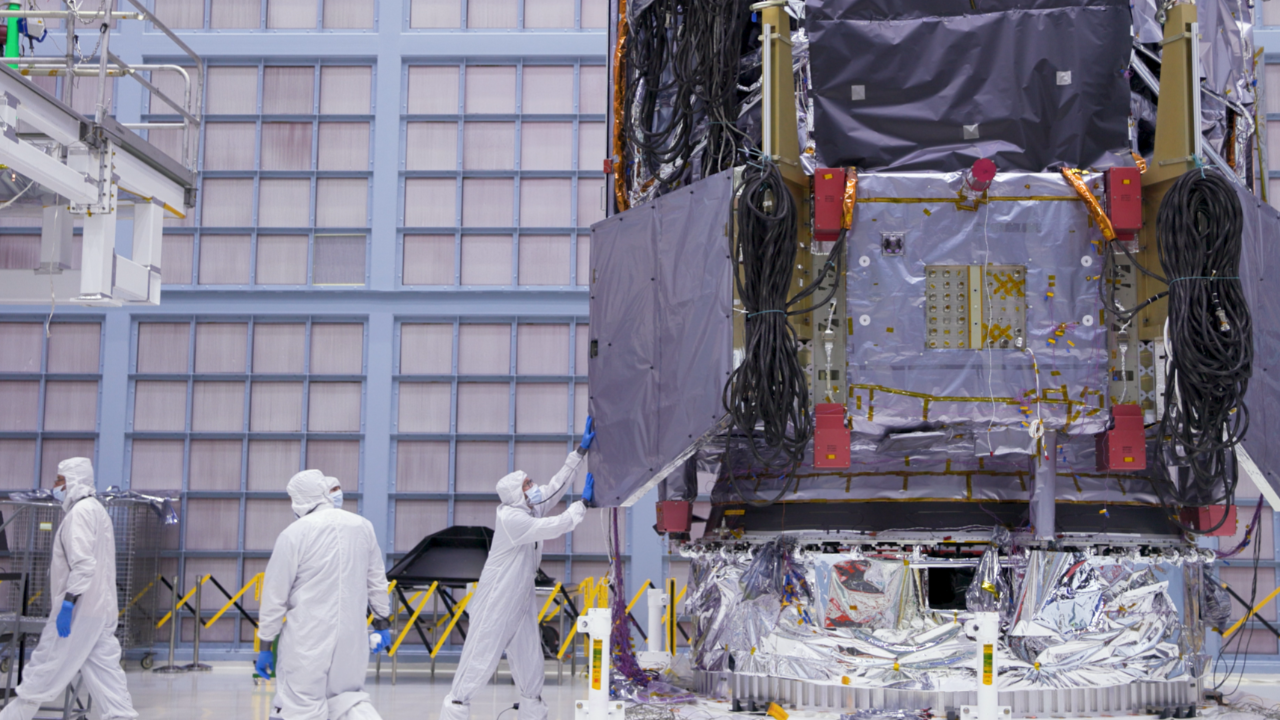
NASA's Roman Telescope Installs Advanced Sunblock

NASA's Roman Space Telescope has successfully installed its two sunshields, a crucial step in its development, despite ongoing funding uncertainties that could delay its launch planned for 2027. The sunshields protect the telescope's instruments from solar heat and light, ensuring optimal performance for deep space observations. Continued support and funding are vital for the mission's completion and success.

science-and-technology7 months ago

ESA's Robot Telescope Discovers Asteroid with Planet-Saving Potential

The European Space Agency has activated its new Flyeye telescope, inspired by an insect's eye, which has successfully captured its first images of celestial objects, marking a significant step in planetary defense by enhancing early detection of potentially hazardous asteroids through autonomous, wide-field sky surveys and a planned global network.

space-science1 year ago

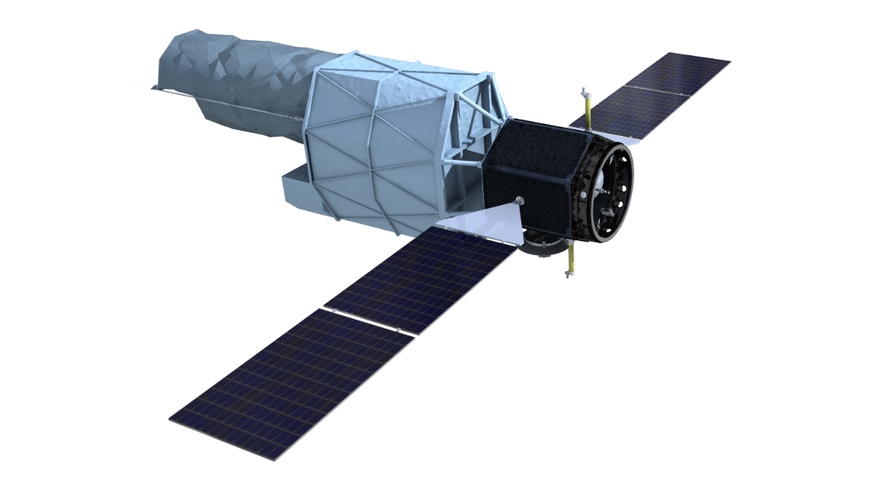
"NASA's Delayed Ultraviolet Astronomy Mission to Probe Stellar Explosions and Explore the Universe"

NASA has selected the Ultraviolet Explorer (UVEX) spacecraft for development as its next astrophysics Medium-class Explorer mission, which will perform an all-sky survey at ultraviolet wavelengths. However, due to budget challenges, the launch of UVEX has been delayed by two years to 2030. This delay is linked to budget issues within NASA’s broader astrophysics program, and the agency is working to prioritize missions already in development while supporting the innovative UVEX concept. NASA officials have warned of budget pressures on the agency, including its astrophysics programs, and are working to ensure a balanced portfolio across astrophysics.

science-and-technology1 year ago

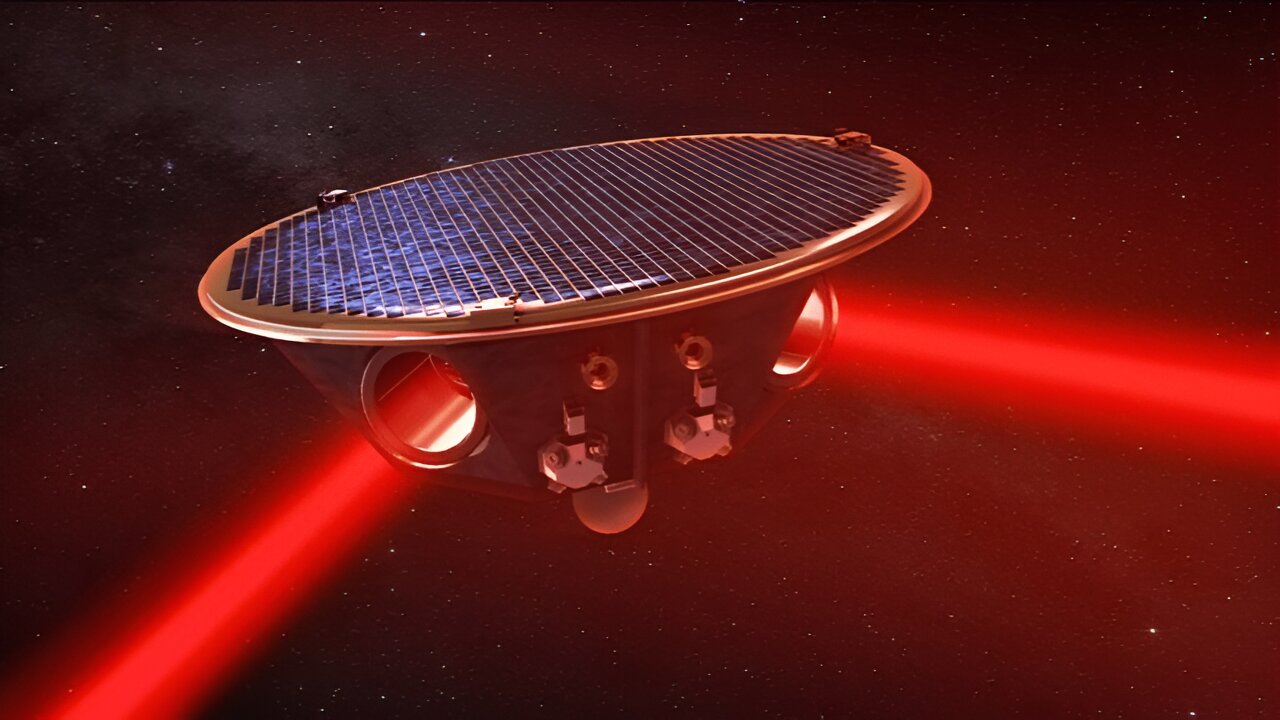
"NASA and European Space Mission to Detect Cosmic Ripples in Space"

NASA is collaborating with the European Space Agency (ESA) on the LISA (Laser Interferometer Space Antenna) mission, the first space-based observatory designed to detect gravitational waves. The mission, led by ESA with NASA contributions, will use three spacecraft flying in a triangular formation to measure how gravitational waves alter their relative distances. LISA will enable observations of gravitational waves produced by merging supermassive black holes and will provide a panoramic view to observe a broad range of sources within and beyond our galaxy. The spacecraft will track internal test masses affected only by gravity and continuously fire lasers to measure their separations with extreme precision.

spaceflight2 years ago

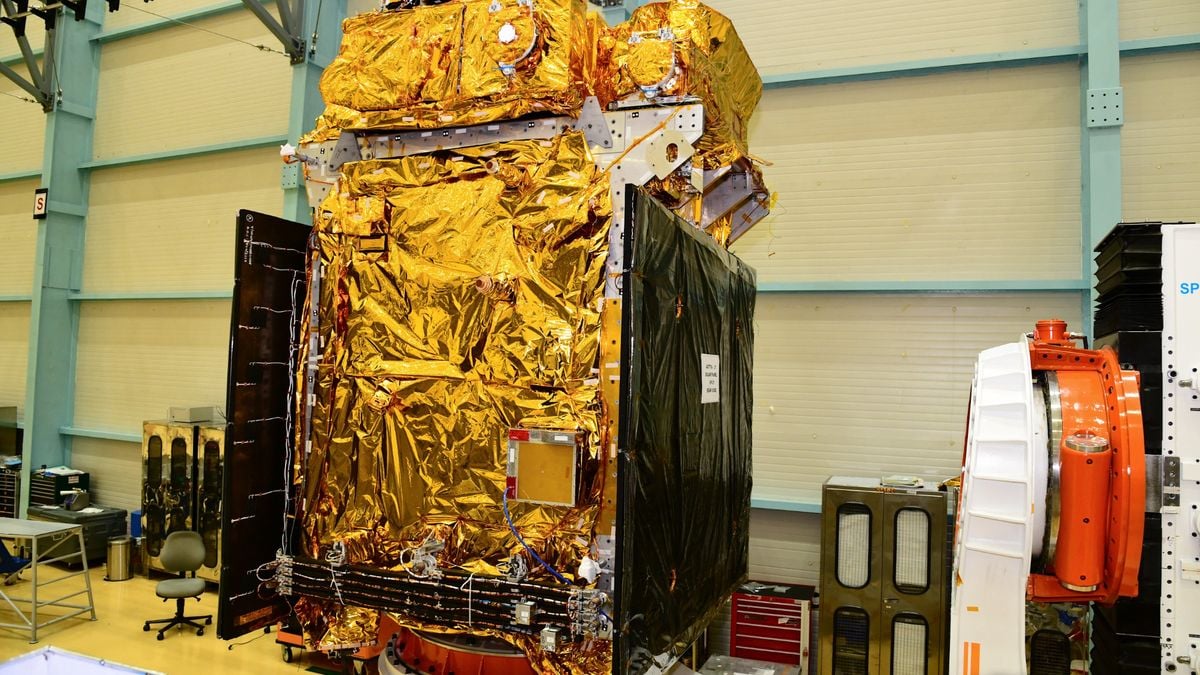
India's Aditya-L1 Mission: From Moon to Sun, Exploring Solar Mysteries

India is set to launch its first sun-studying spacecraft, Aditya-L1, on September 2, 2023. The spacecraft will study the sun from Earth-sun Lagrange Point 1, providing continuous observations of solar activities and their effects on space weather. Aditya-L1 will investigate solar flares, coronal mass ejections, and the mystery of the sun's hot outer atmosphere. The mission follows India's recent success with the Chandrayaan-3 lunar mission.

space2 years ago

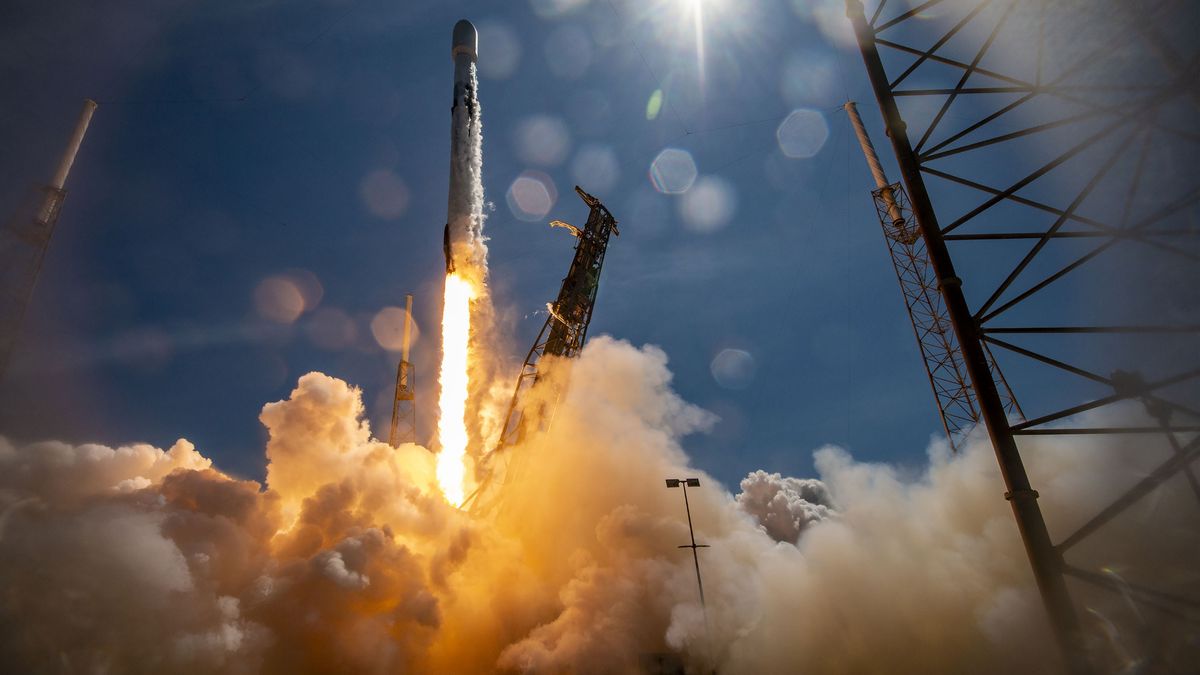
Euclid's Dark Universe Telescope: Unveiling Cosmic Mysteries with SpaceX Launch

The Euclid space telescope, launched atop a SpaceX rocket, has begun its journey to deep space. Over the next month, it will commute to the sun-Earth Lagrange point 2, about 1 million miles away from Earth, before undergoing tests and observations to ensure its instruments are ready for its mission to find evidence of dark matter and dark energy. The telescope is expected to be fully operational in about eight months, following a calibration sequence similar to that of the NASA James Webb Space Telescope.